Can I Sleep With Makeup On?
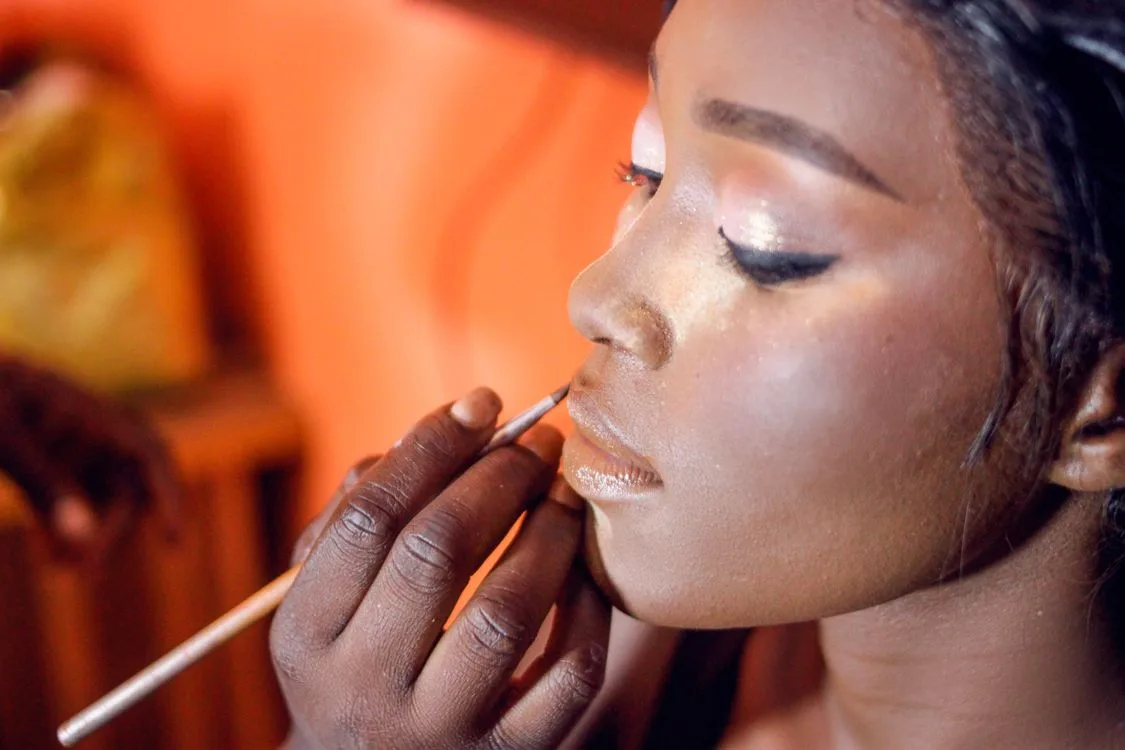
Image source: Bing (Web (fair-use with source credit))
Most people have wondered at some point: Can I sleep with makeup on? It might seem like a harmless shortcut, especially after a long day. However, leaving makeup on overnight can really do a number on your skin and eyes.
It’s a common habit that can lead to a host of problems, from breakouts to more serious eye irritation.
Our research indicates that consistently sleeping in makeup can cause significant issues. For instance, the U.S. Food & Drug Administration (FDA) warns about the risks of leaving cosmetics on the eyes, which can lead to infections and even vision impairment.
It’s crucial to understand what happens when you skip your nightly skincare routine, as your skin needs time to breathe and repair itself.
Quick Answer
No, you should not sleep with makeup on. Leaving makeup on overnight clogs pores, leading to acne. It can also irritate your skin and eyes, potentially causing infections.
Your skin needs to breathe and regenerate while you sleep, which requires a clean canvas.
Why Sleeping with Makeup on is a Bad Idea for Your Skin
Skipping your makeup removal routine, even just for one night, can have immediate and lasting negative effects on your skin's health. Think of your skin like a busy factory that works hardest while you're resting. When makeup is left on, it clogs the machinery, preventing essential processes like cell turnover and repair.
This buildup doesn't just sit on the surface; it seeps into pores and can cause inflammation and breakouts.
Over time, this can lead to a dull complexion, premature aging, and persistent skin issues that are much harder to treat than a simple breakout. The American Academy of Dermatology (AAD) emphasizes that a consistent cleansing routine is fundamental for maintaining healthy skin. So, while it might be tempting to skip it, the consequences are generally not worth the few minutes saved.
The Real Risks: What Happens When You Don't Remove Makeup Overnight
When makeup stays on your face while you sleep, it's not just a cosmetic issue; it's a health concern. The ingredients in your foundation, concealer, mascara, and lipstick can interact with your skin in ways that cause damage. These aren't just theoretical risks; they're common problems many people experience.
Clogged Pores and Breakouts
Your pores are tiny openings in your skin that release oil and sweat. When you wear makeup to bed, these pores can become blocked by foundation, concealer, and other products. This blockage traps oil, dead skin cells, and bacteria, creating the perfect environment for acne to form.
Our research shows that ingredients like comedogenic oils and silicones found in many foundations can be particularly problematic for pore health.

This can lead to blackheads, whiteheads, and painful cystic acne. It's like leaving a sticky mess in your drainpipe; eventually, it's going to cause a backup. Consistent pore-clogging can also lead to enlarged pores over time, making your skin texture appear rougher.
Skin Irritation and Redness
Many makeup products contain dyes, fragrances, and preservatives that can irritate sensitive skin, especially when left on for extended periods. Sleeping in makeup can disrupt your skin's natural barrier function, making it more susceptible to inflammation. This can manifest as redness, itching, and a general feeling of discomfort.
Even if you don't typically have sensitive skin, the prolonged contact with these ingredients overnight can trigger a reaction. The skin’s natural pH balance can also be disrupted, further contributing to irritation. This is why many dermatologists recommend hypoallergenic makeup for those prone to reactions.
Eye Infections and Irritation
The skin around your eyes is incredibly delicate, and the products you apply there require particular care. Sleeping in eye makeup like mascara, eyeliner, and eyeshadow can lead to serious issues. Mascara, especially, can flake off and get into your eyes, causing scratches on the cornea.
The American Academy of Ophthalmology (AAO) warns that leaving eye makeup on can lead to styes, conjunctivitis (pink eye), and even more severe infections. Imagine tiny particles of pigment and chemicals constantly rubbing against your delicate eye tissues all night; it's a recipe for irritation and infection. This is why thorough eye makeup removal is non-negotiable.
Your Skin's Nighttime Job: Why It Needs a Clean Slate
While you're catching Z's, your skin is hard at work. Overnight is prime time for skin cell regeneration, repair, and rejuvenation. During this period, your skin sheds old cells and produces new ones, helps repair damage from UV exposure and pollution, and restores moisture.
Wearing makeup while this process is underway is like trying to clean a room while someone is actively making a mess.
Think of it this way: your skin's natural renewal cycle is crucial for maintaining a healthy, youthful appearance. According to research from the National Institutes of Health (NIH), skin cell turnover is a continuous process that slows with age but is most active during sleep. When makeup is left on, it impedes these vital functions.
It can prevent the absorption of beneficial nighttime skincare products and interfere with the natural shedding of dead skin cells. This is why a fresh start each night is so important for skin health.
How to Properly Remove All Traces of Makeup
Removing makeup isn't just about swiping a wipe across your face and calling it a day. A thorough removal process ensures your skin can breathe and repair itself overnight, preventing the issues we’ve discussed. It involves a few key steps that work together to lift away all product residue, including those stubborn waterproof formulas.
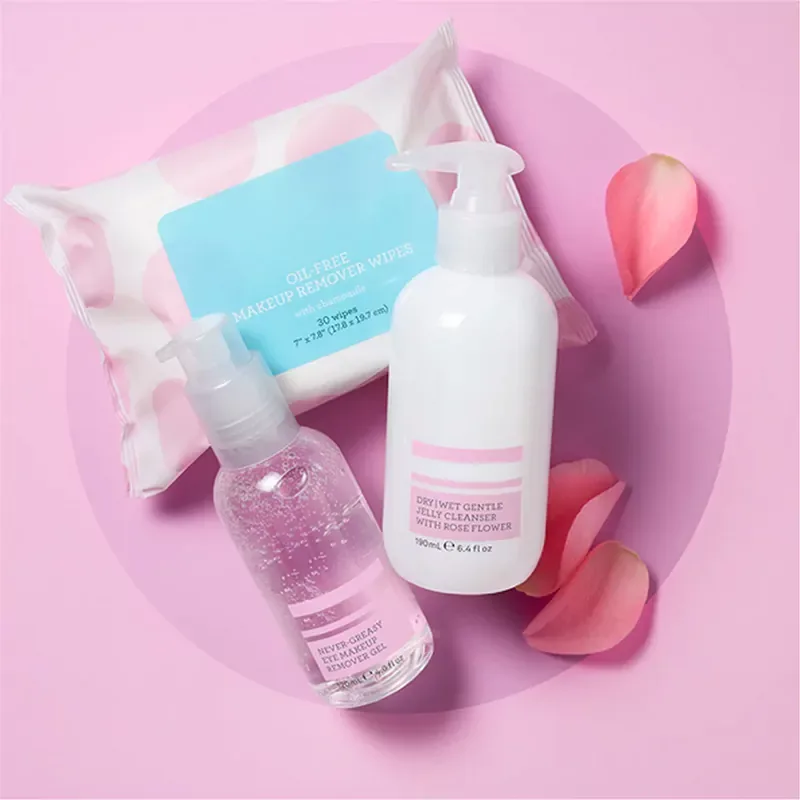
The goal is to clean your skin without stripping it of its natural oils, which are essential for maintaining a healthy skin barrier. This might involve a combination of different types of cleansers depending on your skin type and the makeup you're wearing.
Step-by-Step Makeup Removal Routine
A comprehensive makeup removal routine typically involves a double cleanse, especially if you wear a lot of makeup or use waterproof products.
- Start with an Oil-Based Cleanser or Micellar Water: Apply an oil-based cleanser or micellar water to a cotton pad. Gently swipe across your face, eyes, and lips to break down and lift away surface makeup like foundation, lipstick, and eyeshadow. For eye makeup, hold the pad over your closed eye for a few seconds before gently wiping. This initial step dissolves oil-based impurities like makeup.
- Follow with a Gentle Water-Based Cleanser: Wet your face with lukewarm water. Apply a gentle, water-based cleanser (like a foaming or gel cleanser) and massage it into your skin in circular motions. This second step cleanses away any remaining residue from the first cleanse, as well as dirt and sweat.
- Rinse Thoroughly: Rinse your face completely with lukewarm water, ensuring all cleanser residue is gone.
- Pat Dry: Gently pat your face dry with a clean, soft towel. Avoid rubbing, which can irritate your skin.
- Follow with Toner and Moisturizer: Apply your usual toner to balance your skin's pH and then a good moisturizer to rehydrate your skin. If you're using any targeted treatments like serums or acne medication, apply them after toning and before moisturizing.
Choosing the Right Makeup Remover for You
The best makeup remover depends on your skin type and the kind of makeup you wear.
- For Waterproof Makeup: An oil-based cleanser, cleansing balm, or a dedicated waterproof makeup remover is most effective. These formulas are designed to break down stubborn, water-resistant ingredients. Our review of best waterproof mascara highlights the need for a strong remover.
- For Sensitive Skin: Look for fragrance-free, hypoallergenic micellar waters or gentle cream cleansers. Avoid alcohol-based removers that can be drying and irritating. If you’re looking for something to calm redness, you might consider products with soothing ingredients. Our research on best mascara for sensitive eyes found many options with gentle formulations.
- For Oily or Acne-Prone Skin: While it might seem counterintuitive, oil cleansers can actually be very beneficial. They effectively dissolve excess sebum and makeup without stripping the skin. Just be sure to follow up with a water-based cleanser to remove any remaining oil residue. Products labeled "non-comedogenic" are also a good bet for these skin types.
Common Makeup Removal Mistakes to Sidestep
Even with the best intentions, people often make mistakes that undermine their makeup removal efforts. Being aware of these can help you ensure your skin is truly clean and healthy.
- Rubbing Too Hard: Scrubbing your face aggressively, especially around the eyes, can cause micro-tears, irritation, and premature wrinkles. Always use gentle, upward strokes.
- Using Harsh Wipes: While convenient, many makeup wipes contain alcohol or strong fragrances that can dry out and irritate the skin. They also often don't remove all makeup, leaving residue behind. If you must use wipes, opt for hydrating, fragrance-free formulas and follow up with a proper cleanser.
- Not Removing Lip or Eye Makeup Thoroughly: These areas require special attention. Lipstick can stain, and mascara, particularly waterproof formulas, can be difficult to remove. Not getting all of it off means those irritants stay on your skin all night. For example, not properly removing waterproof mascara is a common culprit for eye irritation.
- Skipping the Second Cleanse: If you wear a lot of makeup or use heavy products like foundation or primer, one cleanse might not be enough to remove everything. A double cleanse ensures all impurities are washed away.
When to Call in the Pros: Skin Issues That Need a Dermatologist
While most makeup-related skin issues can be managed with a good routine, some problems warrant professional medical attention. If you experience persistent acne that doesn't respond to over-the-counter treatments, severe redness, or a chronic eye irritation, it’s time to consult a healthcare professional.
A dermatologist can diagnose underlying skin conditions, recommend prescription treatments, and provide personalized advice based on your specific skin type and concerns. For instance, they can identify if your acne is truly caused by clogged pores from makeup or another internal factor. Similarly, if you develop a significant eye infection like conjunctivitis or a stye, see an ophthalmologist.
They can prescribe the necessary medication and ensure the infection doesn't worsen. Ignoring persistent skin or eye problems can lead to more serious health issues down the line.
FAQs About Makeup and Sleep
Can sleeping with mascara on cause lash loss?
Yes, sleeping with mascara on can cause lash loss. The dried mascara can make your lashes brittle and prone to breakage. Additionally, when you rub your eyes in your sleep or during removal, you can pull out lashes.
Is it okay to sleep with lip balm on?
Generally, yes, sleeping with lip balm is fine and often beneficial. Lip balms are designed to hydrate and protect your lips. However, if you use a tinted lip balm with strong dyes or fragrances, it's still best to remove it before bed to avoid potential irritation.
How long does it take for skin to recover after sleeping with makeup on?
The recovery time varies. For a minor instance, your skin might bounce back within a day or two with proper cleansing and hydration. However, if you have persistent issues like acne or irritation from sleeping in makeup regularly, it could take several weeks of consistent good skincare to see significant improvement.
Are oil-based makeup removers bad for acne-prone skin?
Not necessarily. While it seems contradictory, oil-based cleansers and balms can be very effective for acne-prone skin because they dissolve excess oil and impurities without stripping the skin. The key is to choose non-comedogenic options and always follow up with a water-based cleanser.
What's the biggest mistake people make with makeup removal?
One of the biggest mistakes is not being thorough enough, especially with eye and lip makeup. People often think they've removed everything when residue, particularly from waterproof products, remains. This incomplete removal is a primary cause of breakouts and eye irritation.