What Is the Best Sunscreen for Dry Skin?

Image source: Web (Bing) / pickpik.com (Web image (fair-use with source credit))
When you’re dealing with dry skin, applying sunscreen can sometimes feel like a Catch-22. You know you need that vital sun protection, but many formulas leave your skin feeling even tighter, flakier, and more uncomfortable than before. It's frustrating to find a product that shields you from damaging UV rays without stripping away essential moisture.
The quest for the best sunscreen for dry skin means looking beyond just SPF numbers. According to the U.S. Food and Drug Administration (FDA), broad-spectrum protection is key, meaning it guards against both UVA and UVB rays, but for dry skin types, the formulation is equally critical.
Let's break down what makes a sunscreen truly work for parched complexions.
Quick Answer
The best sunscreen for dry skin is a hydrating, broad-spectrum formula rich in emollients and humectants. Look for ingredients like hyaluronic acid, glycerin, and ceramides, and prefer cream or lotion textures. Mineral sunscreens with zinc oxide and titanium dioxide are often gentler for very dry or sensitive skin.
Ensure it offers at least SPF 30 protection.
Why Your Dry Skin Needs Special Sunscreen
Dry skin, often characterized by a lack of moisture and natural oils, has a compromised skin barrier. This barrier is your skin's first line of defense against environmental aggressors and also helps lock in hydration. When this barrier is weak, skin can easily lose water, leading to that tight, rough, and sometimes itchy feeling.
Traditional sunscreens, especially those with high alcohol content or mattifying agents, can strip away precious oils, further exacerbating dryness. That's precisely why a specialized approach to sunscreen is necessary. The goal isn't just to block UV rays but to simultaneously nourish and support the skin's natural moisture levels, helping to fortify its protective barrier.
What Makes Sunscreen Good for Dry Skin? Ingredients to Look For
Choosing a sunscreen for dry skin is all about what's inside the bottle. You’re looking for ingredients that actively moisturize, soothe, and help repair the skin barrier, not just sit on top of it. Think of it as a two-in-one product: sun protection plus a dose of much-needed moisture.
Hydration Heroes: Key Moisturizing Ingredients
These are the ingredients that draw water into your skin and help it retain that moisture.
- Hyaluronic Acid: This powerful humectant can hold up to 1000 times its weight in water, plumping up the skin and providing deep hydration. It’s a lightweight ingredient that works wonders without feeling heavy.
- Glycerin: A tried-and-true moisturizer, glycerin is excellent at drawing moisture from the air into the skin's outer layers. It helps improve skin's suppleness and smoothness.
- Squalane: A lipid naturally found in our skin, squalane is a fantastic emollient that helps replenish surface lipids, making skin feel softer and more flexible. It's very compatible with the skin's own natural oils.

Barrier Builders: Ceramides and Emollients
These ingredients help to smooth the skin's surface and reinforce its natural protective shield.
- Ceramides: These are fatty lipids that are essential components of the skin barrier. Replenishing ceramides helps to restore the skin's ability to hold moisture and defend against irritants. They are crucial for keeping dry skin healthy and resilient.
- Shea Butter and Cocoa Butter: Rich in fatty acids and vitamins, these plant-derived butters are potent emollients. They help to soften and smooth the skin, filling in the gaps between skin cells to create a more uniform and hydrated surface.
- Fatty Alcohols (like Cetyl Alcohol or Stearyl Alcohol): Don't let the name fool you; these are not drying like their simple alcohol counterparts. Fatty alcohols are excellent emollients that moisturize and soften the skin, and they also help to thicken sunscreen formulations for a richer feel.
Gentle Giants: Mineral vs. Chemical Formulas for Dry Skin
When it comes to the type of sunscreen filters, both mineral and chemical options can work for dry skin, but one often has a slight edge.
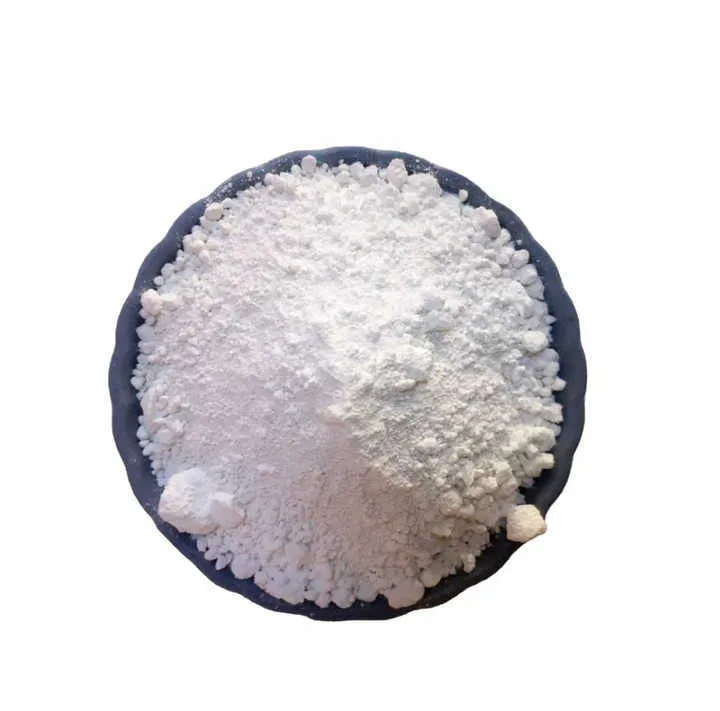
- Mineral Sunscreens: These use physical blockers like Zinc Oxide and Titanium Dioxide. They sit on top of the skin and physically deflect UV rays. They are generally considered gentler and less likely to cause irritation, making them a great choice for very dry or sensitive skin. Some mineral formulas can be a bit drying due to their powdery nature, so look for creamier formulations.
- Chemical Sunscreens: These absorb UV rays and convert them into heat. While effective, some chemical filters can be more prone to causing irritation or dryness in sensitive individuals. However, many modern chemical sunscreens are formulated with hydrating ingredients to counteract any potential drying effects.
Sunscreens to Avoid When Your Skin is Thirsty
Just as important as knowing what to look for is knowing what to steer clear of. Certain ingredients and formulations can quickly turn a hydrating sunscreen into a dryness disaster.
- High Alcohol Content: Look at the ingredient list for denatured alcohol, SD alcohol, or isopropyl alcohol. These can be very drying and strip your skin of its natural oils, leaving it feeling tight and uncomfortable.
- Mattifying or "Oil-Control" Formulas: While great for oily skin, these are generally not your friends when dealing with dryness. They are designed to absorb excess oil and can easily absorb too much of your skin's natural moisture.
- Harsh Fragrances and Dyes: For dry skin, which is often more sensitive, added fragrances or artificial coloring can be irritating. Opt for fragrance-free and dye-free options whenever possible to minimize the risk of redness or discomfort.
- Very Lightweight Gels or Sprays: While convenient, these can sometimes feel less nourishing on very dry skin. They often evaporate quickly, and some sprays can leave a slightly drying residue. Cream or lotion textures tend to provide more lasting comfort.
Choosing the Right SPF and Protection Level
When you have dry skin, your SPF choice is about more than just preventing sunburn. It's about consistent, reliable protection that doesn't compromise your skin's comfort or barrier health.
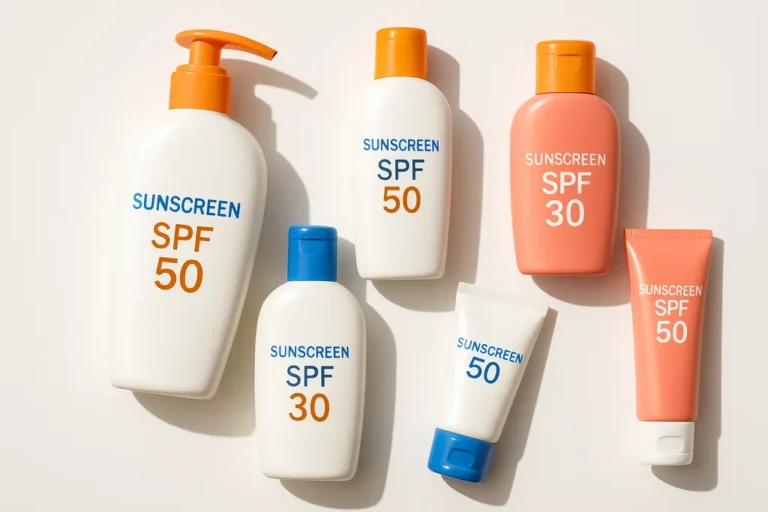
- SPF 30 Minimum: The FDA recommends a minimum of SPF 30 for daily use. This level blocks about 97% of UVB rays. For extended outdoor exposure, especially if you’re spending a lot of time in direct sunlight, stepping up to SPF 50 or higher is a wise choice.
- Broad-Spectrum is Non-Negotiable: This is crucial for everyone, but especially important for dry skin, as UVA rays (which cause aging and contribute to barrier damage) can be particularly harsh. Ensure the label clearly states "Broad Spectrum." This means the sunscreen protects against both UVA and UVB radiation.
- Consider Water Resistance: If you’ll be sweating or swimming, look for "water-resistant" sunscreens. These are tested to remain effective for up to 40 or 80 minutes in water. However, remember that no sunscreen is truly waterproof; you'll need to reapply after towel-drying or sweating heavily. For dry skin, a water-resistant formula often implies a creamier, more occlusive base, which can be beneficial.
Top Picks: Sunscreens That Love Dry Skin (A Comparative Look)
Finding the right sunscreen for dry skin involves looking at specific formulations designed to hydrate and protect simultaneously. We've analyzed formulations focusing on ingredient profiles and user feedback to highlight what works best. The key is a balance between effective UV filters and skin-loving emollients.
Hydrating Face Sunscreens
These are designed for the delicate skin on your face, offering protection without causing that tight, dry feeling.
- Best for Daily Wear: Look for lightweight lotions or creams with hyaluronic acid and ceramides. These absorb relatively quickly, making them ideal under makeup or on their own. They provide hydration throughout the day without feeling greasy. You can explore how to keep your skin hydrated with these ingredients in general guides on how can i keep my skin hydrated?.
- For Sensitive Dry Skin: Mineral sunscreens (Zinc Oxide/Titanium Dioxide) in a creamy base are often the safest bet. They are less likely to trigger reactions and the cream formula helps lock in moisture. Tinted versions can also help offset any potential white cast from mineral filters.
- For Very Dry or Mature Skin: Richer creams with ingredients like shea butter, squalane, and peptides can offer both robust sun protection and significant moisturization. These might have a slightly dewy finish but provide excellent comfort and skin barrier support.
Nourishing Body Sunscreens
Protecting your body is just as important, and formulas for the body can be more generous with emollients.
- All-Day Comfort: Cream and lotion-based sunscreens with glycerin, fatty alcohols, and natural oils (like sunflower or jojoba oil) are excellent for body application. They spread easily and leave skin feeling soft rather than stripped.
- Post-Sun Care Integration: Some body sunscreens double as moisturizers. Their formulations are often thicker, providing a protective layer that also soothes and hydrates skin that might already be feeling dry or slightly irritated from environmental exposure.
How to Apply Sunscreen Without Drying Out Further
Applying your sunscreen thoughtfully ensures you get the best protection and the most comfort for your dry skin. It's about building a protective, hydrating shield rather than just applying a layer of product.
- Start with a Clean, Slightly Damp Canvas: After cleansing your face, gently pat it with a soft towel, leaving it slightly moist. This helps lock in moisture from your cleansing routine. If you use a hydrating serum, apply that now while the skin is still damp, allowing it to absorb for a minute or two.
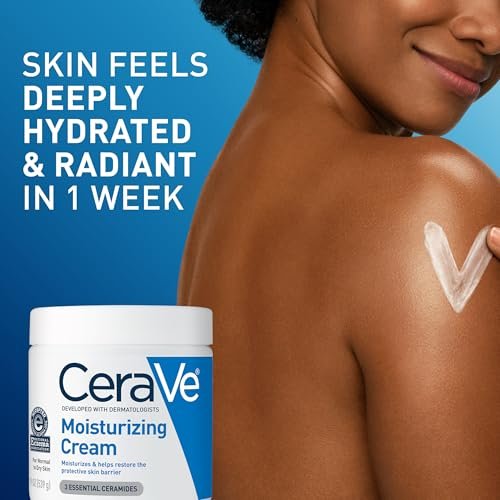
- Apply Your Moisturizer: Follow up with your regular hydrating moisturizer. This is your first key step in building a moisture barrier. Make sure to use a generous amount, focusing on areas prone to dryness.
- Wait for Absorption: Allow your moisturizer to sink into the skin for at least a minute, or until it feels absorbed rather than sitting heavily on the surface. This prevents pilling and ensures the sunscreen can form its protective layer effectively.
- Dispense Generous Sunscreen: Use an adequate amount of your chosen hydrating sunscreen. For the face, this is typically about a nickel-sized dollop. For the body, aim for a shot glass full.
- Gentle Application: Apply the sunscreen using gentle patting or sweeping motions. Avoid rubbing vigorously, which can irritate dry skin and disturb the moisturizer beneath. Ensure even coverage across all exposed areas.
- Reapplication: Remember to reapply sunscreen every two hours, or more frequently if you're sweating or swimming. For dry skin, consider a hydrating sunscreen spray for reapplication on the body, holding it at the correct distance to ensure even coverage and avoiding inhalation. This can be easier than rubbing in a thick cream when you're out and about.
Common Sunscreen Mistakes for Dry Skin
Even with the best intentions, some common mistakes can turn your sunscreen routine into a dryness-inducing ordeal. Being aware of these can help you avoid them.
- Skipping Moisturizer First: Relying solely on sunscreen to moisturize dry skin is often insufficient. Always start with a good moisturizer to prep your skin, as detailed in guides on what is the best moisturizer for dry skin?. The sunscreen then acts as the final layer of protection over a hydrated base.
- Using "Mattifying" Formulas: As mentioned, products designed to reduce shine are usually too drying for parched complexions. They work by absorbing oil, and on dry skin, they can absorb essential moisture too, leaving you feeling tight and uncomfortable.
- Ignoring Ingredients: Not checking the ingredient list is a big miss. Sunscreens with high alcohol content or harsh chemical filters can lead to irritation and further dryness. Prioritize formulas with ingredients like glycerin, hyaluronic acid, and ceramides.
- Not Reapplying: Even the most hydrating sunscreen needs reapplication to maintain its effectiveness. For dry skin, reapplying can also offer another opportunity to add a touch of moisture, especially if you use a hydrating formula for touch-ups.
- Using Expired Products: Sunscreens have expiration dates for a reason. Over time, the active ingredients can break down, making them less effective. An expired product won't provide adequate protection and might even be less stable, potentially causing irritation. Always check the date before use.
Frequently Asked Questions About Sunscreen and Dry Skin
What SPF level is best for dry skin?
For dry skin, aim for a broad-spectrum sunscreen with an SPF of 30 or higher. SPF 30 blocks about 97% of UVB rays, while SPF 50 blocks around 98%. Higher SPFs offer slightly more protection but consistent application and broad-spectrum coverage are most important.
Can mineral sunscreens be drying for dry skin?
Some mineral sunscreens, especially those with a very powdery finish, can feel a bit drying. However, many brands now formulate mineral sunscreens with moisturizing ingredients like hyaluronic acid, glycerin, and ceramides in a cream or lotion base, making them very suitable for dry skin. Look for those specific descriptions.
Should I apply sunscreen before or after moisturizer on dry skin?
It's generally best to apply sunscreen after your moisturizer. This allows your moisturizer to penetrate the skin and create a hydrated base. The sunscreen then sits on top to provide UV protection, and its occlusive properties can help seal in the moisturizer's benefits.
Are chemical sunscreens bad for dry skin?
Not necessarily. While some chemical filters can be irritating, many modern chemical sunscreens are formulated with hydrating ingredients to counteract dryness. The key is to check the full ingredient list and choose formulas that are free from high concentrations of drying alcohols and fragrances, and instead, include humectants and emollients.
Can I use facial oil instead of moisturizer before sunscreen?
Yes, in some cases. Facial oils can provide emollience and help seal in moisture. If you have dry skin and find an oil suits you well, you can apply it after your serum and before your sunscreen.
However, ensure the oil absorbs properly and doesn't leave a greasy layer that could affect sunscreen application or effectiveness. For some, a dedicated moisturizer is still preferred for balanced hydration.