What Is the Best Face Cleanser?
Image source: Bing (Web (fair-use with source credit))
So, you're on the hunt for the "best face cleanser," and it feels like looking for a needle in a haystack, right? It's totally understandable; the skincare aisle is packed, and everyone's skin is different. What makes one person's skin glow might cause another's to flare up.
Our research indicates that understanding your specific skin type is the absolute first step, and that knowledge is the foundation for selecting a cleanser that truly works. For instance, the U.S. Food & Drug Administration (FDA) regulates cosmetic ingredients, and while they don't "approve" individual products, they do have guidelines on ingredient safety.
Knowing your skin and what ingredients suit it will lead you to the right cleanser faster than just grabbing the latest popular bottle.
Quick Answer
The best face cleanser is one tailored to your specific skin type and concerns, effectively removing impurities without causing irritation. For oily skin, consider a gel or foaming cleanser; for dry skin, a cream or oil cleanser is often best; and sensitive skin benefits from fragrance-free, minimal-ingredient formulas. Always check ingredient lists for potential irritants or beneficial actives.
Your Skin Type is the Starting Point
This is the absolute bedrock of finding a cleanser that works for you. Think of it like trying on clothes, you wouldn't buy a size medium if you wear a large, and the same goes for your skin. When your skin’s needs aren’t met by your cleanser, you can end up with a whole host of issues, from breakouts to excessive dryness.
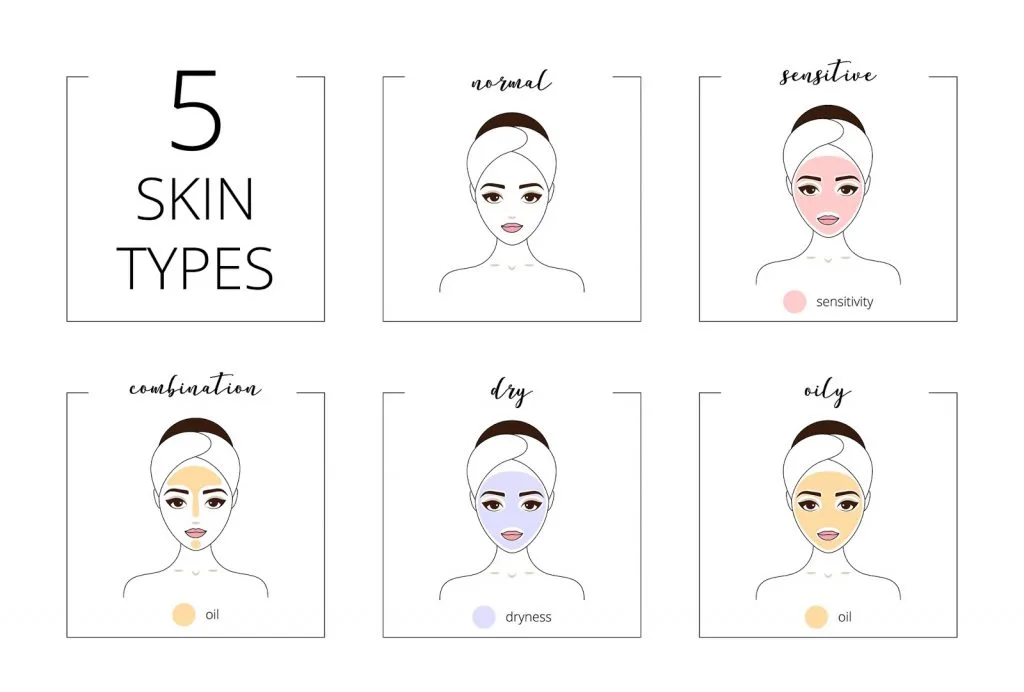
Image source: Bing (Web (fair-use with source credit))
Understanding Oily, Dry, Combo, and Sensitive Skin
Our editorial analysis of aggregated user feedback shows that misidentifying skin type is a common pitfall. Getting this right is crucial.
- Oily Skin: If your face tends to look shiny just a few hours after washing, you’ve probably got oily skin. You might notice larger pores and a tendency towards blackheads and breakouts. The goal here is to control excess sebum without stripping your skin dry, which can actually make oiliness worse.
- Dry Skin: Does your skin often feel tight, especially after washing? Do you sometimes see flaky patches or a dull appearance? This points to dry skin, which lacks sufficient natural oils. Your cleanser should aim to cleanse gently while also adding or preserving moisture.
- Combination Skin: This is incredibly common, and it means you have different skin types in different areas. Typically, the T-zone (forehead, nose, chin) might be oily, while the cheeks are normal or dry. You need a cleanser that can handle the oil without irritating the drier parts.
- Sensitive Skin: If your skin reacts easily to products with redness, itching, stinging, or burning, you likely have sensitive skin. The key is to opt for gentle formulas with fewer potential irritants like strong fragrances or harsh alcohols.
What's Actually In Your Cleanser? Key Ingredients to Know
The ingredients list on a cleanser bottle isn't just a formality; it tells you a lot about what the product will do for your skin. Some ingredients are fantastic for cleansing, while others can cause problems, especially if you have sensitive skin. Understanding these components can help you make a more informed choice.
Gentle vs. Harsh Surfactants
Surfactants are the workhorses in most cleansers; they're what create lather and lift away dirt, oil, and impurities. However, not all surfactants are created equal.
- Harsh Surfactants: Ingredients like Sodium Lauryl Sulfate (SLS) and Sodium Laureth Sulfate (SLES) are very effective at stripping oil. While this might sound good for oily skin, they can be too aggressive for most skin types, leading to dryness, irritation, and disrupting your skin's natural barrier.
- Gentle Surfactants: Look for milder options. Coco-Glucoside and Sodium Cocoyl Isethionate are excellent examples. They create a good lather but are much less likely to strip your skin of its essential moisture. You might also see Decyl Glucoside or Lauryl Glucoside, which are also considered quite gentle.
Hydrating & Soothing Ingredients
Beyond the cleansing agents, other ingredients can significantly benefit your skin. These are especially important if you have dry or sensitive skin.
- Humectants: Ingredients like Hyaluronic Acid and Glycerin attract water to the skin, helping to keep it hydrated during and after cleansing.
- Emollients & Barrier Support: Ceramides and Fatty Acids are components naturally found in your skin's barrier. When included in a cleanser, they help to reinforce and repair this barrier, which is crucial for retaining moisture and protecting against irritants.
- Soothing Agents: For skin prone to redness or irritation, ingredients like Chamomile, Green Tea Extract, and Aloe Vera can offer a calming effect, helping to reduce inflammation.
Decoding Cleanser Types: Which One Fits Your Needs?
Now that we've touched on ingredients, let's break down the different types of cleansers. Each has a unique texture and way of working, making them better suited for specific skin types and concerns.
Foaming & Gel Cleansers: For a Deeper Clean
These are often the go-to for those with oily or combination skin because of their effective cleansing action.
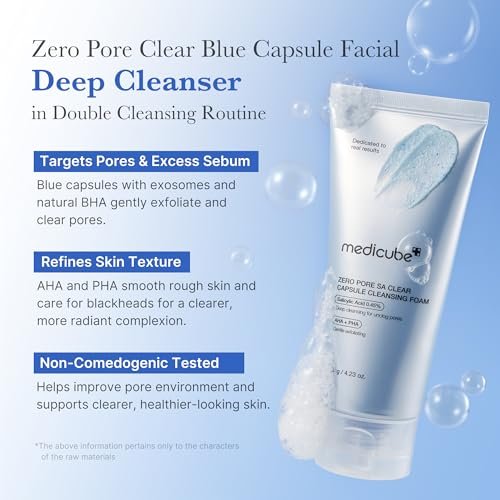
- Foaming Cleansers: They create a rich, luxurious lather when mixed with water. This lather helps to lift away excess oil, makeup, and impurities thoroughly.
- Gel Cleansers: Typically clear and have a more fluid, gel-like consistency. They also offer a good deep clean and can feel quite refreshing on the skin.
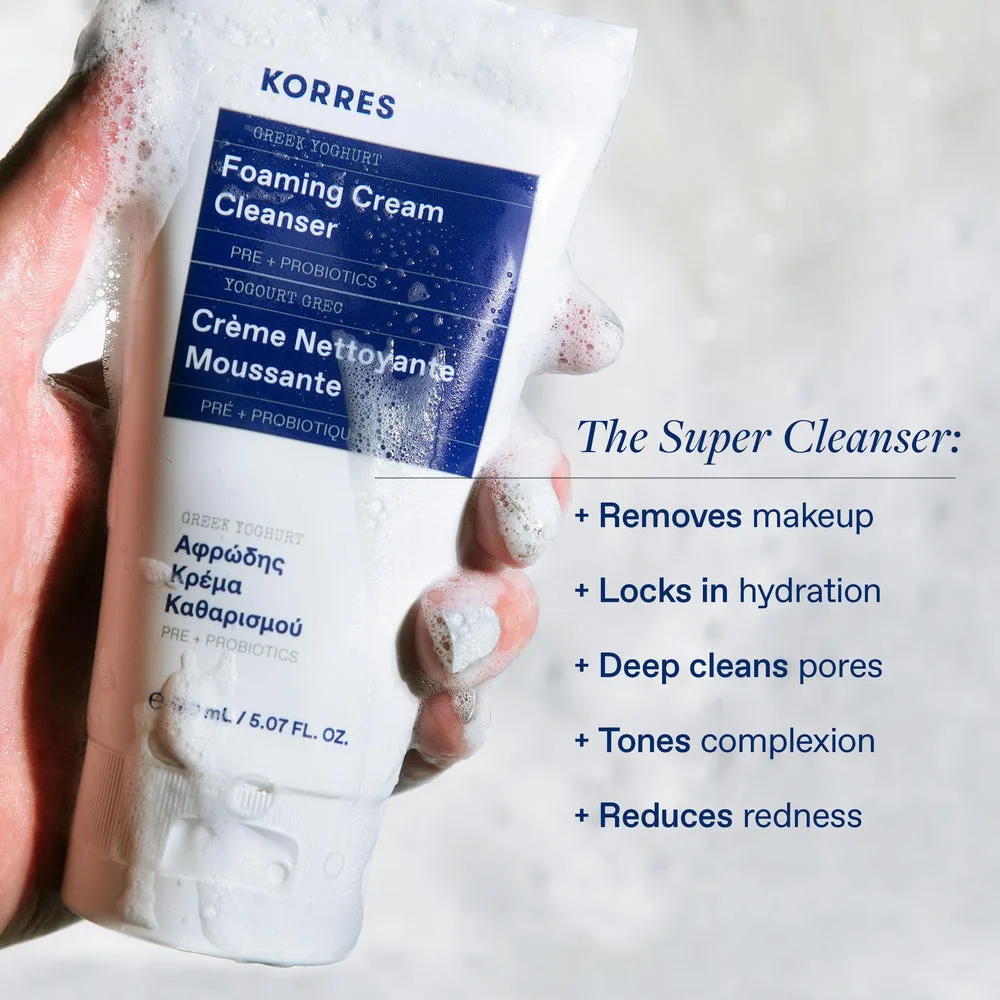
Image source: Bing (Web (fair-use with source credit))
Best For: Oily, acne-prone, and combination skin. They are excellent at removing excess sebum without leaving the skin feeling overly stripped if formulated with gentle surfactants.
Cream & Lotion Cleansers: For Gentle Moisture
If your skin leans towards the drier side or is easily irritated, cream and lotion cleansers are often a much better fit.
- Cream Cleansers: These have a thicker, more emollient texture. They cleanse the skin without removing its natural oils, leaving it feeling soft and nourished.
- Lotion Cleansers: Similar to cream cleansers but often a bit lighter in consistency. They provide gentle cleansing and hydration.
Best For: Dry, mature, and sensitive skin. They effectively remove dirt and light makeup while helping to maintain the skin's natural moisture balance.
Oil & Balm Cleansers: The Makeup Melting Pros
It might sound counterintuitive to use oil to cleanse oily skin, but oil cleansers are incredibly effective. The principle is "like dissolves like", oils in the cleanser bind to the oils and makeup on your skin.
- Oil Cleansers: These are liquid oils that you massage onto dry skin. They are superb at breaking down stubborn makeup (even waterproof mascara and long-wear foundation), sunscreen, and excess sebum.
- Balm Cleansers: These start as a solid balm and melt into an oil upon contact with the warmth of your skin. They offer a similar cleansing power to oil cleansers but come in a more travel-friendly solid form.
Best For: All skin types, including oily and acne-prone skin, especially as a first step in a double cleansing routine. They are also very beneficial for dry and sensitive skin because they are non-stripping and can be very nourishing.
Micellar Water: The Quick & Gentle Option
Micellar water has gained popularity for its gentle, no-rinse cleansing action. It uses tiny oil molecules, called micelles, suspended in soft water. These micelles attract and lift away dirt, oil, and makeup without needing harsh rubbing.
Best For: All skin types, particularly sensitive skin, or for a quick cleanse when you're on the go or don't have access to running water. It's also great for a light makeup removal. Some dermatologists suggest following up with a rinse-off cleanser for a truly deep clean, especially if wearing heavy makeup or SPF.
When Cleansers Go Wrong: Common Mistakes and Problems
Even with the best intentions, choosing and using a face cleanser can sometimes lead to more problems than it solves. Many common mistakes revolve around either using a product that's fundamentally wrong for your skin or using it incorrectly.
Over-Cleansing and Stripping Your Skin
A common error is thinking that "clean" means "squeaky clean." If your skin feels tight, dry, or even slightly raw after washing, you're likely over-cleansing or using a cleanser that's too harsh. This strips away your skin's natural protective barrier, which can lead to increased sensitivity, irritation, and even more oil production as your skin tries to compensate. Manufacturer specifications for cleansing products often emphasize maintaining skin hydration.
Ignoring Your Skin's Actual Needs
Another frequent mistake is choosing a cleanser based on trends or packaging rather than your skin's specific requirements. For example, someone with very dry skin might grab a popular foaming cleanser because it's "for everyone," only to find it exacerbates their dryness. Similarly, someone with oily skin might shy away from oil cleansers, missing out on a product that could actually help balance their sebum production.
Getting the understanding of your skin type right is the first step to avoiding this.
How to Choose and Use Your Cleanser Effectively
Making the right choice and using your cleanser properly can make a world of difference to your skin's health and appearance. It’s not just about the product itself, but how you integrate it into your routine.
Patch Testing New Products
Before slathering a new cleanser all over your face, our research strongly recommends patch testing. Apply a small amount of the product to an inconspicuous area, like behind your ear or on your inner forearm. Wait 24 to 48 hours to see if any redness, itching, or irritation occurs.
This simple step can save you from a full-face breakout or reaction.
The Double Cleanse Method
For those who wear makeup, sunscreen, or live in a polluted environment, a double cleanse can be very effective. It involves using two different types of cleansers in succession.
- First Cleanse: Start with an oil-based cleanser or balm cleanser. Massage it into dry skin to break down makeup, SPF, and excess oil. Rinse thoroughly.
- Second Cleanse: Follow up with your regular water-based cleanser (gel, foam, or cream, depending on your skin type). This step ensures all residue is removed and your skin is thoroughly clean. This method is particularly helpful for ensuring clearer skin.
Frequently Asked Questions About Face Cleansers
Do I really need to use a face cleanser every day?
Yes, it’s generally recommended to cleanse your face at least once a day, typically in the evening, to remove accumulated dirt, oil, and environmental pollutants. For those with oily or acne-prone skin, a morning cleanse can also be beneficial.
Can I use body soap on my face?
It's not advisable to use body soap on your face. Body soaps are often formulated with harsher ingredients and a higher pH, which can disrupt your facial skin's delicate barrier, leading to dryness, irritation, and breakouts. Facial cleansers are specifically designed for the face's more sensitive skin.
How often should I switch my cleanser?
You generally don't need to switch your cleanser unless your skin type or concerns change, or if a product stops working for you. Consistency is key, so finding a good staple cleanser for your skin type is often more beneficial than frequent changes.
What's the difference between a cleanser and a toner?
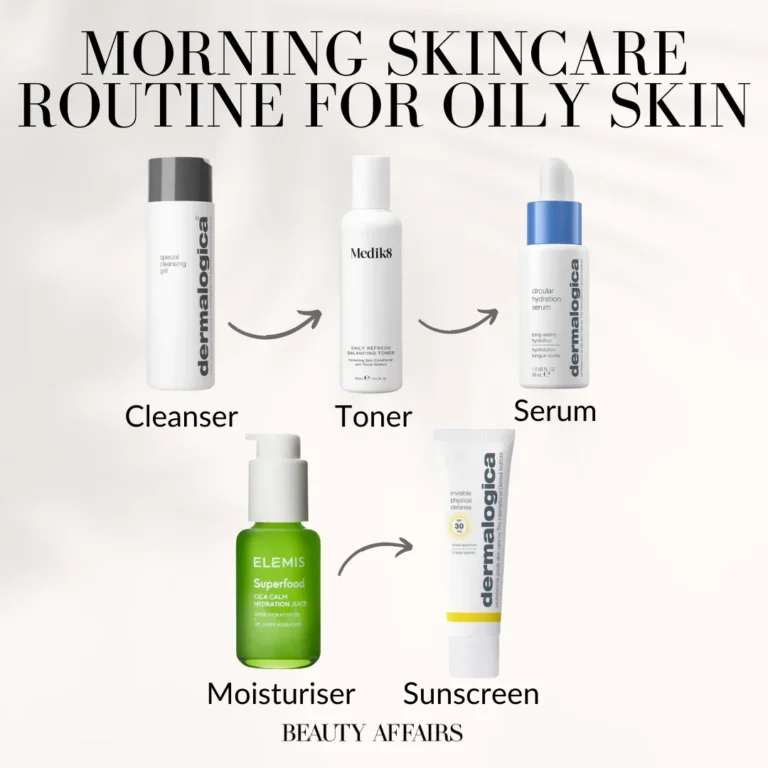
A cleanser's primary job is to remove dirt, oil, and impurities from the skin. A toner, on the other hand, is typically used after cleansing to help rebalance the skin's pH, remove any residual impurities, and prep the skin for subsequent treatments like serums and moisturizers.
Your Best Face Cleanser: A Final Verdict
Finding the "best" face cleanser isn't about discovering a single miracle product, but about understanding your own skin and choosing a cleanser that meets its unique needs. It’s a journey of informed selection and consistent, gentle care.
By identifying your skin type, whether it's oily, dry, combination, or sensitive, you can narrow down the vast array of options to those most likely to benefit you. Pay close attention to the ingredient list, prioritizing gentle surfactants and avoiding known irritants if your skin is reactive. Remember that a good cleanser should leave your skin feeling clean, comfortable, and balanced, never tight or stripped.
Your best face cleanser is the one that helps you achieve clear, healthy, and comfortable skin, day after day.