What Is the Best Facial Oil?
Figuring out the "best" facial oil can feel a bit overwhelming, with so many options out there promising glowing skin. The truth is, what works wonders for one person might not be ideal for another. Your unique skin type and concerns are the real secret to finding the perfect match.
In our research, we've found that the most effective approach involves understanding your skin's specific needs and then matching them with the properties of different oils. For instance, while many oils are rich in essential fatty acids, their molecular weight and absorption rates vary significantly, a fact confirmed by cosmetic science literature. Manufacturer specifications for common oils like squalane, for example, often highlight their non-comedogenic properties, rated typically at 0 or 1 on the comedogenic scale.
Quick Answer
The best facial oil is one that precisely matches your skin type and concerns, providing targeted benefits without causing issues like breakouts. For oily or acne-prone skin, lightweight oils like squalane or grapeseed are often recommended due to their non-comedogenic properties, typically rated 0-1. Dry or mature skin usually benefits from richer oils such as argan or rosehip seed oil, which offer deep hydration and nourishing vitamins.
Always patch-test new oils.
Understanding Your Skin Type: The First Step to the "Best" Facial Oil
Before you even glance at a bottle of facial oil, it's essential to get real about your skin. This is non-negotiable for choosing any skincare product, but especially for oils, which can have a pronounced effect. Think of your skin as having its own unique personality and needs.
- Oily Skin: If your face tends to look shiny a few hours after washing, and you frequently deal with breakouts, you likely have oily skin. The goal here is to find lightweight oils that won't feel heavy or clog your pores.
- Dry Skin: Does your skin often feel tight, look dull, or even show signs of flaking? You're probably in the dry skin camp. Richer, more emollient oils will be your best bet for providing much-needed hydration and comfort.
- Combination Skin: This is super common! You might have an oily T-zone (forehead, nose, chin) while your cheeks are normal or even dry. You'll need an oil that can balance these different needs without exacerbating any one area.
- Sensitive Skin: If your skin easily turns red, itchy, or irritated when trying new products, you're dealing with sensitivity. This means you'll need to be extra cautious, opting for gentle, hypoallergenic oils with minimal potential irritants.
- Normal Skin: Lucky you! If your skin is generally balanced, not overly oily, not excessively dry, and not prone to irritation, you have a broader range of oils that will likely work well.
Understanding these distinctions is the foundation for making an informed choice, ensuring the oil you select supports your skin's health rather than creating new problems.
Popular Facial Oils: What They Are and What They Do
Once you have a clear picture of your skin type, you can start exploring the amazing world of facial oils. Each oil brings its own unique set of benefits, derived from its specific fatty acid profile, vitamin content, and other active compounds. Our research indicates that the efficacy of a facial oil is directly tied to its inherent chemical composition and how well that aligns with common skin concerns.
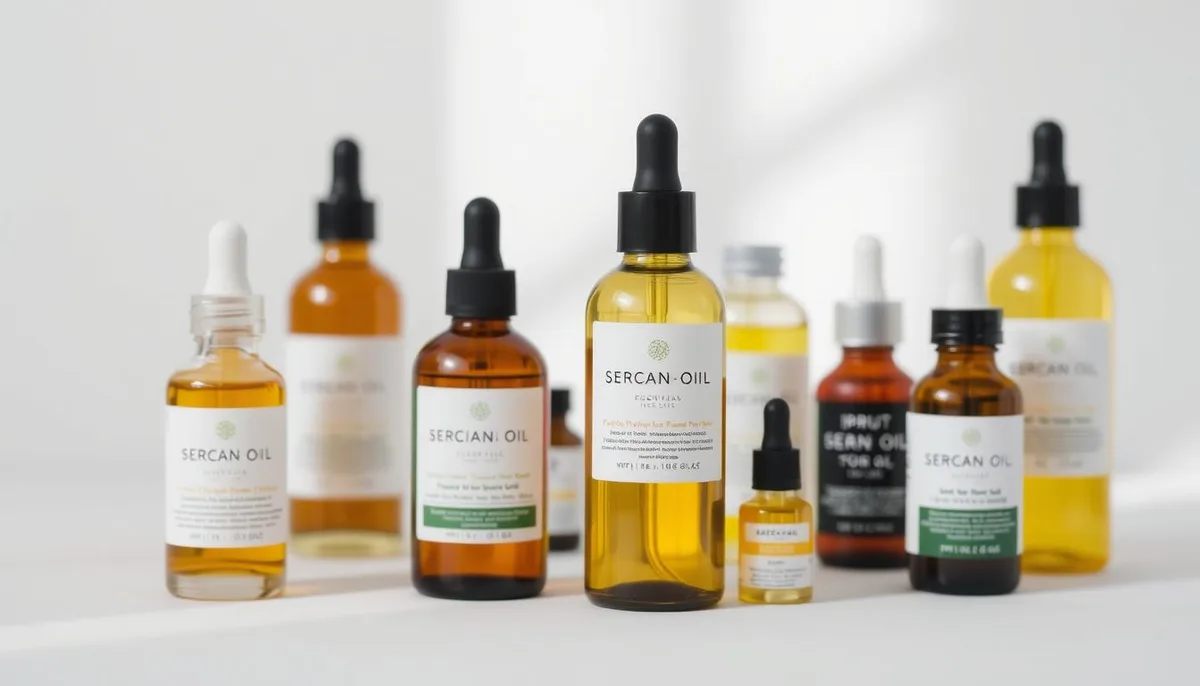
Image source: Bing (Web (fair-use with source credit))
Rosehip Seed Oil's Strengths
Rosehip seed oil is a powerhouse, especially for those concerned with signs of aging or uneven skin tone. It's naturally rich in vitamins A and C, as well as essential fatty acids like linoleic and linolenic acid.
- Key Benefits: It's known for its ability to help reduce the appearance of fine lines and wrinkles, improve skin texture and tone, and support the skin's natural repair processes. Many user reviews also report improvements in the visibility of scars and dark spots.
- Best For: Dry, mature, sensitive, and scarred skin types often find significant benefits from its nourishing and regenerative properties.

Image source: Bing (Web (fair-use with source credit))
Squalane Oil's Versatility
Squalane oil is a highly sought-after ingredient because it's remarkably similar to the natural oils (sebum) our skin produces. This makes it exceptionally well-tolerated by nearly everyone.
- Key Benefits: It's an excellent emollient that locks in moisture, helping to keep skin hydrated and supple. Crucially, it's also very lightweight and non-greasy, meaning it won't typically clog pores.
- Best For: All skin types, but it's particularly beneficial for oily and acne-prone skin because it helps balance oil production without adding heaviness.
Jojoba Oil for Balance
Jojoba oil is unique because it's technically a liquid wax ester, not a true triglyceride oil. This structural difference allows it to behave very much like our skin's natural sebum.
- Key Benefits: It effectively helps to moisturize the skin without leaving a greasy residue, and it has natural anti-inflammatory properties that can help calm irritation.
- Best For: All skin types, especially oily and combination skin, due to its sebum-balancing capabilities.
Other Top Contenders
- Argan Oil: Deeply moisturizing and rich in vitamin E, argan oil is fantastic for boosting skin elasticity and smoothness. It's a great choice for dry and normal skin.
- Marula Oil: Packed with antioxidants, marula oil is highly moisturizing and known for its ability to calm redness and soothe irritation, making it ideal for dry and sensitive complexions.
- Grapeseed Oil: This oil is very light with mild astringent properties. It can help minimize the appearance of pores and is often recommended for oily, combination, and acne-prone skin.
- Sweet Almond Oil: A gentle, moisturizing option that contains vitamin E. It's good for softening and soothing normal, dry, and sensitive skin.
How to Match Facial Oils to Your Specific Skin Needs
Choosing the right facial oil is about alignment, matching the oil's properties with what your skin needs. Cosmetic science literature confirms specific oils excel at addressing particular skin concerns. This section breaks down which oils are generally best suited for common skin profiles.
Oils for Oily and Acne-Prone Skin
If your skin tends to get shiny quickly or you're prone to breakouts, you need oils that are lightweight and won't clog your pores. The goal is to hydrate without adding excess oil that can lead to pimples. Look for oils with a low comedogenic rating, typically a 0 or 1 on a scale of 0 to 5, where 5 is most likely to clog pores.
- Squalane Oil: This is a top choice because it mimics your skin's natural sebum and is considered non-comedogenic. It hydrates effectively without feeling heavy.
- Grapeseed Oil: Known for its light texture and mild astringent properties, it can help minimize the appearance of pores. Aggregate user feedback often highlights its suitability for breakout-prone complexions.
- Jojoba Oil: Because it closely resembles natural sebum, it can help regulate your skin's oil production, preventing it from becoming overly greasy.
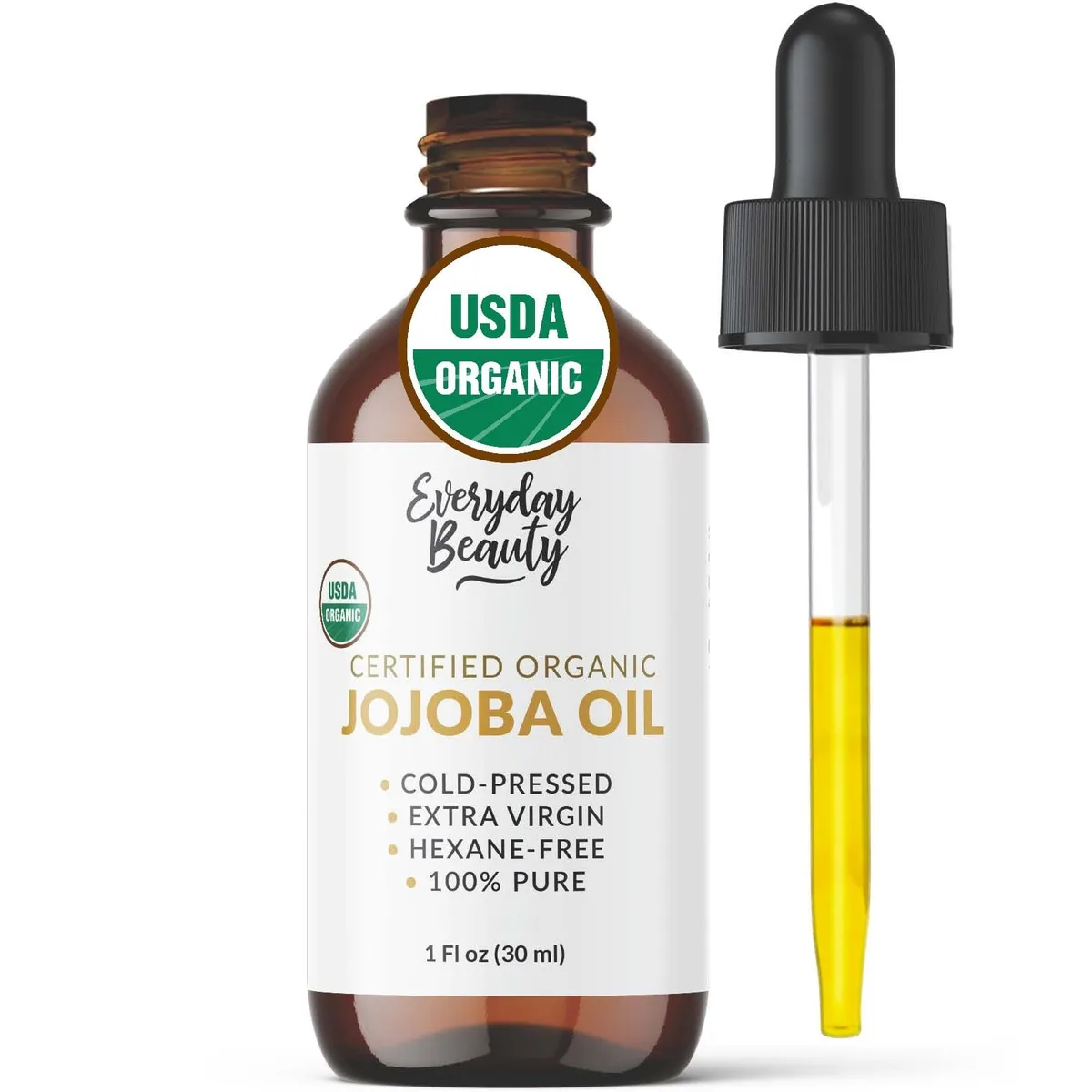
Image source: Bing (Web (fair-use with source credit))
Oils for Dry and Dehydrated Skin
For skin that feels tight, looks dull, or flakes, the priority is deep hydration and replenishment of the skin's lipid barrier. Richer oils provide essential fatty acids and nutrients that help lock in moisture and improve skin suppleness.
- Rosehip Seed Oil: Abundant in vitamins A and C and essential fatty acids, it helps to not only moisturize but also support skin regeneration, making it excellent for dryness and signs of aging.
- Argan Oil: This oil is deeply nourishing and rich in vitamin E, which is a powerful antioxidant. It’s praised for its ability to enhance skin elasticity and softness.
- Marula Oil: Its high concentration of antioxidants and fatty acids makes it intensely moisturizing and soothing, ideal for parched and sensitive skin.
Oils for Combination and Sensitive Skin
Navigating combination and sensitive skin requires a balanced approach. You need ingredients that can hydrate dry areas without overwhelming oily zones, and that are gentle enough to avoid irritation.
- Jojoba Oil: As mentioned, its ability to balance sebum makes it a solid choice for combination skin. It can help hydrate dry patches while regulating oilier areas.
- Squalane Oil: Its biocompatibility and light feel make it suitable for sensitive skin types who might react to heavier oils.
- Sweet Almond Oil: A milder option known for its soothing properties, it can provide gentle hydration without typically causing irritation, making it suitable for both sensitive and normal-to-dry areas.
For sensitive skin, always prioritize oils with fewer ingredients and avoid added fragrances or essential oils that can be potential irritants.
Step-by-Step Process: How to Integrate Facial Oil into Your Routine
Once you've selected a facial oil that seems like a good fit, knowing how to use it correctly is key to unlocking its benefits and avoiding potential issues. This process is designed to be straightforward, ensuring you can seamlessly add oil to your existing skincare regimen.
- Cleanse Your Face: Always start with a clean canvas. Wash your face with your usual cleanser to remove makeup, dirt, and impurities. This ensures that the oil you apply can penetrate effectively without interference from other products or debris.
- Apply Serums (Optional): If you use any treatment serums, apply them now. Wait a minute or two for them to absorb into your skin before moving to the next step.
- Dispense and Warm the Oil: Place 2-4 drops of your chosen facial oil into your palm. Gently rub your hands together to warm the oil; this helps it spread more easily and absorb better.
- Press Onto Skin: Lightly press the warmed oil onto your face and neck. Avoid rubbing vigorously. Focus on pressing the oil into your skin to encourage penetration.
- Allow to Absorb: Let the oil sink in for a minute or two. If your skin still feels very oily after this time, you may have used too much product. You can gently blot away any excess with a clean tissue.
- Follow with Moisturizer (Optional): Depending on your skin type and the oil you're using, you might follow up with your regular moisturizer or skip it altogether. For dry skin, a moisturizer can add an extra layer of hydration. Oily skin types might find the oil is enough.
This straightforward process ensures you're getting the most out of your facial oil, setting you up for a healthier complexion.
Common Mistakes to Avoid When Choosing and Using Facial Oils
Even with the best intentions, people often make mistakes that prevent them from getting the most out of facial oils, or worse, lead to skin issues. Being aware of these common missteps can save you time, money, and potential breakouts.
- Ignoring Your Skin Type: The biggest error is picking an oil based on popularity or a friend's recommendation without considering your own skin’s needs. Using a heavy oil on oily skin can lead to clogged pores, while a very light oil on dry skin might not provide enough hydration.
- Using Too Much Product: Overdoing it with facial oil can leave your skin feeling greasy, make-up apply poorly, and potentially lead to breakouts. A few drops are usually plenty.
- Skipping the Patch Test: For anyone with sensitive skin, or when trying a new oil, failing to patch test is a gamble. Reactions can range from mild redness to significant irritation. Always test on a small, discreet area (like behind the ear or on the jawline) for at least 24-48 hours before applying to your entire face. This is a critical step, especially when considering products with essential oils or known potential allergens.
- Applying to Wet Skin: While some skincare products benefit from being applied to damp skin to help with absorption, many oils are designed to create a barrier. Applying them to completely dry skin, or after your serum has fully dried, helps them seal in moisture more effectively.
- Storing Oils Improperly: Facial oils, especially those rich in unsaturated fatty acids, can degrade when exposed to light, heat, and air. This can cause them to go rancid, lose their efficacy, and even become irritating. Always store your oils in a cool, dark place, ideally in opaque or dark glass bottles, and keep the cap tightly closed.
Avoiding these common mistakes will help you find and use the right facial oil for healthier, happier skin.
Facial Oils vs. Other Skincare: Moisturizers and Serums
It's easy to get facial oils confused with moisturizers and serums, but they each play a distinct role in your skincare routine. Understanding these differences helps you build an effective regimen.
- Serums: These are typically water-based and formulated with highly concentrated active ingredients designed to target specific concerns like fine lines, dark spots, or hydration. They have a thinner consistency and are meant to penetrate deeply into the skin.
- Moisturizers: These are generally thicker creams or lotions. Their primary job is to hydrate the skin and help prevent water loss by creating a barrier on the skin's surface. They often contain a blend of humectants, emollients, and occlusives.
- Facial Oils: Oils are lipophilic (oil-loving) and are made up of fatty acids. They can penetrate the skin to varying degrees depending on their molecular structure. Their main function is to nourish the skin, provide lipids, and help seal in moisture, acting as both emollients and occlusives.
You can often use them together: a serum for targeted treatment, followed by a facial oil to lock in the serum's benefits and provide additional moisture. Some people with very oily skin might even use a facial oil instead of a traditional moisturizer, as lightweight oils can provide adequate hydration and barrier support without feeling heavy. The choice often comes down to personal preference and how your skin responds.
For instance, if you're seeking a lightweight, all-over hydration and balancing solution, squalane oil is a popular choice that works well on most skin types.
When Should You Use a Facial Oil? Key Scenarios
Deciding when to use a facial oil often depends on your skin's current condition and the time of day. While some people use them morning and night, others reserve them for specific moments when their skin needs a little extra help. As of 2026, dermatological advice consistently highlights that oils can supplement rather than replace core skincare steps.
- For Extra Hydration: If your skin feels dry, tight, or even a bit flaky, applying a few drops of a rich oil like argan or marula oil after your serum can make a noticeable difference. It helps to replenish lost moisture and reinforce the skin's natural barrier.
- To Boost Your Moisturizer: You can add a drop or two of your facial oil to your regular moisturizer to enhance its hydrating and nourishing properties. This is a simple way to upgrade your existing products without buying new ones.
- As a Primer for Makeup: Some lightweight oils can create a smooth base for makeup application, helping foundation glide on more evenly. However, this works best with non-comedogenic, fast-absorbing oils, and it's crucial to let the oil absorb fully before applying makeup.
- In Humid Climates: Surprisingly, even in humid weather, skin can sometimes feel dehydrated. A very light oil can help balance moisture levels without feeling heavy.
Conversely, if your skin is very oily or prone to breakouts, you might use facial oil less frequently, perhaps only a few times a week or in the evening, and stick to very light, non-comedogenic options.
Expert Tips for Finding and Using Your Perfect Facial Oil
Finding the right facial oil is a journey, and while personal experience plays a role, expert insights can significantly streamline the process. These tips are drawn from industry knowledge and a deep understanding of cosmetic ingredients.
- Read Ingredient Lists Carefully: Always look for pure oils without a lot of added fragrances or essential oils if you have sensitive skin. Many brands offer single-ingredient oils, which are excellent for pinpointing what works best for you. For instance, pure squalane is often listed simply as "Squalane."
- Consider the Source: While not always explicitly stated on the bottle, knowing if an oil is cold-pressed and unrefined can indicate higher quality. These methods often preserve more of the oil's beneficial nutrients and antioxidants. Manufacturer specifications for these types of processing are often available on their websites.
- Don't Be Afraid to Mix and Match: You don't have to stick to just one oil. You could use a lighter oil like grapeseed in the morning and a richer rosehip seed oil at night, depending on your skin's changing needs. This allows for a more customized approach to your skincare.
- Listen to Your Skin: Pay attention to how your skin feels and looks after consistent use. If an oil is causing breakouts, redness, or excessive oiliness, it's not the right fit for you. Don't hesitate to stop using it and try something else. Your skin will tell you what it likes.
- Storage is Key: To maintain the potency and freshness of your facial oils, store them in a cool, dark place, away from direct sunlight and heat. This helps prevent oxidation, which can degrade the oil and reduce its effectiveness. Some oils, especially those high in polyunsaturated fats, might even benefit from refrigeration.
By following these expert tips, you can navigate the world of facial oils with confidence and achieve the best possible results for your skin.
Frequently Asked Questions About Facial Oils
What's the difference between a face oil and a serum?
Serums are typically water-based and formulated with concentrated active ingredients for targeted treatment. Face oils are oil-based and composed of fatty acids, primarily functioning to nourish the skin and seal in moisture.
Can I use a facial oil if I have oily skin?
Yes, absolutely. Lightweight, non-comedogenic oils like squalane or grapeseed oil can help balance oil production and hydrate oily skin without causing breakouts.
How many drops of facial oil should I use?
Generally, 2 to 4 drops are sufficient for the entire face. Using too much can make your skin feel greasy and may not absorb properly.
Can I use facial oil and moisturizer together?
You can, especially if you have dry skin. Apply your serum first, then your facial oil, and finally your moisturizer to seal everything in. Some people with oily skin might use oil instead of moisturizer.
How often should I use a facial oil?
This depends on your skin type and the oil. You can use a light oil daily, while richer oils might be best used a few times a week or only at night. Always listen to your skin's response.