What Is the Best Body Lotion for Dry Skin?
When your skin feels tight, itchy, and looks visibly flaky, you're likely dealing with dry skin. Finding the right body lotion can feel like a treasure hunt, but it doesn't have to be a struggle. Our research shows that the best body lotion for dry skin effectively replenishes lost moisture and supports your skin’s natural barrier.
Understanding what your skin needs is key. For instance, the U.S. Food & Drug Administration (FDA) outlines that moisturizers work by slowing down water evaporation from the skin's surface.
Different ingredients achieve this in unique ways, and knowing them makes all the difference. We'll break down which components matter most and how to pick a winner.
Quick Answer
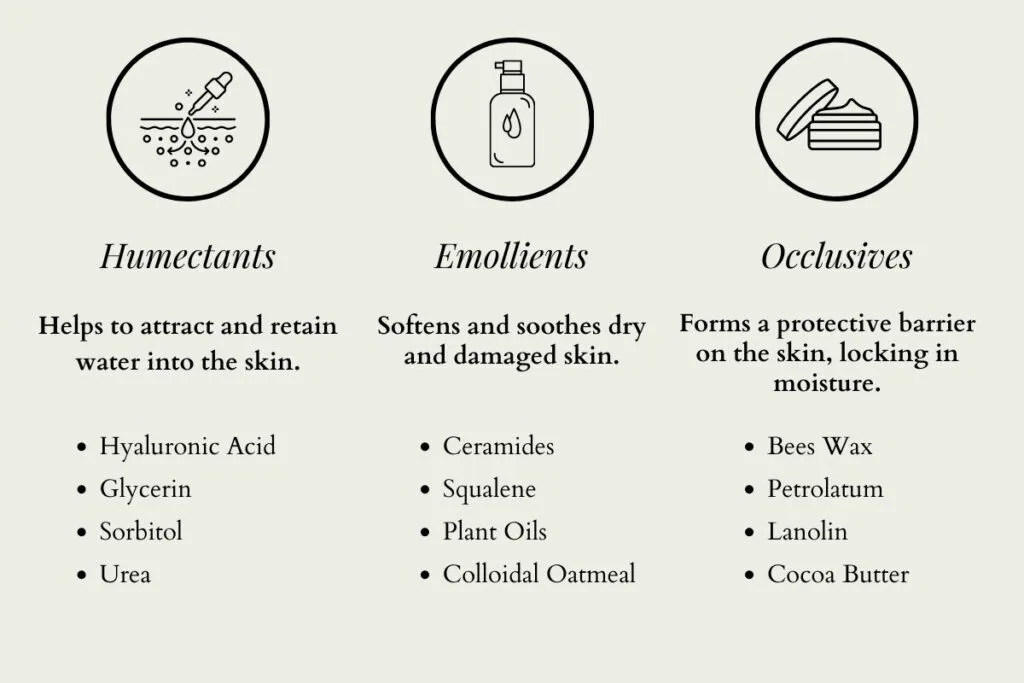
The best body lotion for dry skin contains ingredients like ceramides, hyaluronic acid, and glycerin. These humectants, emollients, and occlusives work together. They draw moisture in, smooth rough patches, and seal hydration.
Look for fragrance-free formulas if your skin is sensitive. As of 2026, these ingredients remain the gold standard for effective dry skin relief.
Understanding Dry Skin and What Your Lotion Needs to Do
Dry skin, scientifically known as xerosis, happens when your skin loses too much water and oil. This can lead to discomfort, irritation, and a compromised skin barrier. Your skin's outermost layer, the stratum corneum, is like a protective shield.
When it's dry, this shield weakens, making your skin more vulnerable to environmental irritants and even infections.
This condition isn't just about feeling uncomfortable; it can affect your skin's appearance and overall health. Flaking, redness, and a persistent tight sensation are common. The goal of a good body lotion for dry skin is to counteract this by adding moisture back and preventing further water loss.
Manufacturer specifications often highlight ingredients designed for intensive hydration and barrier repair.
Key Ingredients for Beating Dry Skin
The effectiveness of any body lotion for dry skin hinges on its ingredient list. Our research points to a few superstar components that consistently deliver results by addressing the core issues of dryness. Think of these as your essential toolkit for restoring comfort and health to parched skin.
Humectants: Drawing Moisture In
Humectants are like tiny magnets for water. They pull moisture from the deeper layers of your skin and from the environment into your skin's surface. This plumps up the skin and provides immediate hydration.
You’ll often see ingredients like:
- Hyaluronic Acid: This powerful molecule can hold up to 1,000 times its weight in water. It’s a go-to for intense hydration and giving skin a dewy look.
- Glycerin: A common and effective humectant, glycerin is known for its ability to improve skin hydration and barrier function.
- Urea: At lower concentrations, urea acts as a humectant, helping to draw water into the skin.
Emollients: Smoothing and Softening
Emollients are the smootheners of the skincare world. They fill in the gaps between skin cells, creating a smoother, softer surface. They also help to soften dry, flaky skin, making it more pliable and comfortable.
Key emollients include:
- Ceramides: These are lipids naturally found in your skin’s barrier. Replenishing ceramides is crucial for repairing and strengthening a dry, compromised skin barrier. They are vital for keeping moisture locked in.
- Fatty Acids and Cholesterol: These natural components of your skin barrier work alongside ceramides to maintain its integrity.
- Shea Butter and Cocoa Butter: Rich in fatty acids, these natural butters are excellent emollients that also provide some moisturizing benefits.
Occlusives: Sealing It All In
Once you've drawn moisture into your skin with humectants and smoothed it with emollients, occlusives are essential for keeping it there. These ingredients form a protective layer on the skin's surface to prevent water from evaporating. They act like a seal.
- Petrolatum (Petroleum Jelly): One of the most effective occlusives available, it forms a strong barrier against water loss.
- Dimethicone: A type of silicone, dimethicone is a popular occlusive that provides a smooth feel and helps seal in moisture without feeling overly heavy.
- Mineral Oil: Another effective occlusive that helps create a barrier to reduce transepidermal water loss.
Evaluating Body Lotions: What to Look For
With so many lotions on the market, knowing what to look for can cut through the confusion. For dry skin, the focus should always be on hydration, barrier support, and minimal irritation. Ingredients are paramount, but so are the 'extras' that can make or break a product's suitability for your skin's unique needs.
Fragrance-Free vs. Scented
This is a big one, especially if your dry skin also tends to be sensitive or easily irritated. Fragrances, whether natural or synthetic, are a common culprit for causing redness, itching, and stinging. For dry, compromised skin, it’s often best to err on the side of caution.
- Fragrance-Free: This means no added perfumes or masking fragrances. It’s the safest bet for most people with dry or sensitive skin.
- Unscented: This can be misleading. A product labeled "unscented" might contain masking fragrances that neutralize a product's natural odor, but the fragrance chemicals are still present.
Aggregated reviews often highlight that fragrance-free formulas are preferred by users experiencing discomfort. If you love a nice scent, consider applying a fragrance-free lotion first and then a lightly scented body oil or mist on top, once the initial hydration has absorbed.
Hypoallergenic and Dermatologist-Tested
These labels can offer some reassurance, though they aren't ironclad guarantees.
- Hypoallergenic: This generally means the product is formulated to minimize the risk of allergic reactions. However, there's no official regulatory standard for this claim, so it's still wise to check the ingredient list.
- Dermatologist-Tested: This indicates the product has undergone testing by dermatologists, but it doesn't always mean it was tested for efficacy on dry skin or that it's guaranteed to be suitable for everyone.
While not foolproof, these labels can be helpful indicators when you’re navigating a crowded aisle. Always remember that individual reactions can vary greatly. What works for one person might not work for another.
Texture and Absorption
The feel of a lotion on your skin is a significant factor in whether you'll actually use it consistently. For dry skin, you typically want something richer than a light daily lotion.
- Creams and Balms: These are generally thicker than lotions and contain a higher oil or butter content. They provide more intense moisturization and are excellent for very dry or rough patches.
- Lotions: Lotions have a higher water content, making them lighter and easier to spread. They can be good for mild dryness or for use in warmer climates, but may require more frequent application for severe dryness.
- Absorption Rate: Consider how quickly the product sinks into your skin. If you prefer not to feel greasy, look for lotions that absorb relatively quickly, often those containing silicones like dimethicone, while still providing sufficient hydration. Some high-quality options offer deep hydration without leaving a heavy residue.
Top Lotion Options for Different Dry Skin Needs
Navigating the world of body lotions means understanding that "dry skin" can present in various ways, and so can the solutions. A lotion that’s perfect for someone with mild flakiness might not be enough for extremely dry, chapped skin. We've broken down some effective options based on common dry skin concerns.
For Everyday Hydration
If you experience mild to moderate dryness, or want to maintain your skin’s comfort on a daily basis, you're looking for a solid all-rounder. These lotions provide a good balance of hydration without feeling too heavy for regular use. They often contain a blend of humectants and emollients to keep your skin soft and supple throughout the day.
- Key Ingredients to Look For: Glycerin, Hyaluronic Acid, Ceramides, Dimethicone.
- What to Expect: A smooth, non-greasy feel that absorbs fairly quickly, offering sustained moisture. These are ideal for post-shower application to lock in hydration.
- When to Use: Daily, especially after bathing or showering, to maintain skin’s moisture balance.
For Very Dry, Flaky Skin
When your skin feels constantly tight, sheds visible flakes, or even cracks, you need something more robust. These are often labeled as "intense," "healing," or "barrier repair" formulas. They typically have a thicker consistency, more akin to a cream or balm, and a higher concentration of occlusive and emollient ingredients to truly seal in moisture and repair the skin barrier.
- Key Ingredients to Look For: Petrolatum, Shea Butter, higher concentrations of Ceramides, Fatty Acids.
- What to Expect: A richer, thicker texture that may take a bit longer to absorb, but provides a protective layer that lasts. You might notice a slightly waxy or oily feel, which is the occlusive action at work.
- When to Use: Especially beneficial at night, or on areas prone to extreme dryness like elbows, knees, and heels. Daily use can significantly improve severely dry skin over time.
For Sensitive, Irritated Skin
Dry skin often goes hand-in-hand with sensitivity. If your skin flares up easily with redness, itching, or stinging, the lotion you choose needs to be exceptionally gentle. The primary goal here is to soothe irritation while providing necessary moisture without introducing new problems.
- Key Ingredients to Look For: Fragrance-free formulas are a must. Look for soothing ingredients like colloidal oatmeal, allantoin, or centella asiatica. Ceramides are also excellent for rebuilding a compromised barrier. Avoid potential irritants like alcohol, strong essential oils, and artificial dyes.
- What to Expect: A gentle formula that calms the skin. The texture can range from a light cream to a richer balm, but the focus is on bland, soothing ingredients.
- When to Use: Whenever your skin feels dry or irritated. Consistent use can help reduce the frequency and severity of flare-ups.
When to Consider Alternatives to Body Lotion
While body lotions are fantastic staples for managing dry skin, sometimes you might need to explore other options to complement your routine or address specific concerns. It's not always about replacing lotions entirely, but rather understanding what else is out there and when it might be a better fit.
Body creams and balms, for example, are essentially heavier versions of lotions. They have a higher percentage of oil or butter and a lower water content, making them more potent for intense dryness. If your skin is extremely parched, especially during harsh winter months or if you have conditions like eczema, a cream or balm might offer superior, longer-lasting relief than a standard lotion.
Body oils are another excellent alternative or addition. These are typically 100% oil-based and can be incredibly effective at softening skin and creating a barrier against moisture loss. You can use them on their own after a shower, or mix a few drops into your regular lotion for an extra boost of emollience.
Oils like jojoba, almond, or argan oil are rich in fatty acids and can help replenish the skin’s natural lipid layer.
Finally, for localized, very rough patches like cracked heels or extremely dry elbows, dedicated treatments like petroleum jelly or thick ointments can be the most effective solution. These are highly occlusive and work to create a strong seal, allowing the skin to heal and rehydrate undisturbed. Think of these as targeted treatments for areas that need a bit more intensive care than a general-purpose body lotion can provide.
Common Mistakes When Treating Dry Skin
Even with the best intentions, treating dry skin can sometimes backfire if you fall into common traps. Understanding these pitfalls can help you refine your approach and get better results. Our analysis of user feedback and dermatological advice highlights a few key areas where people often go wrong.
- Over-washing or Using Harsh Soaps: Every time you wash your skin, especially with hot water and harsh cleansers, you strip away its natural oils. This exacerbates dryness. Opt for lukewarm water and gentle, fragrance-free body washes or cleansing oils.
- Skipping Moisturizer Post-Shower: Your skin is most receptive to moisture right after bathing when it’s damp. Applying lotion within a few minutes of showering helps trap that residual water, making the moisturizer more effective. Letting your skin air dry completely before applying lotion can reduce its efficacy.
- Using Products with Irritating Ingredients: As we've discussed, fragrances, dyes, and certain alcohols can be major irritants for dry and sensitive skin. Even if a lotion has great hydrating ingredients, a single irritant can undo all the good. Always check labels carefully.
- Not Reapplying Enough: For very dry skin, a single application of lotion per day might not be enough. Listen to your skin. If it feels tight or uncomfortable between applications, reapply your moisturizer. This is particularly true in dry climates or during winter when environmental factors increase moisture loss.
- Ignoring Underlying Conditions: Persistent, severe dryness or itchiness that doesn't improve with over-the-counter products might indicate an underlying skin condition like eczema or psoriasis. Continuing to treat it solely with general moisturizers might not be sufficient and could delay proper diagnosis and treatment.
Frequently Asked Questions About Dry Skin Lotions
How often should I apply body lotion for dry skin?
For most people with dry skin, applying lotion at least once a day, ideally after showering, is recommended. If your skin feels particularly dry or tight throughout the day, don't hesitate to reapply. Consistency is key to maintaining skin hydration and barrier function.
Can I use a face moisturizer on my body?
While you can, it’s generally not the most effective or economical choice. Face moisturizers are often formulated with specific ingredients for facial skin concerns and may not provide the same level of intense hydration or barrier repair needed for the larger surface area of the body. Conversely, body lotions might be too heavy or contain ingredients unsuitable for the face.
What’s the difference between a lotion and a cream for dry skin?
Lotions typically have a higher water content, making them lighter and easier to spread, suitable for mild to moderate dryness. Creams have less water and more oil or butter, giving them a thicker texture for more intensive moisturization and better sealing of hydration. For severe dryness, creams often provide more sustained relief.
Should I worry about mineral oil in body lotions?
Mineral oil is a highly effective occlusive ingredient that helps prevent water loss from the skin. It's been used in skincare for decades and is considered safe and non-irritating by many dermatological organizations. If your skin is very dry and needs a strong barrier, a lotion containing mineral oil can be very beneficial.
What does "non-comedogenic" mean for body lotion?
"Non-comedogenic" means a product is formulated not to clog pores. While this is more critical for facial skincare, it can still be relevant for body lotions, especially if you’re prone to breakouts on your chest, back, or arms. For dry skin, prioritizing hydrating and barrier-repairing ingredients is usually more important than solely seeking a non-comedogenic label, unless you also have acne concerns.
Your Best Bet for Smoother, Hydrated Skin
Ultimately, finding the best body lotion for your dry skin is about understanding your skin's specific needs and learning to read ingredient labels. Prioritize formulas rich in humectants like hyaluronic acid and glycerin, emollients like ceramides and shea butter, and occlusives such as petrolatum. Always opt for fragrance-free options if sensitivity is a concern, and remember that consistency is your greatest ally.
Paying attention to texture and absorption helps ensure you'll actually enjoy using the product daily. Don't be afraid to experiment with creams or balms for extra-dry areas or times of year. And if you suspect an underlying skin condition, consulting a dermatologist is always the wisest step for tailored advice and treatment.