How To Replace A Foot Massager Power Cord: Easy Guide
A damaged foot massager power cord can usually be replaced safely with the right part, tools, and care.
A foot massager is supposed to help you relax, not stress you out with a dead cord or a loose connection. I’ve worked through this kind of repair many times, and the good news is that replacing a foot massager power cord is often very doable if you match the correct replacement, follow basic electrical safety, and check the device before plugging it back in. In this guide, I’ll walk you through the full process in a simple, practical way so you can decide whether to replace the cord yourself or call in a pro.
Why the foot massager power cord fails
A foot massager power cord can stop working for a few common reasons. Sometimes the outer jacket cracks from bending, heat, or age. Other times the damage is hidden inside the wire, so the cord looks fine but the power cuts in and out.
Here are the most common causes:
• Repeated bending near the plug or the machine
• Pinched cord from moving furniture or storage
• Internal wire break from normal wear
• Loose connection at the adapter or device port
• Heat damage from poor ventilation or faulty parts
• Liquid exposure from spills, damp floors, or cleaning sprays
In my experience, the area closest to the plug or strain relief is the usual weak spot. That’s where the cord gets tugged the most, almost like a paperclip that keeps being bent in the same place until it gives up.
Before you replace a foot massager power cord
Before you replace a foot massager power cord, make sure the cord is truly the problem. A dead unit can also come from a blown fuse, a damaged outlet, a failed adapter, or a switch issue inside the machine.
Check these first:
• Try a different wall outlet
• Inspect the plug and cord for cuts, kinks, or scorch marks
• Wiggle the cord gently near the plug while the unit is on, if safe to do so
• Look for a loose DC barrel connector or detachable adapter
• Check whether the foot massager has a reset button or fuse
If the foot massager smells burnt, sparks, trips the breaker, or gets hot fast, stop there. That usually means the problem is bigger than the cord, and the safest move is to replace the unit or have a technician inspect it.

Tools and parts you may need
To replace a foot massager power cord cleanly, gather everything first. A little prep saves a lot of frustration later.
Common tools and supplies include:
• Replacement power cord or adapter that matches the original specs
• Screwdrivers, usually Phillips and sometimes flathead
• Wire cutters and wire strippers
• Electrical tape or heat shrink tubing
• Multimeter for testing voltage and continuity
• Small needle-nose pliers
• Cable ties for strain relief
• Safety gloves if you want extra protection
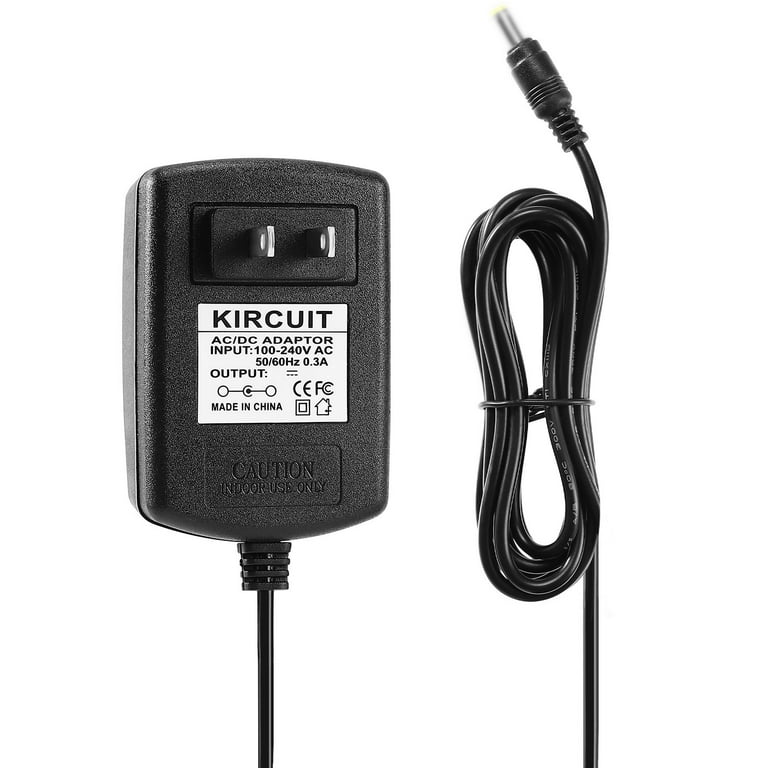
The most important part is the replacement cord. Match the voltage, current, polarity, connector size, and plug type exactly. If your foot massager uses an external power adapter, you may need to replace the adapter rather than the cord itself.
How to identify the correct replacement cord
Getting the right replacement is the heart of the job. A foot massager power cord is not one-size-fits-all. Using the wrong cord can damage the motor, the control board, or the heating element.
Check the label on the device and the original adapter. You are looking for:
• Input and output voltage
• Amperage or wattage rating
• Connector shape and size
• Polarity for DC adapters, usually center positive or center negative
• UL, ETL, or other safety certification marks when possible
If the old cord is worn out, take a clear photo of the label before tossing anything. I’ve seen people buy the wrong replacement because they guessed from the plug shape alone. That’s like buying shoes based only on color and hoping they fit.
Safety steps before you start
Safety matters more than speed when you replace a foot massager power cord. These devices often combine motors, heat, and low-voltage electronics, so a rushed repair can create a shock or fire risk.
Follow these safety steps:
• Unplug the device from the wall before opening anything
• Wait a few minutes if the device has a capacitor or heated parts
• Work on a clean, dry surface
• Keep water away from the repair area
• Do not repair a cord with exposed copper using only tape if the damage is severe
• Do not use a cord with melted insulation or scorch marks
If the foot massager is still under warranty, opening it may void coverage. That is worth checking before you begin.
How to replace a foot massager power cord step by step
Replacing a foot massager power cord usually follows a simple repair flow. The exact design may vary, but the basic process stays similar.
1. Unplug and inspect the device
Start with the power completely disconnected. Look closely at where the cord enters the device and where it connects inside. Many foot massagers use screws on the bottom panel or near the base.
If the cord is detachable, the repair may be as simple as swapping in a new adapter. If it is hardwired, you’ll need to open the housing and reconnect the wires.
2. Open the housing carefully
Use the correct screwdriver and remove the screws in a small dish so they do not vanish into the carpet. Lift the cover slowly. Some covers clip in place, so do not force anything.
Take photos before disconnecting wires. That one habit has saved me more than once when a repair looked simple at first and then turned into a small puzzle.
3. Disconnect the old cord
Find where the old cord attaches. It may be held by screws, solder joints, push terminals, or a plug connector.
• If the wires use terminal blocks, loosen the screws and pull the wire free
• If the wires are soldered, note the exact positions before removing them
• If the cord has a connector, gently unplug it without pulling on the wires
Look for signs of heat damage around the connection point. If the plastic is browned or brittle, the connection may have overheated and need more than a new cord.
4. Remove the damaged cord
Once the old cord is disconnected, remove it from the strain relief or cord clamp. This part matters because strain relief keeps the cable from pulling loose the next time someone nudges the machine.
If the cord opening is tight, make sure the new cord fits securely before you reassemble anything. A loose cord entry is a common mistake and can lead to another failure later.
5. Install the new power cord
Feed the new cord through the same path as the old one. Connect the wires exactly as they were before. If the device uses polarity-sensitive DC power, double-check the positive and negative leads before tightening anything.
Use proper insulation on exposed joints:
• Heat shrink tubing is best when space allows
• Electrical tape can work for low-risk internal wire wraps, but it should not be the only layer if the fit is loose
• Wire nuts are usually not ideal inside compact appliances unless the design supports them
Keep the wires neat and away from moving parts. A tidy repair is not just prettier; it helps prevent future wear.
6. Secure the strain relief
This is a step many people skip, and it causes trouble later. The cord should not pull directly on the electrical connection.
Make sure the cord clamp, grommet, or strain relief grips the outer jacket firmly. If the strain relief is broken, replace it. A cord without strain relief is like a backpack with one loose strap. It may hold for now, but it won’t last.
7. Reassemble the foot massager
Put the housing back together slowly and make sure no wires are pinched. Tighten the screws evenly, but do not overtighten and crack the plastic.
Before plugging the unit into the wall, do one last visual check:
• No exposed copper
• No loose connectors
• No trapped wires
• No missing screws
• No damaged insulation near the entry point
8. Test the repair
Plug the foot massager into a protected outlet and test it briefly. If possible, use a surge protector or a GFCI outlet for added safety.
Watch for:
• Normal startup
• No smell of burning plastic
• No sparks or popping sounds
• Stable power without cutting out
• Smooth operation of massage and heat functions
If anything seems off, unplug it right away and recheck your work.

When to replace the adapter instead of the cord
Sometimes people say they need to replace a foot massager power cord when the real issue is the power adapter. That external brick or transformer may be the part that failed, not the cable itself.
Replace the adapter if:
• The cord is fine but the output voltage is wrong
• The adapter feels unusually hot
• The power light flickers even with a good cable
• The label shows visible damage or a burnt smell
• The device uses a removable AC/DC adapter
This is especially common with modern foot massagers that run on low-voltage DC. In those cases, replacing the right adapter is safer and easier than opening the device body.
Common mistakes to avoid
I’ve seen a few repair mistakes repeat over and over. Most of them are easy to prevent if you slow down.
Avoid these errors:
• Buying a cord based only on plug shape
• Ignoring voltage and polarity
• Using weak electrical tape where proper insulation is needed
• Forgetting strain relief
• Reassembling the unit with pinched wires
• Testing the device before checking all connections
A small mismatch can cause big trouble. Even if the plug fits, the electrical specs still have to match.
Is it worth repairing a foot massager power cord?
In many cases, yes. Replacing a foot massager power cord is often cheaper than buying a new machine, especially if the foot massager is otherwise in good condition.
Repair makes sense when:
• The device is still mechanically sound
• Replacement parts are easy to find
• The model is expensive or high quality
• The repair cost is much lower than a new unit
It may not be worth repairing if:
• The device has major internal damage
• The unit has water damage or burn marks
• Replacement parts are unavailable
• The foot massager is very low cost and old
From a practical point of view, I usually weigh repair time against replacement cost. If the foot massager is a trusted model and the fix is straightforward, repair is often the smarter choice.
How to tell if the repair worked
A good repair should feel boring, in the best way. The unit should power on normally, stay stable, and not show signs of heat or odor.
After you replace a foot massager power cord, check for:
• Reliable startup every time
• No flickering or power loss
• No unusual buzzing from the adapter
• No warm or hot spots near the cord entry
• No looseness at the plug or connector
If the cord gets hot during use, stop using the machine. Heat is a warning sign, not a feature.
Frequently Asked Questions
Can I replace a foot massager power cord myself?
Yes, if the cord is detachable or the wiring is simple and you feel comfortable working safely. If the unit has internal damage, soldered connections, or high-voltage parts, a professional repair is safer.
How do I know which replacement cord to buy?
Match the voltage, amperage, connector type, and polarity from the original label or adapter. If any of those details do not match, the new cord may not work correctly or could damage the device.
What if the cord is only partly damaged?
If the outer jacket is nicked but the copper is not exposed, you may be able to insulate it temporarily, but replacement is better for long-term safety. If wires are exposed, frayed, or warm during use, replace the cord right away.
Why does my foot massager turn on and off when I move the cord?
That usually points to a broken wire inside the cord or a loose connection at the plug or device port. This is one of the clearest signs that you need to replace a foot massager power cord or repair the connector.
Is it safe to use electrical tape on a damaged cord?
Electrical tape can help with minor insulation, but it is not a full fix for a damaged power cord. If the wire is cracked, frayed, or overheated, replace the cord instead of relying on tape.
What if my foot massager still does not work after replacing the cord?
Then the problem may be inside the unit, such as a fuse, switch, control board, or motor issue. At that point, a multimeter test or professional inspection can help identify the real failure.
Conclusion
Replacing a foot massager power cord is often a simple, practical repair when you match the right part and work carefully. The biggest keys are safety, correct voltage and polarity, and proper strain relief so the new cord lasts.
If your foot massager is otherwise in good shape, this fix can bring it back to life without spending money on a new machine. Take your time, double-check the specs, and trust the warning signs if anything looks burned, loose, or unsafe. If you found this guide helpful, explore more repair tips or leave a comment with your model and problem so you can make the next step with confidence.