How To Maintain A Massage Chair: Essential Care Tips
How to maintain a massage chair: clean it often, inspect moving parts, and follow the maker’s care instructions.
A massage chair can offer years of comfort, but it needs simple care to stay safe, quiet, and smooth. I have seen how dust, skin oils, loose cables, and poor placement can shorten a chair’s life. This guide explains how to maintain a massage chair with easy steps, common mistakes to avoid, and practical tips that fit real home use.
Why Regular Massage Chair Maintenance Matters
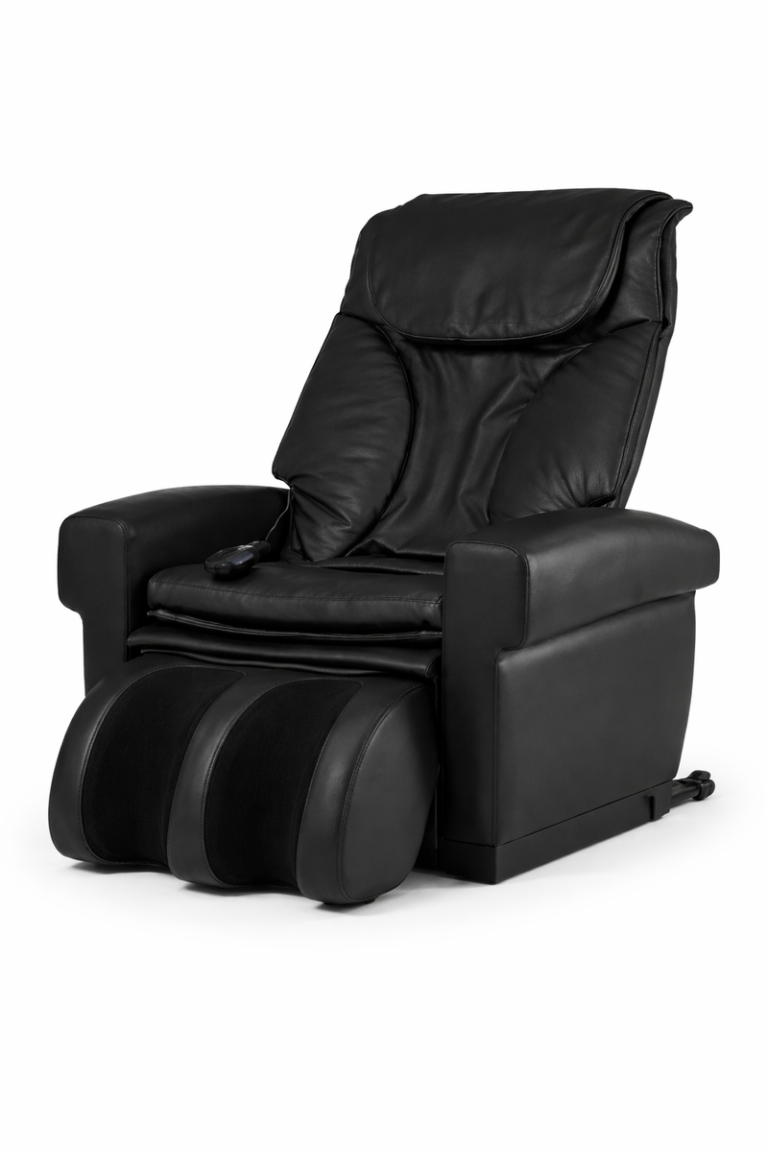
A massage chair has many working parts. These may include rollers, air bags, motors, sensors, heating pads, tracks, and a control system. Like a car, the chair may look fine while small problems grow inside.
Learning how to maintain a massage chair can help you:
• Reduce dust and dirt buildup
• Keep the upholstery clean and fresh
• Protect the rollers and air bags
• Prevent loose wires and power issues
• Reduce noise and uneven movement
• Extend the chair’s useful life
• Keep the massage safe and comfortable
A clean chair also feels better. Sweat, lotions, pet hair, and crumbs can collect in seams and gaps. Over time, this dirt may affect the fabric, leather, or synthetic leather.
The goal is not to take the chair apart every month. Most care is simple. Think of it as brushing your teeth: small, regular steps are better than one large repair later.
Read the Manual Before You Clean or Repair
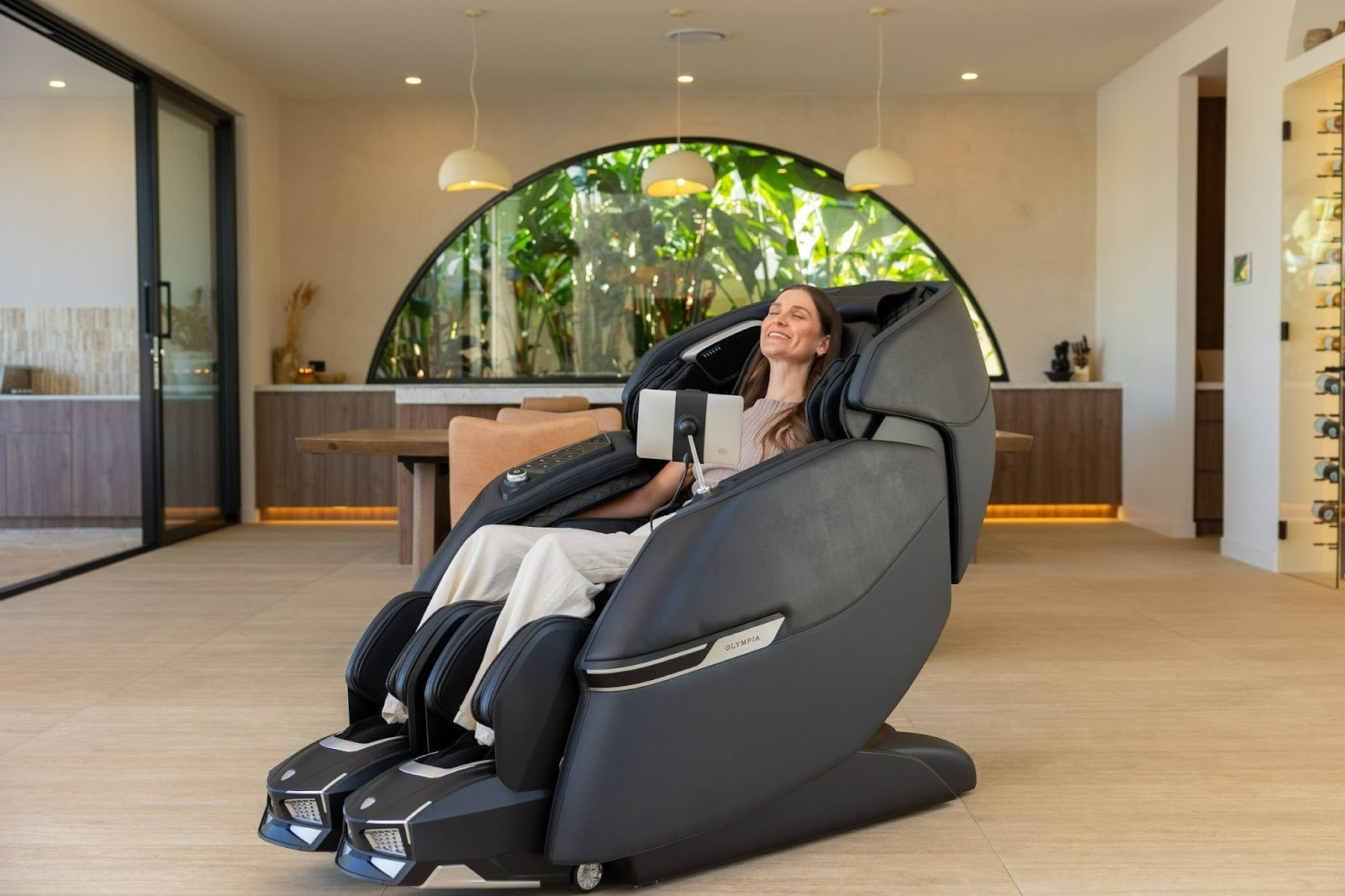
The best first step in how to maintain a massage chair is to read the owner’s manual. Each model has different materials, settings, access panels, and safety rules.
Some chairs use real leather. Others use polyurethane leather, vinyl, cloth, or a mix of materials. A cleaner that works on one surface may stain, dry, or crack another.
Check the manual for:
• Approved cleaning products
• Safe power and voltage requirements
• Fuse or reset instructions
• Lubrication guidance
• Weight limits
• Service contact details
• Warranty restrictions
• Parts that users should not open
Do not assume that a massage chair needs the same care as office furniture. It contains electrical and mechanical parts. The U.S. Consumer Product Safety Commission advises users to follow product instructions and stop using damaged electrical products. That advice applies here.
Unplug the chair before cleaning near controls, motors, power sockets, or moving parts. Never spray liquid directly onto the chair. Spray a small amount onto a cloth instead.

Clean the Upholstery the Right Way
Cleaning is one of the most important parts of how to maintain a massage chair. A soft microfiber cloth can remove most dust and light dirt without harming the surface.
For leather and synthetic leather
Use this basic method:
- Turn off and unplug the chair.
- Remove loose dust with a dry microfiber cloth or a soft vacuum brush.
- Wipe the surface with a slightly damp cloth.
- Use a cleaner approved for the exact upholstery type.
- Wipe away any cleaner residue.
- Let the chair dry fully before use.
Do not soak the upholstery. Too much water can enter seams, controls, padding, or air bag areas. It may also leave marks on synthetic leather.
Avoid household products that contain bleach, ammonia, alcohol, acetone, or strong solvents unless the manufacturer clearly approves them. These products may remove color or make the surface brittle.
For fabric upholstery
Vacuum fabric gently with a soft attachment. Test any fabric cleaner on a hidden area first. Do not rub hard, since strong rubbing can push dirt deeper into the fibers.
If a spill occurs, act early. Blot it with a clean cloth. Do not scrub it in circles. For large stains, follow the manual or contact a professional upholstery cleaner.

Remove Dust From Tracks, Gaps, and Vents
Dust often gathers under the chair, around the footrest, and inside track openings. Pet hair can be a special problem because it wraps around moving parts.
Use a vacuum with a narrow, soft attachment. Clean these areas:
• Under the base
• Around the footrest
• Between seat cushions
• Along the massage track cover
• Near ventilation openings
• Around the remote holder
• Behind the chair
Keep the vacuum nozzle away from delicate sensors and exposed wires. Do not push tools into the track. A thin object can damage a belt, sensor, or roller guide.
A chair placed near a window, fireplace, kitchen, or pet bed may need more frequent cleaning. In a low-dust room, a weekly light clean may be enough. In a busy home, clean visible dust every few days.
This is a useful lesson in how to maintain a massage chair: the room around the chair matters as much as the chair itself.
Check the Power Cord and Electrical Parts
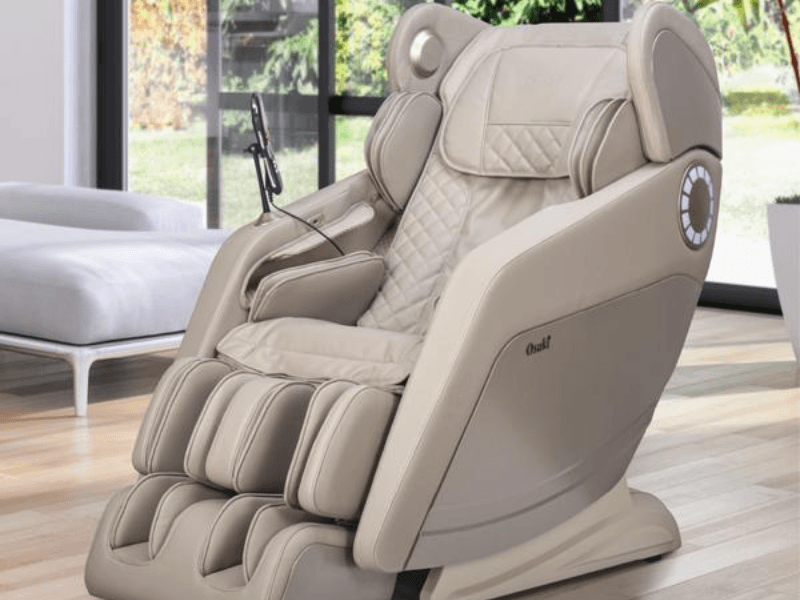
Electrical care is a key part of how to maintain a massage chair safely. Before each use, look at the power cord and plug. Watch for cuts, crushed areas, exposed wire, burn marks, or loose connections.
Use the chair with a grounded outlet when the manual requires one. Avoid extension cords and power strips unless the manufacturer says they are safe. High-powered motors may overload a weak or crowded circuit.
Stop using the chair if you notice:
• A burning smell
• Sparks or smoke
• A hot plug
• Repeated power loss
• A buzzing sound from the outlet
• A damaged cord
• Water near electrical parts
Do not open the control box or motor housing unless you are trained and the manual permits it. Electrical repairs can cause shock, fire, or warranty problems. A qualified service technician should handle internal faults.
The National Fire Protection Association recommends safe use of electrical equipment and quick attention to damaged cords. A massage chair deserves the same care as any other motorized home appliance.
Inspect Moving Parts and Air Bags
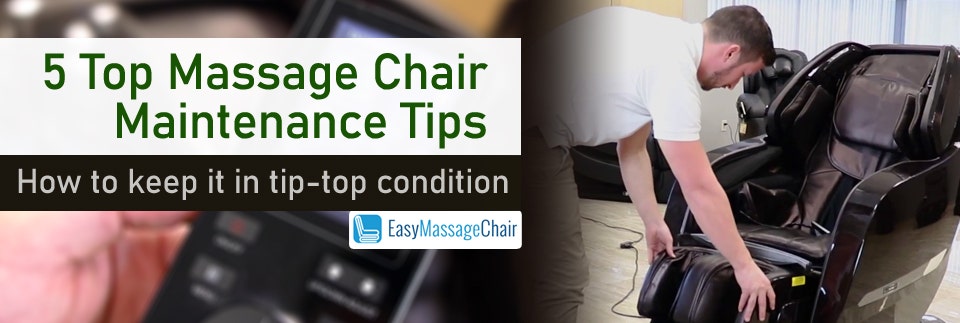
The rollers, footrest, recline system, and air bags do most of the work. A simple inspection can reveal problems early.
With the chair unplugged, check for:
• New clicking or grinding sounds
• Uneven roller movement
• A footrest that sticks
• Air bags that inflate unevenly
• Loose covers or screws
• Frayed fabric near moving areas
• A chair that rocks or shifts
Do not place your hands inside the chair while it is operating. Keep children, pets, hair, jewelry, and loose clothing away from moving sections.
Most massage chairs do not need user-applied oil. In fact, adding oil in the wrong place can attract dust or damage belts and sensors. Only lubricate a part if the manual gives clear instructions and names the correct product.
One mistake I always warn people about is forcing a stuck footrest. It may seem like a quick fix, but pressure can bend a support arm or damage the motor. Stop the chair, unplug it, and check the manual first.

Use the Chair Within Its Limits
How to maintain a massage chair also depends on how you use it. Correct use reduces stress on the motor and frame.
Follow the chair’s user limits and session guidance. Many manufacturers suggest short sessions with rest between them, but the correct time depends on the model. Long, repeated sessions may create extra heat and wear.
Use these habits:
- Sit in the position shown in the manual.
- Keep shoes, bags, and hard items away from the foot wells.
- Do not stand on the footrest.
- Do not let children climb or play on the chair.
- Keep the chair on a firm, level floor.
- Leave enough space for full recline.
- Stop if the chair becomes hot, noisy, or uncomfortable.
A massage chair is not a step stool or a regular recliner. Treating it like one can damage the frame and create a fall risk.
If several people use the chair, check the upholstery and foot wells more often. Shared use brings more sweat, dirt, and pressure to the same areas.
Place the Chair in a Safe Location
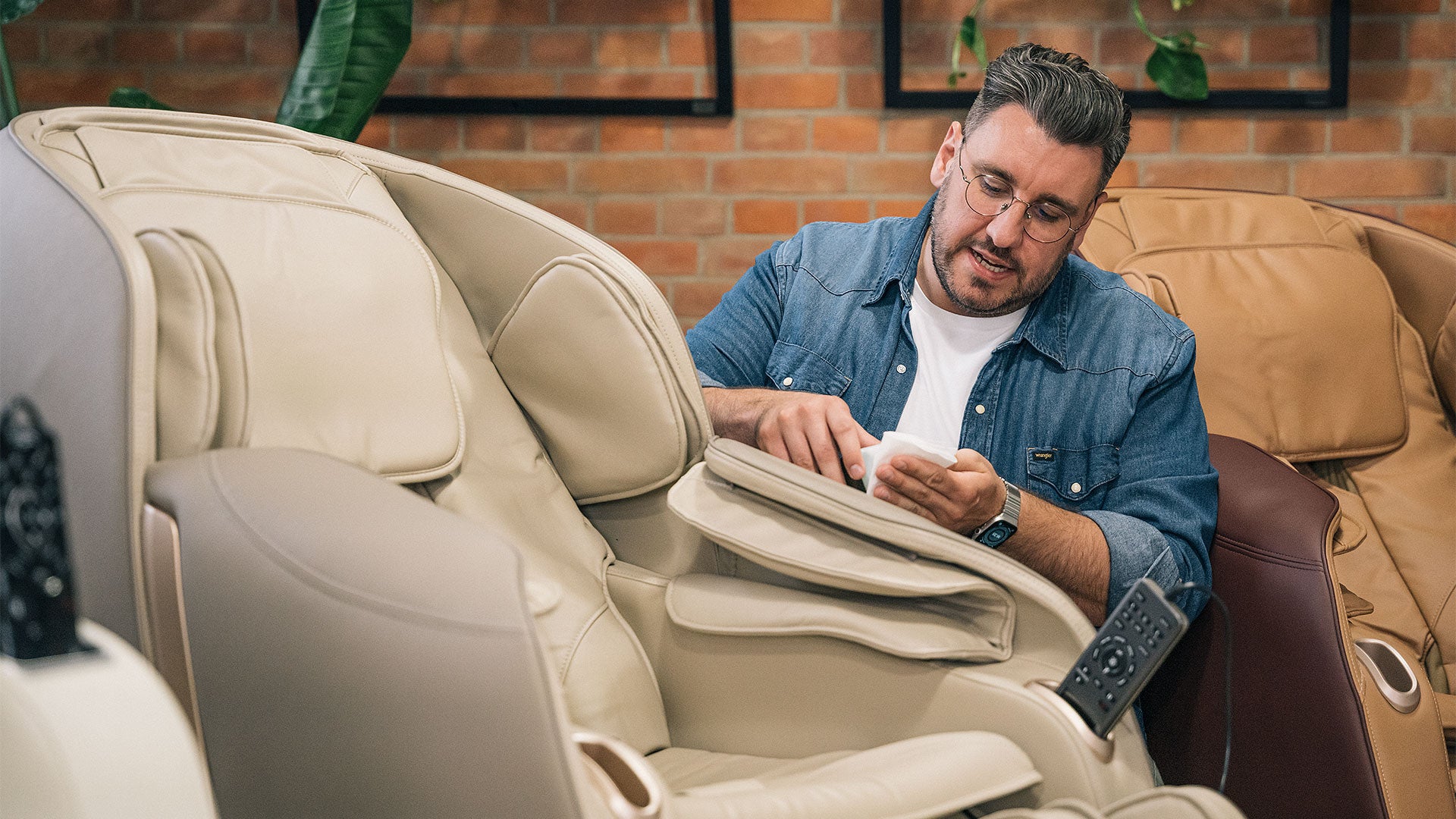
Good placement can make how to maintain a massage chair much easier. Keep the chair indoors in a dry room with stable temperature and humidity.
Avoid placing it:
• In direct sunlight
• Beside a heater or fireplace
• Near a humidifier
• In a damp basement
• Close to a leaking window
• In a narrow space that blocks ventilation
• On an uneven floor
Sunlight can fade and dry some upholstery. Heat may affect electronics, foam, and synthetic leather. Moisture can cause odors, stains, corrosion, and electrical risk.
Leave the clearance recommended by the manufacturer. A reclining chair needs room behind it and around the footrest. If it hits a wall each time it reclines, the frame and motor may receive repeated strain.
A mat under the chair can protect the floor and reduce sliding. Choose one that is flat and stable. A thick, soft mat may make the chair less steady.
Follow a Simple Maintenance Schedule
A schedule makes how to maintain a massage chair less stressful. You do not need to remember every task at once.
After each use
• Remove food, drinks, and personal items
• Check for unusual noise
• Return the chair to its safe position
• Keep the remote in its holder
• Wipe visible sweat or spills
Each week
• Dust the upholstery
• Vacuum gaps and foot areas
• Check the power cord
• Look under the base
• Inspect for loose covers
Each month
• Clean the upholstery more deeply
• Check the chair’s movement
• Inspect plugs and cable connections
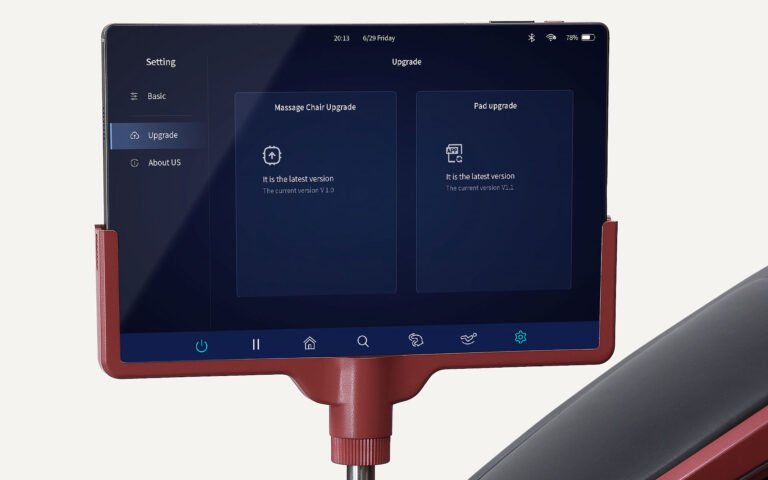
• Read any error messages
• Review the manual for model-specific care
Once or twice a year
• Look for wear in seams and padding
• Check the chair’s stability
• Review warranty or service needs
• Ask a qualified technician about unusual sounds
• Replace worn accessories when needed
Your home may require a different schedule. A chair used every day by several people needs more care than one used once a week.
Store or Move the Chair With Care
If you move the chair, use at least two strong adults or professional movers. Massage chairs are heavy, and their weight is not always balanced.
Before moving it:
- Turn off and unplug the chair.
- Return it to the position stated in the manual.
- Secure loose parts if the manual recommends it.
- Protect the upholstery with a clean cover.
- Lift from strong frame areas, not the armrests or footrest.
- Avoid dragging it across the floor.
- Recheck the power cord after placing it.
If you store the chair, choose a clean, dry room. Do not cover it with plastic while it is damp. A breathable cover helps reduce dust without trapping moisture.
Never store heavy boxes on top of the chair. Pressure can deform cushions, air bags, and arm supports.
Know When to Call a Professional
Basic cleaning is safe for most owners. Internal repairs are different. Call the manufacturer or a qualified technician when the problem involves electronics, motors, wiring, sensors, or the massage track.
Get professional help if:
• The chair stops during use
• A roller jams
• The recline function fails
• An air bag stays inflated
• The chair gives an error code
• You smell burning
• The power cord is damaged
• The chair makes a new grinding sound
• The frame feels loose
Keep your purchase receipt, model number, and warranty information. A clear video of the problem may help the service team understand the fault.
Do not remove covers just to look inside. Some panels protect moving parts and live electrical components. Opening them may also cancel warranty coverage.
A professional inspection may cost money, but it can prevent a much larger repair. Safety should always come before saving a service fee.
Common Massage Chair Maintenance Mistakes
Many problems come from small habits rather than major defects. Avoid these common mistakes:
• Spraying cleaner directly on the chair
• Using harsh household chemicals
• Cleaning while the chair is plugged in
• Forcing a stuck footrest
• Adding oil without manual approval
• Blocking the vents
• Using an unsafe extension cord
• Leaving spills to dry
• Placing the chair in direct sun
• Ignoring strange sounds
• Allowing children to play on it
• Moving it by the armrests
Another common mistake is using a massage chair when the body is not ready for it. People with certain medical conditions, recent injuries, or pregnancy concerns should ask a health professional before use. A chair may feel relaxing, but it is still a powered device that applies pressure and movement.
Good maintenance protects both the machine and the person using it.
How Long Does a Massage Chair Last?
A well-made massage chair may last for many years, but its lifespan depends on use, build quality, care, room conditions, and repairs. There is no single guaranteed service life for every model.
Regular cleaning helps protect surfaces. Gentle use reduces strain. Fast repairs can prevent a small fault from damaging other parts.
Signs that a chair may need major service include:
• Frequent error codes
• Repeated motor failure
• Cracked upholstery
• Weak air bags
• Loud track noise
• Broken controls
• A frame that no longer feels stable
Replacing a small part may be practical. However, an older chair with several major faults may cost more to repair than its current value. Ask for a written estimate before approving extensive work.
Frequently Asked Questions About How to Maintain a Massage Chair
How often should I clean my massage chair?
Wipe visible dirt and sweat after use, then perform a deeper clean about once a month. Vacuum gaps and foot areas weekly if the chair is used often or if you have pets.
Can I use disinfectant wipes on a massage chair?
Only use wipes that the manufacturer approves for your upholstery. Some disinfectants contain alcohol or strong chemicals that can dry, fade, or crack synthetic leather.
Should I lubricate the rollers on my massage chair?
Usually, owners should not lubricate rollers unless the manual gives clear instructions. The wrong lubricant can attract dust or damage belts, sensors, and other parts.
Can I leave my massage chair plugged in?
Follow the owner’s manual. Unplugging the chair during storms, long periods of nonuse, or cleaning can add safety, especially if the outlet or cord has any problem.
Why is my massage chair making a clicking noise?
A clicking noise may come from a loose cover, foreign object, worn gear, or track issue. Stop using the chair if the sound is new or becomes louder, and contact the manufacturer or a qualified technician.
Can I repair a massage chair myself?
You can handle simple cleaning and visual checks, but internal electrical or mechanical repairs need professional care. Opening the chair may cause injury and can affect the warranty.
Conclusion
How to maintain a massage chair comes down to steady, simple care. Clean the upholstery with the right product, remove dust from gaps, inspect the cord, use the chair within its limits, and respond quickly to strange sounds or error codes.
Keep the manual nearby and create a small weekly routine. These habits can protect your comfort, reduce avoidable repairs, and help your chair serve you for years. Share your own maintenance tips, or explore your manufacturer’s care resources before your next session.