How To Clean A Massage Chair: Easy Care Guide
Unplug the chair, vacuum loose dirt, and wipe each surface with a mild, barely damp cloth.
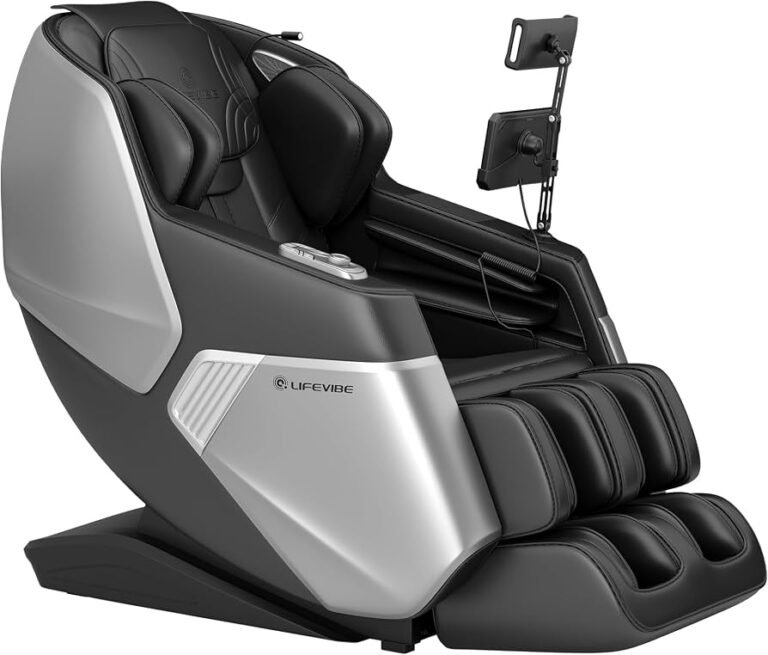
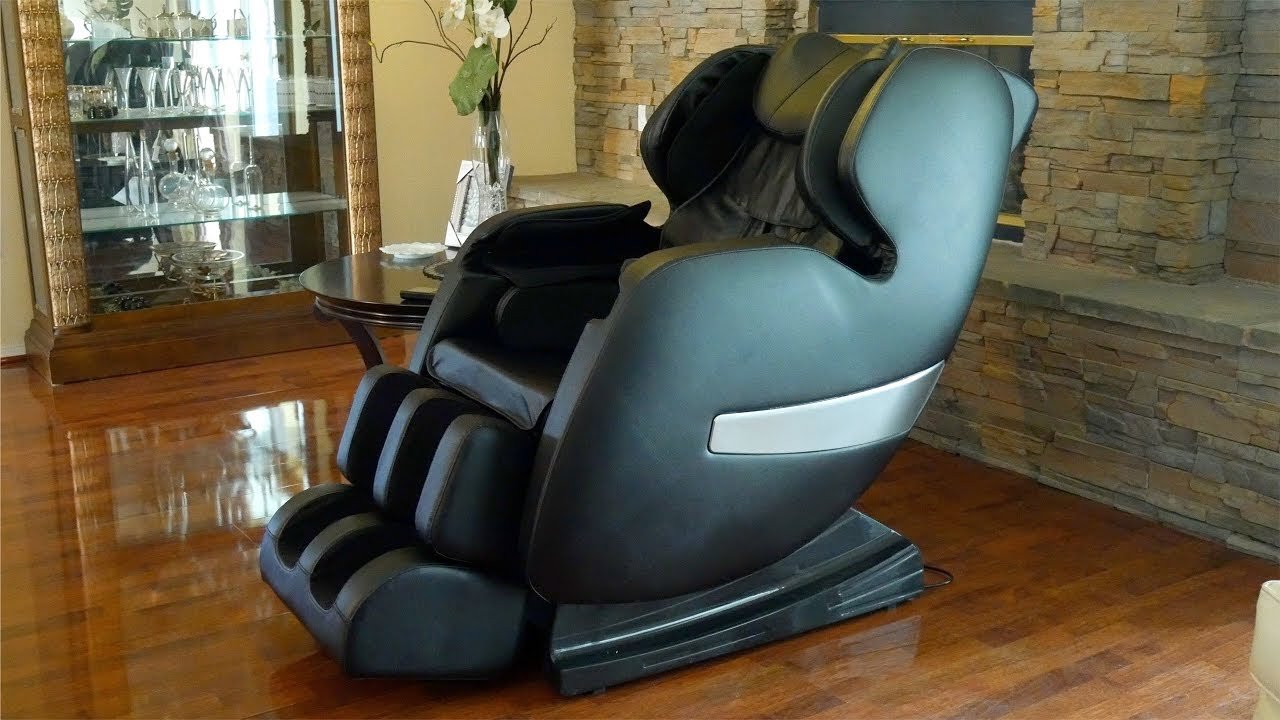
Learning how to clean a massage chair is easier than it seems when you treat it like a mix of furniture and electronics. The right method protects the upholstery, massage rollers, air bags, sensors, and control panel while removing sweat, dust, skin oils, and spills. This guide explains how to clean a massage chair safely, with simple steps you can use at home.
Why Regular Massage Chair Cleaning Matters
A massage chair touches your skin for long periods. Over time, sweat, body oil, lotion, hair, dust, and food crumbs can collect on the seat, armrests, foot wells, and headrest. A dirty chair may also develop odors, stains, or sticky areas.
Regular cleaning helps your chair look better and feel more comfortable. It may also reduce wear on the upholstery and prevent dirt from entering seams, vents, and moving parts.
A clean massage chair is not just about appearance. It supports better hygiene, especially when several people use the chair. Still, cleaning must be gentle because most massage chairs contain motors, circuit boards, heating parts, sensors, and delicate moving systems.
In my experience, the biggest cleaning mistake is treating a massage chair like a normal recliner. A wet cloth or strong cleaner may seem harmless, but liquid can move through seams and damage internal parts. Think of the chair as a comfortable recliner wrapped around a small machine.
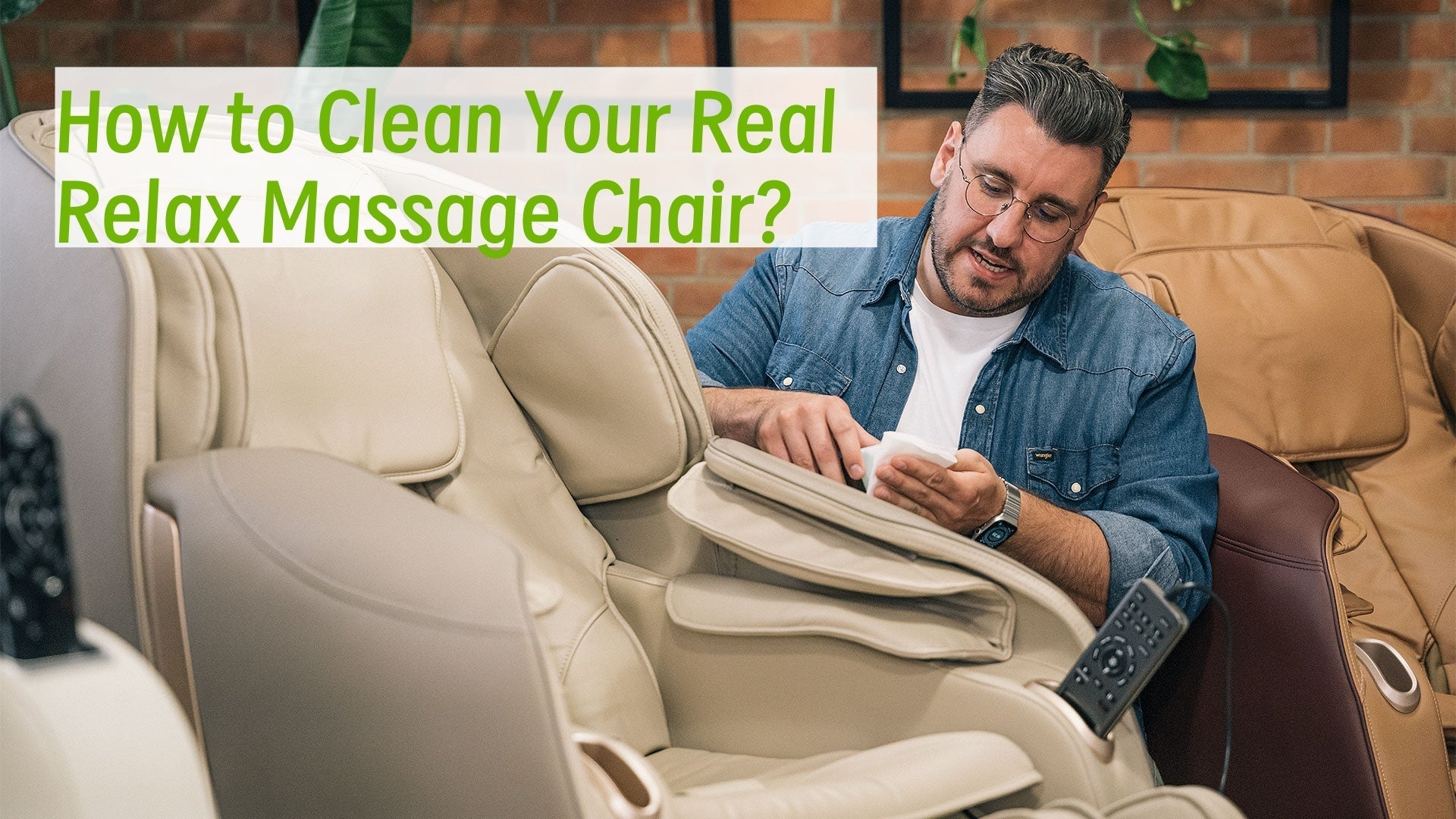
What You Need Before You Start
Gather your supplies before cleaning. This keeps the process smooth and helps you avoid using the wrong product in a hurry.
You will need:
• A vacuum with a soft brush attachment
• Several clean microfiber cloths
• Warm water
• Mild, pH-neutral soap
• A small bowl
• A soft-bristled toothbrush or detailing brush
• A dry towel
• A leather or synthetic leather cleaner approved for your chair’s material, if needed
Avoid paper towels when possible. They can leave lint behind and may scratch glossy plastic or screens. Also avoid rough sponges, abrasive pads, bleach, ammonia, alcohol, acetone, furniture polish, and strong disinfectants unless the manufacturer specifically approves them.
Before using any cleaner, check the owner’s manual. The manual should identify the upholstery type, safe cleaning products, and parts that should not get wet. If the manual gives different instructions, follow it over general advice.
How to Clean a Massage Chair Safely
Follow these steps in order. A careful cleaning session usually takes about 20 to 40 minutes, depending on the chair’s size and condition.
1. Turn Off and Unplug the Chair
Stop every massage program and wait until the chair returns to its normal position. Turn off the main power switch, then unplug the power cord from the wall.
Do not clean while the chair is operating. Moving rollers, reclining parts, airbags, and foot mechanisms can pinch fingers or pull in a cloth. Unplugging the chair also reduces the risk of electric shock if moisture reaches an opening.
If the chair has a battery backup or special power system, follow the manufacturer’s shutdown instructions.
2. Remove Covers and Loose Items
Take off removable headrest covers, cushions, mats, or fabric sleeves if the manual says they can be removed. Wash these items only according to their care labels.
Do not force a cover from the chair. Some covers hide wiring, sensors, heating elements, or air tubes. If a part does not come off easily, leave it in place and clean around it.
3. Vacuum Loose Dust and Debris
Use a vacuum with a soft brush attachment. Start at the top of the chair and work downward.
Clean these areas carefully:
• Headrest and neck cushion
• Backrest
• Seat
• Armrests
• Hand control pocket
• Foot wells
• Calf compartments
• Seams and creases
• Space around the chair base
Use short, gentle passes. Do not press the vacuum nozzle directly against thin upholstery or mesh. Keep the nozzle away from vents, openings, speakers, control ports, and exposed mechanical parts.
For crumbs in narrow seams, use a soft brush to loosen them first. Never push debris deeper into the chair.
4. Test the Cleaner First
Before cleaning a large area, test the product on a hidden spot. Apply a small amount to a cloth, not directly to the chair.
Wait until the test area dries. Check for color change, stickiness, cracking, swelling, or dullness. If you notice any reaction, stop using that product.
This small test can prevent a large stain. It is especially important for colored synthetic leather, bonded leather, fabric, and older upholstery.
5. Wipe the Upholstery
Mix a small amount of mild soap with warm water. The mixture should be weak and slightly sudsy, not thick or heavily soapy.
Dip a microfiber cloth into the solution, then wring it out well. The cloth should feel damp, not wet. Wipe one small section at a time using light pressure.
Work in this order:
-
Headrest
-
Backrest
-
Seat
-
Armrests
-
Side panels
-
Foot and calf areas
Rinse the cloth often. A dirty cloth can spread oil and grime across the surface. Use a second cloth dampened with plain water to remove soap residue.
Do not pour water onto the chair. Do not spray cleaner on the upholstery. Spray or liquid can seep through stitching and reach electrical parts.
6. Clean Seams and Tight Areas
Use a soft toothbrush or small detailing brush around seams, buttons, air holes, and plastic edges. Keep the brush almost dry.
For stubborn dirt, place a small amount of mild cleaner on a cloth and dab the area. Do not scrub hard. Strong friction can remove color, roughen vinyl, or damage protective coatings.
If dirt is trapped deep inside a seam, stop rather than forcing it out. A service technician may need to open the cover safely.
7. Clean the Control Panel and Remote
Wipe the remote, control panel, buttons, and display with a dry or barely damp microfiber cloth. Never spray cleaner directly onto buttons or a screen.
Use a cotton swab for dirt around button edges, but keep it dry or only slightly damp. Avoid pressing moisture into seams, charging ports, USB ports, speakers, and ventilation slots.
If the control has a touchscreen, use the cleaning method recommended for that model. Some screens have coatings that strong cleaners can damage.
8. Clean the Foot Wells and Calf Areas
Foot wells collect sweat, dust, sock fibers, and skin flakes. Vacuum them first, then wipe the accessible surfaces with a well-wrung cloth.
Pay attention to the fabric lining and the area around the foot rollers. Do not pull on fabric, air tubes, or roller covers.
If the foot wells smell, let them dry fully after cleaning. Odor often comes from trapped moisture, not from a lack of strong chemicals.
9. Dry the Chair Completely
Use a dry microfiber towel to remove moisture. Leave the chair in a well-ventilated room until every cleaned area feels dry.
Do not use a hair dryer, heat gun, or space heater. High heat can warp plastic, dry out leather, weaken adhesives, and affect electronic parts.
Keep the chair unplugged until it is fully dry. If water entered a seam, vent, or control opening, do not turn the chair on. Contact the manufacturer or a qualified technician for advice.
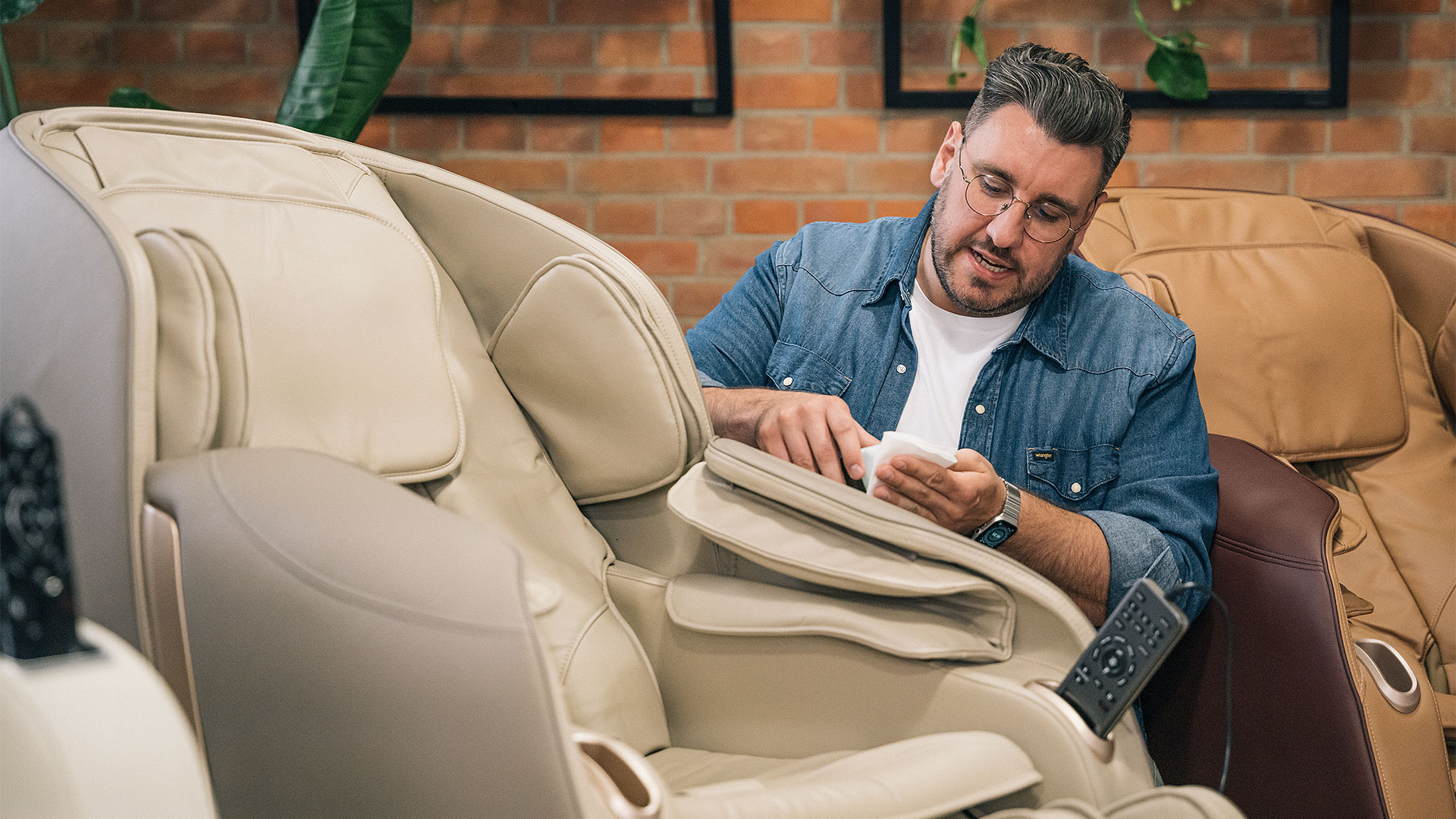
How to Clean Different Massage Chair Materials
The best way to clean a massage chair depends on its upholstery. Material care is important because cleaners that work on vinyl may damage real leather or fabric.
Synthetic Leather and Vinyl
Many massage chairs use polyurethane leather, polyvinyl chloride, or another synthetic material. These surfaces usually clean well with a damp microfiber cloth and mild soap.
Do not use alcohol wipes, bleach, petroleum-based products, or abrasive cleaners unless the manufacturer approves them. These products can remove the surface finish and cause cracking or peeling.
After cleaning, wipe away soap with plain water and dry the material. Use a conditioner only if the chair maker recommends one for that exact upholstery.
Genuine Leather
Real leather needs more care. Use a leather cleaner made for finished leather and follow the product label.
Avoid soaking the leather. Too much water can cause marks, stiffness, or discoloration. Do not use household oils or body lotion as a substitute for leather conditioner.
Leather may naturally change color and develop a soft patina over time. Cleaning can remove dirt, but it cannot reverse every sign of age.
Fabric Upholstery
Fabric can hold dust and moisture more easily than vinyl or leather. Vacuum it often with a soft attachment.
For a small spot, blot with a damp cloth and mild soap. Do not rub aggressively, as rubbing can spread the stain and push it deeper into the fibers.
Avoid soaking fabric-covered areas. Foam padding can stay wet for a long time and may develop a musty smell.
Mesh and Breathable Covers
Use a soft brush or low-suction vacuum on mesh. Wipe stains gently with a barely damp cloth.
Do not stretch the mesh or press hard against it. Allow it to air-dry fully before using the chair.
How to Remove Common Massage Chair Stains and Odors
Small spills are easier to remove when handled at once. Blot liquid with a clean towel instead of rubbing it into the surface.
For common marks:
• Sweat and body oil: Use a damp microfiber cloth with a small amount of mild soap.
• Lotion: Remove excess lotion with a dry cloth, then wipe the area with diluted soap.
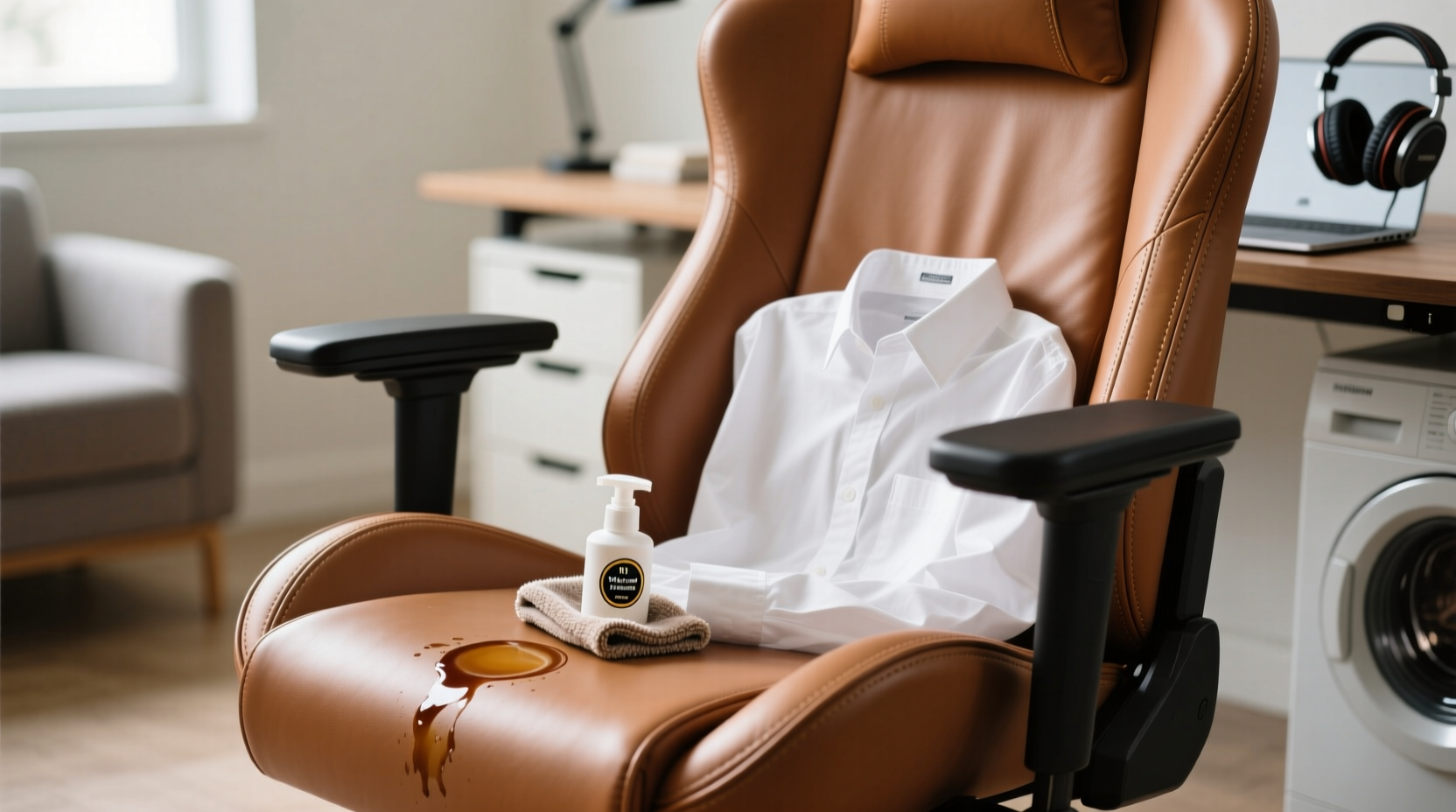
• Coffee or juice: Blot quickly, then wipe with clean water and dry the area.
• Ink: Do not use alcohol or solvent without checking the manual. Contact the manufacturer if the mark remains.
• Food crumbs: Vacuum first, then wipe away residue.
• Musty odor: Clean lightly, improve airflow, and let the chair dry fully.
Do not cover a damp massage chair with a blanket. Covering traps moisture and can make odors worse. If a smell continues after cleaning, it may come from foam, hidden fabric, mold, or an internal component. In that case, professional inspection is safer than adding more chemicals.
What Not to Do When Cleaning a Massage Chair
Avoid these common mistakes:
• Do not use a steam cleaner.
• Do not hose down or soak the chair.
• Do not spray cleaner directly onto any surface.
• Do not clean while the chair is plugged in.
• Do not use bleach, ammonia, acetone, or harsh solvents.
• Do not force moving parts open.
• Do not vacuum deep inside vents or mechanical openings.
• Do not use a rough brush on leather or vinyl.
• Do not turn on the heating function while the upholstery is damp.
• Do not apply leather conditioner without confirming the material.
Steam and excess water are especially risky. Heat and moisture can travel through seams and affect wiring, sensors, circuit boards, and padding.
One lesson I learned early is that “more cleaner” does not mean “more clean.” A light wipe removes most everyday grime. Extra product often leaves a sticky film that attracts more dust.
How Often Should You Clean a Massage Chair?
Cleaning frequency depends on use. A chair used by one person may need a light wipe once a week and a deeper clean each month.
A chair shared by family members or clients may need cleaning after each user, especially on the headrest, armrests, hand controls, and foot wells.
Use this simple schedule:
• After each use: Remove visible crumbs, hair, or spills.
• Once a week: Vacuum and wipe high-contact areas.
• Once a month: Clean seams, foot wells, side panels, and the remote.
• Every three to six months: Inspect upholstery, cables, vents, rollers, and moving parts.
• After a spill: Clean the area as soon as possible.
Do not wait for visible dirt. Oils and sweat can build up before the surface looks dirty. Regular light care is safer than occasional deep scrubbing.
How to Protect a Clean Massage Chair
Good habits reduce the need for deep cleaning. Ask users to remove shoes before placing their feet in the foot wells. Clean, dry clothing also helps protect the upholstery.
Keep food and drinks away from the chair. If you drink coffee nearby, use a sealed cup and place it on a stable table rather than an armrest.
Other useful habits include:
• Wash or wipe removable covers as directed.
• Keep pets from chewing or scratching the chair.
• Keep the chair away from direct sunlight and heat sources.
• Maintain space around vents and moving parts.
• Use a manufacturer-approved protective cover when the chair is not in use.
• Avoid sitting in the chair with wet clothing.
Sunlight can fade some materials, while heat can dry leather and weaken synthetic coatings. A few minutes of prevention can save hours of cleaning and costly repairs.
When to Call a Professional
Some problems should not be handled with household cleaning products. Contact the manufacturer or a qualified repair professional if you notice:
• Water inside the chair
• A burning smell
• A malfunctioning control panel
• Exposed wires
• Cracked or peeling upholstery near moving parts
• Mold inside padding or seams
• Rollers that stop, grind, or move unevenly
• Airbags that do not inflate correctly
• A chair that trips the circuit breaker
Cleaning can remove surface dirt, but it cannot fix electrical faults or internal damage. If a liquid spill was large, unplug the chair and seek advice before testing it.
Keep your model number, purchase details, and photos of the problem available. This can help customer support give accurate instructions.
Frequently Asked Questions About How to Clean a Massage Chair
Can I use disinfectant wipes on a massage chair?
Only use disinfectant wipes if the chair manufacturer approves them for the upholstery and controls. Many wipes contain alcohol or other chemicals that can dry, discolor, or crack synthetic leather.
Can I use a steam cleaner on a massage chair?
A steam cleaner is usually not recommended. Heat and moisture may damage upholstery, foam, sensors, wiring, and electronic parts.
How do I clean the foot wells of a massage chair?
Vacuum loose dirt first, then wipe reachable surfaces with a barely damp microfiber cloth and mild soap. Keep moisture away from air openings, rollers, wiring, and deep seams.
Can I wash the massage chair cover in a washing machine?
Only wash a cover if the owner’s manual says it is removable and machine washable. Use the listed water temperature and drying method, because heat or shrinkage may prevent the cover from fitting again.
What should I do if water spills inside the massage chair?
Turn off the chair, unplug it, and do not use it until it is completely dry. If water reached a control panel, vent, seam, or internal opening, contact the manufacturer or a qualified technician.
How often should I clean a massage chair?
Wipe high-contact areas weekly and vacuum the chair regularly. Shared chairs may need light cleaning after every use, while a deeper cleaning can be done monthly.
Conclusion
Learning how to clean a massage chair comes down to three rules: use little moisture, choose gentle products, and protect the electrical parts. Vacuum first, wipe with a barely damp microfiber cloth, clean each material correctly, and let the chair dry before plugging it in.
Regular care keeps the chair more comfortable, fresh, and attractive. Start with a small cleaning session today, check your owner’s manual, and share your best maintenance tip in the comments.