How Often Should I Use Body Lotion?

Image source: Web (Bing) / pickpik.com (Web image (fair-use with source credit))
Figuring out how often to slather on body lotion can feel like a guessing game. We've all been there, wondering if we're doing enough to keep our skin happy or if we're overdoing it and clogging our pores. The truth is, there's no single, universal answer that works for everyone.
Your skin is as unique as you are, and what it needs changes based on a whole bunch of factors. Understanding these can help you tailor your routine, aiming for that just-right hydration level. According to manufacturer specifications, most body lotions are designed for daily use, but the optimal frequency often depends on individual skin characteristics and environmental conditions.
Quick Answer
You should use body lotion daily, ideally after showering, or more often if your skin feels dry or tight. For very dry or sensitive skin, applying it twice a day might be necessary. People with oily skin may find once a day or even less is sufficient.
Your Skin Type: The Biggest Clue
The first place to start when deciding how often you need body lotion is understanding your own skin type. This is the most significant factor dictating your moisturizing needs. If you have consistently dry, flaky skin, you'll likely need more frequent applications than someone with an oily complexion.

Dry Skin Needs More
If your skin often feels tight, looks flaky, or even develops small cracks, you probably have dry skin. This type of skin struggles to retain moisture, meaning its natural barrier isn't as effective at keeping water in. For dry skin, using body lotion at least once a day, and often twice, is usually recommended.
Applying it immediately after bathing is key, as this helps trap residual moisture from the water. Our research indicates that individuals with xerosis, a medical term for chronically dry skin, often benefit from formulations rich in emollients and occlusives. These ingredients create a protective layer on the skin.
Some experts even suggest a targeted application before bed if dryness is severe. Keeping your skin well-hydrated can prevent discomfort and protect the skin barrier from further damage.
Oily Skin Needs Less (But Still Needs It!)
It might seem counterintuitive, but even oily skin needs moisture. If you have oily skin, you might be tempted to skip lotion altogether, fearing it will make your skin greasy. However, overly stripping the skin of all moisture can actually cause your sebaceous glands to go into overdrive, producing even more oil to compensate.
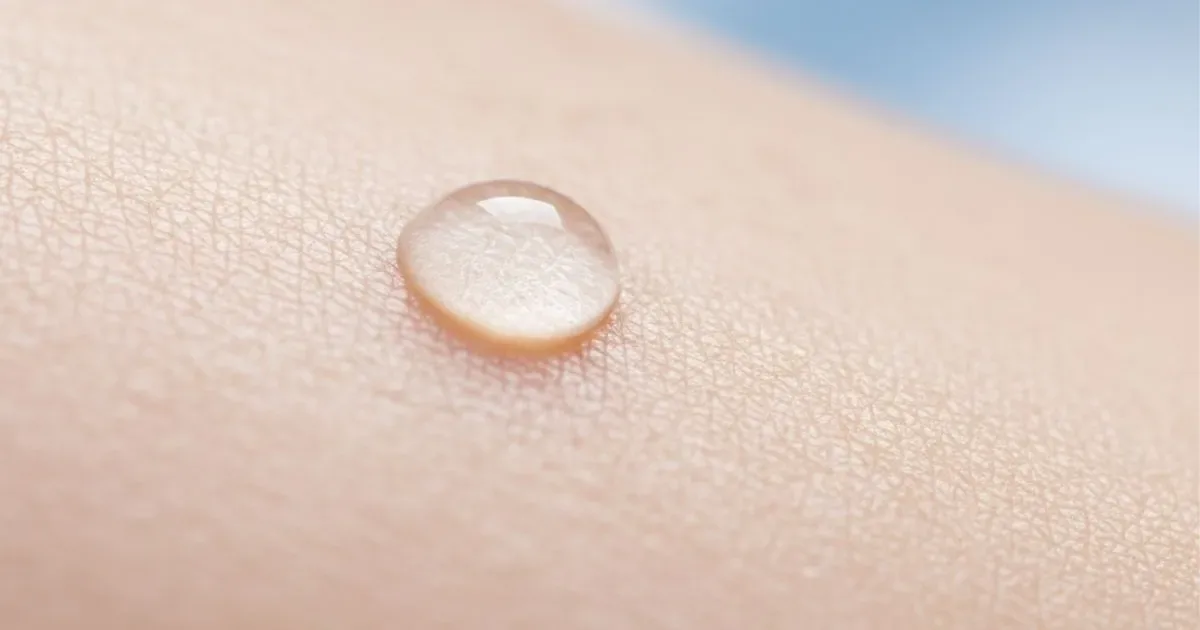
For oily skin types, lightweight, oil-free, or gel-based lotions are best. These are typically formulated with humectants like hyaluronic acid, which draw moisture into the skin without adding excess oil. Applying lotion once a day, perhaps in the morning or after cleansing, is often enough.
You might find you only need it on specific dry areas, rather than all over. If your skin feels balanced and hydrated, you might even get away with applying lotion every other day. The goal is to maintain a healthy skin barrier without making your skin feel slick or breaking you out.
Normal and Sensitive Skin's Sweet Spot
Normal skin types generally fall somewhere in the middle. They don't typically experience extreme dryness or oiliness. For normal skin, applying body lotion once a day is usually sufficient to maintain hydration and suppleness.
A basic, fragrance-free lotion can work wonders here.
Sensitive skin, on the other hand, can be tricky. It might be prone to dryness, redness, or irritation from certain ingredients. For sensitive skin, it's often best to opt for hypoallergenic, fragrance-free lotions and to start by applying them once a day.
You'll want to pay close attention to how your skin reacts. If it seems calm and comfortable, that frequency is likely appropriate. If you notice any redness or itching, you might need to reduce the frequency or switch to an even gentler formulation.
Developing a simple beauty routine that prioritizes gentle products is key for sensitive types.
Beyond Your Skin Type: Other Factors to Consider
While your skin type is a major clue, it's not the only thing that dictates how often you should use body lotion. External factors play a huge role in how your skin behaves and what it needs. Thinking about these can help you fine-tune your moisturizing schedule.
Climate and Season Make a Difference
The weather outside your door can drastically affect your skin's hydration levels. In arid climates or during dry winter months, the air has very little moisture, meaning your skin loses water more rapidly. This often calls for more frequent lotion application, sometimes even twice a day, especially on exposed areas.
You might need to switch to a richer, more emollient lotion during these times.
Conversely, during humid summer months, the air holds more moisture, and you might find your skin doesn't feel as dry. In these conditions, you might be able to get away with applying lotion less often, perhaps just once a day or even every other day, particularly if you have normal or oily skin. It’s a good idea to adjust your skincare routine as the seasons change to keep your skin comfortable and healthy year-round.
How can I protect my skin every day? This question becomes even more relevant when considering these environmental shifts.
Post-Shower Rituals and Other Triggers
What you do immediately after showering or bathing significantly impacts your skin's hydration. Water, especially hot water, can strip your skin of its natural oils. Therefore, applying body lotion within a few minutes of patting your skin dry is one of the most effective ways to lock in moisture.
This brief window is crucial for trapping hydration.
Other triggers include spending time in air-conditioned or heated environments, which can dry out your skin. If you work in an office with strong air conditioning or are frequently exposed to dry air, you might need to apply lotion more often than you would otherwise. Similarly, frequent handwashing or exposure to harsh cleaning agents can necessitate more frequent hand lotion application.
Keeping a good lotion handy is part of a proactive skincare approach. You can learn more about what beauty products should I take while traveling, as similar considerations apply to different environments.
How to Actually Apply Lotion for Best Results
Just knowing how often to use body lotion isn't the whole story; how you apply it makes a big difference in how effective it is. It’s not just about squeezing some product onto your skin. A few simple techniques can help you maximize the hydrating benefits.
The "When" Matters: Timing is Everything
As mentioned, the best time to apply body lotion is typically right after you get out of the shower or bath. Your skin is still slightly damp at this point, and the lotion acts as a seal, trapping that residual moisture. If you wait too long, the water evaporates, and your skin might feel even drier.
Think of it like this: If you were to paint a wall that was soaking wet, the paint wouldn't adhere well. But if it's just slightly damp, the paint creates a smoother, more even finish. Your skin and lotion work in a similar way.
If you’re unsure about the timing, aiming for within five minutes of towel-drying is a solid rule of thumb. This is a critical step in any effective beauty routine.
The "How": Technique for Maximum Hydration
When you apply lotion, don't just smear it on quickly. Take a moment to gently massage it into your skin. Use upward strokes on your limbs and apply a bit more pressure to areas that tend to be drier, like elbows and knees.
This gentle massage can help improve circulation and ensure the lotion is absorbed evenly.
Don't forget often-neglected areas like your feet, ankles, and even your neck. For very dry or cracked skin, consider applying a thicker layer of lotion and then wearing cotton gloves or socks overnight. This creates an occlusive barrier that allows the moisturizer to penetrate more deeply.
Many manufacturers' product specifications suggest a generous application for optimal results. This technique can truly transform how your skin feels and looks, contributing to healthier-looking skin overall.
Common Body Lotion Mistakes to Dodge
Even with the best intentions, it’s easy to fall into habits that don't serve your skin well when it comes to body lotion. Avoiding these common pitfalls can help you get the most out of your moisturizing routine and avoid potential skin issues.
Forgetting to Apply at the Right Time
The most frequent mistake people make is applying lotion when their skin is completely dry, or hours after showering. As we've discussed, applying immediately after bathing is crucial for trapping moisture. If your skin is bone dry, lotions have a harder time penetrating and are less effective at preventing water loss.
This leads to that tight, uncomfortable feeling returning quickly.
Using the Wrong Type of Lotion
Another big error is using a lotion that isn't suited for your skin type or needs. For instance, using a lightweight, oil-free lotion on extremely dry, flaky skin won't provide enough hydration. Conversely, a very thick, heavy cream might feel greasy and clog pores on oily or acne-prone skin.
It’s also worth noting that some lotions contain fragrances or ingredients that can irritate sensitive skin. Always check the ingredient list if you have known sensitivities. Opting for fragrance-free, hypoallergenic formulas is often a safer bet for sensitive skin types.
We've all been tempted by a lovely scent, but sometimes the most effective products are the simplest. Can expired beauty products cause problems? Yes, and using the wrong kind of product can be just as problematic.
Not Giving it Time to Absorb
Another common mistake is rushing the process. After applying lotion, many people immediately get dressed or go about their day without allowing the product to absorb properly. This can lead to lotion transferring onto clothes, making them feel greasy and reducing the amount of moisturizer that actually benefits your skin.
For lotions to work best, they need a little time to sink in. If you're short on time in the morning, try applying lotion right after your shower and then doing other tasks, like drying your hair or choosing your outfit, before getting dressed. This allows a crucial few minutes for absorption.
If you're using a richer cream or ointment, it might need even more time. Manufacturers often recommend a brief waiting period for their products to fully absorb.
Over-Moisturizing (Yes, it's Possible!)
While less common than under-moisturizing, overdoing it can also cause issues, particularly for those with oily or acne-prone skin. Applying lotion too frequently, or using a product that's too heavy, can lead to clogged pores, breakouts, and a generally greasy feeling. It can disrupt the skin's natural balance.
If you find your skin is breaking out more than usual, feeling perpetually greasy, or developing small bumps, it might be a sign you're over-moisturizing. In this case, it's best to scale back the frequency. Try switching to a lighter, oil-free formula and apply it only once a day, or even every other day, to see if your skin improves.
Listening to your skin is key here.
When to Reconsider Your Routine: Signs Your Skin Needs More or Less
Your skin is constantly communicating its needs, and paying attention to its signals is crucial for figuring out the right lotion frequency. If your skin feels uncomfortable, it's usually a sign that your current routine isn't quite hitting the mark.
Signs You Need More Lotion
If you notice your skin feels tight, especially after washing your face or hands, that's a clear indicator you need more moisture. Flakiness, rough patches, or increased itching are also red flags. If your skin looks dull or feels less supple than usual, it's likely dehydrated and crying out for hydration.
Persistent redness or irritation can also point to a weakened skin barrier, which more frequent moisturizing can help to repair. For example, if you notice your hands feel dry and rough even after washing them, applying hand lotion immediately and perhaps again before bed can make a significant difference. How can I make my skin look healthier?
Consistent, appropriate moisturizing is a huge part of that.
Signs You Need Less Lotion
On the flip side, if your skin feels overly greasy, shiny, or is developing breakouts (like pimples or small bumps), you might be using too much lotion or a product that's too heavy. This is especially common for people with naturally oily or combination skin. If your lotion seems to sit on top of your skin rather than absorbing, it might be a sign that you're applying too much or that the formulation isn't right for you.
Sometimes, simply reducing the amount you apply each time can solve the problem. Instead of a generous dollop, try using a pea-sized amount for your hands or a nickel-sized amount for your entire arm. If the greasiness persists, consider reducing the frequency.
Perhaps try applying lotion only at night or every other day.
Frequently Asked Questions About Lotion Frequency
How long should I wait before getting dressed after applying body lotion?
Ideally, you should wait about 5-10 minutes after applying body lotion before getting dressed. This allows the product to absorb into your skin and prevents it from transferring onto your clothing, which can lead to stains or a greasy feel.
Is it okay to use face moisturizer on my body?
While you can use face moisturizer on your body in a pinch, it's generally not the most cost-effective or ideal solution. Face moisturizers are often formulated with specific ingredients for facial skin concerns and can be quite expensive. Body lotions are typically designed for larger surface areas and are more budget-friendly for widespread use.
Can I use body lotion if I have eczema?
Yes, people with eczema can and should use body lotion to help manage their condition. Look for fragrance-free, hypoallergenic lotions specifically designed for sensitive or eczema-prone skin. These products often contain ingredients like ceramides or colloidal oatmeal that help soothe and repair the skin barrier.
Applying lotion immediately after bathing is particularly important for eczema sufferers.
Does applying lotion at night make a difference?
Applying lotion at night can be very beneficial, especially if you have dry skin. Your skin repairs itself as you sleep, and applying moisturizer before bed can enhance this process by providing lasting hydration. This is a great way to support your skin's natural recovery and wake up with softer, more comfortable skin.
It's a key part of a basic nighttime beauty routine.
What happens if I never use body lotion?
If you never use body lotion, your skin may become dry, flaky, itchy, and tight. Over time, this can lead to a compromised skin barrier, making it more susceptible to irritation, environmental damage, and even infection. For many people, consistent moisturizing is essential for maintaining comfortable, healthy-looking skin.
Your Personalized Lotion Game Plan
So, how often should you use body lotion? It boils down to listening to your skin and understanding its individual needs, along with your environment. For most people, a daily application, especially post-shower, is a great starting point to maintain healthy hydration.
If your skin leans dry, don't hesitate to increase that to twice daily, particularly during harsh weather. If you find your skin gets oily or breaks out, scale back. Experiment with lighter formulations and observe how your skin responds.
Consistency is key, but flexibility based on your skin's current state will lead to the best results. Building a simple beauty routine that incorporates regular moisturizing is a fundamental step towards better skin health.