How Often Can I Use a Curling Iron?

Image source: Web (Bing) / pickpik.com (Web image (fair-use with source credit))
So, you're wondering about the sweet spot for using your curling iron without frying your hair. It's a common question because we all love a good curl, but nobody wants to end up with damaged, brittle strands. The truth is, there's no single answer that works for everyone.
Your hair's condition, type, and how you treat it all play a huge role. Think of it like sun exposure; the frequency of heat styling needs to be balanced with protection to avoid damage. We've looked at research and manufacturer guidelines to help you figure out the best rhythm for your hair's health.
Quick Answer
You can typically use a curling iron 2-3 times per week. However, this frequency depends heavily on your hair's condition, use of heat protectant, and the temperature setting. Fine or chemically treated hair may require less frequent use, while thicker hair might tolerate slightly more.
What Your Hair Type Says About Curling Iron Frequency
The most significant factor in how often you can safely use a curling iron is your hair's natural structure and its current condition. Understanding these nuances can prevent damage before it starts.
Fine, Thin, or Damaged Hair Needs More Breaks
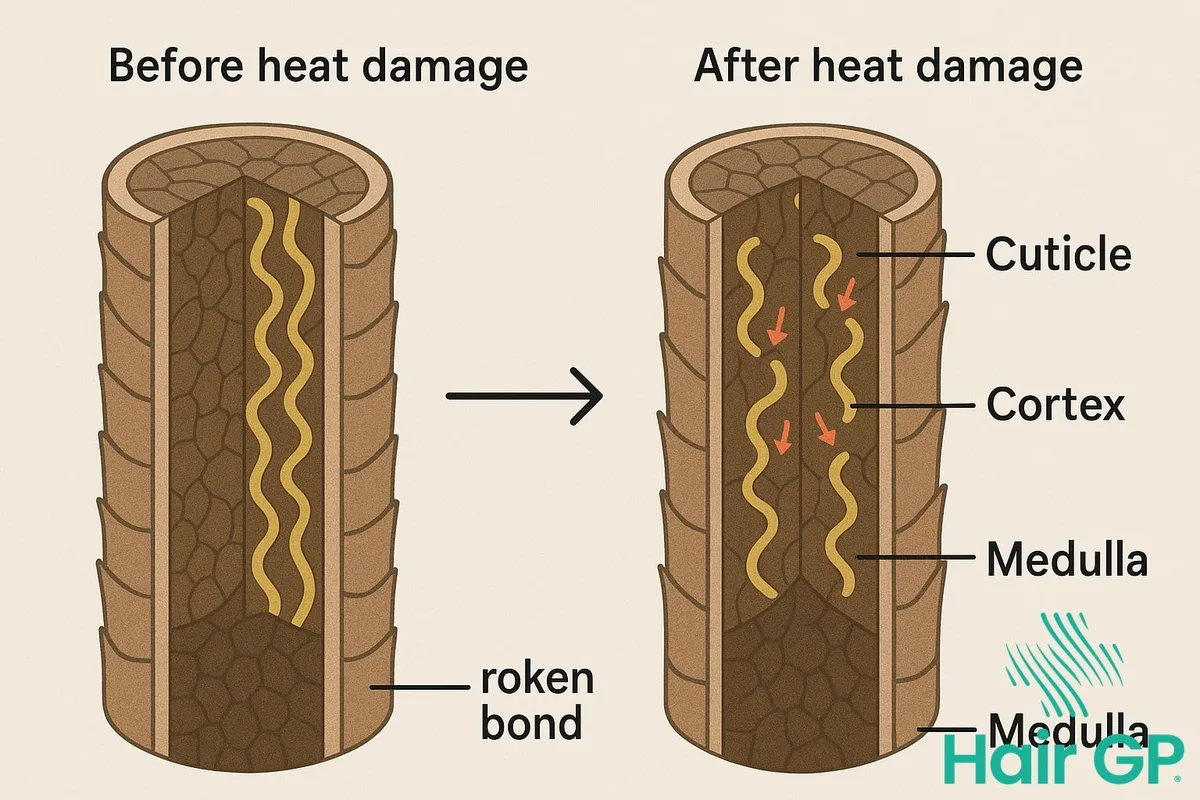
If your hair is naturally fine or has been weakened by chemical treatments like coloring, bleaching, or perms, it's much more susceptible to heat damage. These hair types have less natural resilience and can break or become overly dry more easily. Repeated heat exposure can lead to split ends, a rough texture, and a noticeable loss of shine.
For this hair type, it’s advisable to limit curling iron use to once a week or even less. If you notice any signs of dryness or breakage, consider alternating with heat-free styling methods or extending the time between uses.
Thick, Coarse, or Resilient Hair's Limits
Thicker, coarser, or naturally curly hair generally has more inherent strength and can withstand heat styling better than finer hair. This doesn't mean it's invincible to damage, but it often bounces back more effectively from styling. You might find that your hair holds a style better at lower temperatures, which is a plus.
Even with this resilience, daily heat styling is usually not recommended. Over time, the cumulative effect of heat can still lead to dryness and a loss of elasticity. Aiming for a few times a week, perhaps 2-4 days, is a more sustainable approach, especially when combined with proper care.
The Crucial Role of Heat Protection
Using a heat protectant is one of the most impactful steps you can take to minimize damage from your curling iron. It's not just an optional extra; it's a vital component of safe heat styling.
Why Heat Protectant Is Your Hair's Best Friend
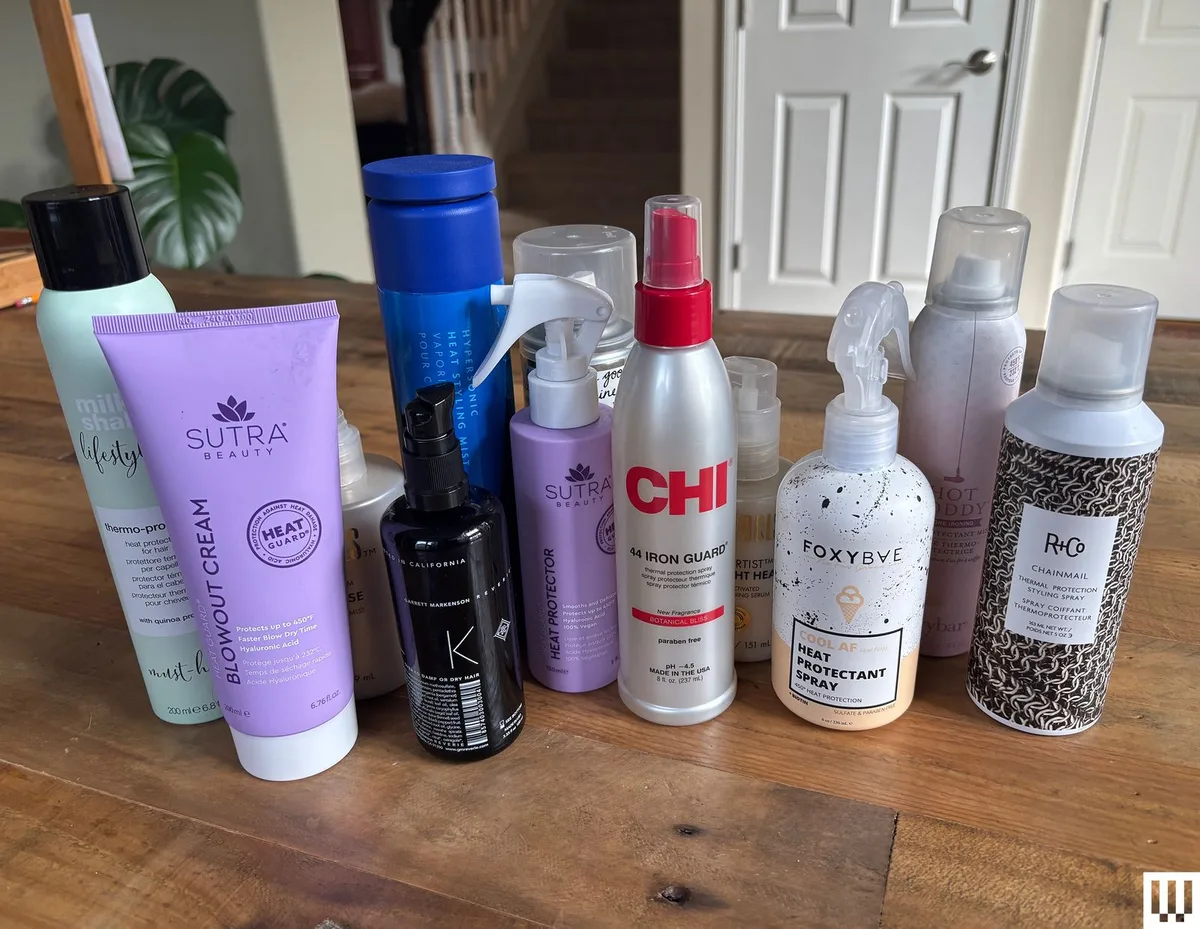
Heat protectant products work by creating a physical barrier between your hair’s cuticle and the heat of the curling iron. This barrier helps to distribute heat more evenly across the hair shaft, reducing the risk of scorching or drying out individual strands. Many formulations also contain ingredients that help to moisturize and strengthen hair, further combating the drying effects of heat.
When choosing a heat protectant, look for sprays or serums that are designed specifically for use with hot tools. Apply it evenly to dry hair before you begin styling. Manufacturer specifications for many high-quality curling irons, such as those from brands like Chi or Conair, often emphasize the necessity of using a heat protectant to maintain tool and hair integrity.
Picking the Right Temperature for Your Hair
Curling irons come with various temperature settings, and using the correct one is critical for preventing damage. The highest heat setting isn't always necessary, and often, a lower temperature can achieve the desired style with less risk. Most curling irons allow for adjustable heat, which is a key feature to look for.
For fine, thin, or chemically treated hair, lower temperatures are generally recommended. Editorial analysis of numerous user reviews suggests that temperatures between 200-300°F (95-150°C) are often sufficient. For thicker, more coarse hair, temperatures between 300-375°F (150-190°C) are typically effective.
It's widely advised by hair care professionals to avoid exceeding 400°F (200°C) on any hair type if possible, as this significantly increases the risk of severe heat damage.
Your Curling Iron Routine: How Often is Too Often?
Establishing a regular styling schedule is key to managing hair health. While the exact number of times you can curl your hair varies, some general guidelines can help you avoid overdoing it.
The Risks of Daily Heat Styling
Using a curling iron every single day, even with heat protectant, can still take a toll on your hair over time. The constant exposure to high heat can gradually strip hair of its natural moisture, leading to increased dryness, brittleness, and a higher susceptibility to breakage. This cumulative damage can manifest as frizz, a rough texture, and a dull appearance.
For most hair types, including those that are naturally resilient, daily heat styling is generally not recommended. Even if your hair seems to recover quickly, the long-term effects can be significant. As of 2026, dermatological and trichological resources continue to highlight the importance of allowing hair adequate recovery time between heat styling sessions to maintain its structural integrity.
Finding Your Sweet Spot: A Weekly Guide
For many individuals, styling with a curling iron 2 to 3 times per week strikes a good balance between achieving desired styles and maintaining hair health. This frequency allows your hair sufficient time to recover and rehydrate between styling sessions. It’s a practical approach for those who regularly use heat tools for their looks.
If your hair is particularly fragile, chemically treated, or prone to dryness, you might need to reduce this frequency to once a week or even less. Conversely, if your hair is very thick and healthy, and you use a high-quality heat protectant and appropriate temperatures, you might find it can tolerate slightly more frequent use. However, always monitor your hair for any signs of distress.
Warning Signs: When Your Hair Is Telling You "Stop!"
Your hair is incredibly communicative; it will often signal when it's suffering from too much heat. Learning to recognize these signs is crucial for preventing long-term damage and knowing when to scale back your styling routine.
Dryness, Breakage, and Frizz: What to Watch For
The most common indicators that you’re overusing your curling iron include increased dryness, a rough or straw-like texture, and a noticeable rise in frizz. Dry hair loses its natural oils and moisture, making it feel brittle and less elastic. Breakage often follows, where you might see more split ends or strands snapping off during brushing or styling.
Frizz can occur because damaged hair cuticles lift and allow humidity to penetrate the hair shaft, causing it to swell. If you find your hair is suddenly harder to manage, less shiny, and more prone to tangling, these are all red flags. It's a sign that your hair needs a break from the heat to recover and rebuild its strength.
Mastering the Heat: Smart Styling Practices
Beyond just the frequency of use, how you use your curling iron makes a massive difference in minimizing damage. Adopting a few smart practices can help protect your hair even when you are styling.
Ensuring Hair is 100% Dry Before Styling
This is a non-negotiable rule for anyone using a curling iron. Never, ever attempt to curl damp or even slightly wet hair. When water meets the extremely hot surface of a curling iron, it creates steam.
This steam can essentially boil the moisture within your hair shaft, leading to rapid and severe internal damage, known as "keratin cavitation."
Always ensure your hair is completely dry before you pick up the curling iron. This usually means waiting for it to air dry fully or using a blow dryer on a cool or medium heat setting. A quick check is to run your fingers through your hair; if you feel any dampness, it's not ready for heat styling.
Alternating Heat and Heat-Free Styles
To give your hair consistent breaks, make an effort to alternate your curling iron use with heat-free styling methods. This strategy allows your hair to recover and reduces the cumulative stress from thermal styling. There are many effective ways to achieve curls and waves without heat.
For instance, you can use foam rollers, flexi rods, or pin curls overnight. Braiding damp hair before bed is another popular method for creating natural-looking waves by morning. Even simply embracing your natural texture or opting for styles like ponytails or buns can give your hair a much-needed reprieve from the heat.
Frequently Asked Questions About Curling Iron Use
How long does it take for hair to recover from heat damage?
Hair recovery time varies greatly. Minor dryness might improve with deep conditioning treatments within a few weeks. However, significant damage, like breakage and split ends, may require growing out the damaged hair, which can take months to over a year, depending on your hair's growth rate.
Can I use a curling iron on extensions?
It depends on the type of extensions. Synthetic extensions generally cannot withstand heat and can melt or frizz. Human hair extensions are often more heat-resistant, but it's crucial to use low heat settings and heat protectant, just as you would with your natural hair.
Always check with your extension professional or manufacturer.
What are the best curling iron barrel sizes for different looks?
Barrel size dictates the type of curl. Smaller barrels, around 1/2 to 1 inch, create tighter, more defined curls or ringlets. Medium barrels, 1 1/4 to 1 1/2 inches, produce looser curls and waves, suitable for most hair lengths.
Larger barrels, 2 inches and up, are best for creating voluminous waves and Hollywood-style curls.