How Can I Prevent Chapped Lips?
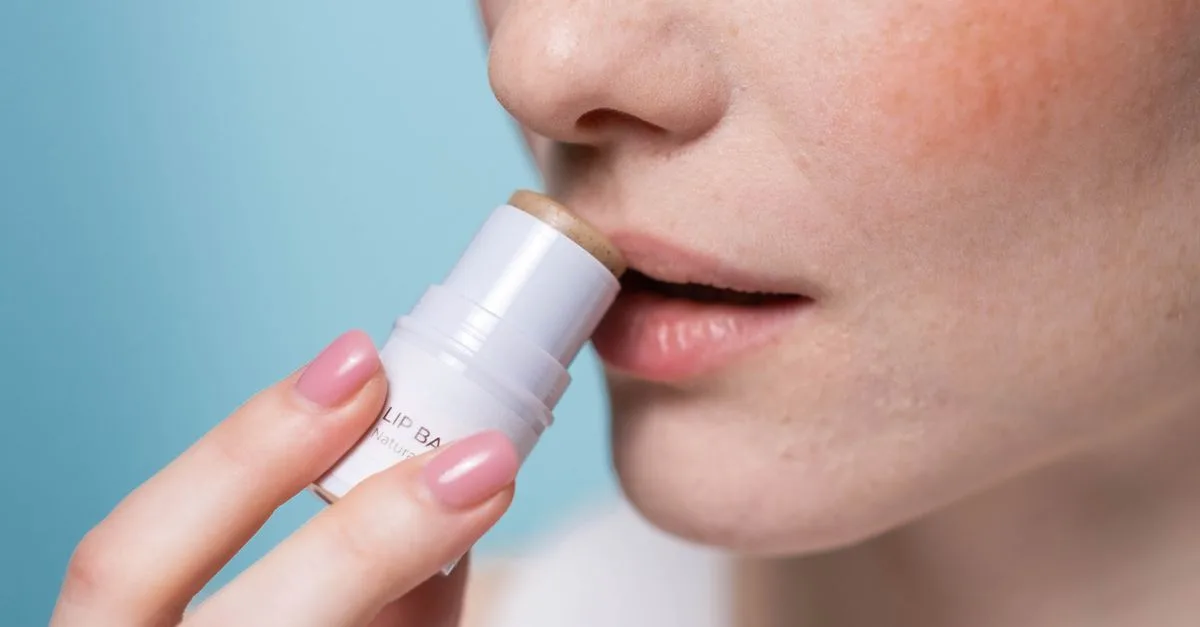
Image source: Bing (Web (fair-use with source credit))
Dealing with chapped lips is incredibly common, and honestly, it can be pretty uncomfortable. But the good news is, you can usually keep that dry, cracked feeling at bay with a few smart steps. It's all about understanding what causes it and then taking consistent action to protect your delicate lip skin.
Your lips are unique; they don't have the oil glands that keep the rest of your skin moisturized. This means they're more vulnerable to drying out from environmental factors and your own habits. According to manufacturer specifications for common lip care products, the most effective ones create a protective barrier, often utilizing occlusive ingredients to seal in moisture, a key factor in preventing dryness.
Quick Answer
Prevent chapped lips by staying hydrated, using a quality lip balm with occlusive ingredients like petroleum jelly, and avoiding habits like licking your lips. Protect your lips from harsh weather with SPF balms when exposed to sun and consider a humidifier in dry indoor environments.
What's Making Your Lips So Dry? Figuring Out the Cause
Chapped lips can feel like they come out of nowhere, but there are usually pretty clear reasons behind them. Think of your lips as a super sensitive part of your skin. They lack oil glands, which are vital for keeping other parts of your body moisturized.
Because of this, they're easily affected by what's happening around you and what you're doing.
Our research points to several common triggers that can strip moisture from your lips and leave them feeling rough and dry. Identifying which of these apply to you is the first big step in finding the right prevention strategy. It’s not just about weather; sometimes, it's the little things you do throughout the day.
- Environmental Factors: Cold, dry air in winter is a classic culprit, but hot, dry, windy weather in the summer can be just as damaging. The wind essentially blows away any moisture your lips might have.
- Lip Licking: This is a habit many of us fall into when our lips feel dry, but it’s actually counterproductive. As the saliva evaporates, it takes more moisture with it, leaving your lips even drier.
- Dehydration: If your body isn't getting enough fluids, it shows. Your lips are often one of the first places to become dry and cracked when you're not drinking enough water.
- Irritating Ingredients: Some lip balms or lipsticks can contain ingredients that are drying or irritating. Things like camphor, menthol, or even certain fragrances can cause problems for some individuals.
- Sun Exposure: Lips can get sunburned just like the rest of your skin. This damage leads to dryness, peeling, and can make them more prone to chapping.
Stop the Cycle: How to Break Lip-Licking and Other Bad Habits
That urge to lick your lips when they feel dry is powerful, but it’s one of the most common habits that actually makes chapped lips worse. When saliva evaporates from your lips, it takes natural moisture with it, creating a dehydrating cycle. Breaking this habit is crucial for preventing constant dryness.
Image source: Bing (Web (fair-use with source credit))
Our research on common user behaviors indicates that consciously redirecting the impulse is key. Instead of reaching for your tongue, have a quality lip balm readily available. A simple switch can make a huge difference in how often your lips dry out.
- The "Lick-Balm" Swap: The next time you feel your lips getting dry and you reach to lick them, immediately apply a protective lip balm. This trains your brain to associate dryness with applying balm, not licking.
- Awareness is Key: Pay attention to when you're doing it. Many people lick their lips without even realizing it, especially when they’re concentrating, stressed, or nervous. Try setting gentle reminders throughout the day.
- Avoid Picking: Just like licking, picking at dry or peeling skin on your lips causes further damage, increases the risk of infection, and delays healing. Let your balm do the work.
- Breathing Through Your Mouth: If you find yourself breathing through your mouth, especially at night, it can dry out your lips considerably. Addressing underlying nasal congestion or making a conscious effort to breathe through your nose can help.
Your Daily Shield: Choosing and Using the Right Lip Balm
A good lip balm is your frontline defense against chapped lips. It's not just about slapping something on; it's about choosing the right product and using it consistently. Think of it as a protective shield that keeps your lips moisturized and safe from environmental stressors.
When selecting a lip balm, look for key ingredients that nourish and seal in moisture. Petroleum jelly, for example, is a highly effective occlusive agent, meaning it forms a barrier on the skin's surface to prevent water loss. Manufacturer specifications often highlight these barrier-forming properties for optimal hydration.
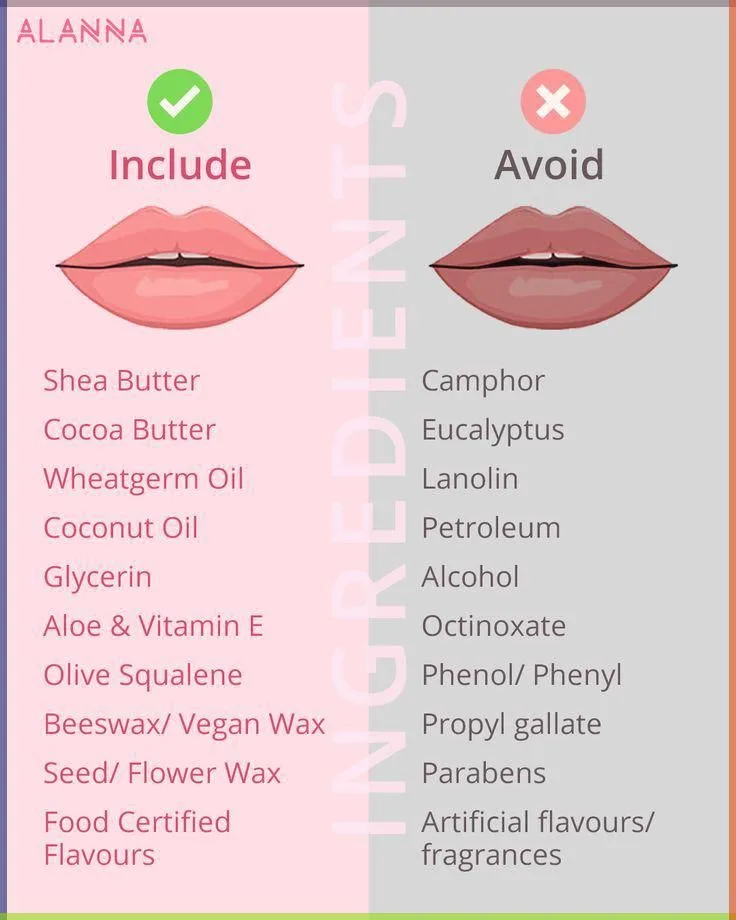
Image source: Bing (Web (fair-use with source credit))
Ingredients That Help (And Those to Watch Out For)
Understanding what's in your lip balm can make all the difference. Some ingredients are fantastic for soothing and protecting, while others might actually be contributing to your chapped lips.
Beneficial Ingredients:
- Petroleum Jelly (Vaseline): A gold standard for locking in moisture by creating a physical barrier.
- Shea Butter & Cocoa Butter: These natural emollients soften and moisturize the lips, improving texture.
- Beeswax: Helps to create a protective, semi-solid barrier that shields lips from the elements.
- Ceramides: These are lipid molecules that are naturally found in the skin barrier. Adding them can help restore and maintain that barrier function.
- Hyaluronic Acid: Known for its ability to attract and hold moisture, keeping lips plump.
- Sunscreen (SPF 15 or higher): Essential for daytime protection against UV damage.
Ingredients to Be Cautious With:
- Menthol, Camphor, Phenol: These ingredients can provide a cooling or tingling sensation, but they can also be drying and irritating for many people, especially with frequent use.
- Strong Fragrances or Flavorings: These are common culprits for contact dermatitis and irritation on sensitive lip skin.
- Salicylic Acid: While good for exfoliation, it can be too harsh for delicate lip tissue and lead to dryness.
When to Use It:
- Daily: Apply first thing in the morning, after meals, and before bed.
- Before Going Out: Especially crucial before stepping into cold, windy, or sunny weather.
- After Eating or Drinking: Reapply to maintain protection.
Hydration is Key: Your Inside-Out Approach to Lip Health
You can slather on all the balms in the world, but if your body isn't properly hydrated from the inside, your lips will likely still feel dry. Think of your lips as an indicator of your overall hydration levels. When you’re well-hydrated, your skin, including your lips, tends to look and feel plumper and healthier.
Our research shows that consistently drinking enough fluids is fundamental to preventing dry lips. It’s a simple, yet often overlooked, step in any effective lip care routine. Aiming for adequate fluid intake supports the natural moisture balance of your skin from head to toe.
- Water Intake: The general recommendation is around eight 8-ounce glasses of water per day. However, this can vary based on your activity level, climate, and individual health needs.
- Listen to Your Body: Thirst is a clear signal, but you can also monitor your urine color. Pale yellow urine generally indicates good hydration.
- Hydrating Foods: Beyond just drinking water, incorporating water-rich fruits and vegetables into your diet can also contribute to your overall fluid intake. Foods like watermelon, cucumbers, berries, and oranges are excellent choices.
- Limit Diuretics: Be mindful of excessive caffeine and alcohol intake, as these can have a dehydrating effect on your body.
Protecting Lips from the Elements: Sun, Wind, and Cold
The environment plays a huge role in how your lips feel, and neglecting protection can quickly lead to chapped lips. Whether it's the biting wind of winter or the harsh rays of the summer sun, your lips are constantly exposed and vulnerable. Creating a barrier is essential for keeping them healthy.
Manufacturer specifications for SPF lip balms consistently recommend a minimum of SPF 15, with SPF 30 or higher providing even better protection against harmful UV radiation. This is critical because the skin on your lips is thinner and more sensitive than elsewhere on your body, making it susceptible to sun damage, which in turn can lead to dryness and cracking.
Sun Protection: Always use a lip balm with SPF 30 or higher when you're going to be outdoors, even on cloudy days. Reapply it frequently, especially after eating, drinking, or sweating.
Wind Burn: In windy conditions, a thick, occlusive lip balm can act as a physical barrier against the wind's drying effect. Consider wearing a scarf that can be pulled up to cover your mouth and nose during very windy spells.
Cold Weather: Cold air holds less moisture, and indoor heating can further dry out the air in your home. Using a humidifier can help add moisture back into your living space, benefiting your lips and skin.
Application Timing: Apply your chosen protective lip balm liberally before you head outside. This ensures the barrier is in place from the moment your lips are exposed to the elements.
When to Call in the Experts: Recognizing Serious Issues
Sometimes, chapped lips aren't just a matter of dry weather or a forgotten balm application. If your lips are persistently cracked, bleeding, or don't seem to heal despite your best efforts, it might be time to consult a professional. There are underlying issues that can manifest as severe lip dryness.
Medical research indicates that persistent lip cracking or unusual dryness can sometimes be a symptom of nutritional deficiencies or allergic reactions. For instance, a lack of certain B vitamins or iron has been linked to cracked lips. In other cases, a reaction to a new product, even a seemingly harmless one, could be the cause.
- Persistent Cracking and Bleeding: If your lips are constantly sore, bleeding, or developing deep cracks that take a long time to heal, a doctor or dermatologist should evaluate them.
- Signs of Infection: Look out for redness, swelling, pus, or a burning sensation that goes beyond simple dryness. These could signal a bacterial or fungal infection requiring medical treatment.
- Unusual Texture or Color Changes: If your lips develop white patches, sores that don't heal, or any other unusual visual changes, it's important to get them checked out.
- Systemic Symptoms: If lip dryness is accompanied by other unexplained symptoms like fatigue, changes in appetite, or skin rashes elsewhere on your body, it might point to a broader health concern.
What Does a Dermatologist Look For?
A dermatologist can help diagnose the exact cause of severe lip dryness. They'll typically ask about your habits, diet, and any products you use. Visual inspection is key, and they might recommend patch testing if an allergic reaction is suspected.
They can also identify if the condition is a form of eczema or a more serious underlying health issue.
FAQs About Preventing Chapped Lips
How long does it take for chapped lips to heal?
With consistent care, mild chapped lips can start to heal within 2-3 days. More severe cracking may take a week or longer. Using a good lip balm regularly and avoiding lip licking significantly speeds up the healing process.
Can lip balm make my lips addicted?
No, lip balm doesn't create an addiction. Some ingredients, like camphor or menthol, can create a temporary tingling or cooling sensation that might feel like relief, leading you to reapply. However, this doesn't mean your lips become dependent on it; they just need protection and moisture, which the balm provides.
Is it bad to wear lipstick every day?
Wearing lipstick every day isn't inherently bad, but some formulations can be drying. If you notice your lips getting dry when wearing lipstick, switch to hydrating formulas. Always ensure you properly remove your lipstick at the end of the day to prevent irritation and dryness, and consider applying a nourishing lip balm beforehand.
What are the signs of a bad reaction to lip balm?
Signs of a bad reaction can include increased redness, swelling, itching, burning, or a rash spreading around your lips. If you experience these symptoms after using a new lip balm, discontinue use immediately and rinse your lips. If symptoms persist or worsen, consult a healthcare professional.