What Are The Different Types Of Massage?: Massage Guide
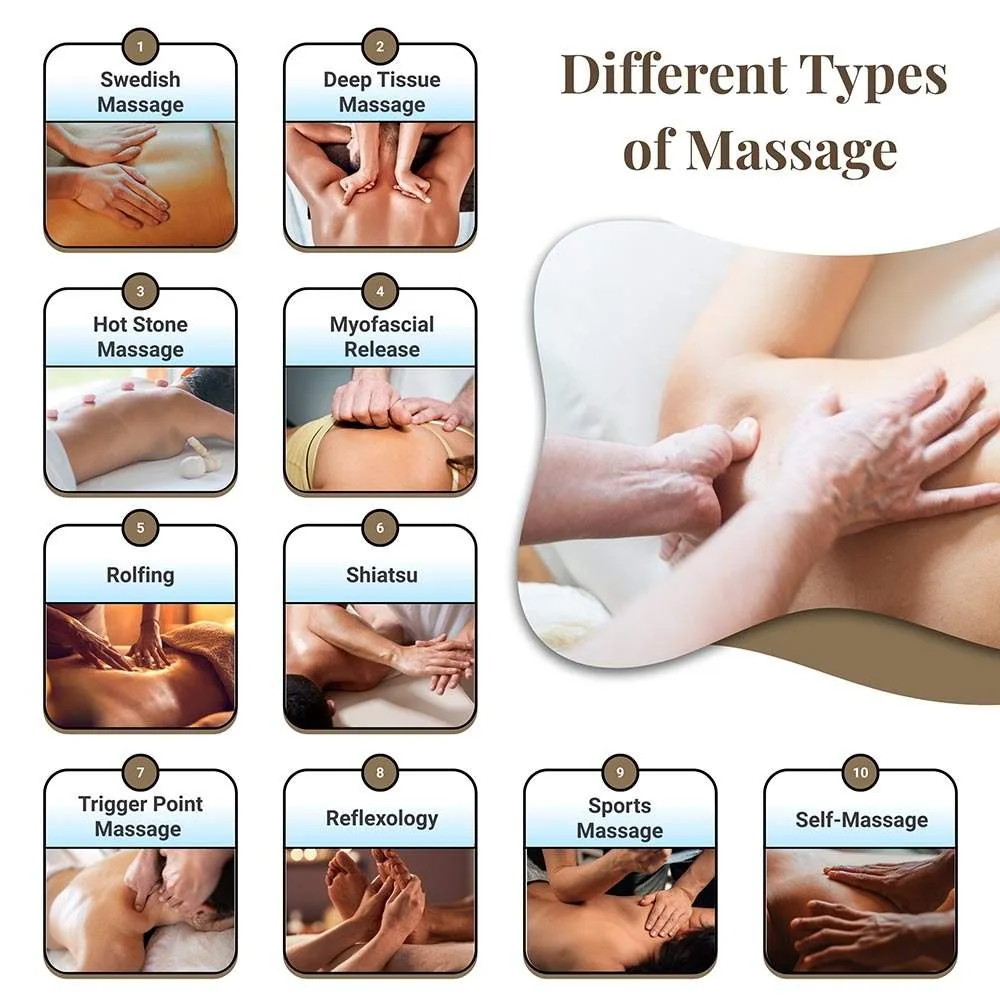
The different types of massage support relaxation, pain relief, flexibility, recovery, and better body awareness.
Massage is not one single treatment. It is a broad group of hands-on methods that use pressure, stretching, heat, oils, or gentle movement to affect muscles and soft tissue. Knowing the different types of massage helps you choose care that fits your goals, comfort level, health needs, and budget.
This guide explains how each massage style works, what it may help with, its limits, and how to select a qualified therapist. It also includes safety tips based on guidance from health organizations and professional massage groups.

Why there are different types of massage
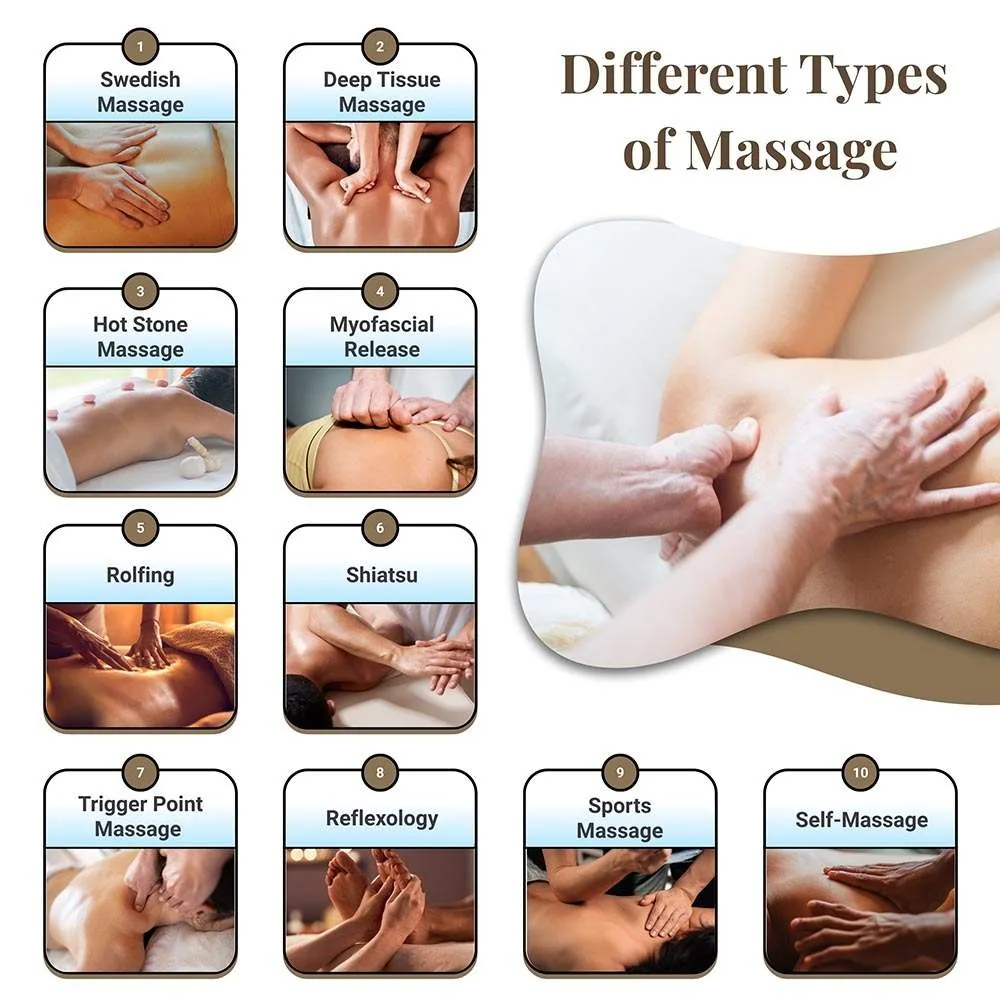
The different types of massage vary by pressure, speed, technique, body area, and purpose. A slow Swedish massage may calm the nervous system, while deep tissue massage uses firmer pressure on areas with long-term tension.
Some forms focus on relaxation. Others support sports recovery, pregnancy comfort, mobility, circulation, or pain management. No single massage is best for everyone.
Massage may help by:
• Easing muscle tension and soreness
• Supporting relaxation and stress control
• Improving short-term flexibility
• Helping some people manage mild pain
• Promoting body awareness
• Supporting recovery after activity
Research suggests that massage can provide short-term relief for some types of pain, including low back and neck pain. However, results vary. Massage should support medical care, not replace diagnosis or treatment from a qualified health professional.
A useful way to think about massage is like choosing shoes. Running shoes, work boots, and slippers all protect your feet, but each suits a different need. The same is true for massage.
Swedish massage
Swedish massage is one of the most popular and beginner-friendly types of massage. It uses long, flowing strokes, kneading, circular movements, and light to moderate pressure.
A typical session may include:
• Effleurage, or smooth gliding strokes
• Petrissage, or kneading of muscles
• Friction to warm certain areas
• Gentle tapping or rhythmic movements
• Passive movement of the arms and legs
Swedish massage often suits people who want relaxation, general muscle comfort, or a first massage experience. The therapist can usually adjust the pressure from very light to moderately firm.
Many people leave a Swedish massage feeling calm and loose. Some also notice less muscle tightness for a short time. Evidence for specific medical benefits remains mixed, so it is best viewed as a wellness service rather than a cure.
Swedish massage may not be ideal if you want intense work on a very specific injury or deep knot. In that case, a therapist may suggest a more targeted approach.
Deep tissue massage
Deep tissue massage uses slow strokes and firm pressure to reach deeper layers of muscle and connective tissue. It may target areas affected by long-term tension, repetitive work, poor posture, or strenuous exercise.
Despite its name, deep tissue massage should not feel unbearable. More pressure does not always mean better results. A skilled therapist works gradually and checks your comfort throughout the session.
Deep tissue massage may help with:
• Chronic muscle tightness
• Stiff shoulders and neck
• Certain types of lower back discomfort
• Limited movement caused by tension
• Recovery from repeated physical activity
It is normal to feel mild tenderness after deep work. Sharp pain, numbness, burning, or bruising are warning signs. Tell the therapist right away if the pressure feels wrong.
One common mistake is booking deep tissue massage simply because it sounds more effective. If your body is tired, stressed, or sensitive, Swedish massage may be a better first choice.
Sports massage
Sports massage is designed for people who train, compete, or perform repeated physical activity. It does not belong only to professional athletes. Runners, cyclists, dancers, hikers, and gym users may also benefit from this approach.
Sports massage can include several methods, such as Swedish strokes, compression, stretching, and focused work on overused muscles. The session may change based on whether you are preparing for activity, recovering after it, or managing regular training stress.
A sports massage may support:
• Muscle recovery after exercise
• Flexibility and range of motion
• Awareness of tight areas
• Comfort after repetitive movement
• Relaxation during a training schedule
Massage cannot prevent every injury or repair a torn ligament. It also should not be used on a fresh injury with major swelling, heat, or severe pain unless a health professional approves it.
For best results, avoid trying a new intense massage the day before an important race or event. Your body may need time to respond.
Hot stone massage
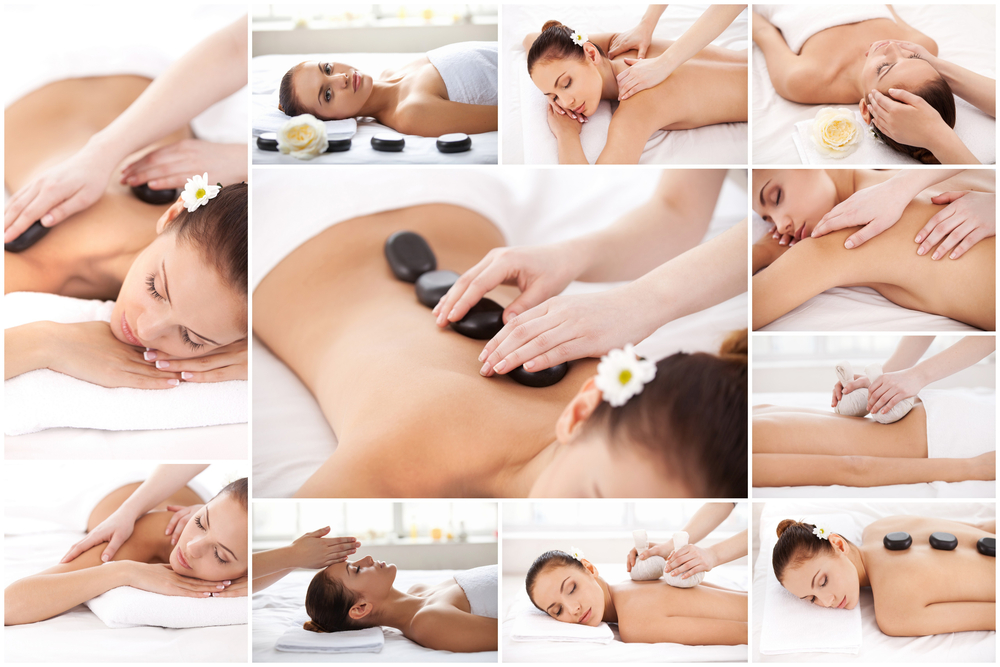
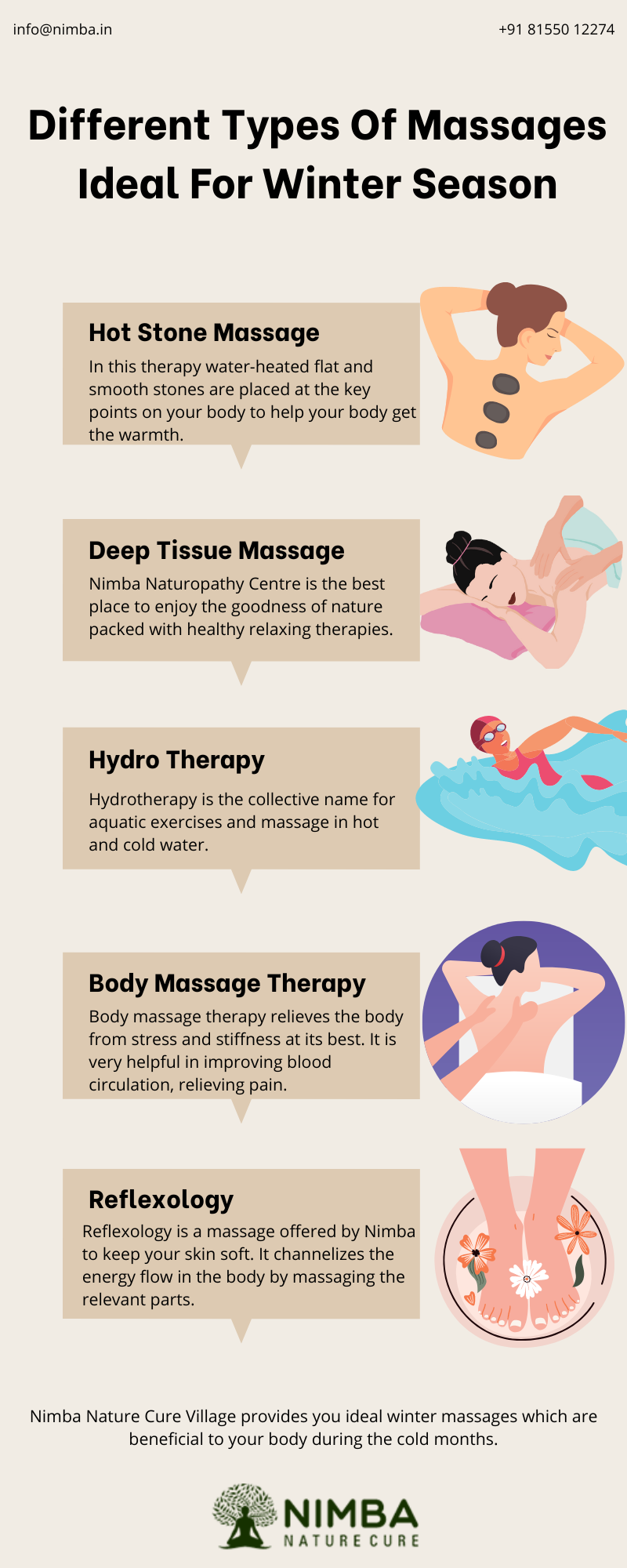
Hot stone massage combines massage strokes with smooth, heated stones. Therapists often place the stones on areas such as the back, hands, or legs. They may also hold the stones while massaging.
The heat can make muscles feel more relaxed. This may allow the therapist to use slower pressure with less effort. Many people choose hot stone massage for a soothing, spa-like experience.
Potential benefits include:
• A strong sense of relaxation
• Temporary relief from muscle tension
• Comfort in cool weather
• A calming sensory experience
Heat is not safe for everyone. People with reduced heat sensation, certain skin conditions, circulation problems, diabetes-related nerve damage, or some heart conditions may need to avoid hot stone massage or get medical advice first.
The stones should feel warm, not painfully hot. Always tell the therapist if the temperature feels too high.
Prenatal massage
Prenatal massage is adapted for people who are pregnant. The therapist uses safe positioning, supportive pillows, moderate pressure, and techniques suited to the stage of pregnancy.
Many pregnant people seek prenatal massage for:
• Lower back discomfort
• Hip or leg tension
• General stress
• Muscle fatigue
• Swelling related to pregnancy
The therapist may position you on your side or use specially designed support. Lying flat on the back for a long time may not be comfortable later in pregnancy.
Choose a therapist trained in prenatal care. Ask your obstetrician or midwife before booking, especially if you have high blood pressure, bleeding, pregnancy complications, or a history of blood clots.
Prenatal massage is not a treatment for pregnancy complications. It is a comfort-focused service that should work alongside proper prenatal care.
Shiatsu massage
Shiatsu is a Japanese massage style that uses finger, thumb, palm, and sometimes elbow pressure. The therapist applies pressure along areas traditionally called meridians and may include gentle stretching or joint movement.
Shiatsu is usually performed with the client wearing loose clothing. It often takes place on a floor mat or firm massage table, without massage oil.
People may choose shiatsu for:
• Relaxation
• General body tension
• A sense of improved mobility
• Gentle stretching
• Cultural or traditional wellness practices
Some explanations of shiatsu are based on traditional energy concepts rather than modern anatomy. Research on its specific medical effects is limited. Still, the pressure, movement, and quiet setting may feel helpful for relaxation and body awareness.
Tell the therapist about joint problems, osteoporosis, recent surgery, or any condition that makes stretching difficult.
Thai massage
Thai massage combines assisted stretching, rhythmic compression, and movement. The client usually wears loose clothing and lies on a padded mat. The therapist may use hands, thumbs, elbows, knees, or feet.
Thai massage is sometimes described as passive yoga because the therapist guides your body through positions. It can feel active rather than sleepy.
Possible benefits include:
• A feeling of greater flexibility
• Reduced muscle tightness
• Gentle movement of stiff joints
• Relaxation through rhythmic pressure
Thai massage may be too intense for people with limited mobility, recent injuries, joint instability, or low tolerance for stretching. The therapist should never force a joint or push through pain.
If you are new to Thai massage, request a gentle session and explain your experience level before the treatment begins.
Reflexology
Reflexology applies pressure to specific areas of the feet, hands, or ears. Practitioners believe these points relate to other parts of the body. Modern research does not confirm that foot points directly control internal organs.
However, foot and hand massage can still feel relaxing and may reduce local tension. Reflexology is best understood as a complementary wellness practice, not a proven way to diagnose or cure disease.
People often choose reflexology when they want:
• A focused foot or hand treatment
• Relaxation without full-body massage
• Comfort after standing or walking
• A quiet, low-pressure experience
Avoid foot work over open wounds, infections, severe swelling, or unexplained pain. People with diabetes, poor circulation, or nerve problems should ask a health professional for advice first.
Aromatherapy massage
Aromatherapy massage combines gentle massage with essential oils. The oils may be diluted in a carrier oil and applied to the skin, or used in a diffuser.
Commonly used scents include lavender, peppermint, eucalyptus, and citrus. The choice often depends on personal preference. The massage itself may provide most of the relaxation, while the scent adds another sensory layer.
Before an aromatherapy session:
• Ask which oils will be used
• Mention allergies and asthma
• Report sensitive skin
• Ask whether the oil is diluted
• Avoid ingesting essential oils unless directed by a qualified professional
Essential oils can irritate skin and may cause allergic reactions. Some oils are not suitable during pregnancy or around pets and children. A patch test may help identify skin sensitivity, but it does not guarantee a reaction will not occur later.
Myofascial release
Myofascial release focuses on fascia, the thin connective tissue that surrounds muscles and other body structures. The therapist uses slow, sustained pressure and stretching to address areas that feel restricted.
This approach may feel subtle. Instead of repeated rubbing, the therapist may hold pressure in one place for a period of time. The goal is to encourage easier movement and reduce the feeling of tightness.
Myofascial work may be considered for:
• Restricted movement
• Postural tension
• Muscle tightness
• Discomfort after repetitive activity
The term “release” does not mean that fascia is being physically broken apart. Claims about specific structural changes are not always supported by strong evidence. Benefits may come from pressure, movement, relaxation, and changes in how the nervous system senses discomfort.
As with all different types of massage, results differ from person to person.
Trigger point massage
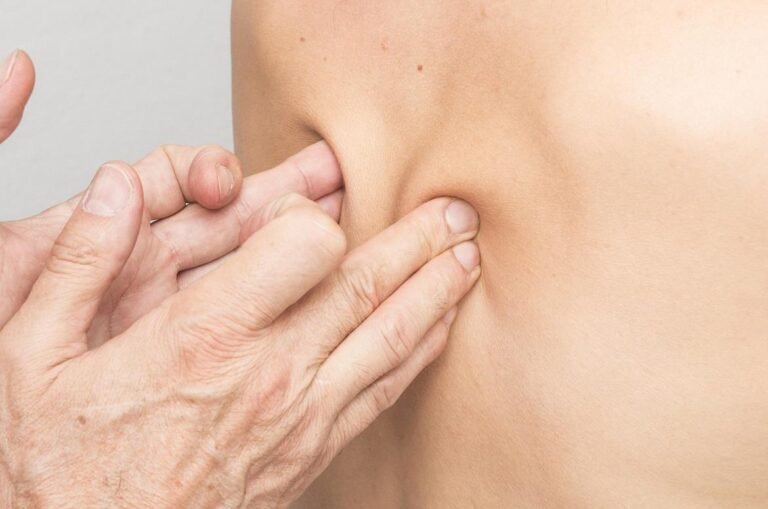
Trigger point massage targets tender spots in tight bands of muscle. These spots may refer discomfort to another area. For example, a tender point in the shoulder may create discomfort that seems to travel toward the neck.
The therapist may use focused pressure, stretching, or movement. The pressure should be controlled and brief rather than extreme.
Trigger point work may help people with:
• Repeated muscle tension
• Certain headache patterns linked to muscle tightness
• Shoulder discomfort
• Limited movement
It is important to distinguish a muscle trigger point from a medical problem. Chest pain, severe headaches, unexplained weakness, or sudden pain require medical attention, not massage.
A good therapist does not chase every painful spot. They look at movement, posture, activity, and the wider pattern of tension.
Lymphatic drainage massage
Manual lymphatic drainage is a very gentle technique that uses light, slow strokes. It is designed to support the movement of lymph fluid through the body.
This treatment is sometimes used in medical settings for lymphedema or swelling after certain procedures. It should be performed by a therapist with appropriate clinical training when it is being used for a health condition.
It is not the same as firm massage. Heavy pressure may be unsuitable for lymphatic concerns.
Get medical advice before lymphatic drainage if you have:
• Unexplained swelling
• A current infection
• Suspected blood clot
• Uncontrolled heart failure
• Serious kidney disease
• Sudden changes in one limb
Do not use massage to self-treat swelling that appears suddenly or without a clear reason. That symptom may need prompt medical evaluation.
Chair massage
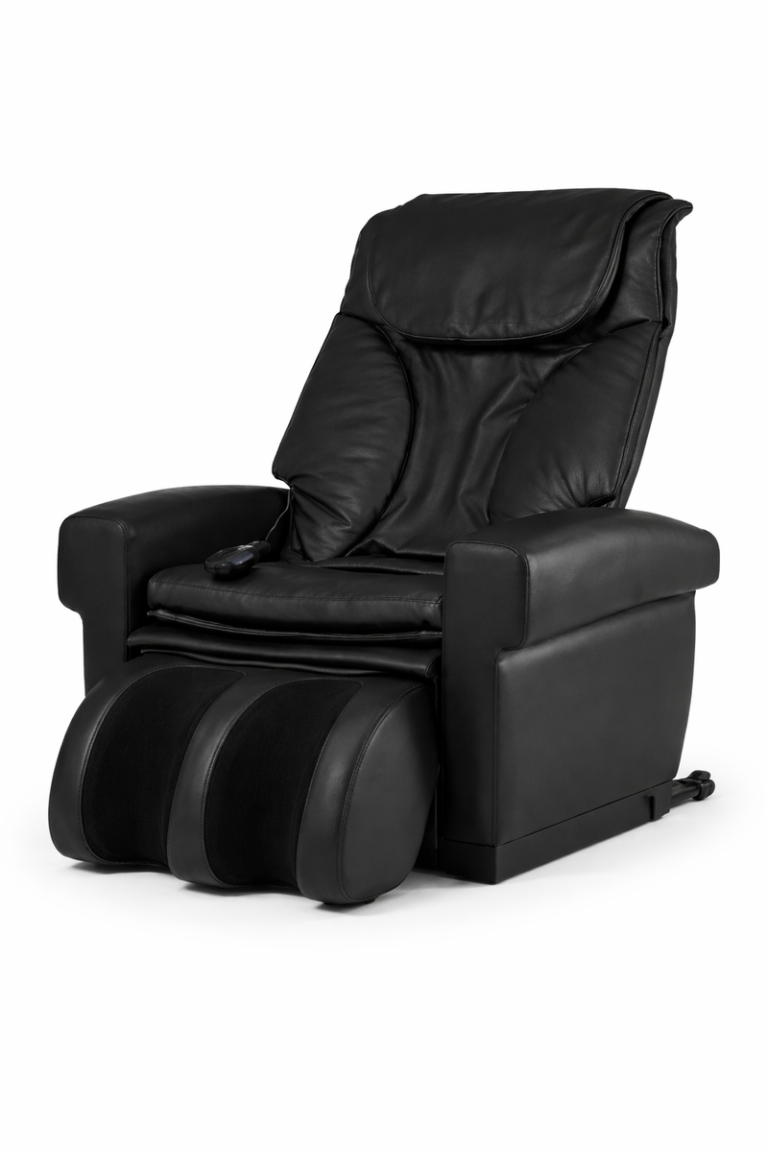
Chair massage is a short treatment performed through clothing while you sit in a specially designed chair. It usually focuses on the back, shoulders, neck, arms, and hands.
Sessions often last from 5 to 30 minutes. Chair massage is common in workplaces, airports, events, and wellness centers.
Benefits may include:
• Quick relaxation during a busy day
• Temporary relief from shoulder tension
• Easy access without changing clothes
• A lower-cost introduction to massage
Chair massage cannot address every area of the body. It may also be uncomfortable for people who have trouble sitting upright or who need a private setting.
Even a short session can help you notice where you hold stress. That awareness may encourage better posture, movement breaks, and rest.
Medical or therapeutic massage
Medical massage is a targeted approach used to support a specific health goal. It may be part of a broader care plan for issues such as muscle tension, limited movement, or recovery after certain procedures.
The therapist may use methods from several different types of massage. The key difference is the focused goal, assessment, and communication with other health professionals.
A therapeutic session may include:
• A review of symptoms and movement
• Focused work on selected body areas
• Home stretching or movement advice
• Progress tracking
• Referral to a doctor or physical therapist when needed
Massage therapists do not diagnose every source of pain. Pain may come from nerves, joints, organs, infection, or other conditions that need medical care. A responsible therapist knows when to stop and refer you elsewhere.
How to choose the right massage
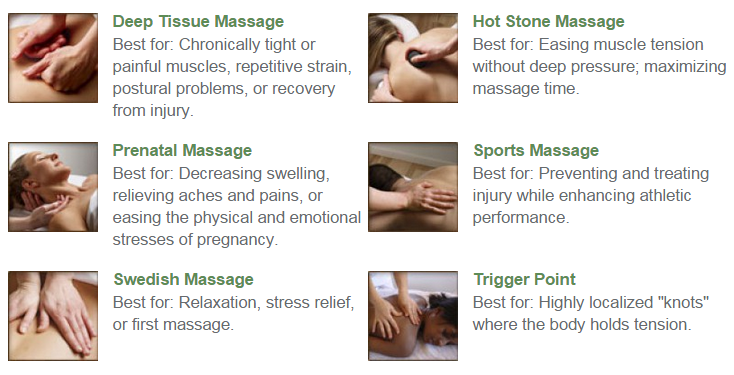
Start with your main goal. Do you want rest, relief from muscle tightness, support after exercise, or help with a specific movement problem?
Use this simple guide:
• Choose Swedish massage for general relaxation or a first session.
• Choose deep tissue massage for long-term muscle tightness, if you tolerate firm pressure.
• Choose sports massage for training-related muscle stress.
• Choose prenatal massage during pregnancy, with medical approval when needed.
• Choose hot stone massage for warmth and relaxation.
• Choose Thai massage for assisted stretching and movement.
• Choose chair massage for a short treatment during a busy day.
• Choose therapeutic massage for a specific concern that has been medically assessed.
Ask the therapist these questions before booking:
-
What training do you have for my needs?
-
What pressure and techniques do you plan to use?
-
How will you adapt the session if I feel pain?
-
What should I wear?
-
Are there reasons I should ask my doctor first?
A licensed or regulated massage therapist may be required in your state. Requirements vary across the United States, so check local rules and the therapist’s credentials.
What happens during a massage session
Most sessions begin with a short health and goal check. You should share current symptoms, medications, surgeries, allergies, pregnancy status, and any condition that affects your skin, bones, nerves, or circulation.
You remain covered by a sheet or towel, except for the area being treated. Professional draping protects privacy. You can ask to stop, change position, lower the pressure, or end the session at any time.
A useful communication scale is:
• Light pressure: soothing and easy to tolerate
• Moderate pressure: clear contact without sharp pain
• Strong pressure: intense but still controlled
Pain is not a requirement for a useful massage. Numbness, tingling, electric pain, dizziness, nausea, or shortness of breath should be reported at once.
Afterward, drink water if you are thirsty, move gently, and avoid demanding exercise if you feel sore. Mild tenderness can occur, especially after firm work, but severe or lasting pain deserves medical advice.
Massage safety, risks, and limitations
Massage is generally safe for many healthy adults when performed by a trained professional. Still, it is not risk-free.
Possible side effects include:
• Temporary soreness
• Skin irritation from oils
• Bruising after strong pressure
• Headache or fatigue
• Increased pain from overly intense work
Speak with a health professional before massage if you have a serious medical condition, recent surgery, a bleeding disorder, fragile bones, uncontrolled blood pressure, or a history of blood clots.
Avoid massage over:
• Open wounds
• Burns
• Active skin infections
• Severe swelling
• Unhealed fractures
• Areas with unexplained lumps
• Suspected blood clots
Massage should not be performed over a suspected clot. A clot can become life-threatening if it moves. Sudden one-sided leg swelling, warmth, redness, chest pain, or trouble breathing needs urgent medical attention.
The different types of massage may improve comfort, but they do not cure cancer, remove toxins, realign every bone, or replace needed medical treatment. Be cautious of anyone who promises guaranteed results.
How often should you get a massage?
There is no universal schedule. Your ideal frequency depends on your goals, response, health, activity level, and budget.
Some people book massage occasionally for relaxation. Others use a short series of sessions for a specific movement or tension concern. A therapist may recommend spacing visits so your body has time to respond.
Consider these factors:
• How long the benefit lasts
• Whether soreness occurs afterward
• Your daily activity and stress level
• The cost of ongoing care
• Advice from your doctor or physical therapist
More frequent sessions are not always better. If your symptoms keep returning, look at sleep, posture, strength, workload, footwear, stress, and movement habits too. Massage may be one helpful piece of a larger plan.
Common mistakes to avoid
Choosing massage based only on price or the promise of extreme pressure can lead to a poor experience. A good therapist should ask questions, explain the plan, and respect your boundaries.
Avoid these common mistakes:
• Booking deep tissue massage for a fresh injury
• Staying silent when pressure hurts
• Failing to mention medications or health conditions
• Expecting one session to solve chronic pain
• Using massage instead of urgent medical care
• Assuming every therapist has the same training
• Applying undiluted essential oils to the skin
One practical lesson is simple: communication matters more than toughness. The best session is not the one you endure. It is the one that matches your body and leaves you feeling safe.
Frequently asked questions about the different types of massage
What are the different types of massage for relaxation?
Swedish massage is usually the best-known choice for relaxation because it uses smooth strokes and comfortable pressure. Aromatherapy and hot stone massage may also create a calming experience.
Which type of massage is best for tight muscles?
Deep tissue, trigger point, myofascial, or therapeutic massage may help with persistent muscle tightness. The best option depends on the cause, location, pressure you can tolerate, and whether a medical condition is involved.
What is the difference between Swedish massage and deep tissue massage?
Swedish massage uses lighter to moderate pressure and broad, flowing strokes. Deep tissue massage uses slower, more focused pressure on deeper layers of muscle and connective tissue.
Is massage safe during pregnancy?
Prenatal massage can be safe for many pregnant people when performed by a trained therapist. Ask your obstetrician or midwife first if you have complications, bleeding, high blood pressure, or other medical concerns.
Which massage is best after exercise?
Sports massage may suit people who train regularly because it can focus on overused muscles and movement needs. Gentle Swedish massage may be better after very hard exercise or when your body feels sensitive.
Can massage treat chronic pain?
Massage may provide short-term comfort for some chronic pain conditions, but it does not treat every cause of pain. Persistent or worsening pain should be assessed by a qualified health professional.
How often should I get a massage?
The right schedule depends on your goals, health, response, and budget. Occasional massage may be enough for relaxation, while a targeted plan may include several spaced sessions.
Conclusion
The different types of massage range from gentle Swedish massage to focused deep tissue, sports, prenatal, Thai, hot stone, reflexology, and therapeutic care. Each style has a different purpose, pressure level, and safety profile.
Choose based on your goal, share your health history, and speak up during the session. A trained therapist should adapt the treatment rather than push you through pain.
Start with the gentlest option that fits your needs, then adjust based on how your body responds. Explore trusted local therapists, ask clear questions, and share your experience or questions in the comments.