Is Massage Safe During Pregnancy: Essential Safety Tips
Yes, massage is often safe during pregnancy when adapted by a trained prenatal therapist and approved by your clinician.
Pregnancy massage can ease sore muscles, back pain, leg cramps, stress, and poor sleep. Yet pregnancy changes blood flow, joints, balance, and skin sensitivity, so the right technique matters. This guide explains when massage is safe during pregnancy, which positions and methods to choose, what to avoid, and when to ask your health care provider first.
Is massage safe during pregnancy?
For most people with a healthy pregnancy, massage is safe during pregnancy when performed gently and by a therapist trained in prenatal care. A prenatal massage uses modified positions, lighter pressure, careful support, and techniques suited to each stage of pregnancy.
Many pregnant people choose massage for:
• Lower back pain and hip tension
• Neck and shoulder tightness
• Mild swelling in the hands or feet
• Muscle cramps
• Stress and anxiety
• Trouble sleeping
• General body discomfort
Research suggests that massage during pregnancy may lower stress hormones and improve mood. Some studies also report less back and leg pain. However, massage is not a treatment for pregnancy complications, and research on some claimed benefits remains limited.
Always tell your obstetrician, midwife, or other qualified provider before booking a massage. This step is especially important if your pregnancy is high risk or you have symptoms such as bleeding, severe pain, high blood pressure, or contractions.

When should you wait or get medical approval?
Massage may not be suitable during pregnancy if you have a condition that needs medical care. A therapist should not diagnose or treat a pregnancy problem. Your prenatal care provider should decide whether massage is appropriate.
Ask for medical advice before scheduling a session if you have:
• Vaginal bleeding or fluid leakage
• Placenta previa or another placental problem
• Preeclampsia or high blood pressure
• A history or current risk of preterm labor
• Severe swelling, sudden weight gain, or a severe headache
• Blood clots, clotting problems, or a history of deep vein thrombosis
• Fever, infection, or unexplained illness
• Severe abdominal, pelvic, or calf pain
• A pregnancy considered high risk
• Recent surgery or a serious injury
Massage should never delay urgent care. For example, one-sided calf swelling with warmth or pain may signal a blood clot. Chest pain, shortness of breath, heavy bleeding, or severe headache needs prompt medical attention, not a massage appointment.
If you are in the first trimester, many therapists prefer to wait until after 12 weeks. This is often a clinic policy, not proof that gentle massage causes miscarriage. Early pregnancy loss usually has complex medical causes, but your provider can give advice based on your health.
:max_bytes(150000):strip_icc()/pregnancy-massage-benefits-contraindications-and-safety-5190485-FINAL-c89f331227f24d5aa5a7e789c13c3a30.jpg)
What are the benefits of prenatal massage?
Prenatal massage can provide comfort when normal body changes make daily life harder. As the belly grows, the lower back may work more. Hormonal changes can also loosen joints and affect posture. Gentle massage may help release muscle tension around the back, hips, neck, and shoulders.
Potential benefits include:
Less back and pelvic discomfort
A therapist can work on nearby muscles without pressing directly on the abdomen. Side-lying support may help reduce strain on the lower back and hips.
Better relaxation and sleep
Calm touch may help the body shift from a stress response to a more relaxed state. Some people sleep better after a massage, although the effect may be short term.
Improved mood
Pregnancy can bring joy, worry, fatigue, and major life changes. A quiet massage session may offer emotional relief. Massage should support mental health care, not replace counseling or treatment for depression or anxiety.
Relief from tight muscles
The calves, feet, shoulders, and upper back often feel overworked. Light to moderate pressure may ease tension and improve comfort.
A chance to notice body changes
A trained therapist may notice unusual swelling or tenderness and suggest that you contact your provider. This does not make the therapist a medical examiner, but it adds another layer of care.
Massage is not proven to start labor, turn a baby, cure sciatica, prevent preeclampsia, or remove all swelling. Be cautious of anyone who promises these results.
Which massage position is safest?
After the first trimester, lying flat on your back for a long time may feel uncomfortable and can reduce blood flow for some people. The growing uterus may press on major blood vessels. This does not mean that briefly lying on your back is always dangerous, but comfort and circulation matter.
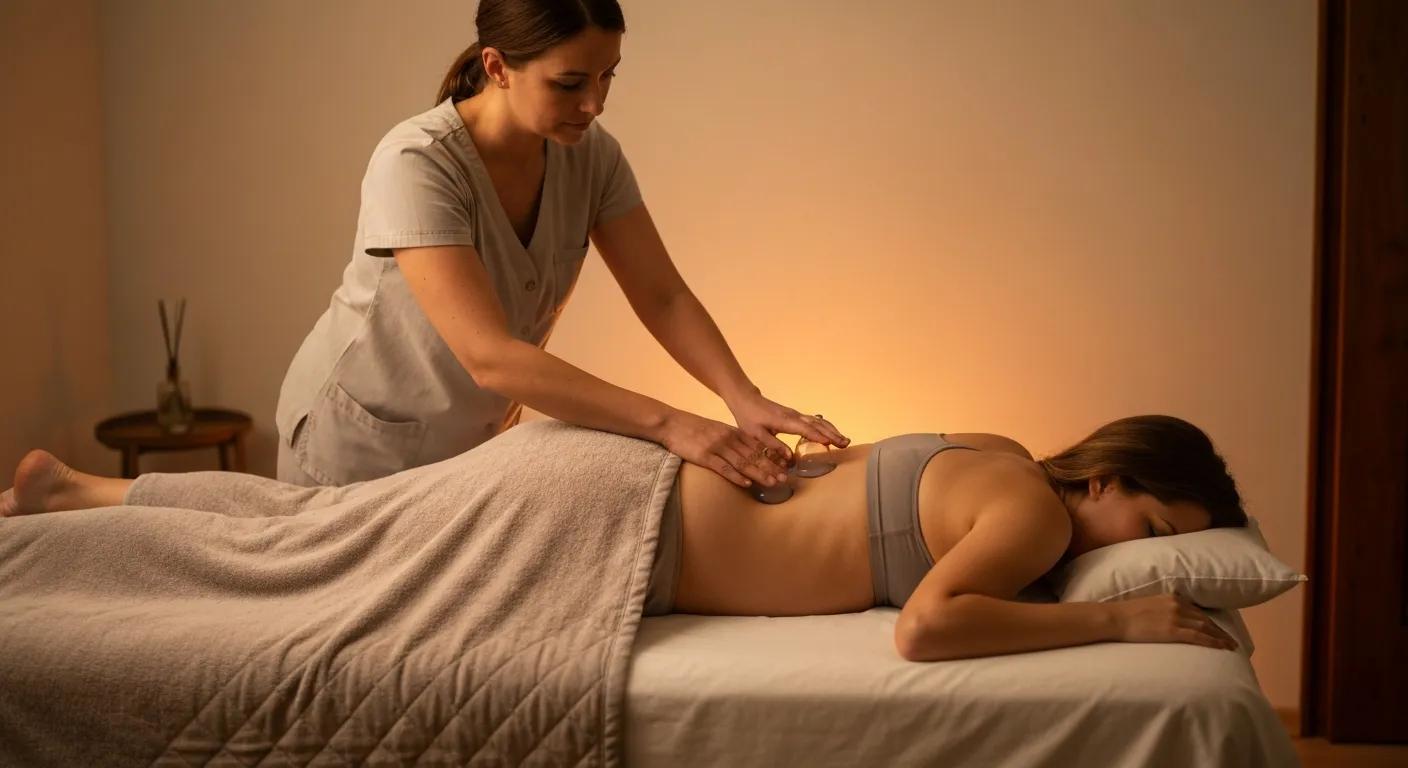
The most common prenatal massage position is side lying. A therapist may use:
• Pillows under the head and belly
• A cushion between the knees
• Support behind the back
• A wedge that tilts the body slightly
• A semi-reclined position for upper-body work
Many people prefer the left side, but the best position is the one that feels safe and allows normal breathing. You can change positions at any time.
Tell the therapist right away if you feel dizzy, short of breath, nauseated, sweaty, numb, or uncomfortable. Do not try to “push through” discomfort. Massage should feel calming, not like a test of endurance.
A prone position, or lying face down, may be possible early in pregnancy with proper equipment. Later, it is usually avoided unless the table and setup are specifically designed for pregnancy.
What massage techniques are safe during pregnancy?
A prenatal therapist usually uses slow, controlled strokes and avoids deep work in sensitive areas. The therapist should ask about your symptoms, medical history, due date, and comfort before beginning.
Common options include:
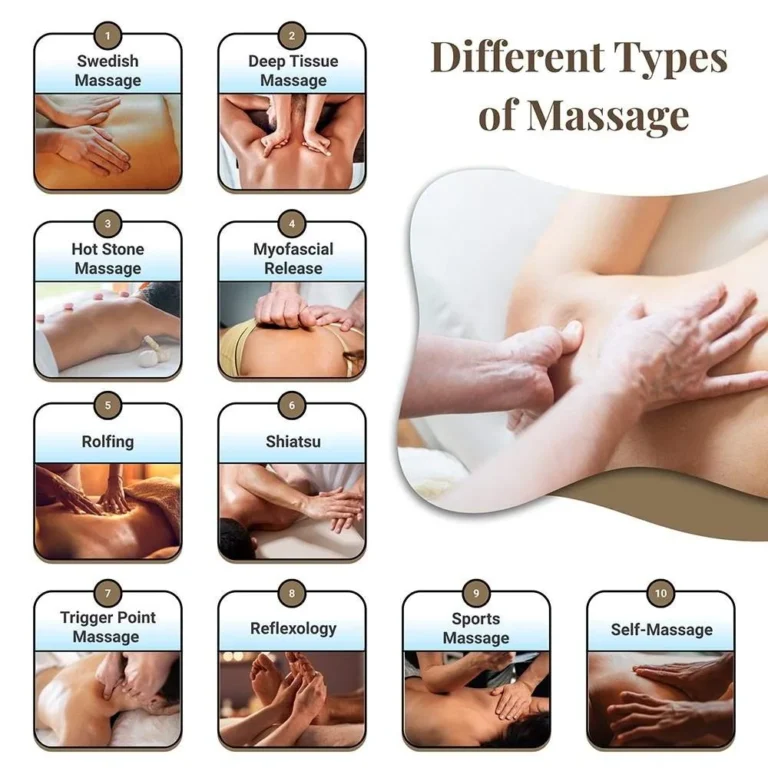
• Gentle Swedish massage
• Light work on the back, shoulders, arms, and legs
• Soft tissue work around tight muscles
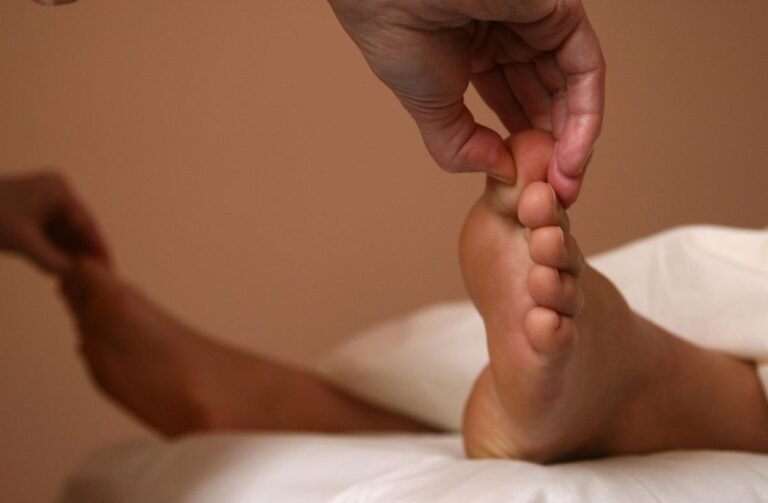
• Gentle foot and hand massage
• Relaxation breathing during treatment
• Carefully adapted myofascial techniques
Deep pressure is not automatically unsafe, but forceful work can cause pain, bruising, or irritation. Pregnancy may make joints and ligaments more flexible, so aggressive stretching can be too much.
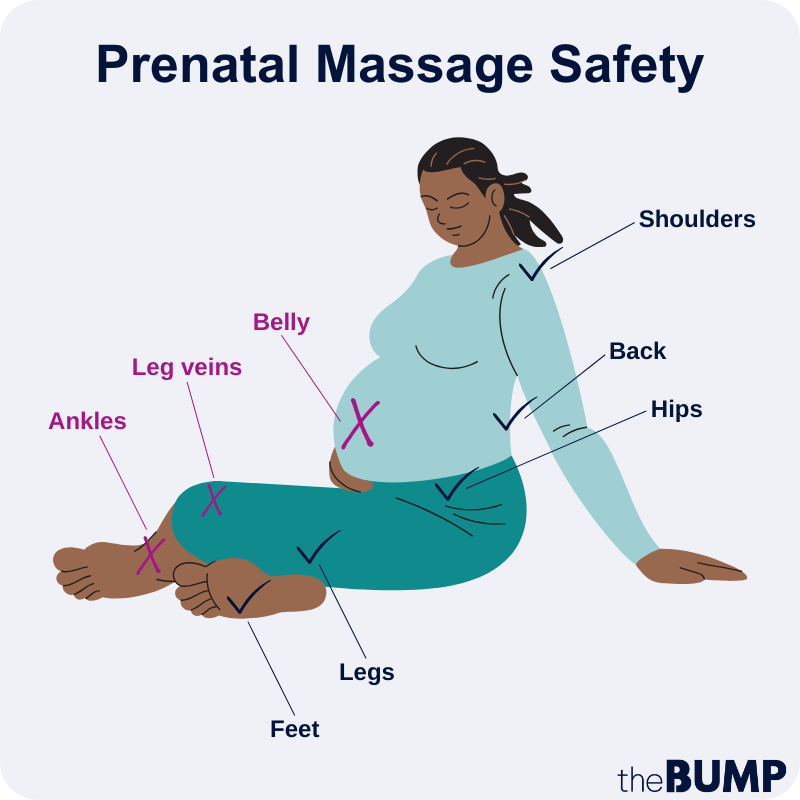
Be careful with abdominal massage. Most prenatal therapists avoid deep pressure over the belly. Gentle contact may be comfortable for some people, but it should never hurt or cause cramping.
Foot and leg massage also deserve care. Gentle massage may feel soothing, but strong pressure on a painful, swollen, red, or warm calf is not appropriate. That symptom needs medical assessment.

What should you avoid during a pregnancy massage?
Safe massage during pregnancy depends as much on what is avoided as on what is included. A qualified therapist should know how to adjust pressure, position, products, and session length.
Avoid:
• Deep pressure that causes pain
• Strong stretching or joint manipulation
• Massage over the abdomen
• Massage over varicose veins, wounds, rashes, or bruises
• Firm pressure on a swollen or painful calf
• Long periods flat on your back
• Overheating in a hot room or with heated pads
• Unapproved essential oils
• Therapists without prenatal training
• Any session that ignores your provider’s advice
Some essential oils may irritate the skin or cause nausea. Others may not be recommended during pregnancy because safety data are limited. Ask your provider and therapist about every oil, cream, or balm. Fragrance-free products may be the simplest choice.
A hot stone massage, sauna session, or heated blanket can raise body temperature. Excess heat is a concern during pregnancy, especially early on. A regular prenatal massage should keep you cool and comfortable.

How to choose a prenatal massage therapist
Training and communication matter. Look for a licensed massage therapist who has specific education in prenatal massage. In the United States, licensing rules vary by state, so check the therapist’s credentials and professional standing.
Before booking, ask:
- Do you have prenatal massage training?
- How do you position clients after the first trimester?
- Do you screen for pregnancy complications?
- Which products and essential oils do you use?
- Can you adjust pressure and stop if I feel discomfort?
- Do you require approval from my doctor or midwife?
A good therapist will welcome these questions. They will also ask about your due date, symptoms, medications, and provider’s recommendations.
Your first session should feel like a conversation, not a routine. Share whether you have pelvic pain, swelling, numbness, varicose veins, or a history of preterm labor. During the massage, speak up about pressure, temperature, music, lighting, and position.
One practical lesson in prenatal care is that “gentle” does not mean identical for everyone. A technique that feels fine at 20 weeks may not feel right at 34 weeks. Your body gives useful feedback, so the plan should change with you.
How to prepare for a safe massage
A little preparation can make the session more comfortable and reduce risk.
• Eat a light meal if you tend to feel faint
• Drink water before and after the session
• Wear loose clothing
• Bring your provider’s instructions if needed
• Tell the therapist how many weeks pregnant you are
• Mention allergies, skin problems, and medications
• Use the restroom before treatment
• Plan time to rest afterward
Ask for a shorter session if you are new to massage. Thirty to 60 minutes may be easier than a long appointment. Stop the session if you develop pain, bleeding, fluid leakage, contractions, dizziness, shortness of breath, or unusual weakness.
Mild muscle tenderness can occur after massage. Severe pain, lasting numbness, significant swelling, or new pregnancy symptoms are not normal reasons to wait. Contact your health care provider if they occur.
Massage can be part of a larger comfort plan. Gentle movement, supportive shoes, pregnancy-safe exercise, hydration, good sleep habits, and medical treatment may also help.
Is massage safe during pregnancy in each trimester?
The answer can change as pregnancy progresses. Your comfort, symptoms, and medical history are more important than a fixed rule.
First trimester
Some therapists do not offer massage during the first 12 weeks. If your provider approves it, sessions are usually gentle and focused on relaxation. Avoid pressure that causes pain, nausea, dizziness, or abdominal discomfort.
Second trimester
Many people find massage more comfortable during this stage. Side-lying or semi-reclined positions can support the belly and reduce back strain. The therapist should still avoid prolonged flat-back positioning and forceful techniques.
Third trimester
The growing uterus, pelvic pressure, swelling, and shortness of breath may affect positioning. Sessions may need to be shorter, with more pillows and frequent breaks. Contact your provider before massage if you have contractions, bleeding, fluid leakage, sudden swelling, or concerns about early labor.
Is massage safe during pregnancy late in the third trimester? It may be safe for some people, but approval from your prenatal provider is especially useful then.
Is massage safe during pregnancy at home?
A partner can provide a gentle massage at home if your provider has no concerns. Focus on the shoulders, upper back, hands, and feet. Use light pressure and keep the person in a supported side-lying or semi-reclined position.
Avoid deep work on the abdomen, inner thighs, and painful calves. Do not massage a body area that is red, hot, swollen, bruised, or unusually tender.
A simple home routine might include:
- Set up pillows for side support.
- Use a small amount of unscented lotion.
- Start with slow strokes on the shoulders.
- Ask about pressure every few minutes.
- Stop at once if pain, cramping, dizziness, or nausea begins.
A home massage should be relaxing, not a substitute for medical assessment. When in doubt, call your provider before continuing.
What does the evidence say?
Clinical guidance generally supports massage for many people with uncomplicated pregnancies when a trained professional adapts the treatment. Studies suggest possible improvements in stress, anxiety, sleep, and muscle pain. Still, many studies are small, and massage research does not answer every safety question.
This means massage is best viewed as a comfort measure. It may help you feel better, but it cannot replace prenatal visits, prescribed treatment, or evaluation of warning signs.
Professional pregnancy care groups commonly emphasize screening, side-lying or supported positions, avoidance of excessive pressure, and communication with the client’s medical team. These safeguards are more reliable than claims that any single massage point can change labor or pregnancy outcomes.
Is massage safe during pregnancy for everyone? No treatment is safe for every person. The safest decision comes from combining your health history, current symptoms, provider’s advice, and the therapist’s training.
Frequently Asked Questions About Is Massage Safe During Pregnancy?
Can massage cause a miscarriage?
There is no good evidence that a properly adapted, gentle prenatal massage causes miscarriage in a healthy pregnancy. However, people with bleeding, pain, or pregnancy complications should contact a health care provider before receiving massage.
Is massage safe during pregnancy at 10 weeks?
Some providers and therapists allow gentle massage at 10 weeks, while others prefer waiting until after the first trimester. Ask your obstetrician or midwife, especially if you have symptoms or a high-risk pregnancy.
Can I get a deep tissue massage while pregnant?
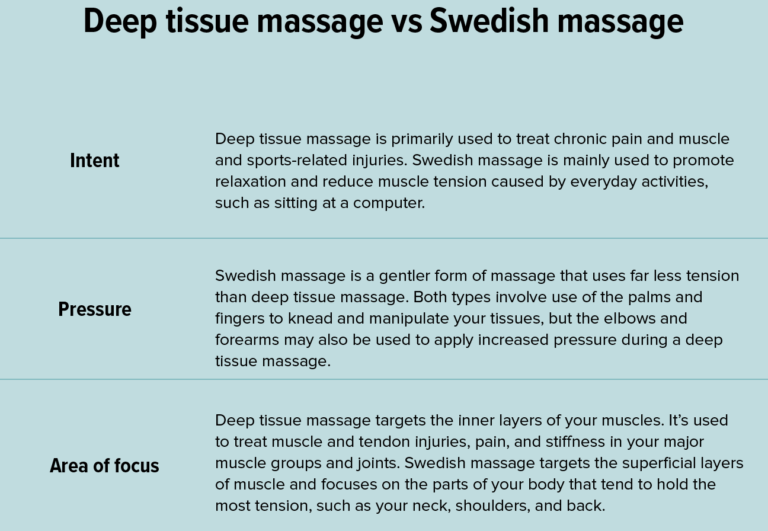
Deep tissue massage may be modified, but very forceful pressure and painful techniques should be avoided. Choose a therapist trained in prenatal care and tell them to use pressure that feels comfortable.
Is it safe to massage the legs during pregnancy?
Gentle leg massage may relieve normal muscle tension. Do not massage a leg that is suddenly swollen, red, hot, painful, or tender, because those symptoms may need urgent medical assessment.
Can I lie on my back during a pregnancy massage?
Short periods may be comfortable for some people, but prolonged flat-back positioning can cause dizziness or reduced comfort later in pregnancy. Side lying or a supported, semi-reclined position is often preferred.
Are essential oils safe during pregnancy massage?
Not all essential oils have enough safety data for pregnancy, and some may irritate the skin or worsen nausea. Ask your health care provider and use only products approved for your situation.
How often can I get a prenatal massage?
There is no single schedule for everyone. Frequency depends on your symptoms, health, budget, and provider’s advice; stop or reduce sessions if they cause soreness or new symptoms.
Conclusion
Is massage safe during pregnancy? For many people, yes, when the pregnancy is uncomplicated and the massage is gentle, well supported, and performed by a trained prenatal therapist. Medical approval is important if you have bleeding, high blood pressure, clotting concerns, severe swelling, pain, or any other complication.
Choose comfort over intensity. Share your full health history, avoid risky positions and products, and stop immediately if something feels wrong. Speak with your obstetrician or midwife before booking, then use this guide to ask better questions and choose care with confidence. Explore more pregnancy wellness resources, and share your experience or questions with your care team.