
How To Use A Massage Chair: Easy Step-By-Step Guide
Sit comfortably, choose a gentle program, and stop at once if the massage feels painful or unusual.
Learning how to use a massage chair is simple, but the best results come from proper setup, low intensity, and short sessions. This guide explains the controls, body position, safety steps, massage programs, common mistakes, and practical tips that help you enjoy a massage chair with confidence.
What Is a Massage Chair?
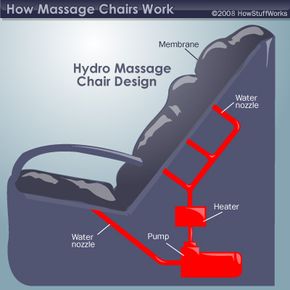
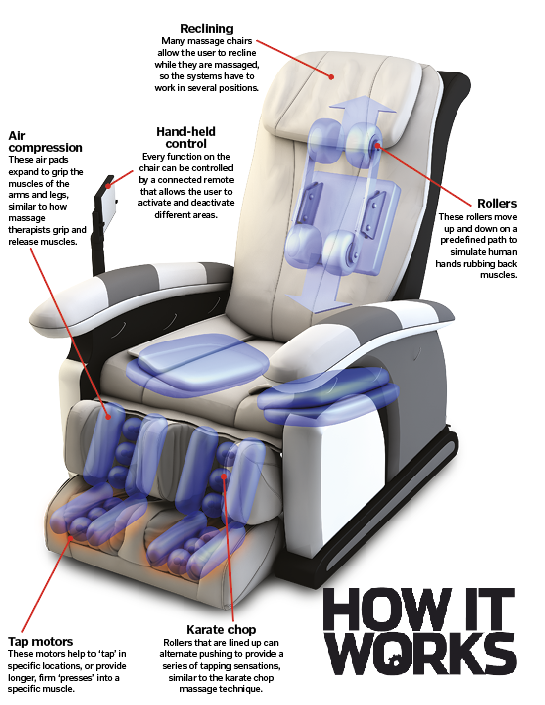
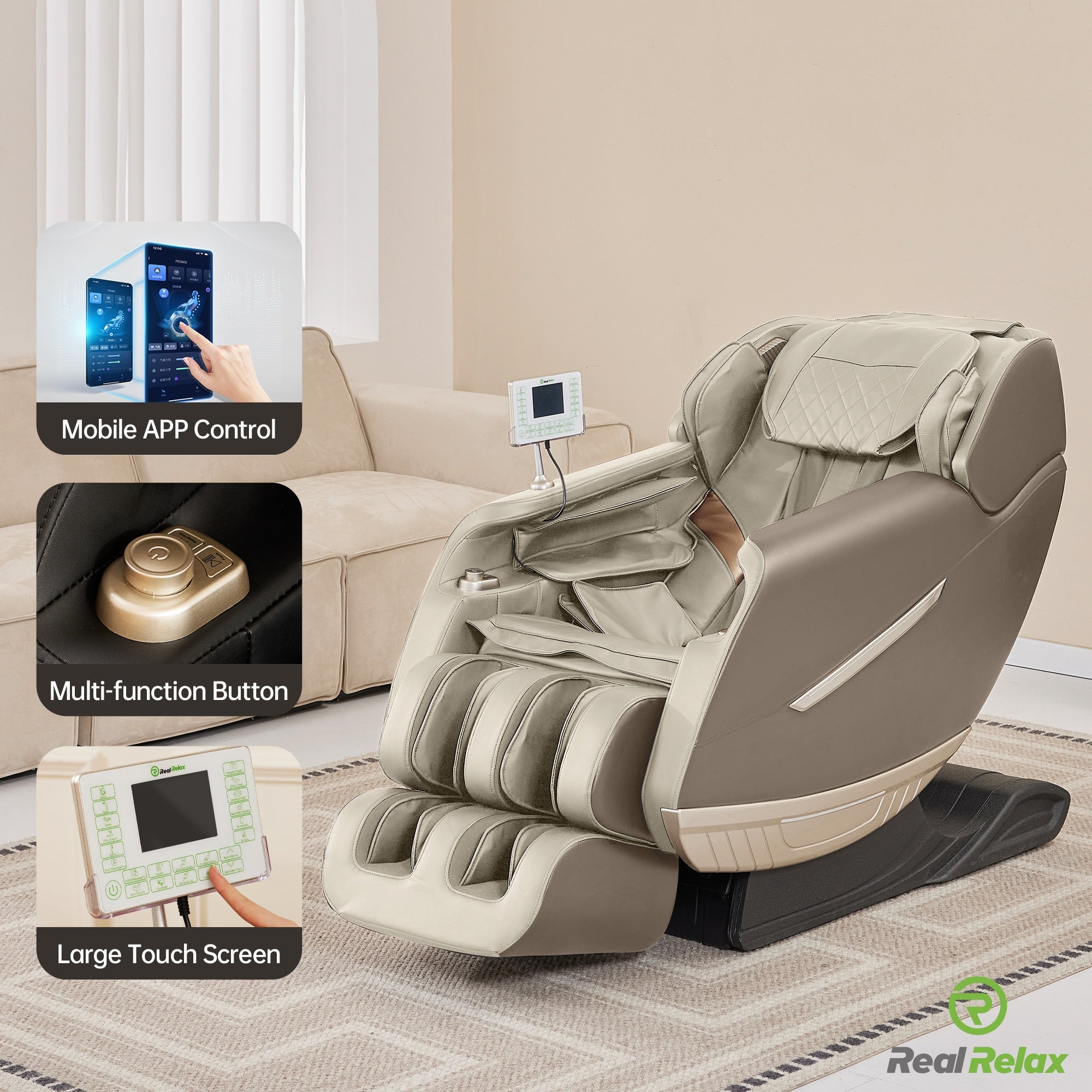
A massage chair is a powered chair that uses rollers, airbags, vibration, heat, or a mix of these features to mimic massage techniques. Most models target the back, neck, shoulders, arms, hips, and legs.
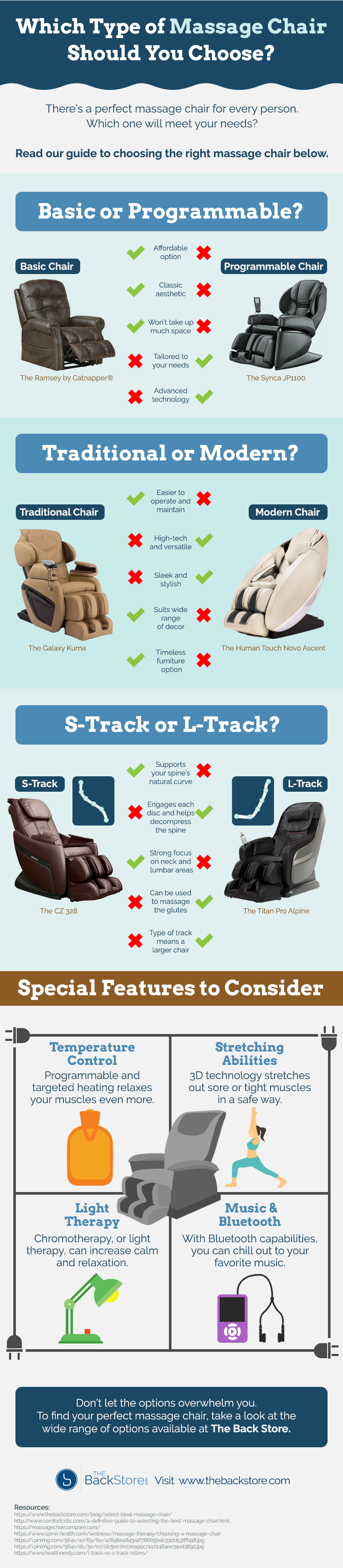
Some chairs use an S-track that follows the curve of your spine. Others use an L-track that extends beneath the lower back and glutes. Advanced models may use an SL-track, body scanning, zero-gravity positioning, and voice controls.
A massage chair can feel like a helpful tool after a long day. It is not, however, a replacement for medical care, physical therapy, or hands-on treatment from a qualified professional.
How to Use a Massage Chair Step by Step
The safest way to use a massage chair is to begin slowly. Think of the first session as a test drive, not a deep workout.
1. Read the user manual
Each chair has different controls, weight limits, track designs, and safety rules. Read the manual before your first session.
Pay close attention to:
• Maximum user weight
• Recommended session length
• Heat settings
• Reclining instructions
• Emergency stop controls
• Power cord placement
• Medical warnings
If the chair has a remote, keep it within reach. You should never need to stretch or twist to stop the chair.
2. Check the area around the chair
Place the chair on a flat surface. Make sure it has enough space to recline without hitting a wall, table, lamp, or television stand.
Keep children and pets away while the chair moves. Moving parts can pinch fingers, hair, clothing, or paws.
3. Sit in the center
Sit with your back against the chair. Keep your hips as far back as the seat allows. Place your feet in the foot wells and rest your arms in the arm slots if your chair has them.
Your body should feel balanced. If your head leans forward or your lower back arches too much, adjust your position before starting.
4. Use the body scan feature
Many newer chairs scan your height and body shape. The chair uses sensors to estimate the location of your shoulders, spine, hips, and legs.
Stay still during the scan. If the shoulder rollers sit too high or too low, use the manual adjustment feature. A poor fit can make a mild massage feel sharp or uncomfortable.
5. Start with a basic program
Choose a gentle setting such as:
• Relax
• Stretch
• Recovery
• Swedish
• Gentle
Avoid deep tissue or strong tapping during your first few sessions. You can increase the intensity later if your body responds well.
6. Set a short session
Start with 10 to 15 minutes. This gives your body time to adjust to the rollers and airbags.
Many chairs offer 20 to 30 minute programs. Longer is not always better. A strong or long session may leave you sore, tender, dizzy, or tired.
7. Adjust one setting at a time
Change the speed, pressure, heat, or roller position one setting at a time. This helps you learn what feels good and what feels too strong.
If the massage feels painful, pause the chair and reduce the intensity. Do not try to “push through” sharp pain.
8. End the session safely
Return the chair to its upright position before standing, unless the manual says otherwise. Rise slowly, especially after using a reclined or zero-gravity setting.
Drink water if you feel thirsty. Light movement can also help you transition back to normal activity.

How to Use the Main Massage Chair Controls
Massage chair remotes may look complex, but most controls fall into a few basic groups.
Massage programs
Preset programs combine several movements. Common programs include:
• Relaxation
• Full body
• Neck and shoulder
• Lower back
• Stretch
• Sports recovery
• Sleep
A preset program is a good place to start because the chair controls the timing and movement pattern for you.
Intensity and speed
Intensity controls how strong the massage feels. Speed controls how quickly the rollers tap, knead, or move.
These settings are not the same. A slow massage can still feel deep if the rollers press firmly. Adjust pressure first, then change speed if needed.
Roller width
Some chairs let you move the rollers closer together or farther apart. A wider setting may cover more of the back. A narrow setting may focus on the muscles near the spine.
The rollers should work on the muscles beside your spine. They should not press directly on the bones of your spine.
Air pressure
Airbags inflate around the arms, shoulders, hips, calves, and feet. Air pressure can create a gentle squeezing effect.
Start with low or medium air pressure. High pressure may feel too tight, especially around the arms or calves.
Heat
Heat can make a session feel warmer and more soothing. It may help relax tight muscles, but it does not treat the cause of an injury.
Use heat for a short time at a mild setting. Stop if your skin feels hot, irritated, numb, or painful. Never fall asleep with heat on unless the chair is specifically designed and approved for that use.
Zero-gravity mode
Zero-gravity mode reclines your body and supports the legs. This position can reduce pressure on the lower back and make the chair feel more comfortable.
Move slowly into and out of the position. Keep your hands and feet clear of the moving sections.
Manual mode
Manual mode lets you choose the massage area. You may select the upper back, middle back, lower back, glutes, or legs.
Manual mode is useful when one area feels tight. Use it with care, since focusing on one spot for too long may cause soreness.
The Best Body Position for a Massage Chair
Good body position helps the chair work as designed. It also lowers the chance of pressure in the wrong place.
Use these simple positioning tips:
• Sit with your hips deep in the seat.
• Keep your head supported by the headrest.
• Place your feet fully inside the foot wells.
• Relax your shoulders.
• Keep your arms inside the arm compartments.
• Avoid crossing your legs.
• Keep loose clothing away from moving parts.
• Do not lean to one side.
Your body should feel supported, not forced into position. If the rollers hit your neck, shoulder blade, or spine in an uncomfortable way, stop and adjust your position.
One common mistake is sitting too far forward. This may place the rollers too high on your back and leave the lumbar area without enough support.
How Long Should You Use a Massage Chair?
For most new users, 10 to 15 minutes is a sensible starting point. If you feel comfortable after several sessions, you may increase the time based on the chair’s instructions.
A practical schedule may look like this:
• Beginner: 10 minutes, two or three times per week
• Regular user: 15 to 20 minutes, several times per week
• Experienced user: Up to the manufacturer’s recommended session length
Avoid using a strong setting several times in one day. Your muscles may need time to recover, just as they do after exercise.
Pay attention to how you feel later that day and the next morning. Mild relaxation is a good sign. Strong soreness, bruising, tingling, or lasting discomfort means you should stop and reassess.

When Is the Best Time to Use a Massage Chair?
The best time depends on your goal and daily routine.
After work
A short session after work may help you shift from work mode to rest mode. Choose a gentle full-body program and keep the heat low.
After light exercise
A massage chair may feel comfortable after walking, stretching, or other light activity. Use a mild setting and avoid pressing hard on a fresh injury.
Before bed
A slow, gentle program may help you relax before sleep. Avoid intense tapping or strong stretching right before bed if it makes you feel alert.
During a break
A 10-minute session can fit into a lunch break or afternoon routine. Set a timer if you need to return to work on time.
Do not use a massage chair when you are rushed. Hurrying can make you sit poorly, miss warning signs, or stand too quickly.
Massage Chair Benefits and Limitations
Massage chairs may provide several comfort benefits. They can offer temporary relief from muscle tension, help you relax, and make it easier to take a short rest period.
Some people enjoy massage chairs for:
• General muscle relaxation
• Temporary relief from everyday back tension
• Reduced feelings of stress
• Improved comfort after sitting
• A convenient self-care routine
Research on massage and relaxation suggests that massage may support short-term comfort and stress reduction. However, results vary by person, massage style, health status, and chair quality.
A massage chair does not diagnose injuries. It does not repair torn tissue, correct serious spinal problems, or replace treatment for nerve symptoms. Use it as a comfort tool, not as a cure-all.

Who Should Avoid a Massage Chair?
Some people should avoid massage chairs or ask a health professional before using one. This is especially important if you have a condition that affects bones, nerves, blood flow, skin, or pregnancy-related health.
Speak with a doctor or qualified clinician before using a massage chair if you have:
• A recent fracture, sprain, strain, or surgery
• Severe or unexplained back pain
• Numbness, weakness, or shooting pain
• A blood clot or history of blood clots
• A bleeding disorder
• Severe osteoporosis
• An implanted medical device
• Uncontrolled high blood pressure
• Advanced diabetes with reduced sensation
• A serious heart or circulation condition
• Pregnancy or a high-risk pregnancy
Do not use a massage chair over an open wound, rash, infection, bruise, or swollen area. If you are unsure, ask your health professional and show them the chair’s manual.
Seek urgent medical care for chest pain, trouble breathing, sudden weakness, loss of bladder or bowel control, or sudden severe pain. A massage chair should never delay emergency care.
Common Mistakes to Avoid
Knowing how to use a massage chair also means knowing what not to do. Most problems come from using too much pressure, too much time, or the wrong position.
Avoid these mistakes:
• Starting with the strongest program
• Using the chair for too long
• Ignoring sharp or burning pain
• Placing the rollers directly on the spine
• Falling asleep during an active session
• Using heat on numb skin
• Wearing loose scarves or long jewelry
• Standing while the chair is moving
• Using the chair over a fresh injury
• Letting children operate the chair
• Blocking the chair’s moving parts
A mistake I often see during hands-on chair testing is choosing “deep tissue” too soon. The setting can feel impressive at first, but strong pressure may create soreness that appears hours later. Gentle pressure gives you a better sense of how your body responds.
How to Use a Massage Chair for Different Areas
Different body areas need different settings. The goal is to relax the muscles, not overwhelm them.
Neck and shoulders
Use a low or medium intensity. Keep your neck in a neutral position and avoid pressing your head hard into the headrest.
If the rollers feel too high, lower the shoulder position or choose a neck and shoulder preset. Stop if you feel dizziness, tingling, or sharp pain.
Upper back
A kneading or rolling setting may feel good around the shoulder blades. Keep your shoulders relaxed instead of lifting them toward your ears.
Avoid directing strong pressure onto the shoulder blade bones.
Lower back
Use moderate pressure and a short session. The lower back may feel tight after long periods of sitting, but strong pressure can irritate an existing problem.
Do not use the chair to treat severe pain that travels into the leg.
Hips and glutes
Air compression and gentle rolling may feel comfortable around the hips and glutes. Start with low air pressure.
Do not place extra objects under your hips or back. This can change the roller path and create unsafe pressure.
Calves and feet
Use gentle air compression for the calves and feet. Make sure your legs fit comfortably in the foot wells.
Avoid strong calf compression if you have circulation problems or a history of blood clots unless a clinician has approved it.
How Often Can You Use a Massage Chair?
Many healthy adults can use a massage chair several times per week for short sessions. The correct schedule depends on the massage intensity, your health, and how your body feels afterward.
A gentle 10-minute session may be suitable more often than a strong 30-minute program. Always follow the chair’s instructions and avoid exceeding the recommended daily use.
Keep a simple record for the first week. Note the program, session length, intensity, and how you feel later. This small habit can help you find your best routine.
If discomfort lasts more than a day, stop using the chair. If symptoms return each time, speak with a health professional.
How to Clean and Maintain a Massage Chair
A clean chair feels better and may last longer. Maintenance also helps you spot damage before it becomes a safety problem.
Follow these care steps:
• Unplug the chair before cleaning it.
• Wipe hard surfaces with a soft, slightly damp cloth.
• Use only cleaning products approved by the manufacturer.
• Do not spray liquid into the controls, seams, or motor areas.
• Clean the headrest and arm areas often.
• Check the power cord for damage.
• Keep the chair away from damp areas.
• Inspect the foot wells for trapped objects.
• Do not repair internal parts unless you are qualified.
Do not place heavy items on the chair. Avoid sitting on the footrest or arms, since these parts may not support your full body weight.
Troubleshooting Basic Problems
A massage chair may stop or behave differently for simple reasons.
The chair will not start
Check that the power cord is connected and the main switch is on. Make sure the emergency stop button has not been pressed.
The chair stops during a session
Many chairs stop automatically when the timer ends. They may also stop if the motor becomes warm or if a safety sensor detects resistance.
Turn the chair off and let it cool. If it stops repeatedly, contact the manufacturer rather than forcing it to run.
The rollers feel too strong
Lower the intensity and switch to a gentle program. You can also add a thin layer of clothing, if the manual allows it.
Do not place thick cushions inside the chair unless the manufacturer recommends them.
The body scan feels wrong
Sit farther back and keep your head against the headrest. Remove bulky clothing and repeat the scan.
If the scan remains inaccurate, use manual adjustments or contact customer support.
How to Choose a Massage Chair
If you are still shopping, focus on fit and safety instead of the largest number of features.
Consider:
• Chair size and room space
• Weight capacity
• S-track, L-track, or SL-track design
• Body scan accuracy
• Adjustable intensity
• Easy-to-use controls
• Zero-gravity positioning
• Heat settings
• Warranty length
• Customer service
• Replacement parts
• Noise level
A chair with fewer features may be better if the controls are clear and the fit is comfortable. Try the chair in person when possible. Your height, shoulder width, leg length, and preferred pressure all affect the experience.
Check the warranty and return policy before buying. A massage chair is a major purchase, and comfort cannot always be judged from a product photo.
Frequently Asked Questions About How to Use a Massage Chair
How do you use a massage chair for the first time?
Read the manual, sit in the center, and complete the body scan if available. Start with a gentle 10 to 15-minute program at low intensity.
How long should you sit in a massage chair?
Start with 10 to 15 minutes and follow the manufacturer’s recommended session length. Longer sessions are not always better and may cause soreness.
Can you use a massage chair every day?
Some healthy adults may use a gentle program every day, but this depends on the chair and your body’s response. Avoid daily strong sessions unless a qualified health professional advises you to do so.
Should you use heat with a massage chair?
You may use mild heat if the chair allows it and you can feel temperature normally. Avoid heat on numb, injured, irritated, or swollen skin.
Is it normal to feel sore after using a massage chair?
Mild, short-term soreness can occur after a strong session. Stop using the chair if soreness is severe, lasts more than a day, or comes with numbness, weakness, swelling, or sharp pain.
Can a massage chair hurt your back?
Yes, a massage chair can worsen pain if the pressure is too strong, the body position is poor, or you use it over an injury. Use low intensity and stop if the massage causes sharp or radiating pain.
Can you sleep in a massage chair?
It is safer to remain awake during an active massage session. You may recline in the chair for rest, but follow the manual and never sleep with heat or moving functions running unless the manufacturer specifically permits it.
Conclusion
Knowing how to use a massage chair comes down to a few smart habits: read the manual, sit correctly, start with low intensity, keep sessions short, and listen to your body. Use heat, air compression, stretching, and zero-gravity features with care.
A massage chair can become a useful part of a relaxing routine, but it should not replace medical advice or treatment. Try a gentle program today, make small adjustments, and track what feels best for you. Share your experience or explore more practical self-care guides to build a safer wellness routine.