How Often Should I Replace Makeup Brushes?
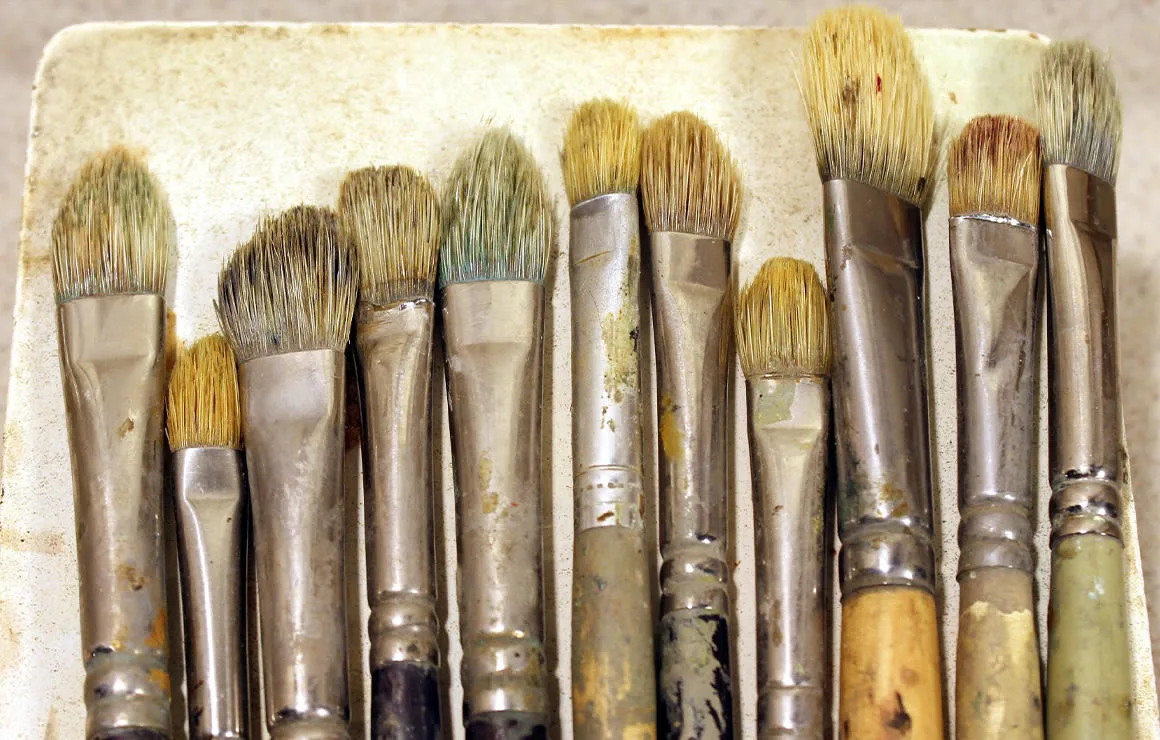
Image source: Bing (Web (fair-use with source credit))
Figuring out how often you should replace makeup brushes can feel like a guessing game. Brushes aren't like a carton of milk with an expiration date; their lifespan depends on how you treat them.
Manufacturer specifications for quality brushes indicate that with proper care, many can last years. However, poor hygiene and frequent use can significantly shorten their useful life, impacting both your makeup application and skin health.
Quick Answer
You should replace makeup brushes when their bristles fray, shed, or become bent. This typically happens after 6 months to 3 years of use, depending on brush type and cleaning habits. Weekly cleaning extends their life.
The "When to Replace" Decision Tree: Your Brush's Lifespan
Think of your makeup brushes as tools that need regular assessment. Instead of a strict calendar, it’s more about observing their condition and how they perform. This decision tree helps you walk through the key factors.
- First, consider your usage: Do you use the brush daily for foundation, or only for occasional eyeshadow application? Heavy rotation brushes wear out faster.
- Next, evaluate your cleaning routine: How often do you wash them, and with what? Brushes cleaned weekly will last longer than those rarely washed.
- Then, examine the brush itself: Look for signs of wear like frayed bristles, loose handles, or an inability to hold shape.
- Finally, assess your skin's reaction: Are you noticing new breakouts or irritation? This could indicate a brush is too old or too dirty to be hygienic.
Following these branches helps you pinpoint when replacement is necessary for optimal results and hygiene.
Signs Your Makeup Brush Needs Retiring: The Checklist
This checklist focuses on the tangible signs your makeup brushes give you when they've reached the end of their useful life. It’s less about a date on the calendar and more about what you can see and feel.
Bristle Condition: Frayed, Bent, or Falling Out?
The most obvious indicator is the state of the bristles. High-quality synthetic or natural bristles should maintain their shape, allowing for smooth, controlled application.
- Frayed Tips: If the fine tips of the bristles are splayed out, uneven, or have lost their natural taper, they can no longer blend or apply product precisely. This often happens with over-washing or harsh cleaning agents.
- Bent Bristles: Bristles that are permanently bent or kinked, even after washing, indicate structural damage. They won't lay flat or move smoothly across your skin.
- Shedding Bristles: If you notice bristles falling out of the brush head during use or washing, it's a clear sign the ferrule or glue is failing. This is not only annoying but also unhygienic.
- Loss of Elasticity: Bristles that feel limp or floppy, even when dry, have lost their spring. They won't bounce back to apply or blend product effectively.
Handle and Ferrule Integrity: Is It Sturdy?
The handle and ferrule are the structural backbone of your makeup brush. If these parts fail, the brush is unusable, regardless of bristle condition.
- Loose Ferrule: The ferrule is the metal part that connects the bristles to the handle. If it wiggles, feels loose, or detaches from the handle, the brush is unstable and could break apart during use.
- Cracked or Damaged Handle: Physical damage to the handle, such as cracks, chips, or peeling paint, can weaken its structure. It might also harbor bacteria if the damage is significant.
- Wobbly Handle: If the handle itself feels loose where it enters the ferrule, it indicates a potential structural weakness.
Cleaning Performance: Still Doing the Job?
Even with regular cleaning, some brushes eventually stop performing as they should. This can be due to product buildup or damage to the bristles' structure.
- Product Stains: While some staining is normal, if a brush consistently looks grimy or holds onto color even after thorough washing, it might be permanently compromised.
- Difficulty Removing Residue: If makeup or product residue seems to cling stubbornly to the bristles, it means the fibers may have degraded or are too clogged to be properly cleaned.
- Uneven Application Post-Clean: After a deep clean, if the brush still applies product patchily or unevenly, its ability to pick up and distribute makeup is likely diminished.
Bristles Losing Their Shape: What's Happening?
Sometimes, brushes don't overtly fray or shed, but their overall form changes, impacting their function. This is often due to the type of makeup used or improper drying.
- Clumping Bristles: Bristles that clump together even when clean can be a sign of dried product residue or damage to the individual fibers.
- Bristles Sticking Together Permanently: If bristles are consistently sticking together and won't separate, even when wet, their texture has likely changed, affecting blending.
- Bristles Feeling Stiff or Coarse: The smooth, soft feel of a new brush is often lost as bristles degrade, becoming rough or stiff. This can make makeup application uncomfortable.
When to Consider a New Brush: Hygiene and Skin Health
Beyond just performance, the age and cleanliness of your brushes directly impact your skin. Old, unhygienic brushes can be a breeding ground for bacteria and contribute to skin issues.
- Bacterial Contamination: Over time, makeup brushes can accumulate bacteria, fungi, and dead skin cells. Even with diligent cleaning, heavily used or damaged brushes may harbor persistent contaminants.
- Increased Risk of Breakouts: Using unhygienic brushes can transfer bacteria to your face, potentially leading to acne, irritation, or even infections. If you notice an increase in breakouts, your brushes might be the culprit.
- Skin Irritation: Worn-out, frayed bristles can become abrasive, causing redness, stinging, or general irritation to the skin during application.
- Allergic Reactions: Old product buildup or degraded brush fibers could potentially trigger reactions in sensitive individuals. For more on protecting your skin, consider how can I protect my skin every day?.
How Product Type and Usage Impact Brush Wear
The lifespan of your makeup brushes isn't just about how often you grab them; it’s also heavily influenced by the types of products you use them with and the sheer intensity of that use. Different makeup formulas and application styles put varying degrees of stress on brush bristles.
- Cream and Liquid Products: Foundation, concealer, cream blush, and liquid highlighter are fantastic for achieving a dewy finish, but they can be tough on brushes. These formulas tend to be more emollient and pigmented, meaning they can leave behind more residue. This residue can be harder to wash out, potentially clogging the bristles and breaking down their fibers over time. Repeated exposure to these thicker formulas can cause synthetic bristles to become sticky or degraded.
- Powder Products: Brushes used for powders like setting powder, blush, or eyeshadow generally have an easier life. Powder particles are drier and easier to brush away. However, dense powder brushes, especially those used with very finely milled or pigmented powders, can still experience some wear if they're constantly packed and then cleaned aggressively.
- Heavy Daily Use: A foundation brush used every single morning for your makeup routine puts in serious work. This constant friction and exposure to product, followed by regular washing, will naturally lead to faster wear and tear compared to a brush used only a few times a month for a specific eyeshadow shade. Think of it like a chef’s favorite knife versus a ceremonial dagger, one is used constantly and will show wear much sooner.
- Rough Application Techniques: While not directly related to product type, aggressive swirling, pressing, or scrubbing motions when applying makeup can also accelerate brush damage. This is especially true for delicate eye brushes. Even with the best bristles, consistent, forceful manipulation will break them down faster.
Manufacturer specifications for high-quality brushes, often made with premium synthetic or natural fibers, detail performance longevity under standard conditions. However, these often assume a balanced use and cleaning schedule. Deviations, like exclusive use of cream products or vigorous application, mean you’ll need to reassess their condition more frequently.
This is a key part of understanding how can I make my beauty routine more effective?.
The Crucial Role of Cleaning in Brush Longevity
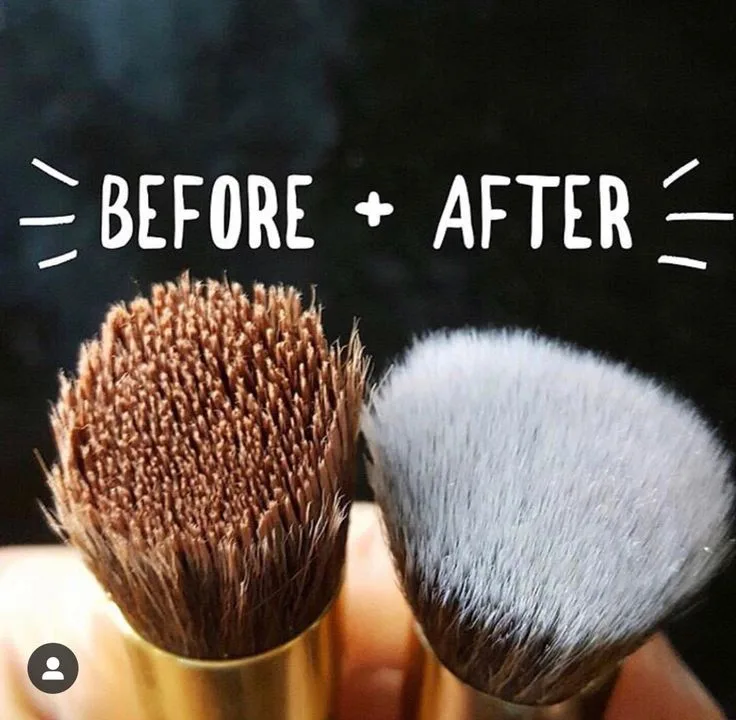
Image source: Bing (Web (fair-use with source credit))
This is one of those points that can't be stressed enough: how you clean your makeup brushes is arguably the most significant factor in how long they'll last, and how well they’ll perform. Skipping cleanings isn't just unhygienic; it actively damages your tools and leads to premature replacement.
Think about it, you’re essentially scrubbing away dried makeup, oils, and skin cells every time you use a brush. If you let that build up, it’s like letting cement dry in your sink pipes; it becomes harder to remove and can degrade the material.
- Hygiene First: Regular cleaning prevents the buildup of bacteria, fungi, and dead skin cells. This is paramount for preventing breakouts and skin infections. A clean brush applies product smoothly and safely. For more on skin health, consider how can I protect my skin every day?.
- Maintaining Bristle Integrity: Product residue can stiffen and mat bristles, causing them to fray and lose their shape. Gentle, regular washing helps keep them soft and flexible.
- Preventing Product Degradation: Some makeup formulas can actually degrade the fibers of brush bristles over time if left to fester. Regular cleaning removes these potentially damaging elements.
- Optimizing Performance: Clean bristles pick up and distribute makeup evenly, ensuring a flawless finish. Dirty, clogged brushes can lead to streaky application and poor blending.
How Often to Clean Different Brushes
The general rule of thumb is to clean your brushes regularly. However, the frequency can vary based on usage and product type.
- Daily Foundation/Concealer Brushes: These come into direct contact with wet or creamy products and are used daily. They need the most frequent cleaning, ideally weekly, to prevent bacterial growth and product buildup.
- Powder Brushes (Face & Eyeshadow): Brushes used for powders can often go a bit longer, perhaps every 1, 2 weeks, unless you notice them getting particularly dirty or affecting application.
- Occasional Use Brushes: Brushes used for highlighting, contouring, or special effects, if used infrequently, might only need a clean monthly or as needed.
Proper Cleaning Techniques
Using the right method and cleanser is just as important as frequency.
- Use a Gentle Cleanser: Opt for a dedicated brush cleanser, mild baby shampoo, or even a gentle dish soap. Avoid harsh detergents that can strip bristles.
- Water Temperature: Use lukewarm water, never hot, as extreme heat can damage synthetic fibers and loosen glue in the ferrule.
- Wash Gently: Swirl the brush head gently in your palm with cleanser and water, focusing on the bristles. Don't submerge the ferrule.
- Rinse Thoroughly: Rinse until the water runs clear, ensuring all soap and makeup residue is gone.
- Reshape and Dry: Gently squeeze out excess water with a clean towel, reshape the bristles with your fingers, and lay the brushes flat to dry or hang them bristles-down in a brush holder. Never stand them upright in a cup, as water can seep into the ferrule and loosen the glue.
Estimated Brush Lifespans: A Practical Guide
When we talk about how long makeup brushes last, it’s important to remember these are estimates. Your personal usage, cleaning habits, and the quality of the brush itself play the biggest roles. However, we can break down typical lifespans based on how intensely a brush is used.
As of 2026, manufacturer feedback and aggregate user reviews suggest these general timelines.
Heavy Rotation Brushes (Foundation, Powder)
These are the workhorses of your makeup collection, the ones you reach for every single day. Because they get the most use and are often exposed to wetter or creamier formulations, they naturally wear out faster.
- Estimated Lifespan: 6 months to 1.5 years.
- Key Factors: Daily use for foundation, concealer, or setting powder. If cleaned weekly, you might hit the 1.5-year mark. If cleaning is less frequent, or if you use a lot of liquid products, replacement could be needed closer to the 6-month to 1-year mark.
- Signs of Replacement: Bristles may start to fray, lose their density, or the ferrule might loosen from constant washing and drying cycles.
Medium Use Brushes (Eyeshadow, Blush)
These brushes see action a few times a week, perhaps for your daily makeup routine or for specific steps. They get more use than occasional brushes but less than your daily foundation tool.
- Estimated Lifespan: 1 to 3 years.
- Key Factors: Used for powder or cream blushes, contour, highlight, and various eyeshadow applications a few times per week. With bi-weekly cleaning, they can easily last 2, 3 years.
- Signs of Replacement: Bristles might begin to lose their precise shape, apply product less evenly, or show signs of wear like slight fraying.
Occasional Use Brushes (Highlight, Liner, Detail Brushes)
These are the specialty tools that come out for specific looks or when you want extra precision. They might be used only for special occasions or for very niche application needs.
- Estimated Lifespan: 3+ years.
- Key Factors: Used infrequently, perhaps for a precise liner application, a specific highlighter shade, or special effects makeup. Since they aren't subjected to daily wear and tear or constant washing, they retain their integrity for much longer.
- Signs of Replacement: Even these brushes will eventually show wear. Look for permanent bends in bristles, a loose ferrule, or if the brush has simply become difficult to clean and still perform effectively.
It's crucial to inspect these brushes regularly, even if they’re not used often. Proper storage can also play a role in their longevity. You can learn more about how makeup brushes should be stored to maximize their lifespan.
Common Makeup Brush Mistakes That Speed Up Replacement
Even with the best intentions, certain habits can drastically shorten the lifespan of your makeup brushes. These aren't necessarily signs of a "bad" brush, but rather common user errors that cause unnecessary wear and tear. Recognizing these mistakes is the first step to preventing them and keeping your favorite tools in good shape for longer.
- Forgetting to Clean: This is the most common sin. Product and oil build-up stiffens bristles, making them harder to clean and eventually leading to fraying. It also makes them unhygienic, which is a major reason to replace brushes.
- Using Harsh Soaps: Aggressive shampoos or soaps not designed for cosmetic brushes can strip natural oils from bristles and break down synthetic fibers. This makes them brittle and prone to damage.
- Improper Drying: Leaving brushes to dry upright in a cup can allow water to seep into the ferrule, weakening the glue that holds the bristles. This leads to shedding and eventual brush failure.
- Storing Wet Brushes: Packing away brushes before they are completely dry can lead to mildew and bacteria growth, ruining the bristles and making them unsafe to use. This is particularly detrimental for natural hair brushes.
When to Consider a New Brush: Hygiene and Skin Health
Beyond just performance, the age and cleanliness of your brushes directly impact your skin. Old, unhygienic brushes can be a breeding ground for bacteria and contribute to skin issues.
- Bacterial Contamination: Over time, makeup brushes can accumulate bacteria, fungi, and dead skin cells. Even with diligent cleaning, heavily used or damaged brushes may harbor persistent contaminants.
- Increased Risk of Breakouts: Using unhygienic brushes can transfer bacteria to your face, potentially leading to acne, irritation, or even infections. If you notice an increase in breakouts, your brushes might be the culprit.
- Skin Irritation: Worn-out, frayed bristles can become abrasive, causing redness, stinging, or general irritation to the skin during application.
- Allergic Reactions: Old product buildup or degraded brush fibers could potentially trigger reactions in sensitive individuals. For more on protecting your skin, consider how can I protect my skin every day?.
Frequently Asked Questions About Makeup Brush Replacement
How often should I replace makeup brushes?
You should replace makeup brushes when their bristles fray, shed, or become permanently bent. This typically occurs between 6 months and 3 years of use, depending heavily on the brush's type, frequency of use, and how consistently it is cleaned.
Can I just clean my old brushes forever?
While regular, proper cleaning can significantly extend brush life, there comes a point where bristles become too worn, frayed, or damaged to perform effectively or hygienically. Brushes with loose ferrules or damaged handles also need replacement regardless of cleaning.
What happens if I don't replace my old makeup brushes?
Using old, unhygienic brushes can lead to bacterial contamination, skin irritation, and breakouts. Frayed bristles also result in patchy, uneven makeup application, compromising your overall look.
How do I know if a brush is too old?
Look for visual cues like splayed or bent bristles, shedding hairs, a loose ferrule, or a handle that feels unstable. If a brush no longer applies or blends makeup smoothly, or if it causes skin irritation after cleaning, it's likely time for a replacement.
Does cleaning frequency affect how often I need to replace brushes?
Absolutely. Brushes used daily with liquid or cream products, if cleaned weekly, will last significantly longer than those cleaned monthly or rarely. Consistent, proper cleaning is key to maximizing a brush's lifespan.