How To Use A Foot Massager: Easy Step-By-Step Guide
Use a foot massager by starting gently, adjusting the pressure, and limiting each session to about 15–20 minutes.
Learning how to use a foot massager can make your evening routine more relaxing and may ease tired feet after work, exercise, or long hours of standing. The best results come from choosing the right setting, using good posture, and knowing when massage is not safe.
What Is a Foot Massager?
A foot massager is a device that uses pressure, vibration, rolling, kneading, heat, or air compression to massage the feet. Some models target the soles only, while others cover the toes, heels, arches, and ankles.
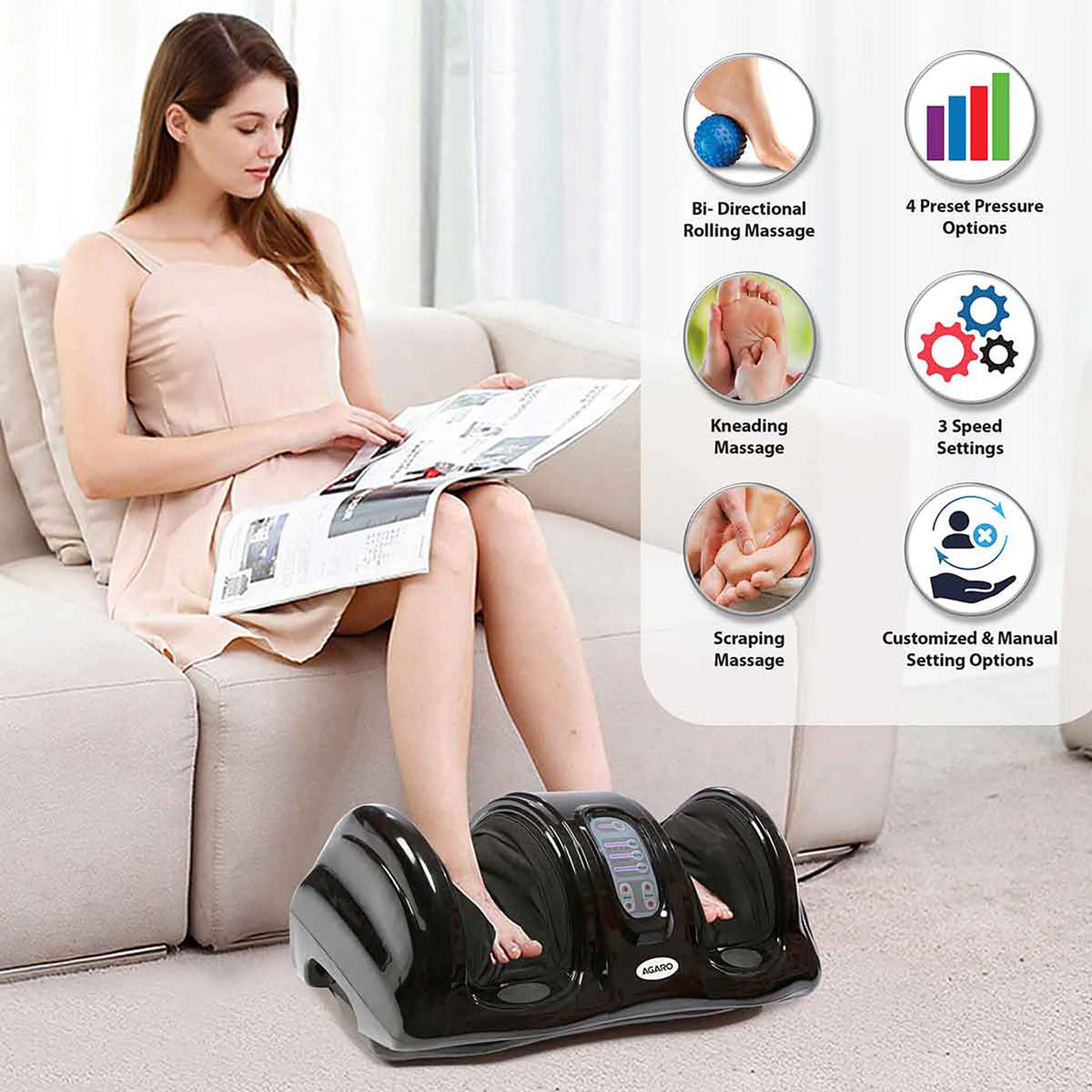
Learning how to use a foot massager starts with understanding its features. A basic model may have rolling nodes and vibration. A more advanced model may include:
• Shiatsu-style kneading
• Air compression around the feet
• Heat therapy
• Adjustable speed and pressure
• Separate controls for each foot
• Timed programs
• Removable, washable liners
A foot massager may help you feel less tense and more comfortable. However, it does not cure foot injuries, nerve disorders, poor circulation, or medical conditions. Think of it as a comfort tool, not a replacement for medical care.
In my experience with home massage devices, the most common mistake is choosing the strongest setting right away. A good massage should feel firm and soothing, not sharp, burning, or painful.

How to Prepare Before Using a Foot Massager
Good preparation helps you use a foot massager safely and comfortably. Start by placing the device on a flat, dry floor near a comfortable chair.
Check the user manual before your first session. Different brands use different controls, and some devices have special warnings about heat, session length, or foot size.
Follow these simple steps:
- Inspect the device for cracks, loose wires, or damaged controls.
- Make sure your feet are clean and dry.
- Remove rings, ankle bracelets, or anything that may press into the skin.
- Sit with your back supported.
- Place the massager close enough that you do not need to stretch.
- Set the pressure, speed, and heat to the lowest level.
- Keep a glass of water nearby.
Avoid using a foot massager right after applying oil or lotion. Slippery feet may move too much inside the unit. Lotion can also make liners harder to clean.
Do not use the device while standing. It is designed for seated use. Standing on a foot massager can damage the machine and may cause you to lose your balance.
How to Use a Foot Massager Step by Step
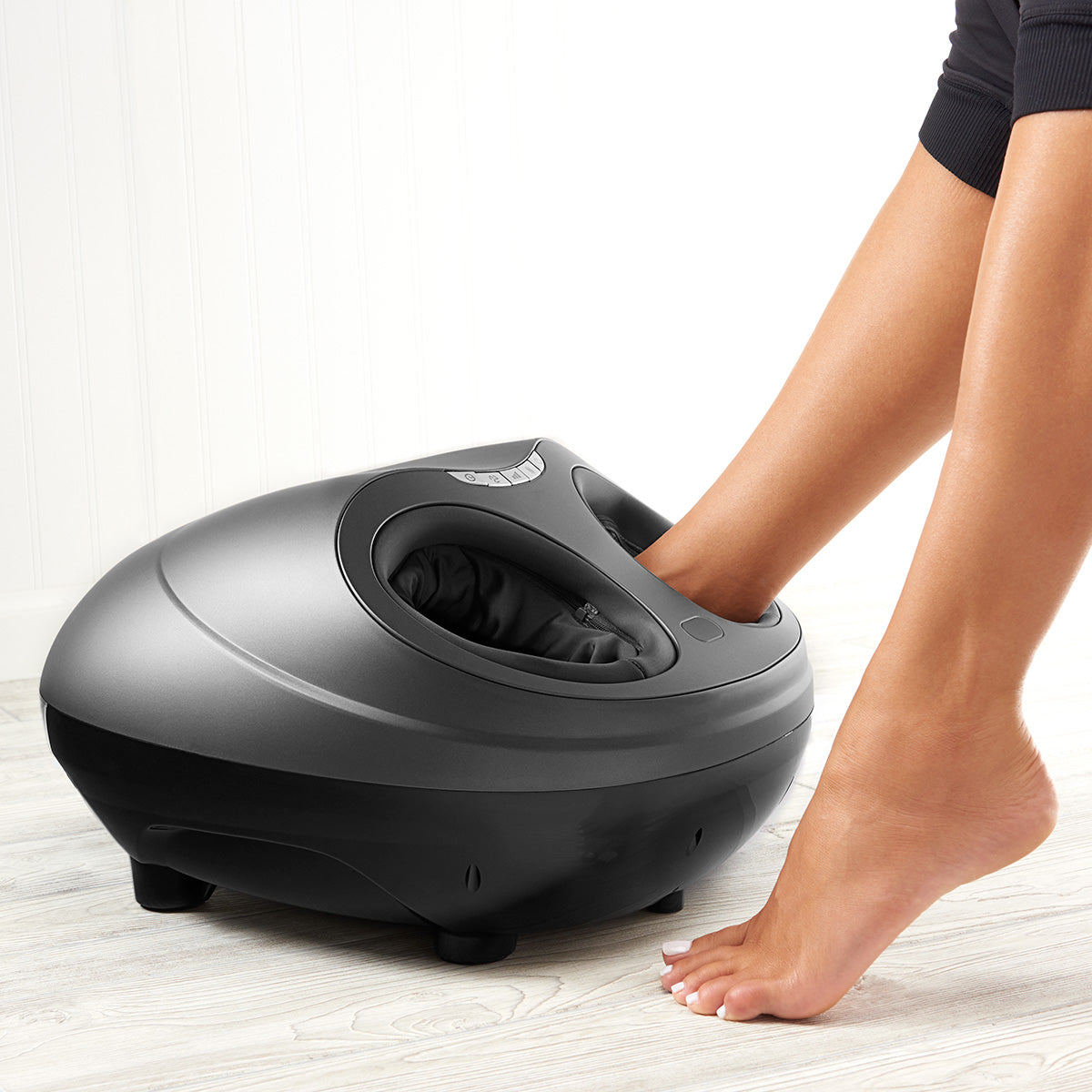
The safest way to learn how to use a foot massager is to begin slowly and increase the intensity only when your feet feel comfortable.
Step 1: Sit in a stable position
Use a chair with back support. Keep both feet flat or place them inside the foot wells. Relax your legs instead of pushing down with your body weight.
Your knees should remain comfortable, and your feet should not feel trapped. If the device feels too small, stop using it. A tight fit can create unwanted pressure.
Step 2: Begin with a low setting
Turn on the lowest massage level. Use vibration or gentle rolling before trying deep kneading or strong compression.
Stay at this level for two or three minutes. Notice how your feet respond. Mild pressure is normal, but sharp pain, tingling, numbness, or burning is not.
Step 3: Add heat with care
If your device has heat, wait until you understand how the massage feels without it. Then use the lowest heat setting for a short time.
Heat may feel pleasant, but it can also hide pain. This is especially important for people with reduced feeling in their feet. Never fall asleep with the heat function running.
Step 4: Adjust the pressure
Increase the pressure one level at a time. Give your feet at least 30 seconds to adjust after each change.
The right pressure feels like a firm hand massage. It should not feel like a hard object digging into one spot. If your arch or heel feels sore, reduce the pressure or stop the session.
Step 5: Keep the first session short
Use the device for five to 10 minutes during your first session. If your feet feel normal afterward, you can slowly work up to 15 or 20 minutes.
Most people do not need long sessions. More time does not always mean better results. Your feet need recovery time, just like other muscles.
Step 6: Check your skin afterward
Look at your feet after the massage. Check for redness, swelling, bruising, blisters, or irritated skin.
Light redness that fades soon may occur after pressure or heat. Redness that lasts, pain that grows, or new swelling means you should stop using the device and seek medical advice if needed.

How Long Should You Use a Foot Massager?
For most healthy adults, a 10 to 20-minute session is a practical starting point. Follow the time limit in the manual if it is shorter.
You may use a foot massager once a day if your feet respond well. Some people prefer three or four sessions each week. Allow more time between sessions if you notice soreness.
A simple schedule may look like this:
• First session: Five to 10 minutes at low pressure
• Second session: 10 minutes with gentle rolling
• Later sessions: 15 to 20 minutes if comfortable
• Recovery: Stop or rest if soreness lasts into the next day
Avoid repeated sessions in a short period. For example, using the massager for an hour at night may leave your feet tender instead of refreshed.
A useful rule is to judge your feet the next morning. If they feel normal or better, your routine may be suitable. If they feel sore, numb, or unusually tired, reduce the time or pressure.

How to Choose the Right Settings
The best foot massager setting depends on your goal and your comfort level. There is no single setting that works for everyone.
For tired feet
Choose gentle rolling with low or medium vibration. This setting can feel relaxing after shopping, walking, or standing at work.
For tight arches
Use a low kneading setting for a short session. Keep your feet relaxed. Do not force your arch into a hard massage node.
For general relaxation
Try gentle compression with low heat. Use heat only if your feet have normal temperature and pain sensation.
For post-exercise comfort
Wait until your body has cooled down and your feet are free from acute pain. Gentle massage may feel soothing, but it should not replace rest, hydration, stretching, or proper treatment.
For sensitive feet
Skip strong kneading and heat. A simple vibration mode may be more comfortable, but stop if you feel tingling or numbness.
When learning how to use a foot massager, remember that comfort matters more than intensity. A soft setting used often may be more useful than a powerful setting used rarely.

Potential Benefits of Using a Foot Massager
A foot massager may provide several comfort benefits when used correctly. Research on massage suggests that it can support short-term relaxation and reduce the feeling of muscle tension. The effect may vary by person and by device.
Possible benefits include:
• Temporary relief from tired or achy feet
• Relaxation after a long day
• A pleasant way to reduce stress
• Short-term relief from muscle tightness
• Improved awareness of foot tension
• Support for a calming bedtime routine
• Comfort after light activity
Some people feel warmer feet after massage. This may result from pressure, movement, or heat. It does not prove that the device has corrected a circulation problem.
Massage may also help you pause and care for your body. That simple break can be valuable. Still, foot massage is not a proven treatment for diabetes, arthritis, nerve damage, blood clots, or chronic pain.
If you have ongoing foot pain, find the cause first. Pain may come from shoes, plantar fasciitis, an injury, nerve irritation, or another condition that needs a proper evaluation.
Who Should Avoid a Foot Massager?
A foot massager is not suitable for everyone. Ask a health professional before use if you have a medical condition that affects sensation, skin health, blood flow, bones, or healing.
Use extra caution or avoid the device if you have:
• Open wounds, cuts, blisters, or skin infections
• A recent sprain, fracture, or foot surgery
• Severe swelling or unexplained foot pain
• Reduced feeling or numbness in the feet
• Diabetes with nerve or circulation problems
• A known blood clot or a high risk of blood clots
• Severe varicose veins
• A bleeding disorder
• A pacemaker or other device, if the product uses electrical stimulation
• Pregnancy concerns that your clinician has not reviewed
People with diabetes should be especially careful with heat and strong pressure. Nerve damage can reduce the ability to feel a burn or injury. A clinician can help decide whether a foot massager is appropriate.
Stop at once if you feel chest pain, shortness of breath, sudden weakness, severe pain, or unusual swelling. These symptoms need medical attention and should not be treated with massage.

Common Mistakes to Avoid
Knowing what not to do is an important part of learning how to use a foot massager. Many problems come from using too much pressure or ignoring warning signs.
Avoid these common mistakes:
• Starting at the strongest setting
• Using heat on numb feet
• Massaging an injured or swollen foot
• Falling asleep while the device is running
• Standing on the machine
• Using it for too long
• Ignoring pain or tingling
• Sharing the device without cleaning it
• Using lotion that makes your feet slide
• Placing the device on a wet floor
One mistake I often see in home wellness routines is trying to “push through” discomfort. Massage should not be a test of endurance. If the pressure feels wrong, change the setting instead of waiting for your feet to adapt.
Clean the foot wells after use according to the manual. Washable liners help reduce sweat and odor. Never pour water into the machine or clean electrical parts while the device is plugged in.

How to Use a Foot Massager in a Daily Routine
You can add a foot massager to a simple evening routine. Choose a time when you can sit safely and pay attention to how your feet feel.
Try this 20-minute routine:
- Drink water and remove your shoes.
- Check your feet for cuts, swelling, or irritated skin.
- Sit with your back supported.
- Massage at a low setting for five minutes.
- Add gentle kneading for five to 10 minutes.
- Use low heat only if it feels safe.
- Finish with one or two minutes of gentle vibration.
- Inspect your feet and clean the device.
You can also combine massage with easy foot movements. Slowly curl and relax your toes after the session. Move your ankles in small circles if there is no pain.
Do not use massage to avoid seeing a doctor about ongoing symptoms. A foot massager can support comfort, but it cannot explain why your feet hurt.
Foot Massager vs. Manual Foot Massage
A foot massager offers steady pressure without requiring another person. It can be helpful when you want a quick routine at home.
Manual massage gives you more control. You can avoid a sore spot, change the angle, or focus on one area. It also lets you notice changes in your skin, swelling, or tenderness.
A device may provide stronger pressure than your hands. That can feel useful, but it also increases the risk of discomfort if the setting is too high.
The best option depends on your needs:
• Choose a device for convenience and regular use.
• Choose manual massage for precise control.
• Use a tennis ball only with gentle pressure and stable support.
• Ask a professional for guidance when pain or injury is involved.
The goal is not to create the strongest sensation. The goal is to feel more comfortable without causing harm.
How to Maintain Your Foot Massager
Proper care helps your foot massager work well and keeps it clean. Always follow the cleaning steps in the product manual.
Use these care tips:
• Unplug the device before cleaning it.
• Wipe hard surfaces with a soft, slightly damp cloth.
• Wash removable liners as directed.
• Let all parts dry fully before use.
• Store the device in a cool, dry place.
• Keep cords away from heat and sharp edges.
• Do not use the device if the cord is damaged.
• Check for unusual noise, odor, or overheating.
Do not repair electrical parts unless the manufacturer or a qualified technician recommends it. A strange sound may signal a mechanical problem, not a normal massage feature.
Frequently Asked Questions About How to Use a Foot Massager
How often should you use a foot massager?
Most healthy adults can start with 10 to 20 minutes once a day or several times a week. Reduce the frequency if your feet feel sore, numb, swollen, or irritated after use.
Can you use a foot massager every day?
You may use a foot massager daily if your feet respond well and the manual allows it. Keep sessions moderate, and stop if discomfort lasts beyond the session.
Should you use heat with a foot massager?
Use heat only when your feet have normal feeling and no open wounds or swelling. Keep the heat low, follow the time limit, and never sleep while the heat function is on.
Is a foot massager good for plantar fasciitis?
A gentle setting may provide temporary comfort for some people, but it does not cure plantar fasciitis. Avoid strong pressure during a painful flare and ask a health professional for a complete care plan.
Can you use a foot massager if you have diabetes?
People with diabetes should ask a clinician before using one, especially if they have numbness, nerve damage, wounds, or circulation problems. Heat and strong pressure can cause injury without being noticed.
Why do my feet hurt after using a foot massager?
Your setting may be too strong, your session may be too long, or the device may not fit properly. Stop, rest, and seek medical advice if pain is severe, persistent, or linked with swelling or skin changes.
Conclusion
Learning how to use a foot massager is simple when you start with low pressure, short sessions, and careful attention to your body. Sit safely, choose gentle settings, use heat with care, and stop when you feel pain, numbness, or unusual swelling.
A foot massager can be a useful comfort tool, but it is not a substitute for medical care. Begin with five to 10 minutes, build slowly, and keep your device clean. Try these steps during your next evening routine, and share your experience or explore more practical wellness guides.