How Can I Dry My Hair Without Causing Frizz?
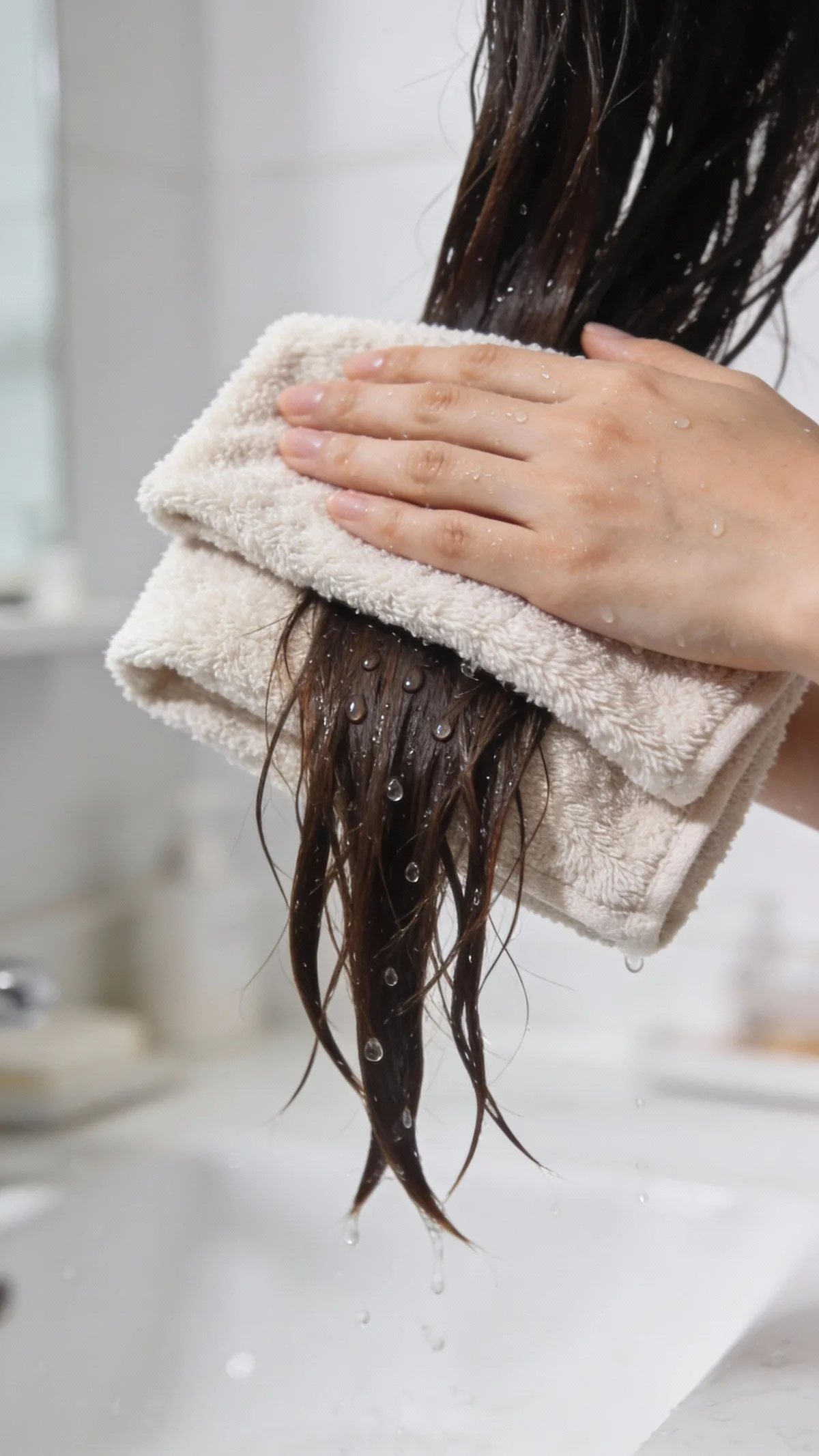
Image source: Bing (Web (fair-use with source credit))
Say Goodbye to Frizz: Your Friendly Guide to Smoother, Shinier Hair
Ever wonder how to dry your hair without ending up with that halo of frizz that seems to appear out of nowhere? You're not alone. Many of us struggle with this post-wash battle, trying to achieve smooth, polished hair only to be met with unruly flyaways.
It's a common frustration, but the solution isn't complicated; it’s about understanding a few key principles of hair care and drying.
In our research, we've found that consistently smooth, frizz-free results come down to technique and the right tools. For instance, manufacturer specifications for professional hairdryers often highlight ionic technology, which can reduce drying time and smooth the cuticle by emitting negative ions. As of 2026, this technology remains a key feature in achieving better hair health during drying.
Let's dive into how you can get the hair you want.
Quick Answer
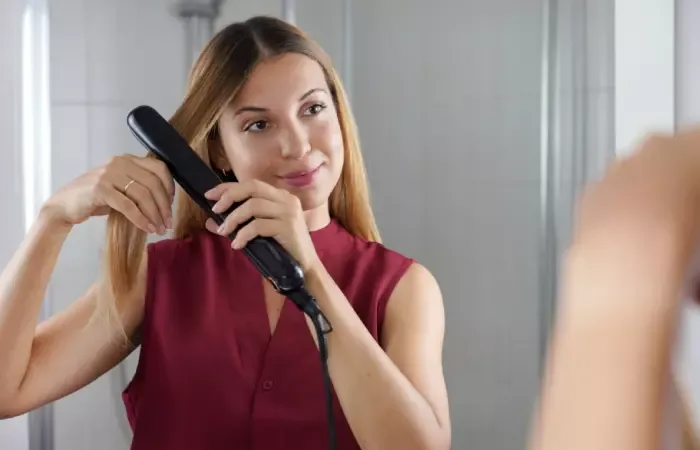
To dry your hair without frizz, focus on gentle handling and proper technique. Start by blotting excess water with a microfiber towel, then apply an anti-frizz product or heat protectant. Dry your hair in sections, always pointing the hairdryer nozzle downwards towards the ends.
Finish with a cool shot to seal the cuticle.
The Frizz Fiasco: What's Really Going On?
Frizz isn't just about bad hair days; it's a physical reaction of your hair's outer layer, the cuticle. Think of your hair shaft like a series of overlapping shingles on a roof. When your hair is healthy and hydrated, these shingles lie flat, reflecting light and giving your hair a smooth, shiny appearance.
However, when the hair cuticle is raised or damaged, which can happen from rough handling, heat, or even changes in humidity, it allows moisture to enter the hair shaft. This causes the hair to swell unevenly, leading to that familiar fuzzy, frizzy look. Essentially, frizz is your hair's way of trying to equalize its moisture balance with the surrounding air, especially when its natural protective barrier is compromised.
Your Hair Type: The First Clue to Frizz Control
Before you even reach for a towel, understanding your hair type is crucial for managing frizz. Different hair textures react differently to drying methods and products, and what works for one might not work for another.
- Fine hair: This type can easily become weighed down by heavy products, which can make it look flat and sometimes enhance flyaways. It also heats up quickly, so lower heat settings are often best.
- Thick hair: While often more resilient, thick hair can take longer to dry and may require more effort to ensure every strand is smoothed down. Over-drying can lead to brittleness.
- Wavy and curly hair: These textures have a natural tendency towards frizz because their unique shape means the cuticle is often more open or uneven to begin with. Gentle handling and specific techniques, like scrunching or diffusing, are key.
- Straight hair: This hair type can sometimes show frizz more prominently because the light reflects off the raised cuticle more directly, making it appear duller. Smoothness is paramount for shine.
Knowing your hair type helps you tailor your drying routine and product selection for the best results.
Gentle Towel Drying: Your First Line of Defense
This is where so many frizz-fighting efforts go awry right from the start. Aggressively rubbing your hair with a standard terrycloth towel is a surefire way to rough up the hair cuticle, setting the stage for frizz before you've even picked up a hairdryer.
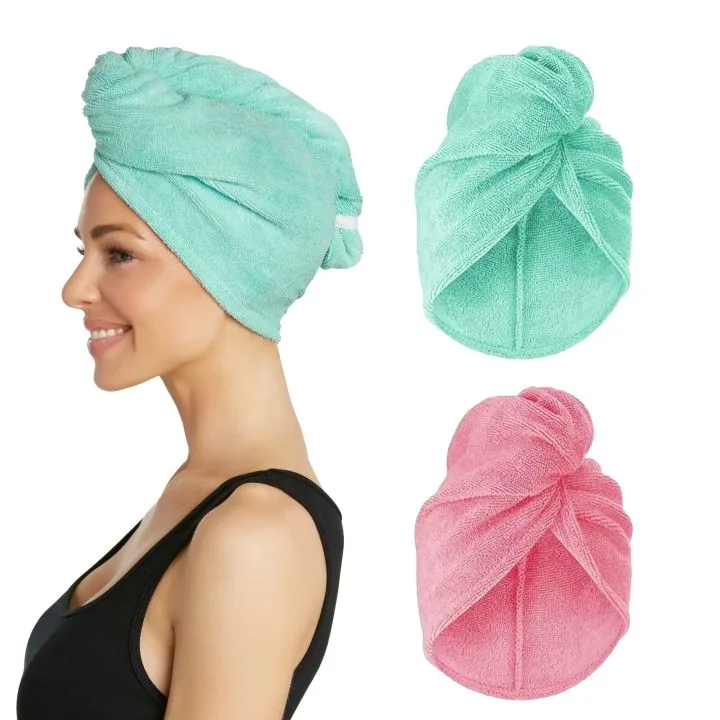
Image source: Bing (Web (fair-use with source credit))
- The Goal: To remove excess water without disturbing the hair cuticle.
- The Method: Instead of rubbing, gently squeeze the water out of your hair. Work in sections, pressing the towel against your hair from roots to ends.
- The Best Tool: A microfiber towel or even a soft, old cotton t-shirt. These materials are much smoother and less abrasive than traditional bath towels. Manufacturer specifications for microfiber towels often highlight their absorbency and gentleness, making them ideal for delicate hair strands.
Product Power: Your Secret Weapon Against Frizz
Products are your allies in the battle against frizz, acting as shields and smoothing agents as your hair transitions from wet to dry. Applying them to damp hair ensures they spread evenly and can be most effective.
Leave-in Conditioners & Serums for Smoothness
A good leave-in conditioner or an anti-frizz serum can make a world of difference. These products work by providing hydration and smoothing the hair cuticle.
- Hydration: They infuse moisture into the hair shaft, reducing its need to absorb moisture from the humid air, which is a primary cause of frizz.
- Smoothing: Many contain ingredients like silicones or natural oils that coat the hair shaft, sealing the cuticle flat and creating a barrier against humidity.
- Detangling: They also help to detangle hair, making the subsequent drying process smoother and less prone to breakage or roughing up the cuticle.
Heat Protectants: Non-Negotiable for Dryers
If you plan to use a hairdryer, a heat protectant is not optional, it's essential. High heat can damage the hair cuticle, making it rough and frizzy.
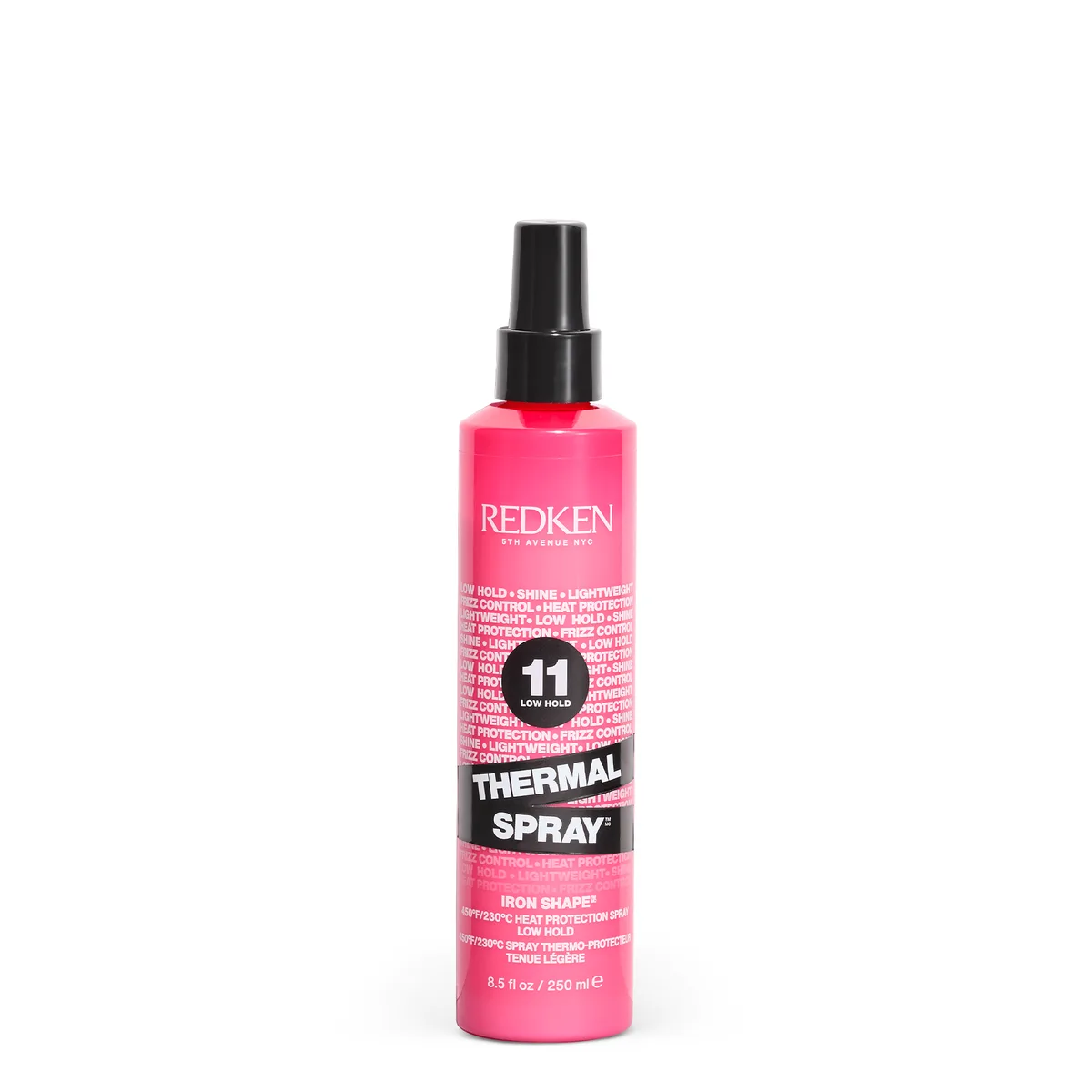
Image source: Bing (Web (fair-use with source credit))
- The Function: Heat protectant sprays or creams create a thermal barrier between your hair and the heat source. They typically contain ingredients that absorb or deflect heat, preventing extreme temperatures from damaging the hair's protein structure.
- Why it's Crucial: Without this protection, the direct heat from a hairdryer can strip moisture from the hair, weaken its structure, and cause the cuticle to lift, leading to dryness and frizz. A reliable heat protectant should be applied evenly before any heat styling begins. This aligns with safety guidelines from organizations like the Hairdressing Council, which emphasizes proper client preparation.
Mastering the Blow Dryer: Technique is Everything
When you're aiming for smooth, frizz-free hair, your blow dryer can be your best friend, but only if you use it correctly. It’s not just about blasting hot air until your hair is dry; it’s about strategic application. Manufacturer specifications for professional-grade hairdryers often highlight the importance of focused airflow.
The key is to control where the air goes and how hot it gets.
Using the Right Tools and Settings
First, make sure you're using the concentrator nozzle that came with your dryer. This narrow attachment directs airflow precisely where you need it, helping to smooth the hair cuticle as you dry. Avoid using the dryer without a nozzle when trying to achieve a smooth finish.
Settings matter too. Use a medium heat setting rather than the highest one, and always follow up with a blast of cool air. This temperature change helps to seal the hair cuticle, locking in smoothness and shine.
The Downward Flow: Why it Matters for Your Cuticle
This is arguably the most critical technique for frizz-free blow-drying. You should always point the hairdryer nozzle downwards, following the natural direction of your hair's growth and cuticle. Think of it like smoothing the shingles on a roof; you want them to lie flat.
When you direct the airflow downwards, you encourage the cuticle to lie flat and smooth. This prevents moisture from entering the hair shaft and reduces friction, which are primary causes of frizz. It’s a simple adjustment that makes a significant difference in the final texture and appearance of your hair.
Smart Air Drying: When to Let Nature Take the Lead
Air drying is a fantastic option if you have the time, as it eliminates the risk of heat damage. However, simply letting your hair air dry without any prep can still lead to frizz, especially in humid conditions. The key is to prepare your hair and then leave it alone.
Start by gently blotting excess water with a microfiber towel or a cotton t-shirt, just as you would before blow-drying. Then, apply your anti-frizz serum or leave-in conditioner evenly throughout your damp hair, focusing on the mid-lengths and ends. This ensures your hair has protection and smoothing agents in place as it dries naturally.
Frizz-Busting Habits Beyond the Dry
The fight against frizz doesn't stop once your hair is dry. Certain everyday habits can either help maintain your smooth finish or undo all your hard work. Being mindful of these can make a big difference in keeping frizz at bay throughout the day and night.
For instance, sleeping on a cotton pillowcase can create friction, roughing up the hair cuticle while you toss and turn. Consider switching to a silk or satin pillowcase. These materials are much smoother, allowing your hair to glide over the surface with less friction, thus helping to preserve your hairstyle and reduce frizz.
You can also explore how can I make lips look smoother before lipstick, as similar principles of surface smoothness apply to hair.
Mistakes That Invite Frizz (and How to Dodge Them)
Despite your best efforts, certain common mistakes can sabotage your frizz-free goals. Being aware of these pitfalls allows you to actively avoid them and ensure your drying process yields the best results. One of the most frequent errors is over-brushing or over-combing dry hair, especially if it's already prone to frizz.
- Over-brushing dry hair: This action can create static electricity and lift the hair cuticle, introducing frizz. If you need to detangle dry hair, use a wide-tooth comb or your fingers, and consider a detangling spray if needed.
- Using hot water: Rinsing your hair with very hot water can open the hair cuticle, making it more susceptible to frizz. Always opt for cooler water temperatures, especially for the final rinse. This is similar to how cooler temperatures help maintain lip health, as discussed in how can I prevent chapped lips.
- Touching wet hair too much: Constantly touching or playing with your hair while it's wet or damp can disrupt the cuticle and introduce frizz. Let it be as much as possible during the drying stages.
Frequently Asked Questions About Drying Hair Without Frizz
Why does my hair get frizzy when I blow dry it?
Frizz during blow-drying usually happens because the heat and airflow lift the hair cuticle, allowing humidity to enter. Rough handling or incorrect drying direction can also disrupt the cuticle, making hair absorb more moisture and puff up.
Can I use a hairdryer on very fine hair without causing frizz?
Yes, absolutely. Use a medium heat setting, always apply a heat protectant, and direct the airflow downwards with a concentrator nozzle. Avoid over-drying, and finish with a cool shot to seal the cuticle.
How often should I use anti-frizz products?
You can use anti-frizz serums or creams every time you wash and dry your hair. They are most effective when applied to damp hair before any heat styling. Regular use helps build smoother hair over time.
What's the difference between a microfiber towel and a regular towel for drying?
Microfiber towels are much gentler and more absorbent than standard cotton terrycloth towels. Their smooth fibers don't rough up the hair cuticle as much, which significantly reduces frizz and breakage caused by friction.
Should I comb or brush my hair after drying?
It's best to avoid excessive brushing or combing of dry hair, especially if it's prone to frizz. Use a wide-tooth comb or your fingers for gentle detangling if needed, and always start from the ends, working your way up to the roots.