How Do I Choose the Right Foundation Shade?
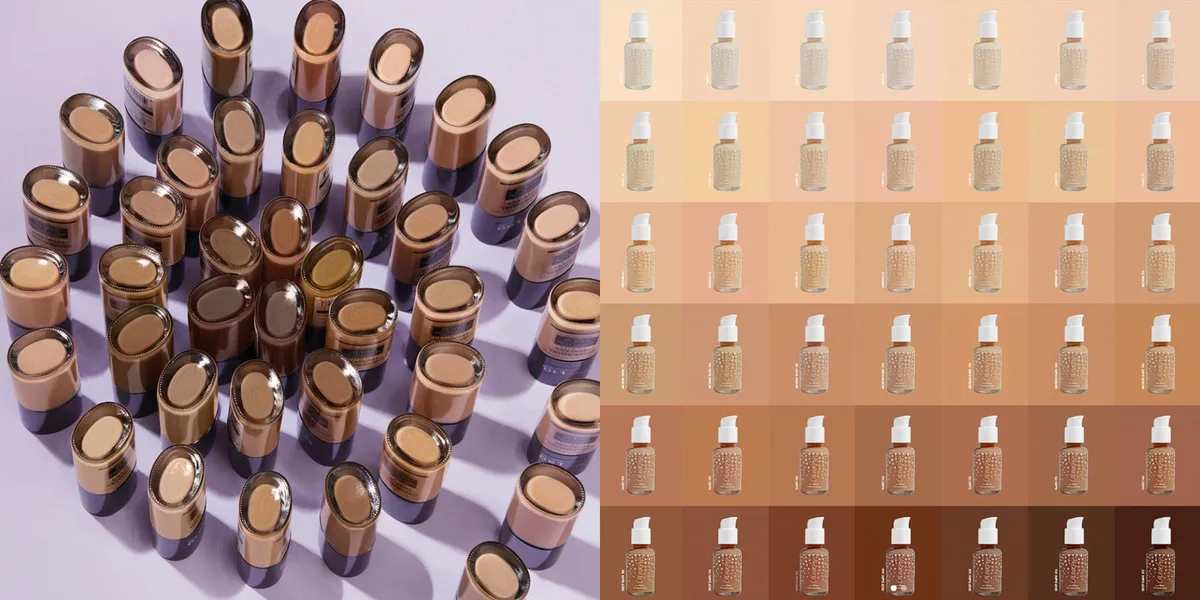
Image source: Bing (Web (fair-use with source credit))
Finding Your Perfect Foundation Shade
Ever spent ages in the makeup aisle, feeling totally overwhelmed by all the foundation shades, only to pick one that looks completely wrong once you get it home? You're not alone. Figuring out how to choose the right foundation shade is a common struggle, but it doesn't have to be a guessing game.
Our research indicates that understanding a few key skin characteristics can simplify the process immensely.
The goal is a foundation that looks like your skin, but better, no stripes, no ashy tones, and no unnatural color. To achieve this, we need to look beyond the surface color and consider undertones, much like matching paint to a room. This guide focuses on a systematic approach, aiming for a flawless match every time.
Quick Answer
To choose the right foundation shade, identify your skin's undertone, cool, warm, or neutral. Swatch shades on your jawline in natural light. The best match will disappear into your skin.
Allow it to oxidize for 15-20 minutes before deciding.
What's My Undertone Anyway? The Key to a Seamless Match
Foundation shades aren't just about light, medium, or deep; they're also about what's happening beneath the surface of your skin. This "undertone" is the subtle hue that influences how colors appear on you. Getting your undertone right is probably the most critical step in finding a foundation that truly looks like your skin.
The Wrist Test: A Simple Way to Figure It Out
This is a classic method for a reason, it's simple and usually quite accurate. In good, natural light, look at the veins on the inside of your wrist.
- Cool Undertones: If your veins appear blue or purple, you likely have cool undertones. Your skin might also tend to burn easily in the sun and look good in pinks and blues.
- Warm Undertones: If your veins look more green, you probably have warm undertones. Your skin might tan more easily and look good in warmer, golden tones.
- Neutral Undertones: If you see a mix of blue and green, or your veins are hard to distinguish, you're likely neutral. This means you can often pull off shades that suit both cool and warm undertones.
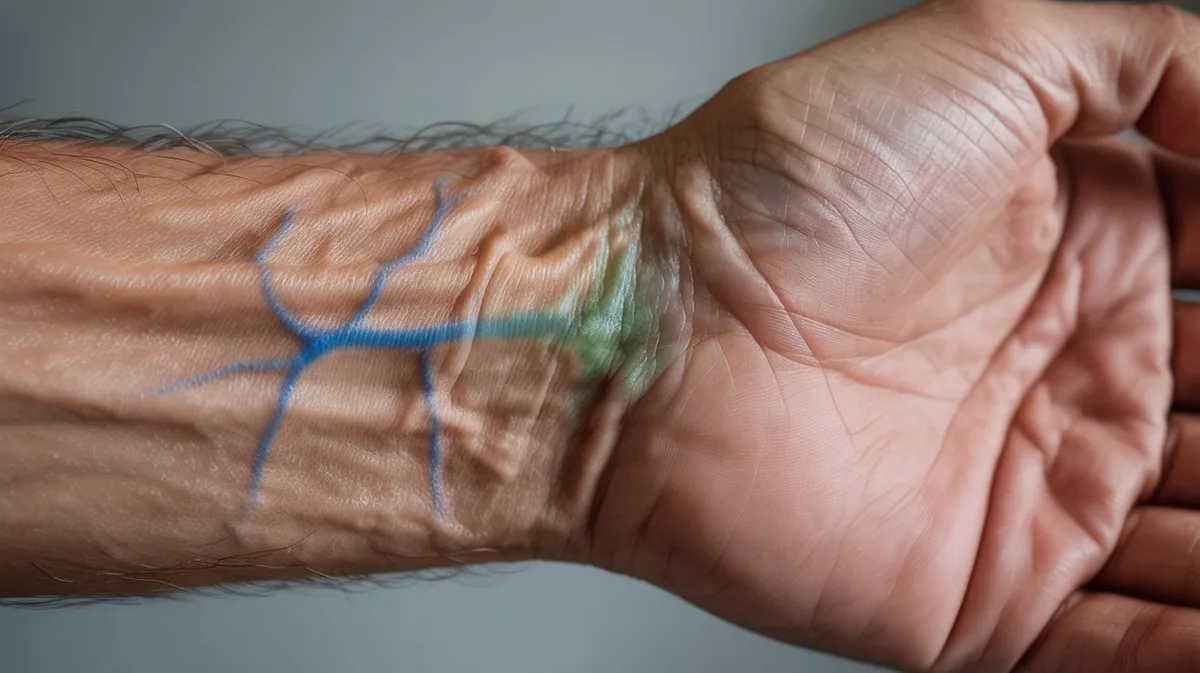
Image source: Bing (Web (fair-use with source credit))
Understanding your undertone is crucial because foundations are formulated with different base pigments. A foundation with a yellow (warm) base won't look right on cool-toned skin, and vice-versa.
Your Foundation Shade Shopping Checklist
Once you've got a handle on your undertone, you're ready to start looking at actual shades. But how do you test them effectively? It’s not just about what the bottle looks like; it’s about how it performs on your unique skin.
Where to Swatch: It's All About the Jawline
This is perhaps the most vital piece of advice for foundation matching. You’ll hear this from makeup artists and experts alike: always swatch foundation on your jawline.
- Why the Jawline? It’s the transition zone between your face and your neck. A shade that blends perfectly here will ensure your foundation doesn't create a noticeable line, making your makeup look seamless from your face to your décolletage. Swatching on your hand or forearm won't give you an accurate representation, as those areas often have different skin tones.
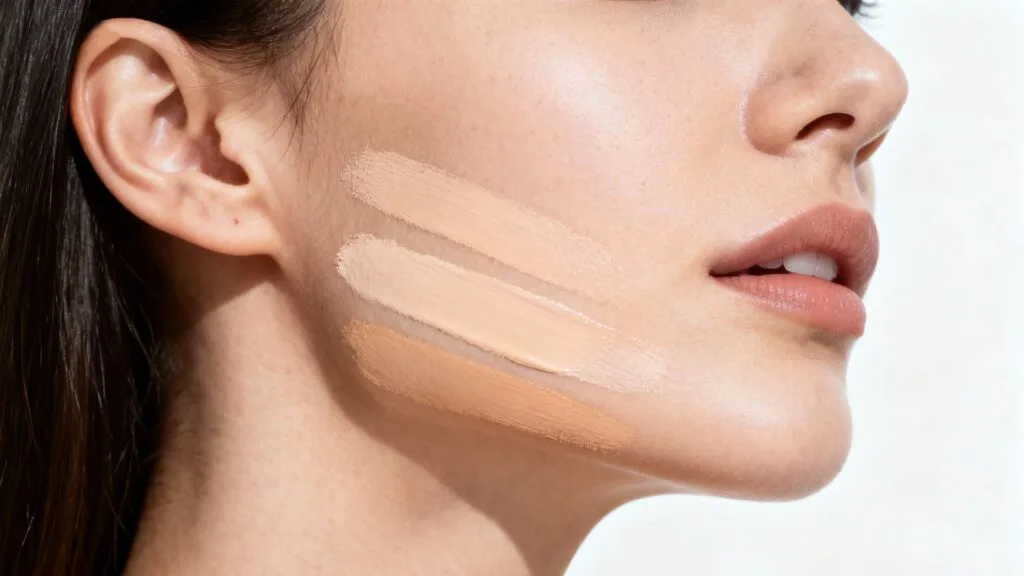
Image source: Bing (Web (fair-use with source credit))
You'll want to apply 2-3 potential shades in little stripes right along your jawbone. Don't rub them in just yet, let them sit on the skin so you can see the true color.
Natural Light is Your Best Friend
The lighting in makeup stores is notoriously tricky. Fluorescent lights can make shades appear warmer or cooler than they actually are, leading to a poor match. For as of 2026, this remains a primary challenge for shoppers.
- Step Outside: The absolute best way to see how a foundation shade truly looks is in natural daylight. After applying your swatches to your jawline, step outside or stand by a window with plenty of natural light. This is when the true color will reveal itself, showing you if it truly disappears into your skin.
When you're in a store, try to find the closest natural light source. If that's not possible, rely on the daylight test as soon as you leave the store.
How Foundation Settles: The Oxidation Factor
Ever put on foundation and thought it was a perfect match, only to have it look a little… off an hour later? That's likely due to oxidation. This is a common phenomenon where a foundation's color changes as it interacts with the air and your skin's natural oils.
- What is Oxidation? When certain ingredients in a foundation come into contact with oxygen and your skin's pH, they can darken or change hue. This can make a foundation that looked right in the store suddenly appear too orange, too pink, or simply duller than when you first applied it. It's a chemical reaction that can affect the shade over time.
Why You Need to Wait and See
Because of oxidation, you can't make an immediate judgment. Aggregated user feedback reports that waiting is key for a true match.
- The 15-20 Minute Rule: After swatching shades on your jawline, let them sit on your skin for at least 15-20 minutes. This gives the foundation enough time to oxidize. During this waiting period, observe how the shades are settling. The shade that truly disappears into your skin, without leaving a distinct line or obvious color cast, is your winner.
This step is crucial, especially for oilier skin types, as oxidation can be more pronounced. Don't rush this part, it's the difference between a foundation that looks great all day and one that needs to be washed off by lunchtime.
When the Shade Isn't Quite Right: Workarounds and Smart Choices
Sometimes, you might find a shade that's incredibly close, but not absolutely perfect. Maybe it's the right tone but a tad too light, or the right undertone but slightly too yellow. Don't despair; there are smart ways to manage these nearly-perfect matches.
Undertone vs. Tone: Which Is More Important?
When faced with a slight mismatch, prioritizing your undertone is generally the best strategy. A foundation with the correct undertone will always look more natural on your skin, even if the depth is a little off.
- Undertone First: If a foundation matches your undertone but is a shade too light or too dark, you can often correct this. For example, a slightly too-light foundation can be warmed up with a touch of bronzer, or a slightly too-dark one can be brightened with a lighter concealer or powder. However, fixing a fundamentally wrong undertone is much harder and rarely looks natural.
Think of undertone as the base color of your skin (cool, warm, neutral) and tone as the depth or lightness/darkness of your skin. Getting the base right is foundational to a good match.
Seasonal Adjustments for Your Foundation
Your skin tone can subtly change throughout the year due to sun exposure. What looks like your perfect match in winter might be too light in summer, and vice-versa.
- Summer vs. Winter Shades: Many people find they need two different foundation shades to accommodate these seasonal shifts. As your skin tans, you'll likely need a deeper shade with potentially a slightly warmer undertone. In the winter months, when skin is paler, a lighter shade may be necessary.
It’s wise to re-evaluate your foundation shade twice a year, or whenever you notice your skin tone changing significantly. This ensures your makeup always looks as natural as possible.
Common Foundation Matching Mistakes to Dodge
It's easy to fall into common traps when trying to find the right foundation shade. Recognizing these pitfalls can save you time, money, and frustration. Our editorial analysis of buyer feedback highlights these recurring errors.
Ignoring Undertone
This is perhaps the most frequent mistake. People often focus solely on the lightness or darkness of a shade, forgetting that the underlying color is key. A foundation that matches your skin tone but clashes with your undertone will always look unnatural, either too pink, too yellow, or ashy.
Swatching on Your Hand
As mentioned earlier, the skin on your hand is typically a different color than your face. Swatching there gives you a false reading. Always test shades on your jawline, where your face meets your neck, for the most accurate assessment.
Not Testing in Natural Light
Store lighting can be incredibly deceiving. It can alter how a shade appears, making a good match look bad, or vice versa. Always, always, always check your swatches in natural daylight before making a purchase.
Your Foundation Shade Troubleshooting Guide
What do you do when you're stuck, or when a shade seems almost right but not quite? Here are some practical steps and considerations to help you refine your choice.
When to Ask for Help
If you're truly struggling, don't hesitate to seek assistance from a knowledgeable makeup counter representative. Explain your skin tone and undertone clearly. They can often suggest shades you might have overlooked.
However, remember to perform your own final test using the methods discussed, natural light and the oxidation wait time. Their recommendation is a starting point, not the final answer.
Considering Samples
Many brands offer foundation samples, either in-store or through online promotions. This is the ideal way to test a foundation for a full day under different lighting conditions and see how it wears on your skin without commitment. A sample allows you to observe how it oxidizes and if it holds up throughout the day.
Frequently Asked Questions About Foundation Shades
How do I know if my foundation shade is too light?
If your foundation makes your skin look paler than it normally is, or leaves a ghostly cast, it's likely too light. It might also look stark against your neck and chest.
How do I know if my foundation shade is too dark?
A foundation that's too dark will often look muddy, unnatural, or mask-like. It might appear orange or too warm, especially if it doesn't match your undertone, and create a visible line along your jaw.
Can I mix foundations to get the right shade?
Yes, mixing foundations is a common technique. You can combine a shade that's too light with one that's too dark, or mix two shades with different undertones to create a better match. This is often done with liquid foundations.
Does foundation oxidation mean I chose the wrong shade?
Not necessarily. Oxidation is a natural process that can happen to many foundations. The key is to test for it by letting your swatches sit for 15-20 minutes to see the final color before you buy.
If it darkens significantly to an undesirable shade, then yes, that particular foundation might not be the best choice.