What Is the Best Hair Dryer?
So, you're on the hunt for a new hair dryer, huh? It sounds simple enough, but man, can it feel like a rabbit hole trying to figure out which one is actually the best. It's not just about how powerful the motor is; there's a whole bunch of stuff that goes into making a dryer great for you.
Think of it like this: you wouldn't pick the same running shoes for a marathon as you would for a quick jog around the block, right? Your hair is kind of the same. What works wonders for one person might be just "meh" for another.
That's why the "best" hair dryer is really about finding the best fit for your specific hair type, styling habits, and even your budget.
Quick Answer
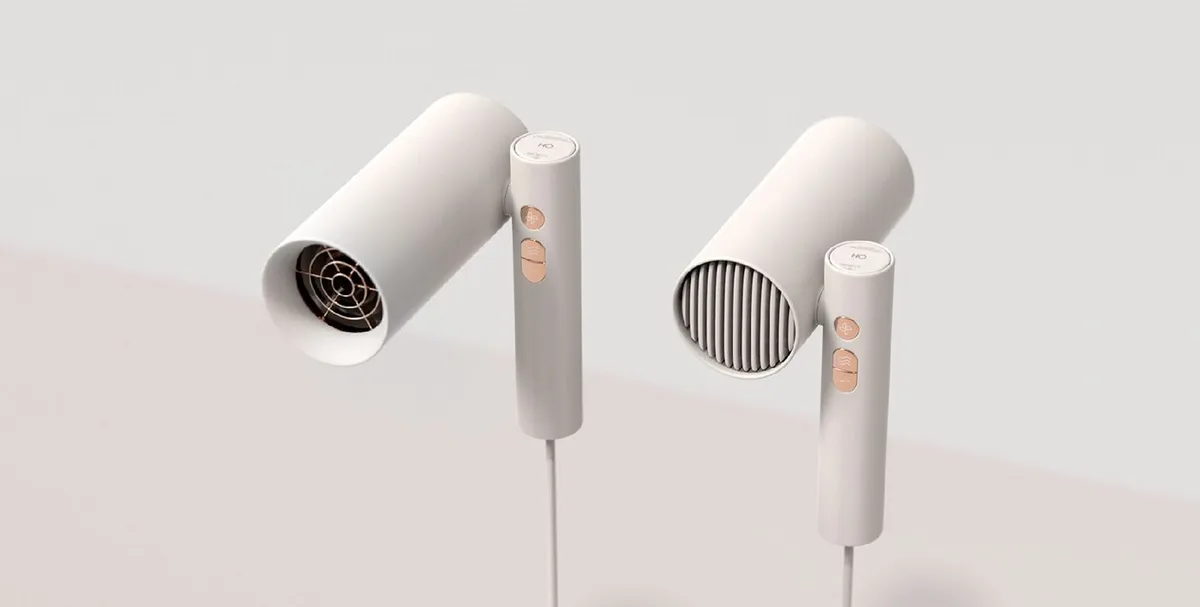
The best hair dryer offers a balance of power, heat control, and specialized attachments tailored to your hair type. Look for models with variable heat and speed settings, a cool shot button, and either a concentrator nozzle for smooth styles or a diffuser for curls. Ionic and ceramic technologies help reduce drying time and frizz, making them key considerations.
Your Hair Type: The Starting Point for Dryer Choice
What works wonders for one person's hair might be a disaster for another's. It all comes down to your hair's natural texture, thickness, and whether it's been treated with color or chemical processes. Being honest about your hair is the first step to finding the right dryer.
- Fine or Thin Hair: These hair types often need a gentler approach. High heat can cause damage quickly, leading to breakage. You'll want a dryer with lower heat settings and controlled airflow to avoid overwhelming your hair and making it look flat.
- Thick or Coarse Hair: This hair type can usually handle more heat and benefits from stronger airflow to cut down on long drying times. Look for higher wattage and robust heat control to manage its density effectively.
- Curly or Wavy Hair: The primary goal here is to dry your hair without creating frizz and while enhancing your natural texture. A diffuser attachment is non-negotiable. Adjustable heat and speed settings are also crucial for a gentle drying process.
- Damaged or Color-Treated Hair: If your hair is already compromised, heat is your enemy. Opt for dryers that prioritize advanced heat-control technology to prevent further damage. Ionic technology can also be a big help in smoothing the hair cuticle.
Key Features That Actually Make a Difference
Beyond just blowing hot air, modern hair dryers pack in a lot of technology designed to make drying faster, safer, and more effective. Understanding these features is key to choosing a dryer that suits your needs.
Understanding Ionic, Ceramic, and Tourmaline Tech
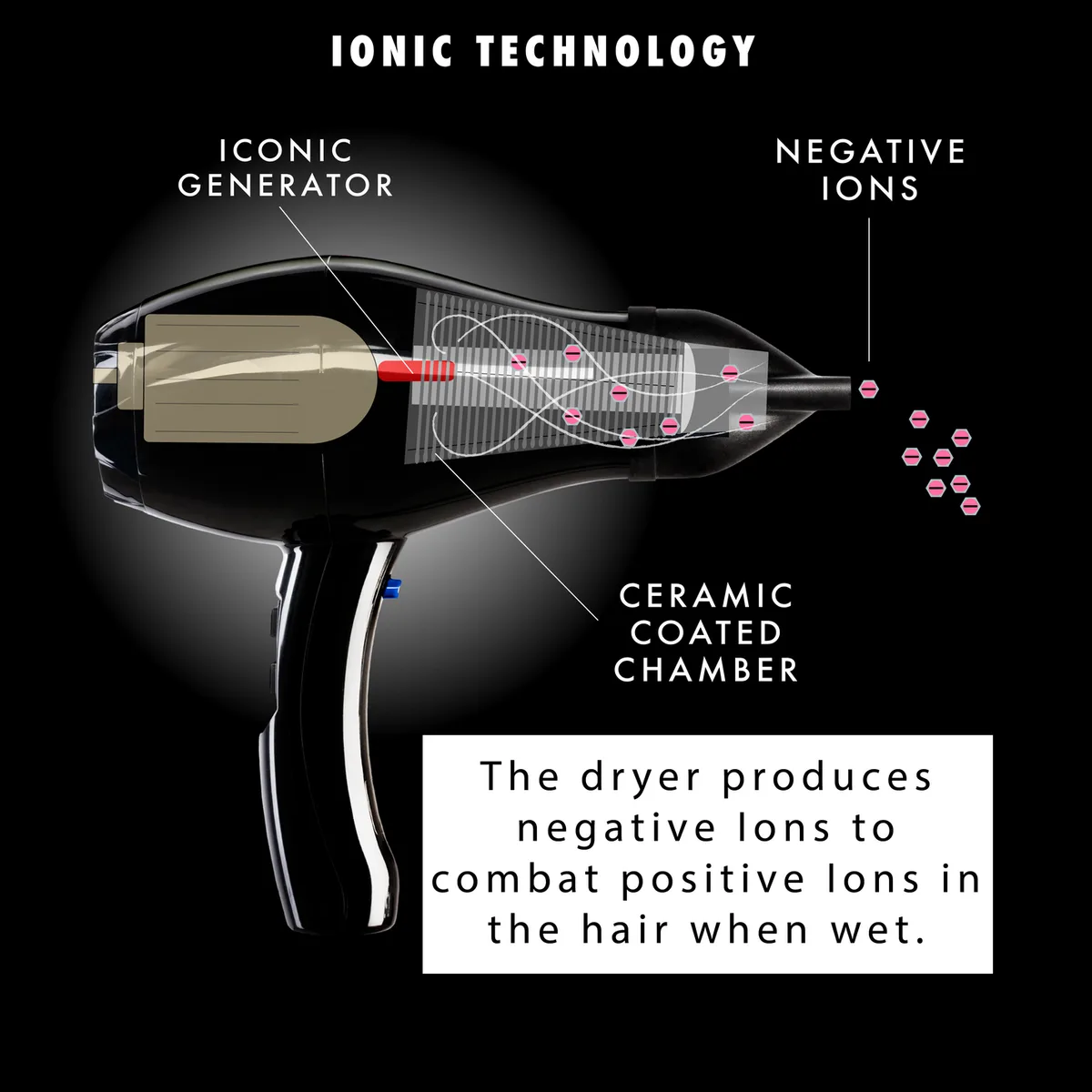
You'll see these terms on nearly every decent hair dryer box, and they're more than just marketing buzzwords. They relate to how the dryer manages heat and ions to impact your hair's condition.
- Ionic Technology: This feature releases negative ions. When these ions meet water molecules on your hair, they break them down faster, which can significantly speed up drying. They also help to neutralize the positive ions that cause frizz and static, leaving your hair smoother and shinier.
- Ceramic: Ceramic components in a hair dryer distribute heat more evenly. This reduces the chance of "hot spots" that can scorch your hair. Ceramic also emits infrared heat, which penetrates the hair shaft for quicker drying from the inside out.
- Tourmaline: This is a gemstone that, when heated, amplifies the effects of ionic technology. Dryers with tourmaline coatings or parts are often top-tier for their frizz-reducing and hair-smoothing capabilities, providing a noticeably sleeker finish.
Essential Attachments: Diffusers and Concentrators
The nozzle attachments that come with a dryer aren't just extras; they fundamentally change how you can use the tool.
- Concentrator Nozzle: This narrow attachment focuses the airflow into a precise stream. It's essential for targeted drying and for achieving sleek, smooth blowouts by directing air along the hair shaft.
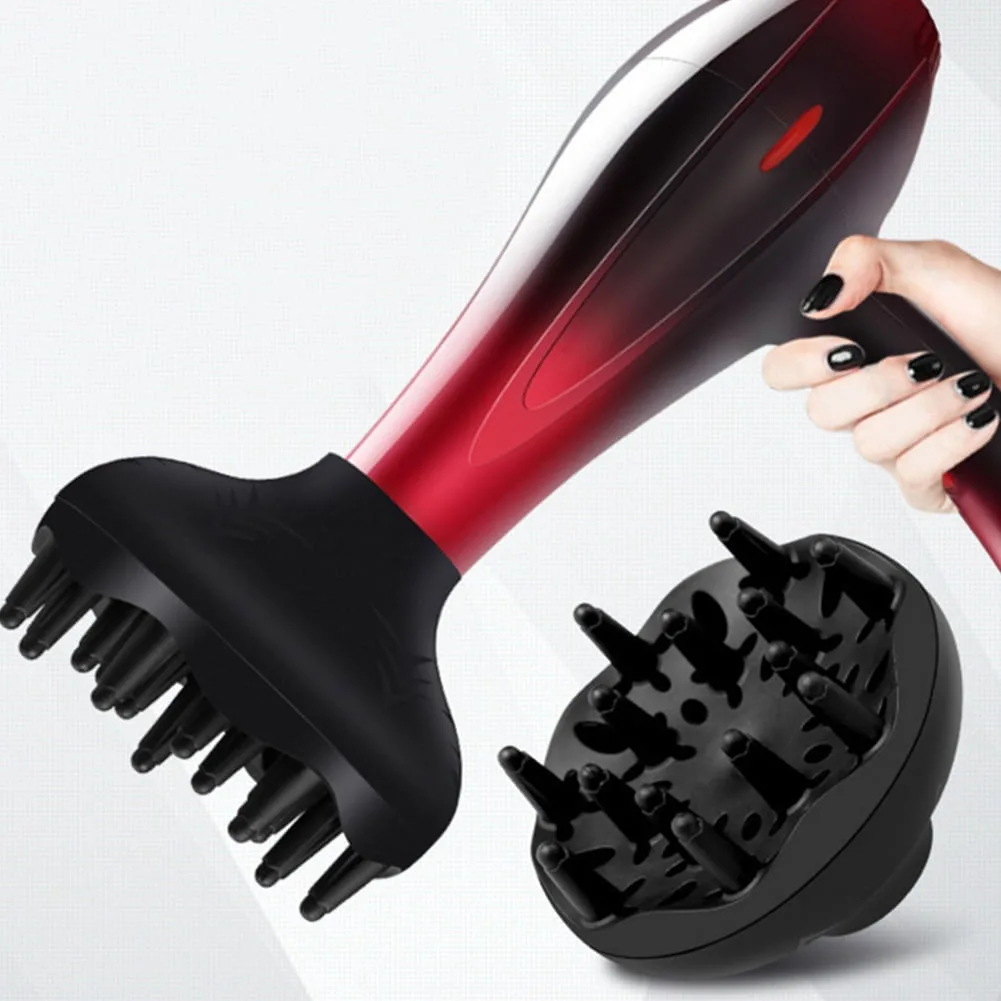
- Diffuser Attachment: If you have curls or waves, this is your best friend. A diffuser disperses the airflow over a wider area, drying your hair gently without disturbing your natural curl pattern. This helps to enhance curl definition and reduce frizz.
How Features Match Your Hair Needs
Now that we know the basic features, let's connect them directly to what your hair actually needs. It's not one-size-fits-all, so tailoring the dryer's capabilities to your hair type is crucial for healthy results.
Dryers for Fine, Thin, or Damaged Hair
For those with finer, thinner, or already damaged hair, gentleness is paramount. You want to minimize heat exposure and potential stress on the hair shaft.
- Low Heat & Speed Settings: These are non-negotiable. A dryer with multiple gentle settings allows you to control the temperature and airflow precisely, preventing overheating and breakage.
- Ionic Technology: This is highly beneficial for fine or damaged hair, as it helps to smooth the cuticle and reduce frizz without excessive heat, leading to a sleeker, shinier appearance.
- Lightweight Design: A dryer that's easy to maneuver prevents strain and accidental pulling, which can be more damaging to delicate hair.
- Ceramic or Tourmaline Components: These help distribute heat more evenly, reducing the risk of hot spots and thus minimizing heat damage.
Dryers for Thick, Coarse, or Curly Hair
If your hair is thick, coarse, or naturally curly, you generally need a bit more power and the right tools to manage it effectively.
- High Wattage (1800W+): More watts indicate more power, which generally translates to stronger airflow and heat. This can significantly cut down drying time for dense hair.
- Strong Airflow: A robust motor that pushes a good volume of air helps to dry thicker hair more efficiently.
- Multiple Heat Settings: While you can often handle higher heat, having options allows you to adjust based on styling needs and hair health.
- Diffuser Attachment: Absolutely essential for curly and wavy hair to dry without disrupting curl patterns and causing frizz. Look for diffusers with deep prongs that can reach into your hair.
- AC Motor: These are typically more durable and powerful, often found in professional-grade dryers that can handle longer, more frequent use.
Mistakes to Avoid
Even with the right dryer, improper usage can lead to damage and subpar results. Knowing what not to do is just as important as knowing what to look for.
- Starting on Soaking Wet Hair: Always towel-dry your hair thoroughly first to remove excess water. Manufacturer specifications from brands like Conair often recommend starting with hair that is about 80% dry. This cuts down on drying time and heat exposure.
- Using Only High Heat: Continuously blasting your hair on the highest heat setting is a recipe for damage, even for thicker hair. Vary your heat settings and always use the cool shot to finish.
- Holding the Dryer Too Close: Keeping the nozzle too close to your hair can concentrate heat in one spot, leading to burns and damage. Maintain a safe distance, generally 6, 8 inches, especially when using a concentrator.
- Not Using Attachments: Skipping the concentrator nozzle if you want a smooth style, or not using a diffuser if you have curls, means you're not getting the best results the dryer is capable of.
- Over-Drying: Stop drying when your hair is just dry, not bone-dry and brittle. Over-drying can strip natural moisture, leading to dullness and breakage.
Expert Tips for Better Drying and Styling
To get the most out of your hair dryer and achieve salon-worthy results at home, a few professional techniques can make all the difference. These tips are based on common advice from stylists and appliance manufacturers.
- Prep Your Hair: Always apply a heat protectant spray or serum before you start drying. This creates a barrier against heat damage. Many products, like those from Schwarzkopf Professional, are formulated to shield hair when exposed to temperatures up to 450°F (232°C).
- Rough Dry First: For most hair types, a preliminary rough dry with the concentrator nozzle removed (or on a low setting) can speed up the process significantly. Get the majority of the moisture out before focusing on styling.
- Section Your Hair: Divide your hair into manageable sections using clips. This ensures even drying and makes it easier to control your styling, preventing missed spots and reducing overall drying time.
- Use the Cool Shot: Once your hair is dry, use the cool shot button for about 15-30 seconds. This seals the hair cuticle, locking in shine and setting your style, making it last longer.
- Clean Your Dryer Regularly: Lint and dust can build up in the air intake filter, reducing airflow and potentially causing the dryer to overheat or malfunction. Check your user manual for cleaning instructions; it's usually a simple matter of removing the back grate and wiping it clean.
Frequently Asked Questions About Hair Dryers
How often should I replace my hair dryer?
While there's no strict rule, most manufacturers suggest replacing a hair dryer every 3-5 years, depending on usage and care. If you notice decreased performance, strange noises, or frayed cords, it's time for a new one.
Can a hair dryer damage my hair?
Yes, excessive heat, improper use, or using the wrong settings can definitely damage your hair, leading to dryness, breakage, and split ends. Using a heat protectant and appropriate settings can mitigate this risk.
What is wattage, and why does it matter?
Wattage indicates the power consumption of the hair dryer, which generally correlates with its heat output and airflow speed. Higher wattage (e.g., 1800W or more) typically means faster drying, especially for thicker hair types.
Is a lightweight dryer always better?
Not necessarily "always," but it's a major factor for comfort during styling. For users who style their hair frequently or for extended periods, a lighter, well-balanced dryer significantly reduces arm fatigue and makes the process more enjoyable.