How To Use A Massage Gun Before Workout: Quick Tips
Use a massage gun for 30 to 60 seconds per muscle, using light pressure before your workout.
A massage gun can help you feel more ready to move by warming soft tissue, increasing local blood flow, and easing the sense of stiffness. Used well, it is a helpful warm-up tool, not a replacement for dynamic exercise. This guide explains how to use a massage gun before workout sessions safely, with clear timing, settings, body areas, and mistakes to avoid.
What a Massage Gun Does Before a Workout
A massage gun is a handheld percussive therapy device. It uses quick pulses to press into muscles and other soft tissues. Many athletes use it before exercise to reduce the feeling of tightness and prepare the body for movement.
Research on percussive therapy suggests that it may improve short-term range of motion without reducing muscle strength when used correctly. It may also increase local circulation and help you feel less stiff. However, a massage gun does not fully warm your body or prepare your heart and lungs for hard exercise.
Think of it as turning on the lights before entering a room. It may help your muscles feel more prepared, but you still need a proper warm-up.
A pre-workout massage gun routine may help you:
• Reduce the feeling of muscle tightness
• Improve short-term joint range of motion
• Increase body awareness before exercise
• Prepare specific muscles for movement
• Make a warm-up feel smoother and more comfortable
The goal is not to dig deep into the muscle. The goal is to wake it up.
How to Use a Massage Gun Before Workout
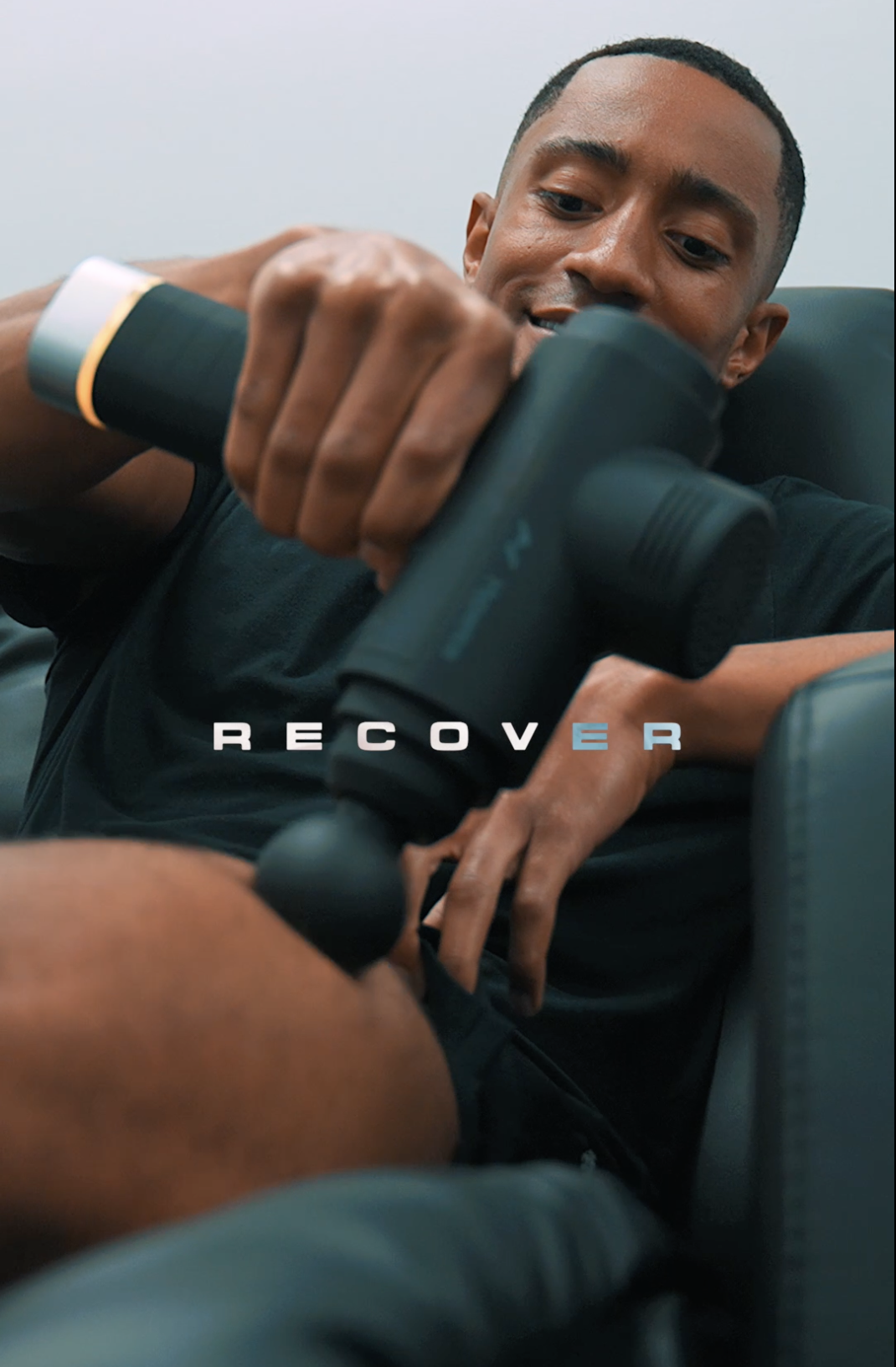
Using a massage gun before workout sessions is simple when you follow a clear order. Start with a low speed, use light pressure, and keep the device moving.
Step 1: Choose the muscles you will use
Focus on the main muscles involved in your workout. For a leg day, this may include your calves, quadriceps, hamstrings, and glutes. For an upper-body session, you may work on your chest, upper back, shoulders, and arms.
Do not try to treat every muscle in your body. A short, focused routine works better than a long session that leaves you tired.
Step 2: Start on the lowest setting
Turn the massage gun on its lowest speed. A low setting gives you time to notice how your body responds. You can increase the speed slightly if the sensation feels comfortable.
Before a workout, strong pressure is usually unnecessary. High speed and heavy pressure may make the muscle feel sore or relaxed instead of ready to produce force.
Step 3: Glide over the muscle
Move the massage gun slowly over the thick part of the muscle. Do not hold it in one spot for too long. Use smooth passes that last about 10 to 15 seconds.
The device should feel firm but comfortable. It should not cause sharp pain, numbness, tingling, or burning.
Step 4: Spend 30 to 60 seconds on each area
Use the massage gun for about 30 to 60 seconds on each large muscle group. Smaller areas may need only 15 to 30 seconds.
A complete pre-workout routine often takes five to eight minutes. That is enough for most people.
Step 5: Follow with dynamic movement
After using a massage gun before workout sessions, move through an active warm-up. Try bodyweight squats, walking lunges, arm circles, high knees, or light jogging.
This step matters because movement raises your body temperature and rehearses the patterns used in your workout.
:max_bytes(150000):strip_icc()/massage-gun-GettyImages-1299523667-2000-887c164d406e43089bbaeb85840dccae.jpg)
Best Massage Gun Routine by Workout Type
The best pre-workout routine depends on the activity ahead. Use the massage gun on the muscles that must work, but avoid treating sensitive areas or joints.
Before running
Runners often focus on the calves, hamstrings, quadriceps, and glutes. Spend about 30 seconds on each area, then walk or jog slowly for five minutes.
If your calves feel tight, use gentle passes from the lower calf toward the upper calf. Do not press directly on the Achilles tendon or the back of the knee.
Before leg day
For squats, deadlifts, or lunges, work on the glutes, quadriceps, hamstrings, and calves. You can also use the massage gun around the outer hip muscles, but stay on soft tissue.
Follow with:
• Bodyweight squats
• Hip hinges
• Reverse lunges
• Glute bridges
• Light sets with an empty bar or low weight
This combination helps your body move from a relaxed state into a loaded movement pattern.
Before cycling
Cyclists may benefit from short passes over the quadriceps, hamstrings, glutes, and calves. Keep the pressure light, especially if you will ride hard or race.
After using a massage gun before workout sessions, spend a few minutes pedaling at an easy pace. Then add short bursts that match the effort of your planned ride.
Before upper-body training
For upper-body workouts, target the chest, lats, upper back, rear shoulders, and arms. Use a smaller attachment or lighter pressure near the shoulder area.
Avoid pressing the device onto the front of your neck, spine, shoulder joint, or armpit. These areas contain bones, nerves, and sensitive structures.
Before sports
Sports such as basketball, soccer, tennis, and hockey require full-body movement. You can use the massage gun briefly on the calves, thighs, glutes, and upper back.
Keep the routine short. You should feel alert and mobile afterward, not sleepy or loose.

Where to Use a Massage Gun Before Exercise
A massage gun works best on large areas of soft muscle. You can use it on the muscle belly, which is the thick middle section of a muscle.
Common areas include:
• Quadriceps at the front of the thigh
• Hamstrings at the back of the thigh
• Glutes around the buttocks
• Calves below the knee
• Upper back muscles beside the spine
• Chest muscles
• Biceps and triceps
• Lat muscles along the side of the upper back
Use extra care around the hips and shoulders. These areas contain joints and several sensitive structures. Stay on the surrounding muscle and never force the device into a painful spot.
Avoid direct use on:
• Bones and joints
• The front and sides of the neck
• The spine
• The kidneys and lower back organs
• Open wounds or bruises
• Varicose veins
• Areas with numbness or reduced feeling
• Recent injuries or swollen tissue
A useful rule is simple: if you can clearly feel bone beneath the skin, move to a softer area.
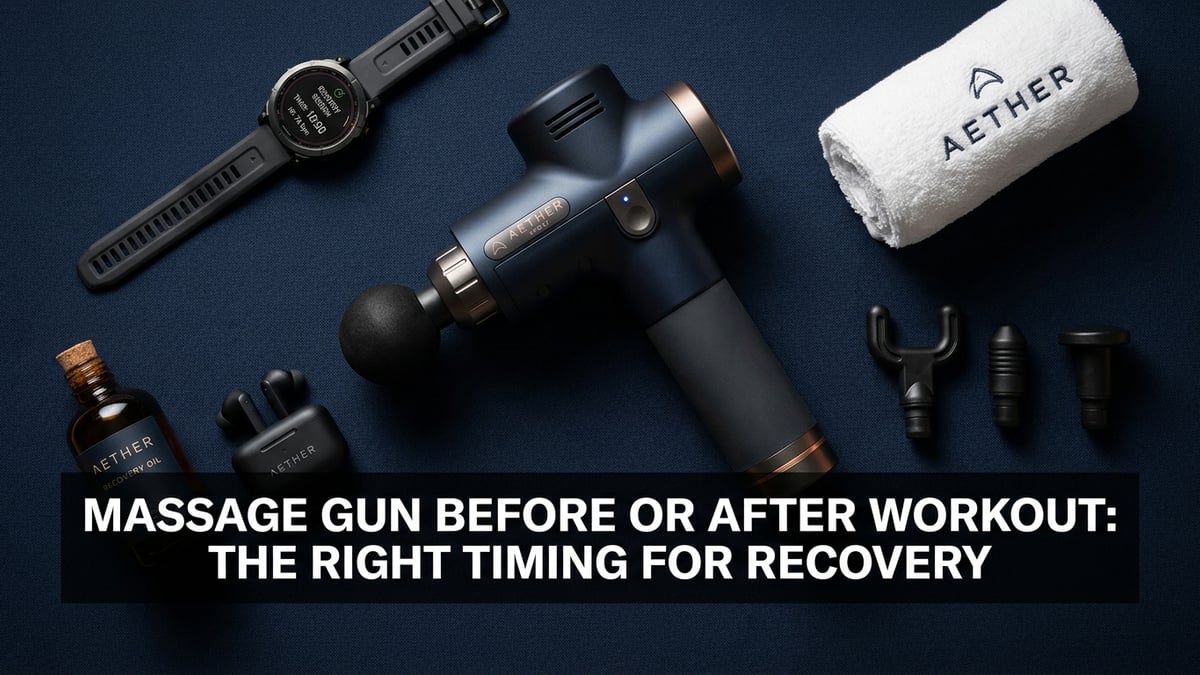
How Long Should You Use a Massage Gun Before a Workout?
Most people need five to eight minutes for a full pre-workout routine. Use 30 to 60 seconds on each major muscle group.
A simple timing plan looks like this:
- Calves: 30 seconds per side
- Quadriceps: 30 seconds per side
- Hamstrings: 30 seconds per side
- Glutes: 30 seconds per side
- Dynamic warm-up: five to 10 minutes
You may need less time for a small workout. For example, before a short run, you could spend 30 seconds on each calf and thigh, then begin walking.
Longer is not always better. Using a massage gun for 15 minutes before exercise may add little benefit and may irritate the tissue. Your body should feel prepared, not beaten up.

What Speed and Pressure Should You Use?
Start with low to moderate speed. The correct setting depends on the device, the muscle, and your comfort level. A massage gun should never feel like it is bruising or crushing the muscle.
Use these general guidelines:
• Low speed for sensitive areas and first-time use
• Moderate speed for large muscles such as the thighs and glutes
• Light pressure before strength, speed, or power work
• Continuous movement instead of long pauses
• A comfortable sensation without sharp pain
Some devices show speed levels or percussions per minute. These numbers are not perfectly comparable between brands. Your comfort and movement quality matter more than the number on the screen.
If the muscle feels numb, weak, or unusually relaxed, reduce the speed and pressure. Before explosive exercise, you want readiness and control.
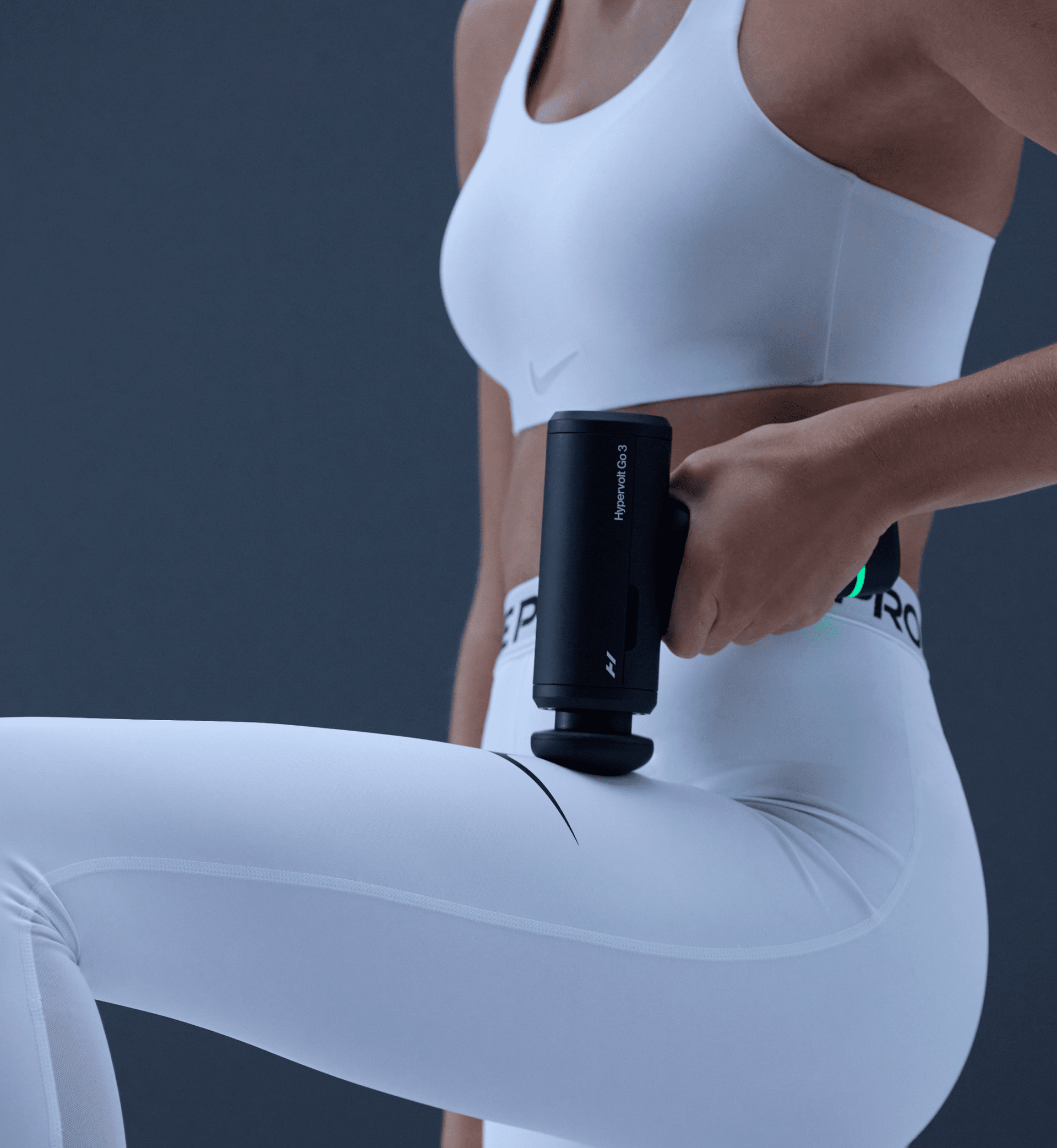
Massage Gun Before Workout vs. After Workout
The purpose changes depending on when you use the device.
Before exercise, use short and gentle passes. The goal is to reduce stiffness and support movement. Pair the massage gun with dynamic warm-up drills.
After exercise, some people use a massage gun for longer, slower work. This may feel soothing and can help with the sensation of muscle soreness. It does not instantly remove muscle damage or guarantee faster recovery.
A massage gun also cannot replace sleep, good nutrition, hydration, or a sensible training plan. It is one small tool in a larger recovery routine.
I have seen people make the same mistake many times: they spend ten minutes attacking a sore muscle before training, then wonder why the muscle feels dull. A better approach is to use less pressure, spend less time, and let movement do most of the preparation.

Benefits and Limits of Pre-Workout Percussion
Using a massage gun before workout sessions may offer practical benefits, but it is important to keep expectations realistic.
Possible benefits
• A temporary increase in range of motion
• Less feeling of stiffness
• Better awareness of tight or uneven areas
• A more comfortable transition into exercise
• A short, convenient warm-up aid
Studies on foam rolling and percussive therapy show that these methods may improve flexibility for a short time without harming performance when used moderately. The effect varies from person to person.
Important limits
• It does not replace a full warm-up
• It does not prevent every injury
• It cannot repair a torn muscle or tendon
• It may not improve strength or speed by itself
• It may hide pain that needs medical attention
• Strong use can cause bruising or tenderness
Use the massage gun to support training, not to ignore warning signs. Pain is information, not an enemy to silence.
Common Mistakes to Avoid
A massage gun is easy to use, but poor technique can make your warm-up less useful.
Using too much pressure
Many people press hard because they believe more force brings better results. Before exercise, heavy pressure can make the muscle sore or reduce its sense of readiness.
Let the device do the work. Keep your hand relaxed and use only enough pressure to feel the pulses.
Staying on one spot
Holding the massage gun in one place for several minutes can irritate the tissue. It may also increase soreness.
Keep moving over the muscle. If one point feels painful, stop and assess it rather than repeatedly attacking it.
Using it directly on joints
Joints, bones, and tendons do not need the same treatment as large muscles. Direct pressure may cause pain or irritation.
Work around the joint instead. For example, treat the quadriceps and hamstrings instead of the kneecap.
Skipping the active warm-up
A massage gun does not raise your core temperature enough for intense training. You still need to move.
Use light cardio and dynamic drills after percussion therapy. This helps prepare your nervous system for the task ahead.
Using it on an injury
Do not use a massage gun to push through acute pain, swelling, bruising, or a suspected tear. Seek advice from a qualified health professional when symptoms are serious or do not improve.
Safety Tips and Who Should Avoid It
Most healthy adults can use a massage gun with light pressure. Still, certain conditions require caution or medical guidance.
Speak with a health professional before using one if you have:
• A recent surgery or serious injury
• A blood clot or a history of blood clots
• A bleeding disorder
• A condition requiring blood-thinning medication
• Severe varicose veins
• Nerve damage or reduced sensation
• Osteoporosis or fragile bones
• Cancer treatment or an unexplained mass
• Pregnancy-related concerns
• Significant swelling or inflammation
Stop using the device if you feel sharp pain, dizziness, numbness, tingling, weakness, or unusual swelling.
Children should not use a massage gun without guidance from a parent and qualified professional. Always read the instructions for your specific device. Attachments, speed ranges, and safety warnings can differ between models.
A Simple Five-Minute Pre-Workout Plan
This routine works well before many general workouts. Adjust it to fit your body and training plan.
- Use the massage gun on the right calf for 30 seconds.
- Move to the left calf for 30 seconds.
- Treat each quadriceps for 30 seconds.
- Treat each hamstring for 30 seconds.
- Treat each glute for 30 seconds.
- Perform 10 bodyweight squats.
- Perform 10 reverse lunges per side.
- Complete five minutes of easy walking, cycling, or jogging.
- Begin your workout with a lighter practice set.
For upper-body training, replace the leg areas with the chest, upper back, lats, shoulders, and arms.
The best test is how you move afterward. If your range of motion feels easier and your muscles feel alert, the routine is doing its job. If you feel sore or weak, use less time and pressure next time.
How to Make Your Routine More Effective
A massage gun works best when it fits into a complete preparation plan.
Start with a few slow breaths and notice where you feel stiff. Use the device only on those areas. Then perform movements that match your workout.
For example, before a squat session, use the massage gun on your glutes and thighs. Follow with bodyweight squats, hip hinges, and gradually heavier warm-up sets. Before a sprint session, use short passes on the calves and thighs, then perform skips and progressive runs.
Keep a simple training note. Record the area, speed, time, and how you felt during exercise. This helps you find the routine that suits your body instead of copying someone else’s settings.
In my experience, the most useful routine is rarely the most intense one. A calm, five-minute plan used often is more helpful than an aggressive session used once in a while.
Frequently Asked Questions
Is it good to use a massage gun before a workout?
Yes, a massage gun may help reduce the feeling of stiffness and improve short-term range of motion. Use light pressure for a short time, then complete a dynamic warm-up.
How long should I use a massage gun before exercise?
Use it for about 30 to 60 seconds per major muscle group. A focused routine of five to eight minutes is usually enough.
Should I use a massage gun before lifting weights?
You can use a massage gun before lifting weights on the muscles involved in the session. Keep the pressure light and follow it with movement drills and gradual warm-up sets.
Can a massage gun replace stretching before a workout?
No, a massage gun does not replace a complete warm-up. Dynamic movements, light cardio, and exercise-specific practice are still important.
Can I use a massage gun on sore muscles before working out?
Light use may feel comfortable for mild, normal muscle soreness, but do not use it on sharp pain, swelling, bruising, or a suspected injury. Pain that changes your movement should be assessed by a qualified professional.
Where should I not use a massage gun?
Avoid the spine, bones, joints, front of the neck, open wounds, bruises, swollen areas, and varicose veins. Use the device on soft muscle tissue instead.
What speed should I use before a workout?
Start with the lowest speed and increase only if it feels comfortable. Low to moderate speed is usually better before exercise than the strongest setting.
Conclusion
Learning how to use a massage gun before workout sessions can make your warm-up feel more focused and comfortable. Use light pressure, move over large muscle groups, spend 30 to 60 seconds per area, and always follow percussion therapy with dynamic movement.
Treat the massage gun as a warm-up aid, not a cure-all. Listen to pain signals, avoid bones and injured areas, and adjust the routine to your activity. Try the five-minute plan before your next workout, track how you feel, and share your experience or explore more training and recovery guides.