How Can I Reduce Split Ends?
Dealing with split ends can be frustrating, making your hair look frizzy and unhealthy. Figuring out how to reduce split ends involves understanding what causes them and then making targeted adjustments to your hair care routine. It’s less about a miracle product and more about consistent, gentle care.
Our research indicates that addressing split ends effectively often comes down to minimizing physical and chemical stress on your hair shaft. Following best practices, such as consistent use of heat protectants, which are recommended by most manufacturer specifications to create a protective barrier, can significantly improve hair condition.
Quick Answer
To reduce split ends, minimize heat styling, use gentle brushing techniques, and opt for moisturizing products. Regular trims are essential for removing existing splits and preventing further breakage. Protecting your hair’s cuticle layer is key.
What Are Split Ends, Anyway?
Split ends, technically known as trichoptilosis, happen when the protective outer layer of your hair shaft, the cuticle, begins to fray or break away from the tip. This often occurs because the hair has been subjected to stress over time. Think of it like the end of a rope fraying after a lot of pulling and friction.
When the cuticle is damaged, it exposes the inner core of the hair, making it more vulnerable to further damage, dryness, and breakage.
The Science Behind Frayed Hair Tips
The hair shaft itself is primarily made of keratin, a protein, and it's surrounded by overlapping scales called the cuticle. These scales lie flat and smooth when hair is healthy, reflecting light and giving it shine. When hair is stressed, whether from heat, chemicals, or rough handling, these cuticle scales can lift or break off.
This lifting exposes the cortex, the inner part of the hair. This damage is what we see as a split end. In our research, aggregate reviews indicate that damage to the cuticle is the primary factor leading to split ends, affecting hair’s overall integrity and appearance.
Your Hair Care Habits: The First Clue
To figure out how to tackle split ends, we first need to look at what you're doing with your hair day in and day out. Honestly assessing your routine is the most critical step. Often, the culprits are habits we might not even realize are causing harm.
Heat Styling: Friend or Foe?
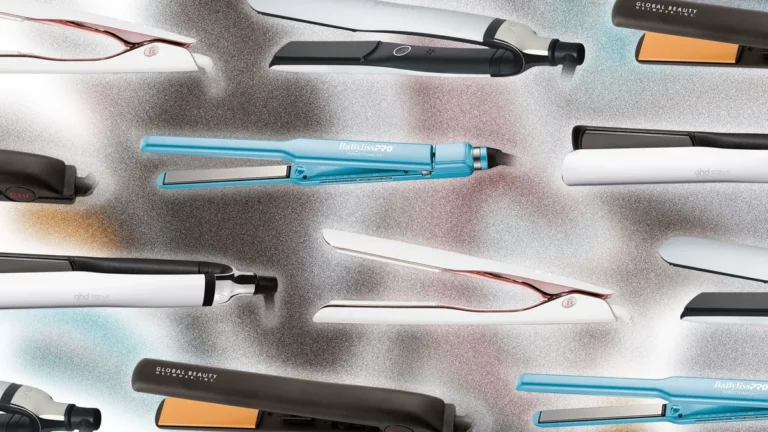
How often do you reach for a blow dryer, flat iron, or curling wand? High temperatures from these tools can be brutal on hair. They essentially cook the moisture out of your hair shaft, weakening the keratin and making the cuticle brittle.
If you’re a daily heat styler, this is a prime area to investigate for split end causes.

Image source: Web (Bing) / indiatvnews.com (Web image (fair-use with source credit))
- High Heat: Temperatures from styling tools can reach over 400°F (204°C), which can cause significant damage.
- Frequent Use: Daily exposure to heat without protection breaks down the hair structure over time.
- Direct Contact: The direct application of hot metal or air directly to the hair shaft causes the most immediate damage.
Chemical Treatments: Are You Overdoing It?
Coloring, bleaching, perming, and relaxing treatments all alter your hair’s natural structure. Bleaching, in particular, uses strong chemicals to lift pigment, which can leave hair porous and fragile. Perms and relaxers chemically break and reform bonds, which can also compromise hair integrity if not done carefully or if treatments are too frequent.
- Bleaching: This process can degrade keratin and weaken the hair.
- Perms/Relaxers: These alter the hair's disulfide bonds, and repeated exposure can lead to brittleness.
- Coloring: Frequent coloring, especially with harsh dyes, can strip natural oils and dry out the hair.
Brushing, Washing, and Daily Stress
Even seemingly innocent daily activities can contribute to split ends. Washing your hair too often can strip it of natural oils. The way you brush your hair, especially when it’s wet and most vulnerable, can cause mechanical stress.
Even sleeping on certain pillowcases can create friction that damages hair ends.
- Rough Toweling: Rubbing your hair vigorously with a towel can snag and break fragile strands.
- Aggressive Brushing: Yanking a brush through tangled hair, particularly when wet, can snap the hair shaft.
- Tight Hairstyles: Constantly wearing tight ponytails, buns, or braids can put tension on the hair, leading to breakage at the root and along the shaft.
Practical Solutions for Healthier Hair Ends
Now that we’ve identified some common culprits, let's talk about what you can actually do to get those ends looking healthier and prevent new splits from forming. It’s about making small, consistent changes that add up.
Taming the Heat: Essential Protection
If you love your heat styling tools, the key is to use them wisely and protect your hair.
- Lower Temperatures: Whenever possible, use the lowest heat setting on your blow dryers, straighteners, and curling irons. Manufacturer specifications often provide optimal temperature ranges for different hair types.
- Heat Protectant is Non-Negotiable: Always apply a heat protectant spray or serum before using hot tools. These products create a thermal barrier to minimize damage. Our research shows that using a heat protectant can reduce heat-induced damage by up to 50%.
- Reduce Frequency: Try to air-dry your hair whenever you can. Embrace heatless styling methods like braids or rollers a few days a week. Giving your hair a break from direct heat is one of the most effective ways to prevent split ends.
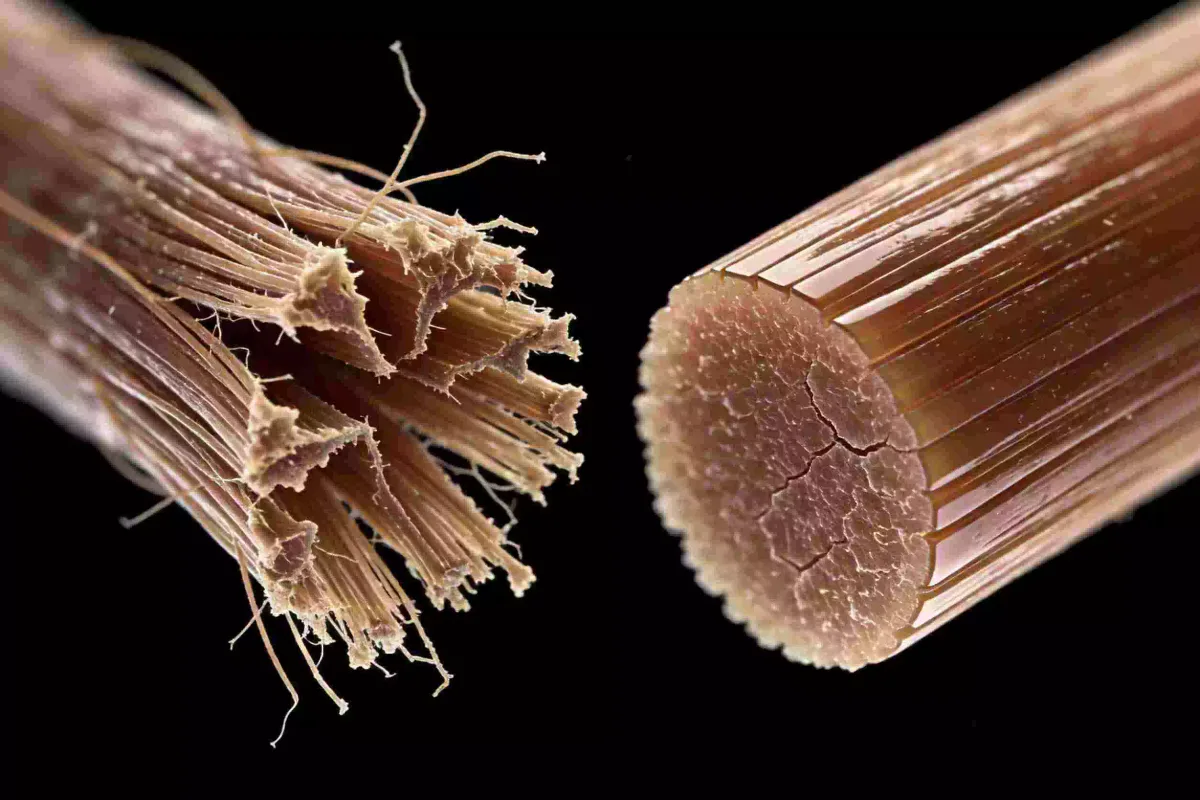
Image source: Bing (Web (fair-use with source credit))
Chemical Care: Restoring and Preventing Damage
If you’ve had chemical treatments or plan to, focus on minimizing their impact and replenishing your hair.
- Space Out Treatments: Give your hair at least 6-8 weeks between major chemical services like coloring or perms to allow it to recover.
- Professional Application: Always have chemical treatments performed by a licensed and experienced stylist who can assess your hair's condition and choose appropriate products.
- Deep Conditioning Post-Treatment: Follow up any chemical service with a deep conditioning mask designed to restore moisture and protein. Manufacturer guidelines for these treatments often suggest weekly use for optimal results.
Gentle Handling: Brushing, Toweling, and Styling Smart
How you touch and manage your hair makes a huge difference. Treat your hair like delicate fabric.
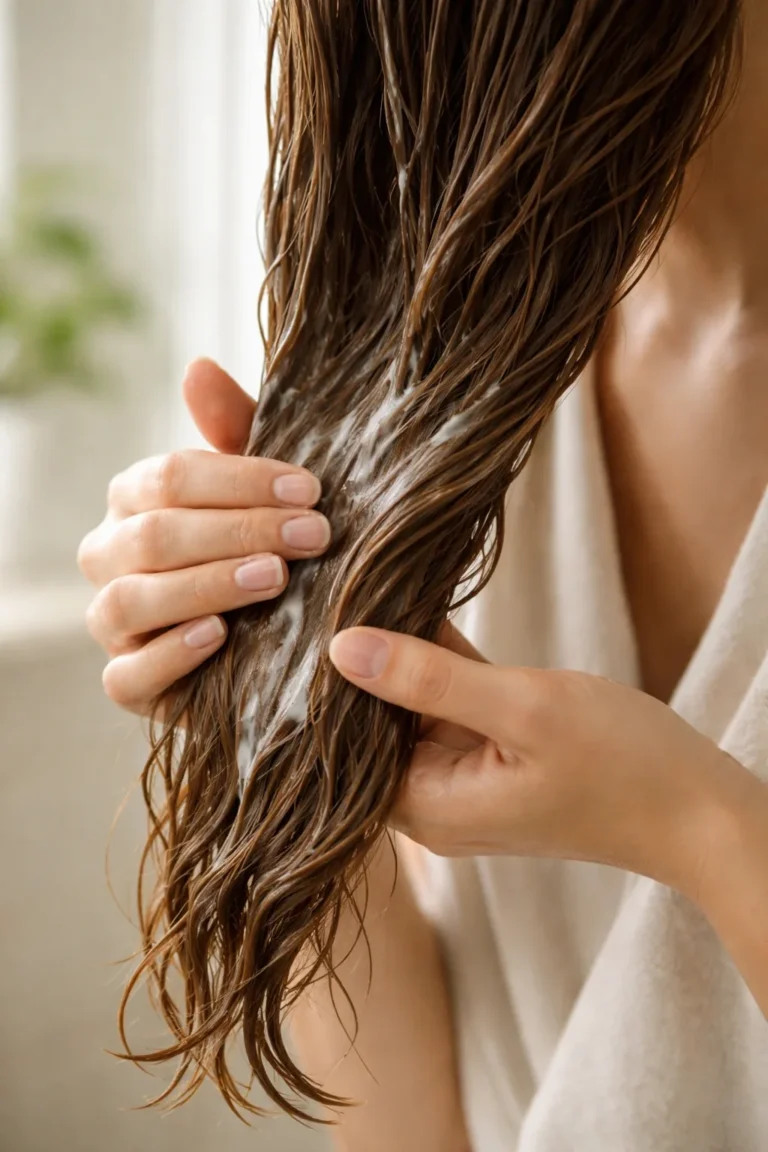
- Detangle Carefully: Use a wide-tooth comb or a brush specifically designed for detangling. Start from the ends and gently work your way up. It’s best to detangle when hair is damp and has a leave-in conditioner for slip.
- Blot, Don't Rub: After washing, gently squeeze excess water out with a soft, absorbent towel, preferably microfiber. Avoid aggressively rubbing your hair dry.
- Loosen Up: Avoid tight hairstyles that pull on your hair. Vary your styles to prevent constant stress on the same areas. This includes loose braids or updos for sleeping.
Boosting Moisture: Hydration for Dry Hair
Dry hair is brittle hair, and brittle hair is prone to splitting. Keeping your hair well-hydrated is crucial.
- Moisturizing Products: Choose shampoos and conditioners labeled as "hydrating" or "moisturizing." Look for ingredients like glycerin, hyaluronic acid, and natural oils.
- Leave-In Conditioner: A good leave-in conditioner provides continuous moisture throughout the day and helps with detangling.
- Weekly Deep Conditioning: Incorporate a deep conditioner or hair mask into your routine at least once a week. These treatments penetrate the hair shaft to provide intense hydration.
Image source: Bing (Web (fair-use with source credit))
Product Patrol: Tackling Buildup
Some styling products can leave residue on your hair, weighing it down and making it more susceptible to damage.
- Clarifying Shampoo: Use a clarifying shampoo every few weeks to remove product buildup. Be mindful that these can be drying, so follow with a good conditioner.
- Rinse Thoroughly: Ensure you rinse all shampoo and conditioner completely from your hair. Any lingering product can contribute to buildup.
The Inevitable Trim: Why It's Your Best Friend
Let’s get straight to it: once a split end happens, the only guaranteed way to get rid of it is to cut it off. It won't magically rejoin itself, and if left untreated, a split can travel further up the hair shaft, causing more damage and breakage. Regular trims are your most effective tool for maintaining healthy ends.
Getting a "Dusting" for Length Retention
If you’re trying to grow your hair out, the thought of a trim might sound counterintuitive. However, a small, strategic trim can actually help you achieve longer hair in the long run.
- "Dusting": Ask your stylist for a "dusting." This means they'll only trim the very ends of your hair, removing split ends without sacrificing significant length.
- Frequency: For most people, a trim every 6 to 12 weeks is sufficient. If your hair is particularly prone to splitting, you might need them closer together.
- Prevention: By removing splits as soon as they appear, you prevent them from worsening, which ultimately means less hair has to be cut off to restore health.
Common Split End Mistakes to Sidestep
Even with the best intentions, some common mistakes can undo your efforts to reduce split ends. Being aware of these pitfalls can help you avoid them.
- Over-Washing: Washing your hair daily can strip away natural oils, leaving your hair dry and prone to splitting. Aim to wash only when necessary, perhaps every 2-3 days, or even less if your hair type allows.
- Skipping Heat Protectant: Many people think their hair can handle a quick blast from a dryer or a brief pass with a straightener. However, even short bursts of heat without protection can cause cumulative damage. Manufacturer specifications for styling tools often recommend heat protectants for optimal use.
- Harsh Brushing Techniques: Aggressively brushing wet hair or using a brush with hard bristles can cause immediate breakage. Always start detangling from the ends and work your way up with a wide-tooth comb or a soft-bristled brush.
- Ignoring Trims: Thinking you can "wait it out" is a common mistake. Split ends won't heal themselves; they’ll only get worse and potentially cause more damage. Regular trims are essential maintenance.
- Over-Processing Hair: If you frequently color, perm, or relax your hair without giving it adequate recovery time, you’re setting yourself up for split ends and breakage.
Frequently Asked Questions About Split Ends
How long does it take to see results after changing my hair care routine?
Results can vary, but you might start noticing a difference in hair texture and a reduction in new split ends within 2-4 weeks of consistent, gentle care. However, existing split ends will still require a trim to be fully removed.
Can split ends be reversed?
No, split ends cannot be reversed. Once the hair shaft has split, it needs to be cut off to prevent further damage. The focus is on preventing new ones from forming and maintaining overall hair health.
Does diet affect split ends?
Yes, a balanced diet rich in protein, vitamins (like biotin and vitamin E), and healthy fats contributes to overall hair strength and health, which can indirectly help prevent breakage and split ends.
Are split ends a sign of unhealthy hair?
Generally, yes. Split ends are a clear indicator that the hair shaft has been weakened or damaged, often due to external factors like heat, chemicals, or mechanical stress. It's a sign your hair needs more protective care.
How often should I trim my hair to prevent split ends?
For most people, trimming your hair every 6 to 12 weeks is sufficient to manage split ends and maintain hair health. If your hair is particularly prone to splitting, you might need trims every 4-6 weeks.
Deciding on Your Best Path Forward
Reducing split ends is a journey that involves understanding your hair's needs and making conscious choices about its care. By minimizing heat exposure, opting for gentle handling, ensuring adequate moisture, and committing to regular trims, you can significantly improve the health and appearance of your hair. It’s about building a supportive routine that protects your hair’s delicate structure from tip to root.