How Can I Prevent Split Ends?
Split ends, those frustrating frayed tips of your hair, can make even the healthiest-looking mane appear dull and damaged. Understanding how to prevent them is key to maintaining strong, vibrant hair and reducing the need for frequent trims. It’s a common issue, but with the right approach, you can keep your strands looking their best.
Our research indicates that consistent, gentle care and smart styling choices are the pillars of split end prevention. For example, per various haircare standards, maintaining adequate moisture levels in the hair shaft is crucial for its integrity. This article will walk you through the most effective strategies to keep those split ends at bay.
Quick Answer
To prevent split ends, focus on gentle hair handling, proper moisture balance, and protecting your hair from damage. This means using mild shampoos, conditioning regularly, avoiding excessive heat styling, and protecting your hair from friction. Regular trims are for maintenance, but prevention lies in your daily routine.
Your Hair Type: The First Branch in Prevention
When we talk about preventing split ends, there's no one-size-fits-all solution. The first, and arguably most important, step is understanding your unique hair type. What works wonders for one person might actually cause damage to another.
This means tailoring your prevention strategy based on whether your hair is fine or thick, straight or curly.
Fine vs. Thick Hair Needs
Fine hair, with its smaller diameter, is often more fragile and prone to breakage. It can be easily weighed down by heavy products, which can lead to split ends if not chosen carefully. On the flip side, thick hair, while generally more resilient, can still suffer from split ends, especially if it's prone to dryness and tangling.
Our research shows that for fine hair, lightweight, volumizing conditioners and leave-in treatments are often recommended. For thick hair, richer, more emollient products can help combat dryness, but it's crucial to ensure they don't build up on the scalp or roots.
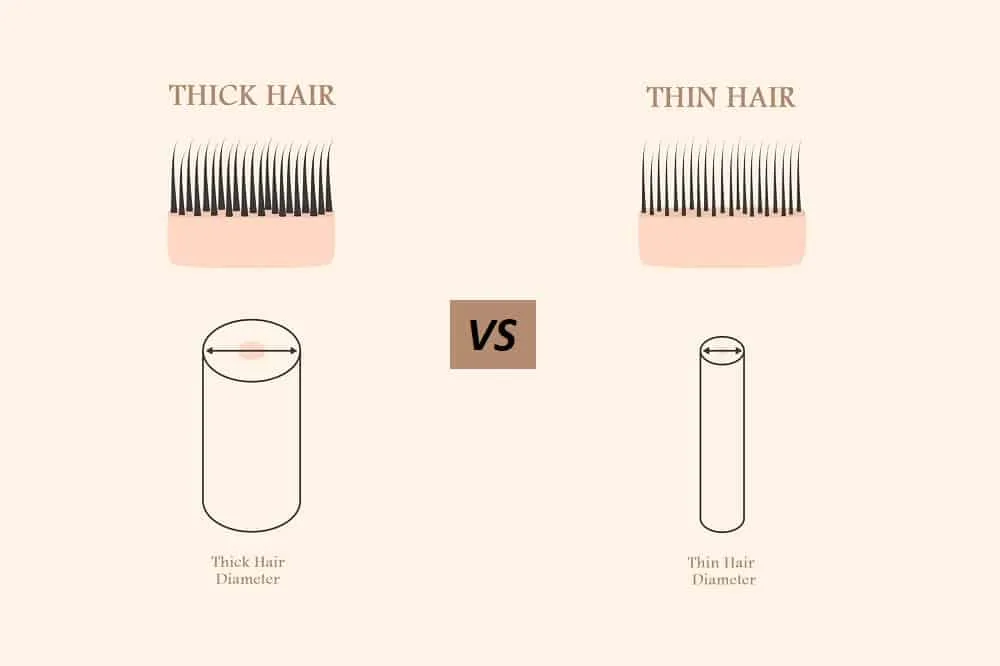
Image source: Bing (Web (fair-use with source credit))
Curly vs. Straight Hair Challenges
Curly and coily hair types have a natural tendency to be drier than straight hair because the scalp's natural oils have a harder time traveling down the spiraled hair shaft. This lack of moisture makes them more susceptible to split ends. Straight hair, while better at retaining moisture, can be more affected by mechanical damage from brushing and friction.
For curly hair, focusing on deep hydration and minimizing harsh manipulation is paramount. For straight hair, the emphasis shifts to protecting the hair shaft from physical stress and maintaining its cuticle integrity.
Gentle Hair Care Habits: Building a Stronger Foundation
The foundation of split end prevention lies in your everyday hair care practices. It’s about treating your hair with kindness and avoiding common habits that can weaken the hair shaft. Think of it like this: you wouldn't scrub a delicate fabric harshly, and your hair deserves a similar gentle approach.
Washing & Drying Wisdom
How you wash and dry your hair plays a significant role in its overall health and its tendency to split. Over-washing can strip your hair of its natural oils, leading to dryness and brittleness. When shampooing, focus on the scalp to clean away dirt and excess oil, letting the lather gently run down the hair strands.
Conditioner is your best friend for split end prevention; always apply it from the mid-lengths to the ends. As for drying, aggressively rubbing your hair with a towel is a major culprit for damage. Instead, gently squeeze out excess water and opt for a microfiber towel or a cotton t-shirt.
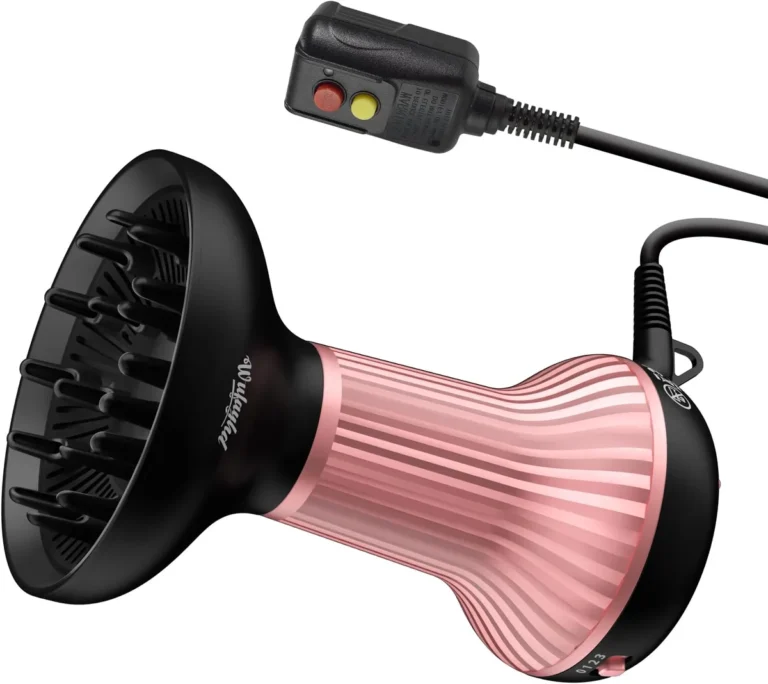
Air-drying is ideal when possible, but if you must use heat, always apply a heat protectant spray first.
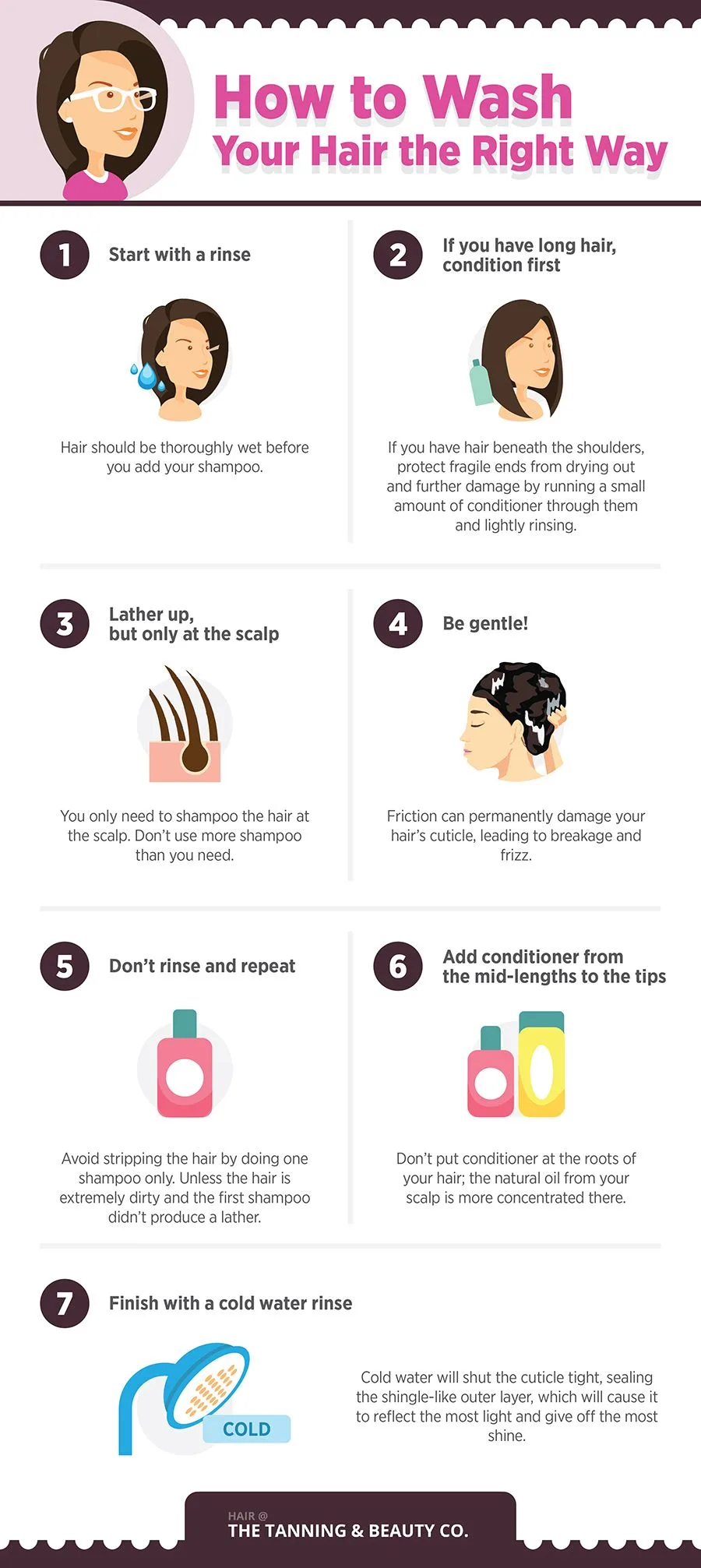
Image source: Bing (Web (fair-use with source credit))
Detangling Without Damage
Tangled hair is a breeding ground for split ends. When you pull and tug at knots, you're essentially breaking the hair shaft. The key is to detangle your hair when it’s damp and coated with a conditioner or a leave-in detangler.
Start from the very ends of your hair and work your way up towards the roots. This method allows you to gently tease out knots rather than forcing them, significantly reducing breakage and split ends. For curly or very thick hair, using a wide-tooth comb or even your fingers can be more effective than a brush.
The Right Tools for the Job
The tools you use on your hair can make a big difference. Harsh bristles, rough materials, and outdated styling tools can all contribute to split ends. When brushing your hair, opt for tools with smooth, rounded teeth or bristles that are less likely to snag and tear at the hair shaft.
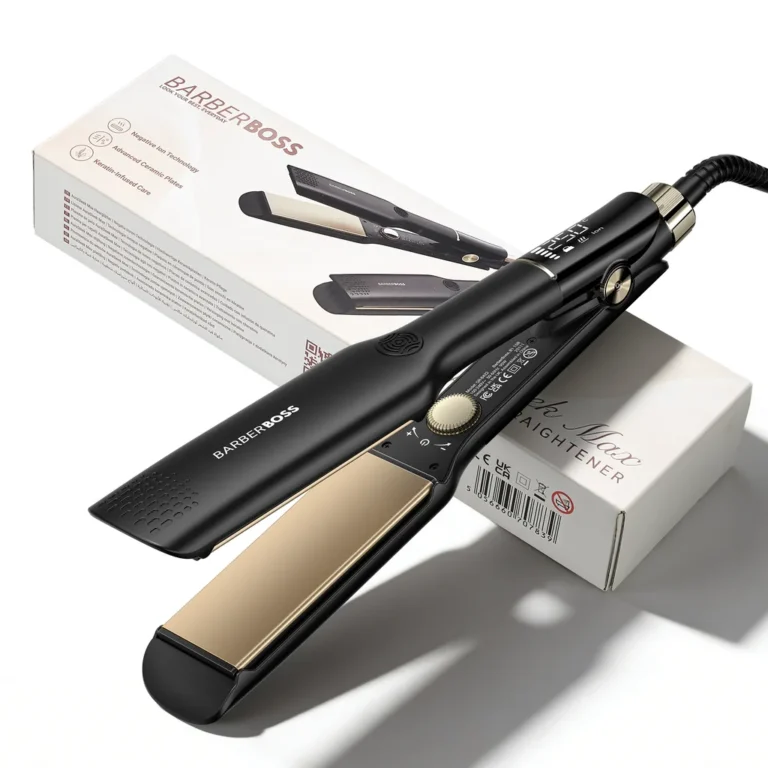
Wide-tooth combs are excellent for detangling, especially on wet hair. For styling, ceramic or tourmaline-infused tools tend to distribute heat more evenly, which can minimize damage compared to older metal versions. Avoid combs with sharp edges or missing teeth.
Styling Smart: Heat, Chemicals, and Friction
Beyond your basic washing and drying routine, how you style your hair day-to-day can either reinforce your prevention efforts or undo them completely. Heat, chemical treatments, and even simple friction can all cause significant damage if not managed properly.
Heat Protection: Your Shield
Most of us use heat styling tools like blow dryers, straighteners, or curling irons at some point. The high temperatures can essentially cook the moisture right out of your hair, leaving the cuticle layer lifted and prone to splitting. Before applying any heat, it's absolutely crucial to use a heat protectant spray or serum.
These products create a barrier between your hair and the heat source. Look for formulas that contain silicones or other protective ingredients. Manufacturer specifications often recommend using heat styling tools on medium or low settings whenever possible, and always ensure your hair is completely dry before straightening or curling.
Chemical Treatments: Proceed with Caution
Coloring, perming, relaxing, or chemically straightening your hair can dramatically alter its structure, making it more vulnerable. These processes break down the hair's natural bonds to achieve the desired look. Because they inherently compromise the hair's integrity, they often lead to increased dryness, brittleness, and, consequently, split ends.
If you choose to undergo chemical treatments, it's essential to do so under the guidance of a professional stylist and to commit to a rigorous post-treatment care routine. This includes using sulfate-free shampoos, deep conditioning treatments, and moisture-rich leave-in products. Regular salon trims are also a must to manage any damage that does occur.
Friction Factors: What to Watch Out For
You might not think about it, but everyday friction is a major, often overlooked, contributor to split ends. This includes things like rough pillowcases, tight hairstyles, clothing collars, scarves, and backpack straps. Cotton pillowcases can cause friction as your hair rubs against them all night.
Ponytails, braids, or buns that are too tight can put constant stress on the hair shaft. Heavy fabrics that rub against your hair can cause wear and tear, as can straps that constantly brush against it. To minimize this, consider switching to a silk or satin pillowcase.
Loosen your hairstyles, especially for sleeping, and try to be mindful of how your clothing or accessories interact with your hair. If you wear your hair up frequently, rotating protective hairstyles can help distribute the stress.
Protective Styles & Smart Choices
Beyond daily habits, strategic styling choices can offer your hair a much-needed break, preventing the constant wear and tear that leads to split ends. It's about giving your hair periods of rest and reduced manipulation.
When to Go Protective
Protective hairstyles are those that tuck away the ends of your hair, minimizing exposure to the elements and daily friction. Think braids, twists, cornrows, or buns. These styles are particularly beneficial for people with curly or coily hair types, as they help retain moisture and prevent breakage.
However, it’s important to ensure these styles aren't installed too tightly, as this can cause tension and lead to traction alopecia. Our research suggests that protective styles should be worn for limited periods, typically 4-8 weeks, and that regular cleansing and moisturizing of the scalp and hair underneath is still necessary. Skipping these steps can lead to scalp issues and overall hair weakening, paradoxically contributing to split ends.
The Role of Regular Trims
While prevention is the main goal, regular trims are an essential part of managing split ends. Even with the best care, some split ends are inevitable over time. Trimming doesn't prevent them from starting, but it stops them from traveling further up the hair shaft, which causes more damage and makes hair look thinner.
Think of it like cutting off a fraying thread before it unravels a whole seam. Our editorial analysis of various haircare practices indicates that most hair types benefit from a trim every 6 to 8 weeks. For those with very healthy hair aiming to grow it out, extending this to 10-12 weeks might be acceptable, but it’s a judgment call based on how your hair is holding up.
Common Split End Mistakes and How to Fix Them
Even with the best intentions, it’s easy to make mistakes that can lead to split ends. Knowing what to avoid can save your hair a lot of trouble. One of the biggest slip-ups is over-manipulating your hair.
This includes excessive brushing, especially when wet, or constantly fiddling with your hair throughout the day. Another common error is using the wrong hair products; harsh sulfates in shampoos can strip natural oils, and heavy, pore-clogging conditioners might not be suitable for all hair types. Skipping heat protectants before using hot tools is also a recipe for disaster, essentially frying your hair's cuticle.
Finally, forgetting about friction is a major oversight. Sleeping on cotton pillowcases or wearing tight hairstyles can cause daily damage that accumulates over time. The good news is that most of these mistakes are fixable with a few simple adjustments to your routine.
Focusing on gentle handling, the right products for your hair type, and minimizing friction can dramatically reduce the occurrence of split ends. If you've already got split ends, a good trim is the most effective way to remove them and prevent them from worsening.
FAQs: Your Split End Questions Answered
Can split ends be completely repaired?
Unfortunately, once a hair strand has split at the end, it cannot be fully repaired. The split needs to be physically removed through a trim. The best approach is prevention to stop them from forming in the first place.
How often should I get a haircut to prevent split ends?
For most hair types, a trim every 6 to 8 weeks is recommended to remove split ends before they travel further up the hair shaft. If you're trying to grow your hair long, you might be able to stretch this to 10-12 weeks, but monitor your hair's condition closely.
Are natural hair products better for preventing split ends?
Natural products can be excellent, but "natural" doesn't automatically mean better. What matters are the ingredients and how they benefit your specific hair type. Look for moisturizing ingredients like shea butter, argan oil, or coconut oil, and avoid harsh alcohols that can be drying.
Can diet affect split ends?
Yes, your diet plays a role in overall hair health. A balanced diet rich in vitamins, minerals, and protein supports strong hair growth from the inside out. Deficiencies in nutrients like biotin, iron, or omega-3 fatty acids can contribute to brittle hair and an increased likelihood of split ends.
Is it okay to brush my hair multiple times a day?
Brushing your hair excessively, particularly when it's dry, can cause friction and damage that leads to split ends. It’s best to detangle gently when your hair is damp and conditioned, and avoid unnecessary brushing throughout the day.