How Do I Choose a Hair Straightener?
So, you're wondering how do I choose a hair straightener? It's a question many of us ask when our current one gives up the ghost, or when we're just ready for an upgrade. Picking the right one isn't just about looks; it's about getting that smooth, sleek style without damaging your hair in the process.
The variety out there can be overwhelming, but by understanding a few key differences, you can zero in on a tool that suits your hair perfectly. For instance, manufacturer specifications often detail plate materials and temperature ranges, with many professional-grade models reaching up to 450°F (232°C) to tackle the most stubborn textures. This guide will break down what really matters.
Quick Answer
Choose a hair straightener based on your hair type, desired style, and plate material. For fine hair, opt for ceramic plates and lower heat settings (around 300°F). Thick, curly hair benefits from titanium plates and higher heat (up to 450°F).
Adjustable temperatures and a swivel cord are key features for most users.
The Big Decision: Why Your Hair Type Matters Most
Your hair's texture, thickness, and condition are the absolute starting point for choosing any hot styling tool, and a hair straightener is no exception. What works wonders for someone with fine, straight hair might be a disaster for someone with thick, coily curls. It’s all about finding a tool that can tame your mane without causing damage.
Think about it: very fine hair can burn or break easily with too much heat, while very thick or coarse hair might simply laugh at lower temperatures, leaving you frustrated. Manufacturer specifications for professional hair dryers often highlight different heat and airflow settings for varying hair types, and straighteners operate on a similar principle. By matching the straightener's capabilities to your hair's needs, you're setting yourself up for success and healthier-looking results.
Plate Power: Ceramic, Tourmaline, or Titanium?
The plates are where the magic happens, or sometimes, where the damage starts. Their material is a huge factor in how evenly heat is distributed and how smoothly the straightener glides through your hair. Understanding these differences can save your strands from unnecessary stress.
- Ceramic Plates: These are a popular choice for good reason. Ceramic heats up relatively evenly, which helps to minimize hot spots that can scorch your hair. They also tend to be gentler on hair, making them a solid option for most hair types, especially if you're concerned about heat damage.
- Tourmaline Plates: You'll often find tourmaline infused into ceramic plates. This is a gemstone that, when heated, releases negative ions. These ions help to seal the hair cuticle, reduce frizz, and boost shine. It’s like giving your hair a smoother, glossier finish.
- Titanium Plates: These heat up very quickly and can reach higher temperatures than ceramic. This makes them incredibly effective for straightening very thick, coarse, or curly hair that needs serious heat to become pliable. However, because they get so hot, they can be too harsh for fine or fragile hair if not used with extreme caution.
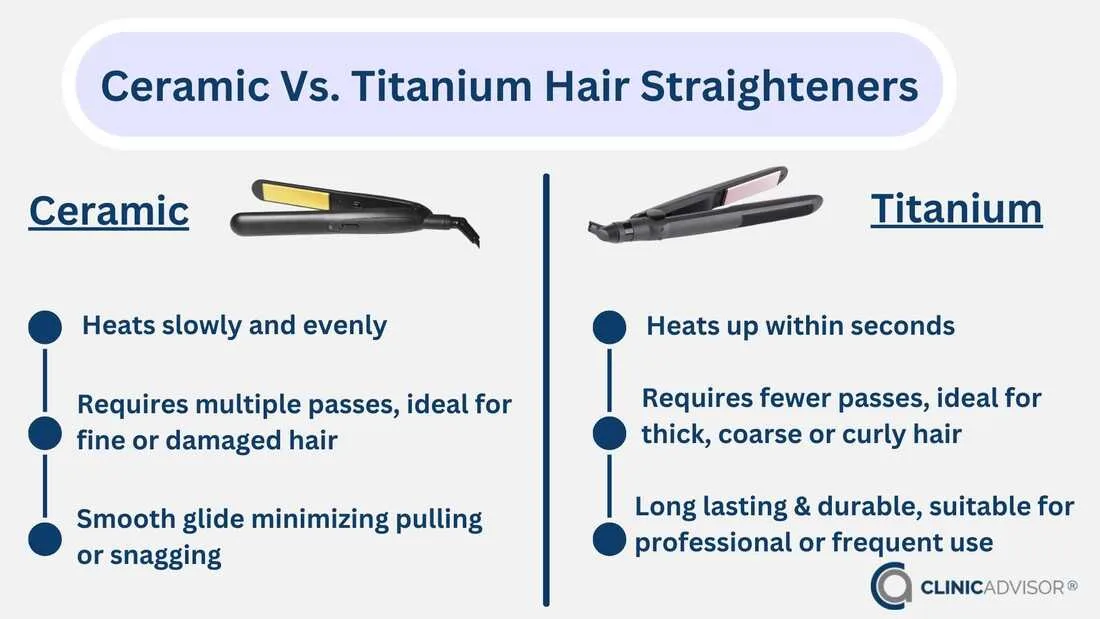
When evaluating options, manufacturer specs will clearly list the plate material. For example, some high-end models proudly tout 100% ceramic plates for even heat distribution or advanced tourmaline coatings for enhanced ionic properties.
Heat Settings Demystified: Finding Your Perfect Temperature
This is arguably the most critical feature. A straightener that only has one blast of heat is a one-size-fits-all approach that just doesn’t work for the diversity of hair types out there. Getting the temperature right is key to effective styling and hair health.
What Temperature is Right for Your Hair?
- Fine, Damaged, or Color-Treated Hair: These hair types are more vulnerable. You’ll want to stick to lower heat settings, generally starting between 250-300°F (120-150°C). Too much heat here can lead to breakage and further damage.
- Medium, Wavy, or Normal Hair: A mid-range temperature, often between 300-375°F (150-190°C), is usually ideal. This range provides enough heat to smooth without being overly aggressive.
- Thick, Coarse, or Curly Hair: You might need those higher settings to effectively relax the hair's structure, typically from 375-450°F (190-230°C). Even then, it’s wise to start lower and increase only if necessary.
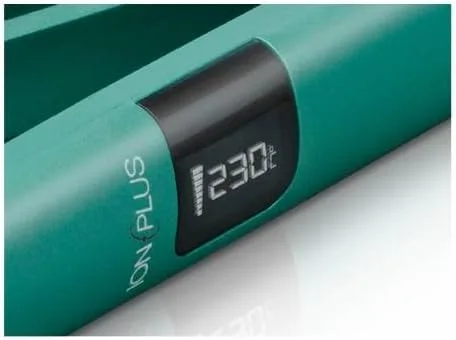
Look for straighteners with precise, adjustable controls. Digital displays are fantastic because they let you see the exact temperature, offering more control than simple dial settings. As of 2026, many professional models boast advanced heat-sync technology to maintain consistent temperatures during styling.
Plate Width & Cord Swivel: The Unsung Heroes of Styling
While plate material and heat settings get a lot of attention, two other features can dramatically impact your styling experience: plate width and the cord. They might seem minor, but they can make a big difference in convenience and effectiveness.
Plate Width: This is about efficiency and control.
- Narrow Plates (½ to 1 inch): These are excellent for precision work. If you have shorter hair, bangs, or want to get very close to the roots for a super-sleek finish, narrow plates offer maneuverability. They’re also great for detailed styling like creating waves or curls.
- Medium Plates (1 to 1 ½ inches): This is the all-rounder. If you have shoulder-length to long hair, a medium plate width is usually the most versatile and can handle most styling needs efficiently.
- Wide Plates (over 1 ½ inches): For those with very long or exceptionally thick hair, wider plates can speed up the straightening process considerably. They grab more hair with each pass, meaning fewer strokes are needed to achieve the desired result.
Swivel Cord: This might sound like a small detail, but a 360-degree swivel cord is a game-changer. It prevents the cord from tangling and twisting while you’re maneuvering the straightener around your head. This makes styling smoother, less frustrating, and can also help prolong the life of the cord.
Straightener Styles: Wet-to-Dry and Beyond
Most hair straighteners are designed for dry hair, but there’s a specific category known as wet-to-dry straighteners that aim to save you time. Understanding how these work, and their pros and cons, is important.
Wet-to-Dry Straighteners:
These models feature small vents along the plates. The idea is that when you use them on damp, towel-dried hair, the vents allow steam to escape, effectively drying and straightening your hair in one step.
Pros:
- Saves time by combining drying and straightening.
- Can be convenient for quick touch-ups or busy mornings.
Cons:
- They often don't achieve the same level of smoothness or longevity as using a separate dryer and then a straightener on fully dry hair.
- There's a risk of causing steam damage if the hair isn't properly prepped or if the straightener is used too intensely on wet strands.
- Manufacturer recommendations often stress using a heat protectant designed for use with damp hair.
For the best results and to maintain hair health, our research suggests that using a straightener on hair that is completely dry is generally preferred. This allows for more controlled heat application and a more polished finish. If you're considering a wet-to-dry option, be sure to check the specific instructions from the manufacturer, as performance can vary significantly.