How Can I Keep My Skin Hydrated?
Image source: Bing (Web (fair-use with source credit))
Keeping your skin hydrated is essential for comfort, health, and that sought-after glow. When your skin lacks moisture, it can feel tight, look dull, and even become more prone to irritation and premature aging. Thankfully, achieving and maintaining hydrated skin is within reach with the right knowledge and practices.
Our research indicates that a consistent, tailored approach to skincare and lifestyle is key. Understanding your unique skin type and its specific needs will guide you toward the most effective hydration strategies, helping you avoid common pitfalls.
Quick Answer
To keep your skin hydrated, cleanse gently, moisturize daily with appropriate formulas, and use hydrating serums. Drink plenty of water. Avoid hot showers and harsh ingredients.
Regularly assess your skin's condition and adjust your routine.
What Kind of Skin Do You Have?
Before we dive into specific techniques, let's figure out what kind of skin you're working with. This is the most crucial step because what works for one person might not be ideal for another. Knowing your skin type helps you select the right products and habits for optimal hydration.
Oily
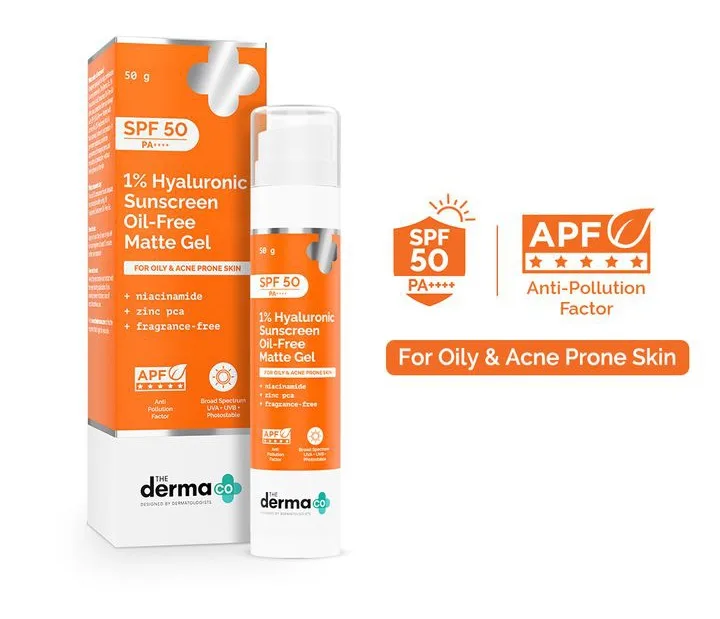
If your skin often looks shiny, especially in the T-zone (forehead, nose, chin), and you frequently deal with breakouts, you likely have oily skin. You still need hydration, but lighter, non-comedogenic formulas are usually best.
Dry
Dry skin typically feels tight, looks flaky, or can feel rough to the touch. It lacks natural oils and moisture. This skin type benefits most from richer, more emollient products that create a barrier to seal in hydration.
Combination
Combination skin is super common, featuring an oily T-zone with drier or normal cheeks. This means you might need to balance your approach, perhaps using different products on different areas or finding a versatile moisturizer.
Normal
Lucky you! Normal skin is generally well-balanced, not too oily or too dry, and usually free from significant concerns. Even with normal skin, maintaining that hydration is key to preventing future issues.
Sensitive
Sensitive skin isn't defined by oiliness or dryness, but by its tendency to react easily. Redness, itching, or stinging are common signs. If this sounds like you, ingredient selection is paramount; you'll need gentle, soothing formulas.
Your Daily Cleansing Routine for Hydration
How you cleanse your face sets the stage for hydration. Using the wrong cleanser can strip your skin of its natural oils, leading to dryness or even prompting your skin to produce more oil to compensate.
Gentle Cleansers for Different Skin Types
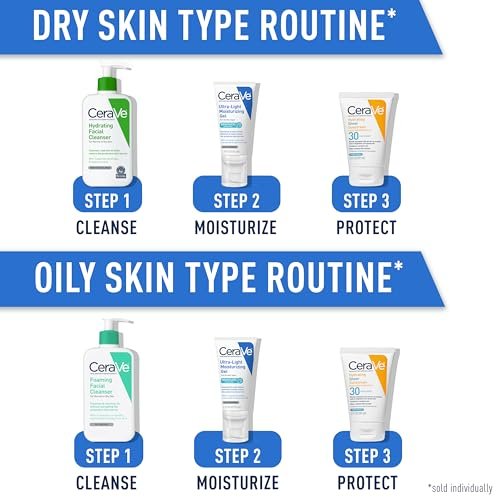
- For Oily/Combination Skin: You might think you need a deep clean, but harsh scrubbing can backfire. Opt for a gentle foaming cleanser or a gel-based formula. These effectively remove excess oil and impurities without completely stripping your skin. Look for ingredients like glycerin, which helps retain moisture.
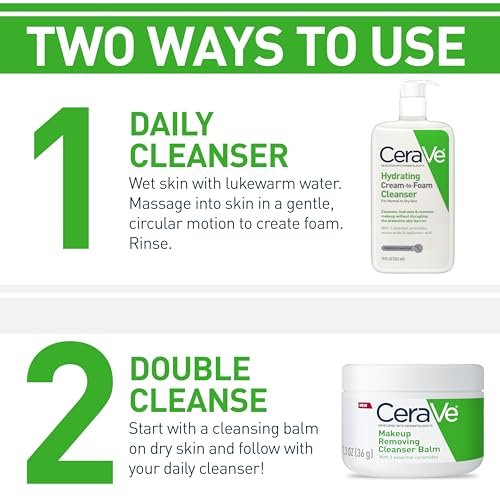
- For Dry/Normal Skin: Creamy cleansers, cleansing balms, or oil cleansers are excellent choices. They clean without disturbing your skin's natural moisture barrier, leaving it feeling soft and comfortable.
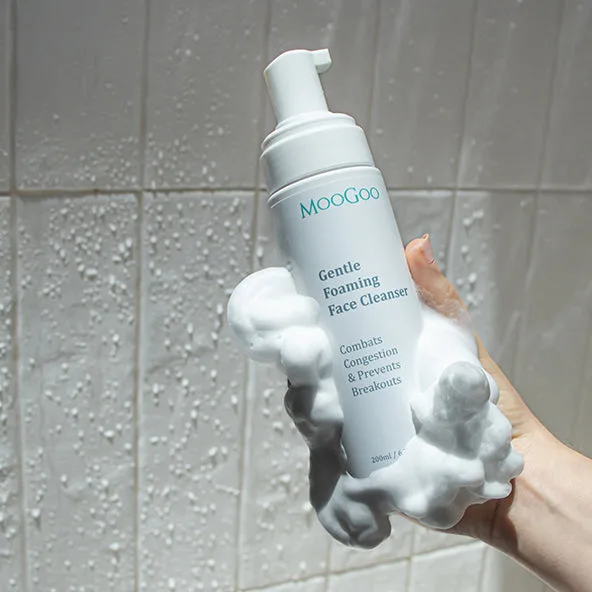
Image source: Bing (Web (fair-use with source credit))
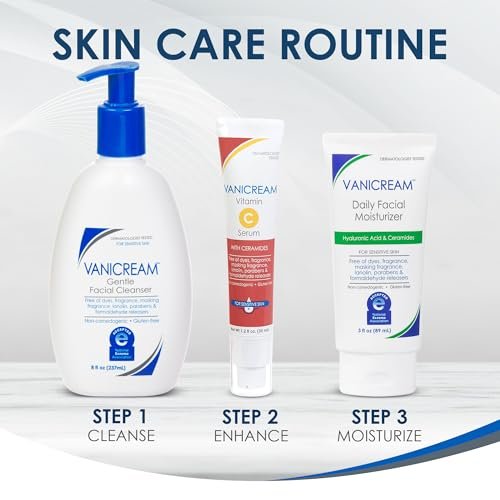
- For Sensitive Skin: Simplicity is key. A fragrance-free, hypoallergenic cream cleanser or a micellar water designed for sensitive skin is ideal.
What to Avoid in Cleansers
Regardless of your skin type, some ingredients can be detrimental to hydration. Harsh sulfates, like Sodium Lauryl Sulfate (SLS) and Sodium Laureth Sulfate (SLES), are known for their strong cleansing power but can be overly drying and irritating. Also, avoid cleansers with high alcohol content, which can dehydrate the skin.
Choosing the Right Moisturizer
Your moisturizer is your skin's best friend for maintaining hydration. It acts as a protective barrier, locking in moisture and preventing it from escaping into the environment. Choosing the right one depends heavily on your skin type.
Lightweight Options for Oily and Combination Skin
If you have oily or combination skin, you might worry about adding more moisture making you greasy. The trick is to use lightweight, oil-free formulas. Gel-based moisturizers are fantastic because they provide hydration without feeling heavy or occlusive.
Look for ingredients like hyaluronic acid, a powerful humectant that draws moisture into the skin.
Richer Creams for Dry Skin
For dry skin, the goal is to replenish and retain moisture effectively. This means reaching for thicker creams or lotions. Ingredients such as ceramides, shea butter, and nourishing plant oils (like jojoba or argan oil) are highly beneficial.
These ingredients help repair the skin barrier and provide long-lasting hydration. You might consider looking at options like best body cream for soft skin if your dryness extends beyond your face.
Soothing Formulas for Sensitive Skin
Sensitive skin needs hydration but also requires a gentle touch. Prioritize fragrance-free and hypoallergenic moisturizers. Ingredients like colloidal oatmeal or ceramides can be particularly calming and help rebuild a compromised skin barrier.
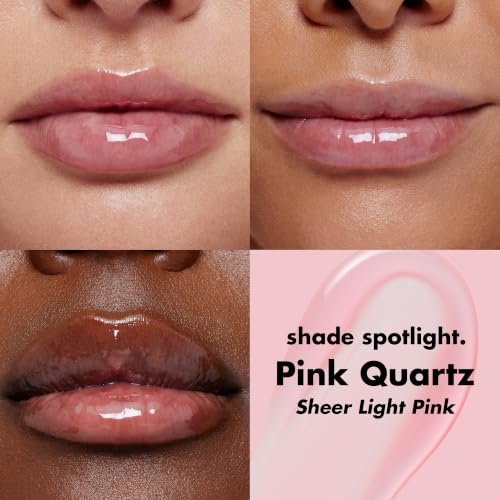
If you're looking for targeted hydration for a specific area, best lip balm for dry lips might be a good addition if your lips are also affected.
Boosting Hydration: Serums and Oils
Sometimes, a daily moisturizer alone might not be enough, or you might want to give your skin an extra drink. This is where hydrating serums and face oils come into play. They offer concentrated benefits to supercharge your skin's moisture levels.
The Power of Hyaluronic Acid and Glycerin
Humectants are ingredients that attract water. Hyaluronic acid is a superstar humectant, capable of holding up to 1,000 times its weight in water. Glycerin is another highly effective and widely used humectant.
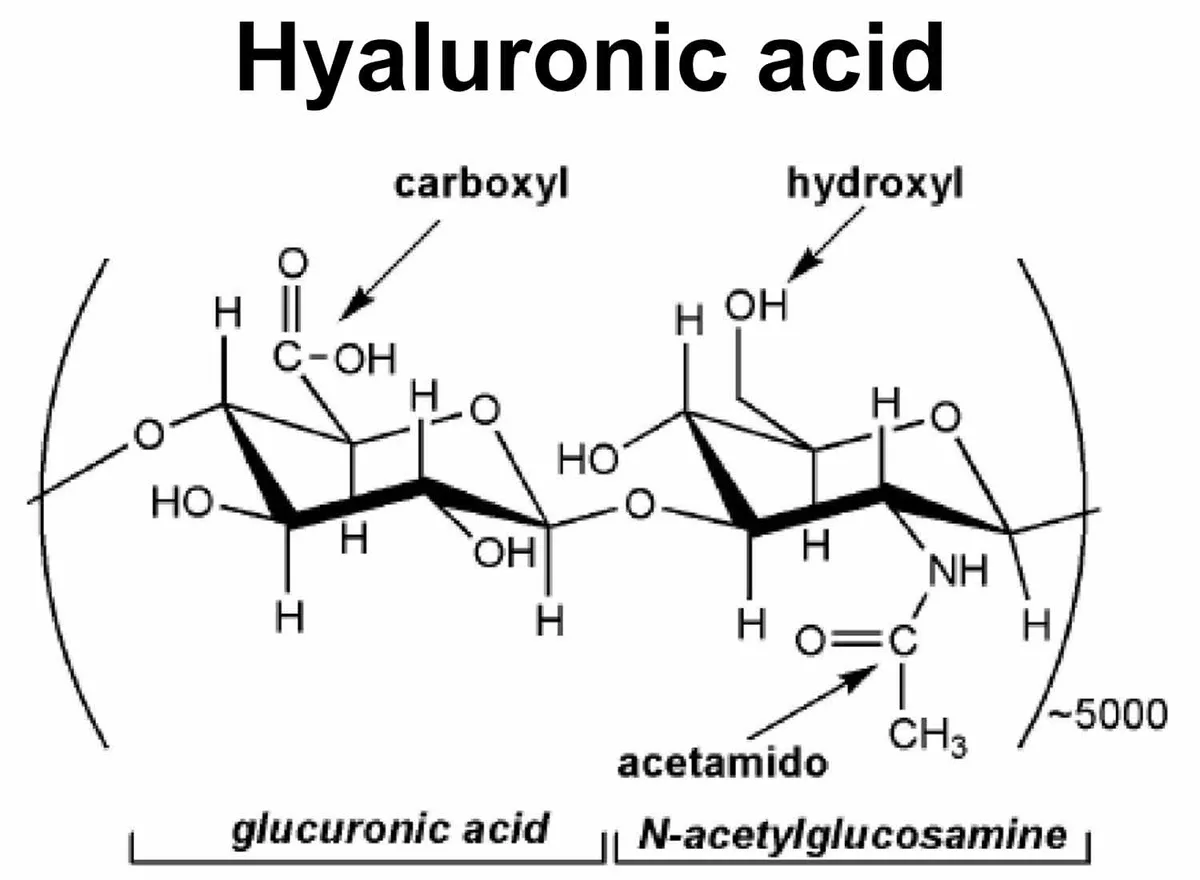
Image source: Bing (Web (fair-use with source credit))
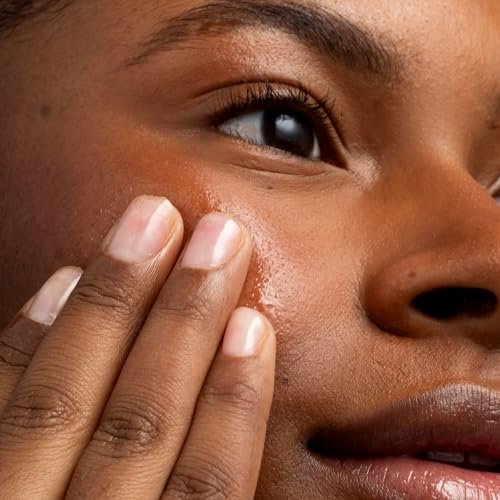
When applied to damp skin (after cleansing, before your moisturizer), these ingredients draw moisture from the air into your skin's surface layers. This effect is beneficial for all skin types. For instance, if you find your face feels dry even after moisturizing, adding a hyaluronic acid serum can make a noticeable difference.
When and How to Use Face Oils
Face oils can sound intimidating, especially for those with oily skin, but they can be incredibly beneficial. They are rich in fatty acids and can help support the skin barrier, which is crucial for retaining moisture.
- For Dry Skin: Oils like rosehip, avocado, or marula oil can provide deep nourishment and help combat flakiness.
- For Oily Skin: Jojoba oil is often recommended because its molecular structure is very similar to your skin's natural sebum, potentially helping to balance oil production. Squalane is another excellent, lightweight option that hydrates without feeling heavy.
To use them, apply just a few drops after your moisturizer to seal everything in, or mix a drop or two directly into your moisturizer for an added boost. If you're looking for overall skin smoothness and radiance beyond your face, consider exploring options like best body oil for glowing skin.
Lifestyle Habits That Keep Skin Hydrated
What you do outside of your direct skincare routine can significantly impact your skin's hydration levels. These habits often work in tandem with your products to provide a holistic approach to dewy skin.
The Importance of Water Intake
It sounds basic, but drinking enough water is fundamental for overall bodily hydration, and your skin is no exception. Dehydration can manifest as dry, tight skin. Aim for consistent water consumption throughout the day.
While there's no single magic number for everyone, a general guideline often cited is around eight 8-ounce glasses (about 2 liters) daily, though individual needs can vary.
Humidifiers and Environmental Factors
The air around you plays a big role in skin hydration. In dry climates, or during winter months when indoor heating is running, the air can become very dry. Using a humidifier in your bedroom or living space adds moisture back into the air, which your skin can then absorb.
This can prevent that parched feeling, especially overnight.
Shower Temperature and Sun Protection
- Shower Temperature: Long, hot showers feel amazing, but hot water strips your skin of its natural oils much faster than lukewarm water. This can leave your skin feeling dry and stripped after you've washed. Opt for lukewarm water whenever possible when cleansing your face and body.
- Sun Protection: Protecting your skin from UV damage is crucial for maintaining its overall health, including its ability to retain moisture. Sunscreen helps preserve the skin's barrier function, which is essential for keeping hydration locked in. Applying SPF daily is a vital step, even on cloudy days. If you're looking for overall skin improvement, best facial massager for glowing skin can complement your routine, but sun protection is foundational.
When to Seek Expert Advice
While these tips are a great starting point for boosting skin hydration, sometimes dryness or irritation might point to something deeper. If you're consistently struggling, even with a good routine, it's worth consulting a professional. Persistent dryness, redness, or peeling could indicate an underlying skin condition that requires specific treatment.
Dermatologists can diagnose issues like eczema or psoriasis and recommend prescription-strength moisturizers or therapies. They can also perform patch tests to identify specific ingredients that might be causing adverse reactions, ensuring you find the safest and most effective products for your unique skin needs. They are the ultimate authority when self-care isn't quite hitting the mark.
Frequently Asked Questions About Skin Hydration
How long does it take to see results from a new hydration routine?
You might notice a difference in how your skin feels within a few days, but for significant improvements in texture and barrier function, give your new routine at least 2, 4 weeks. Consistency is key to allowing your skin to adapt and repair.
Can I use the same moisturizer year-round?
Your skin's needs can change with the seasons. You might need a lighter, oil-free moisturizer in the humid summer months and a richer, more emollient one during the dry winter. Paying attention to how your skin feels is the best guide.
Does drinking coffee or alcohol affect skin hydration?
Yes, both coffee and alcohol can have a dehydrating effect on your body, which can reflect in your skin. Moderation is generally recommended. Staying well-hydrated with water is crucial to counteract any potential drying effects from these beverages.
Are there specific ingredients that are always good for hydration?
Humectants like hyaluronic acid and glycerin are always beneficial as they draw moisture into the skin. Ceramides are also excellent as they help repair the skin's natural barrier, preventing moisture loss. Always ensure products are suited to your individual skin type.
3 Comments