What Order Should I Apply Skincare Products?
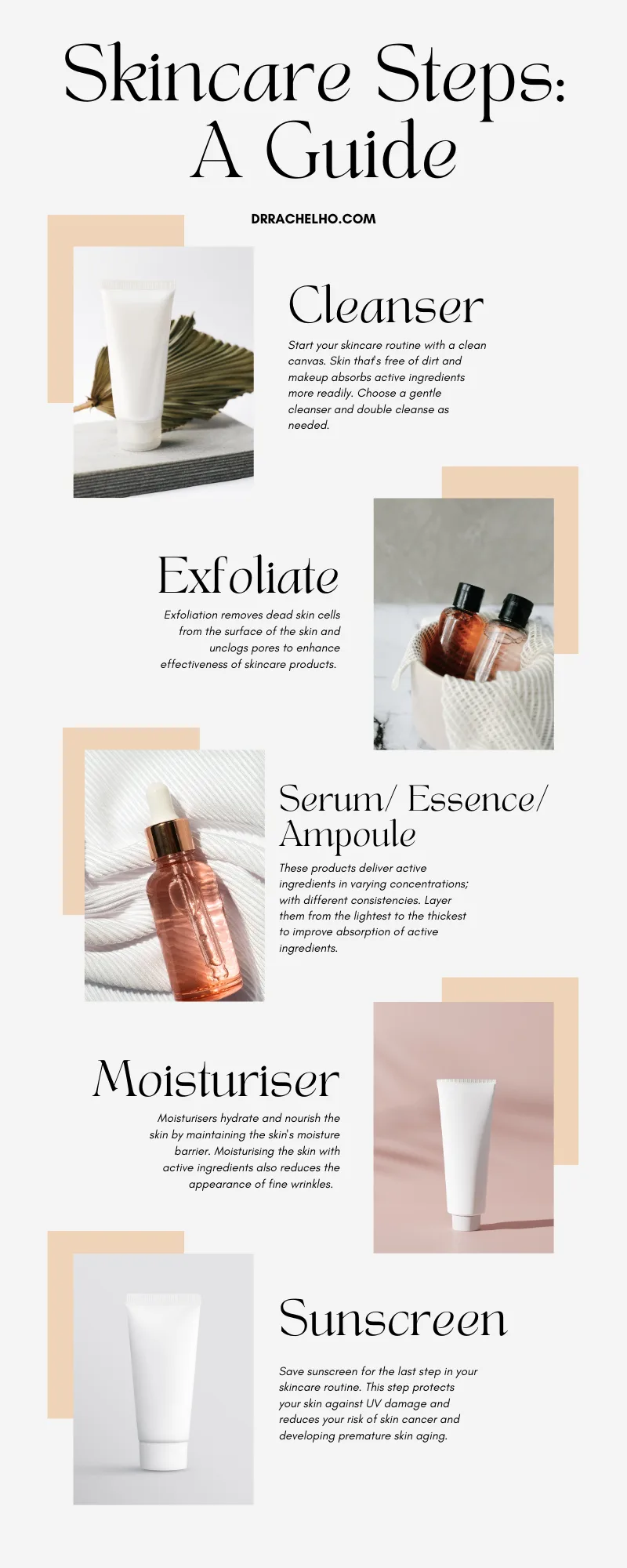
Image source: Bing (Web (fair-use with source credit))
Skincare Order: Making Sure Your Products Actually Work
Ever feel like you're following all the skincare advice, but your skin isn't quite cooperating? One of the biggest reasons this happens is simply using products in the wrong order. Getting your skincare routine right isn't just about the ingredients you use; it's about how you layer them to maximize their benefits.
This guide will walk you through the science and practice of proper skincare application. We’ll break down the optimal sequence for both morning and evening routines, and address common mix-ups that can hinder your results. Understanding this fundamental principle is the first step toward healthier, more radiant skin.
Quick Answer
The ideal skincare order is generally thinnest to thickest. Start with a cleanser, followed by toners, essences, serums, eye creams, moisturizers, and finally, sunscreen in the morning. Evening routines often swap sunscreen for targeted treatments like exfoliants or retinoids before moisturizing.
This sequence ensures each product can penetrate the skin effectively.
The Golden Rule: Why Application Order is Key
You might be wondering why the order of your skincare products makes such a difference. It really comes down to how different formulations interact with your skin and with each other. Think of it like building something: you need a solid foundation before you add the walls, and you wouldn't put the roof on before the walls are up.
Skincare is similar.
Thin to Thick: The Fundamental Principle
The most universally accepted rule for layering skincare is to go from thinnest consistency to thickest. This principle is based on how well products can penetrate the skin's surface. Lighter, water-based formulas can easily absorb into the skin.
If you apply a heavier cream or oil first, it creates a barrier that prevents thinner products from reaching the deeper layers where they can be most effective. Manufacturer specifications often indicate the intended absorption pathway for their formulations, aligning with this principle. For instance, a hydrating serum with hyaluronic acid is designed to work best when applied to slightly damp, clean skin, allowing it to draw moisture in.
Your AM Skincare Workflow: Protection First
The morning routine is all about preparing your skin for the day ahead and protecting it from environmental stressors like UV rays and pollution. It's a foundational layer of defense.
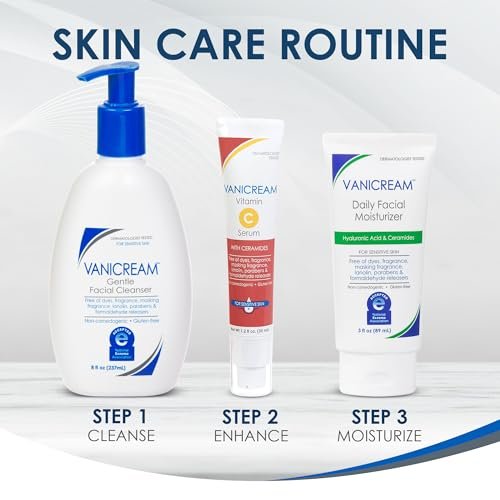
Step 1: Cleanse Gently
Start your day with a clean slate. A gentle cleanser removes any impurities that may have accumulated overnight without stripping your skin of its natural oils. If your skin is particularly dry or sensitive, a splash of cool water might suffice.
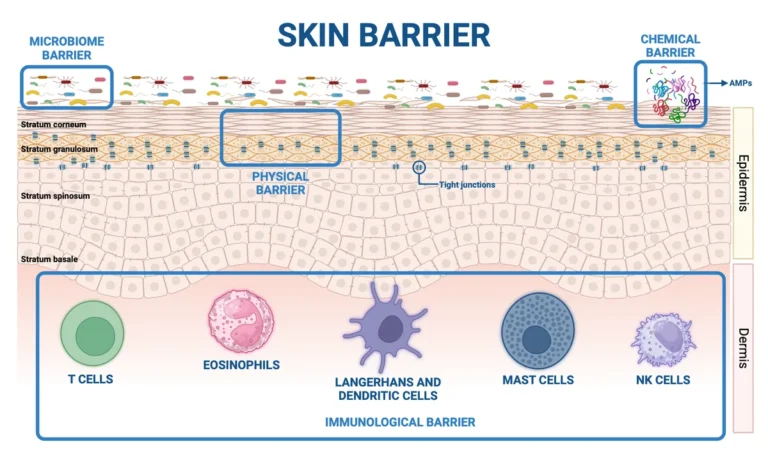
The goal is to remove excess oil and debris without compromising your skin's natural moisture barrier, which is crucial for a healthy complexion.
Step 2: Treat & Hydrate (Serums, Toners, Essences)
This is where you introduce active ingredients and hydration. After cleansing, your skin is ready to absorb treatments.
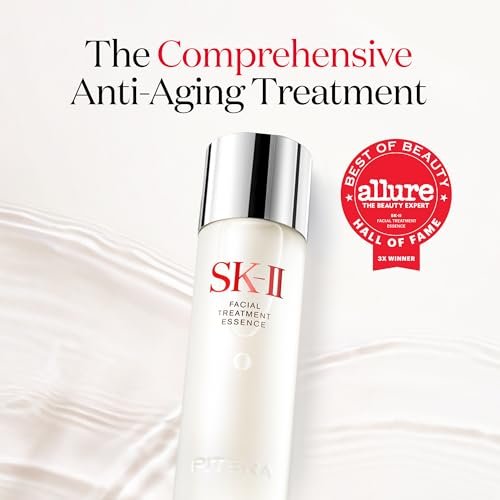
- Toners/Essences: These are typically lighter, water-based liquids that can help balance your skin's pH, provide initial hydration, or prep the skin for subsequent products.
- Serums: These are concentrated treatments designed to address specific concerns like dark spots, fine lines, or dullness. Look for antioxidants, like Vitamin C, which offer protection against free radical damage.

Image source: Bing (Web (fair-use with source credit))
If you use multiple serums, apply them in order of their consistency, from thinnest to thickest. For example, a hyaluronic acid serum might go before a peptide serum.
Step 3: Moisturize
Moisturizer is essential for locking in all the goodness from your previous steps and keeping your skin hydrated throughout the day. It acts as a protective seal. Even oily skin types benefit from a lightweight, non-comedogenic moisturizer to prevent overproduction of oil as a compensatory mechanism.
Choosing a moisturizer that complements your skin type is key here, whether it's a gel-based formula for oilier complexions or a richer cream for drier skin.
Step 4: Sunscreen is Non-Negotiable
This is arguably the most critical step in your AM routine. Sunscreen protects your skin from harmful UV radiation, which causes premature aging, dark spots, and increases the risk of skin cancer. According to U.S.
Food and Drug Administration (FDA) guidelines, using a broad-spectrum sunscreen with an SPF of 30 or higher is recommended daily. Apply it generously as the very last step, ensuring all areas of your face and neck are covered. As of 2026, daily sunscreen use remains a cornerstone of preventative skincare.
Your PM Skincare Workflow: Repair & Renew
Nighttime is when your skin undergoes its natural repair and regeneration process. Your evening routine should focus on cleansing away the day's buildup and applying treatments that aid in this renewal.
Step 1: Double Cleanse for a Fresh Start
If you wear makeup, sunscreen, or have been exposed to significant pollution, double cleansing is highly recommended.
- First Cleanse (Oil-based): Use an oil cleanser or micellar water to break down and lift away makeup, sebum, and SPF. This effectively dissolves oil-soluble impurities.
- Second Cleanse (Water-based): Follow up with a gentle water-based cleanser to remove any remaining residue and thoroughly clean your skin. This ensures a truly clean canvas for your treatments.
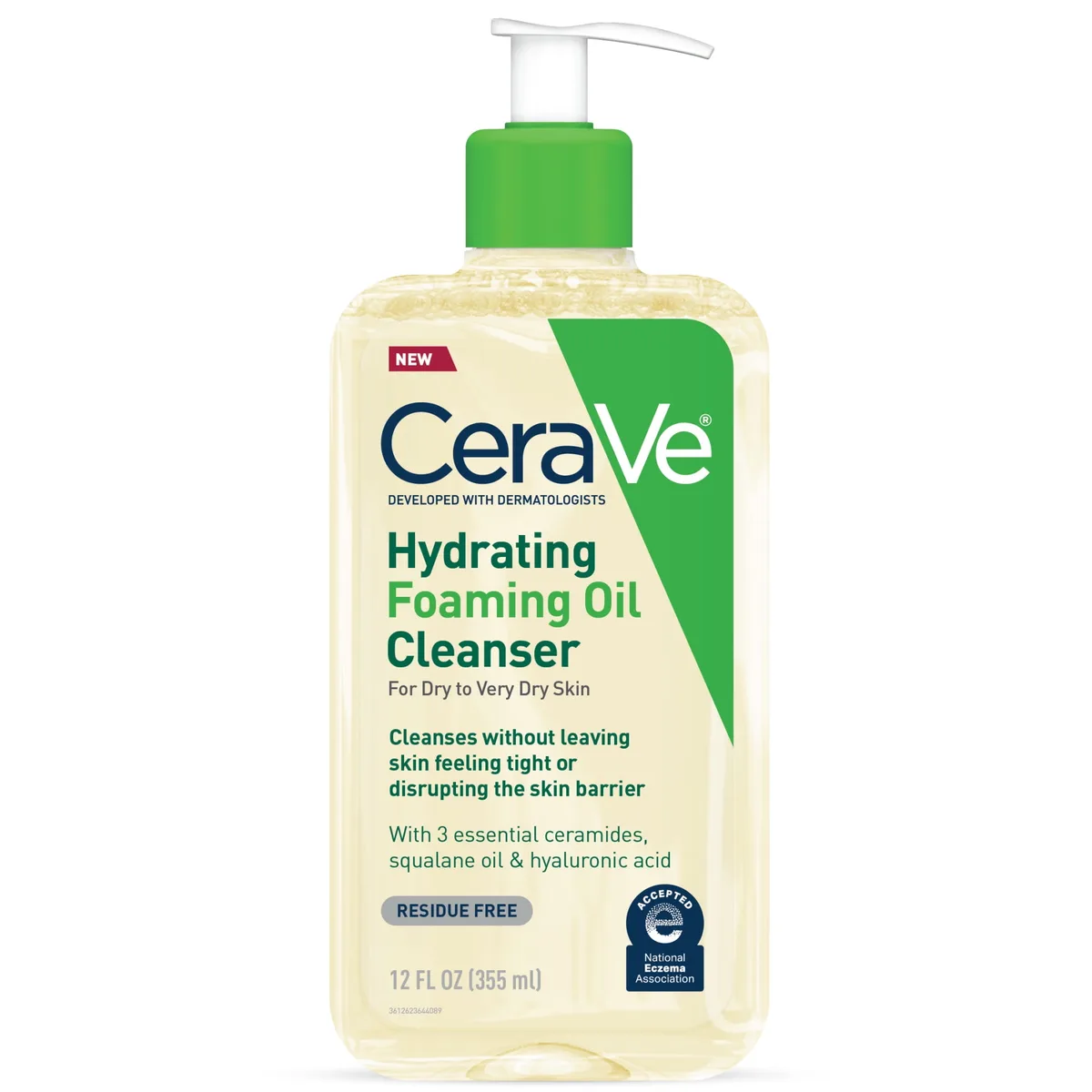
Image source: Bing (Web (fair-use with source credit))
Step 2: Targeted Treatments (Exfoliants & Actives)
This is the prime time for potent treatments that can improve skin texture, tone, and cell turnover.
- Exfoliants: Products containing Alpha Hydroxy Acids (AHAs) like glycolic acid or Beta Hydroxy Acids (BHAs) like salicylic acid help shed dead skin cells, revealing brighter skin underneath. It's generally advised not to use strong exfoliants nightly, as this can lead to over-exfoliation and irritation.
- Retinoids: These Vitamin A derivatives are powerful for anti-aging and acne treatment. They work by speeding up cell turnover and boosting collagen production.
When using these active ingredients, it's often best to apply them to dry skin after cleansing to prevent potential irritation. Wait a few minutes after cleansing before applying exfoliants or retinoids.
Step 3: Hydrate & Seal (Serums, Moisturizer)
After applying your targeted treatments, it's time to hydrate and seal everything in. Toners and hydrating essences can be used here as well, similar to the morning routine. Follow with serums that focus on hydration or repair, and then a good moisturizer.
This final step is crucial for locking in the benefits of your treatments and supporting your skin's overnight repair cycle. For those with very dry skin, layering a facial oil after your moisturizer can provide an extra occlusive layer, preventing moisture loss. You can find excellent options for moisturizers and hydrating body wash if you're looking to extend these principles to your body care.
Navigating Skincare for Your Specific Skin Type
While the thin-to-thick rule is a solid starting point, your individual skin type plays a significant role in refining your routine order. What works wonders for one person might be too much or too little for another. Paying attention to your skin's needs is paramount.
Oily Skin Strategies
If you have oily skin, you'll want to focus on lightweight, non-comedogenic products that won't clog pores. In the morning, a gel or lotion-based moisturizer is often ideal. You might skip a heavy moisturizer altogether if your skin feels balanced after serum application.
Evening routines can benefit from gentle exfoliants like salicylic acid to help manage oil and breakouts.
Dry Skin Strategies
For dry skin, hydration is the name of the game. Embrace richer creams and lotions. In your morning routine, you might opt for a more emollient moisturizer and potentially layer a facial oil after your moisturizer to boost hydration.
At night, a thicker moisturizer or even a sleeping mask can help combat dryness and support your skin's natural barrier. Products like a good body butter or body cream can extend this rich hydration to your body.
Sensitive Skin Considerations
If your skin is sensitive, the order of application can be crucial for preventing irritation. Always introduce new products one at a time and patch-test first. Focus on soothing and hydrating ingredients.
When using active treatments like exfoliants or retinoids, consider applying them less frequently or buffering them by applying moisturizer first, then the active, and then another layer of moisturizer. This creates a gentle barrier. Products like a gentle body wash can also be beneficial for sensitive skin on the body.
Common Skincare Application Mistakes to Dodge
Even with the best intentions, it's easy to fall into common skincare application traps. Being aware of these can save you frustration and help your products perform better.
- Applying Sunscreen Too Early: Sunscreen should always be the last step in your morning routine. If you apply it before moisturizer or serums, those products will create a barrier, preventing the sunscreen from forming an even protective film on your skin.
- Skipping Cleansing Before Treatments: Applying serums or treatments to unwashed skin means you're layering active ingredients over dirt, oil, and dead skin cells. This not only reduces product efficacy but can also lead to clogged pores and breakouts.
- Overlapping Potent Actives: Using multiple strong actives, like an AHA exfoliant and a retinoid, back-to-back without a buffer can severely irritate your skin. Manufacturer instructions for these products often detail their optimal usage and potential interactions.
- Using Too Much Product: More isn't always better. Overloading your skin with too many products or too much of a single product can lead to clogged pores, irritation, and wasted product. A pea-sized amount is often sufficient for most serums and moisturizers.
- Not Letting Products Absorb: Rushing through your routine and layering products too quickly prevents them from properly sinking into the skin. Allowing a minute or two between steps, especially for serums and treatments, ensures they can do their job effectively.
Expert Tips for Mastering Your Routine Order
Getting your skincare routine order dialed in can feel like a puzzle, but a few expert insights can streamline the process. It’s about understanding the science and listening to your skin.
- Read Product Labels: Manufacturers provide usage instructions for a reason. They're based on specific ingredient concentrations and formulations, giving you the best guidance for that particular product.
- Prioritize Actives: Serums and treatments with active ingredients are usually the most important to get the order right, as their efficacy is highly dependent on skin penetration.
- Consider Time of Day: AM routines focus on protection (antioxidants, SPF), while PM routines focus on repair (retinoids, exfoliants). This naturally dictates some of the layering.
- Don't Fear the "Buffer": If you have sensitive skin or are starting out with strong actives, applying moisturizer before your treatment serum can help reduce potential irritation. This is sometimes referred to as the "sandwich method" for retinoids.
- Listen to Your Skin: Ultimately, your skin will tell you if something isn't working. If you notice redness, stinging, or increased breakouts, re-evaluate your order and product choices. Aggregate user reviews often highlight successful layering strategies for specific concerns.
- Consistency is Key: Once you establish a routine order that works, stick with it. It takes time for your skin to show results from new product applications and consistent layering. For targeted skin concerns, exploring options like a skin spatula or facial massager may complement your routine.
Frequently Asked Skincare Order Questions (FAQ)
Should I apply toner before or after serum?
You should generally apply toner before serum. Toners are typically lighter in consistency and help prepare your skin to better absorb the more concentrated ingredients found in serums.
Does it matter if I use my chemical exfoliants at night or in the morning?
It matters significantly for sun sensitivity. Chemical exfoliants, especially AHAs, can make your skin more prone to sun damage. Therefore, it is best practice to use them in your evening routine and follow with robust sunscreen application in the morning.
Can I mix multiple serums in one step?
While you can layer multiple serums, mixing them together in one go is generally not recommended unless the product specifically states it's designed for that. Different ingredients can interact in unpredictable ways, potentially reducing efficacy or causing irritation.
What's the deal with "skin cycling"?
Skin cycling is a popular skincare trend that involves rotating active ingredients like exfoliants and retinoids over a few nights, interspersed with nights of only hydration and repair. This helps manage potential irritation from potent actives while still allowing for their benefits.
How long should I wait between applying skincare products?
While some advocate for waiting several minutes between each product for maximum absorption, it's not always strictly necessary. For most standard routines, allowing products to absorb for about 30-60 seconds between layers is sufficient, especially if you're not using strong actives.