Can Makeup Cause Acne: Causes And Prevention
Yes, makeup can cause acne when it clogs pores, irritates skin, or carries oil and bacteria.
Can makeup cause acne? The answer depends on the product, your skin, and how you use it. Foundation, concealer, brushes, and even makeup removal habits can affect breakouts. This guide explains the link between makeup and acne, how to choose safer products, and what to do if your skin reacts.
How makeup can cause acne
Makeup does not cause acne in every person. Still, some products can create the right conditions for clogged pores and inflammation.
Acne starts when oil, dead skin cells, and bacteria build up inside a pore. Makeup may add another layer to that mix. Think of a pore like a small drain. If thick product, sweat, and oil collect around it, the drain may slow down or become blocked.
Can makeup cause acne through several common pathways?
• Pore blockage: Some makeup ingredients may trap oil and dead skin cells.
• Skin irritation: Fragrance, alcohol, or harsh preservatives may cause redness and swelling.
• Excess oil: Creamy or oil-rich products may feel heavy on oily skin.
• Dirty tools: Brushes and sponges can hold oil, dead skin, and bacteria.
• Poor removal: Sleeping in makeup gives product more time to mix with sweat and sebum.
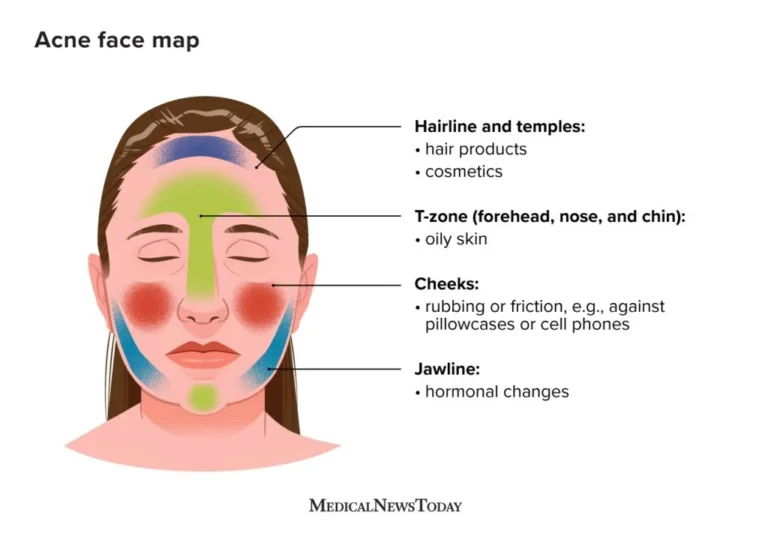
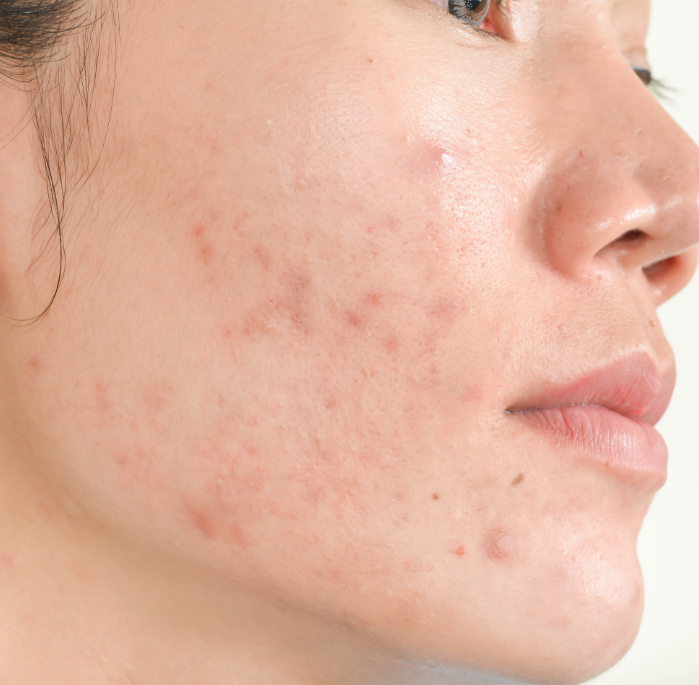
Makeup-related acne often appears as small bumps, whiteheads, blackheads, or inflamed pimples. It may show up where makeup sits most, such as the forehead, cheeks, chin, or jawline.
Which makeup products may trigger breakouts?
Not all makeup products affect the skin in the same way. A thick product may cause no trouble for one person but lead to clogged pores for another.
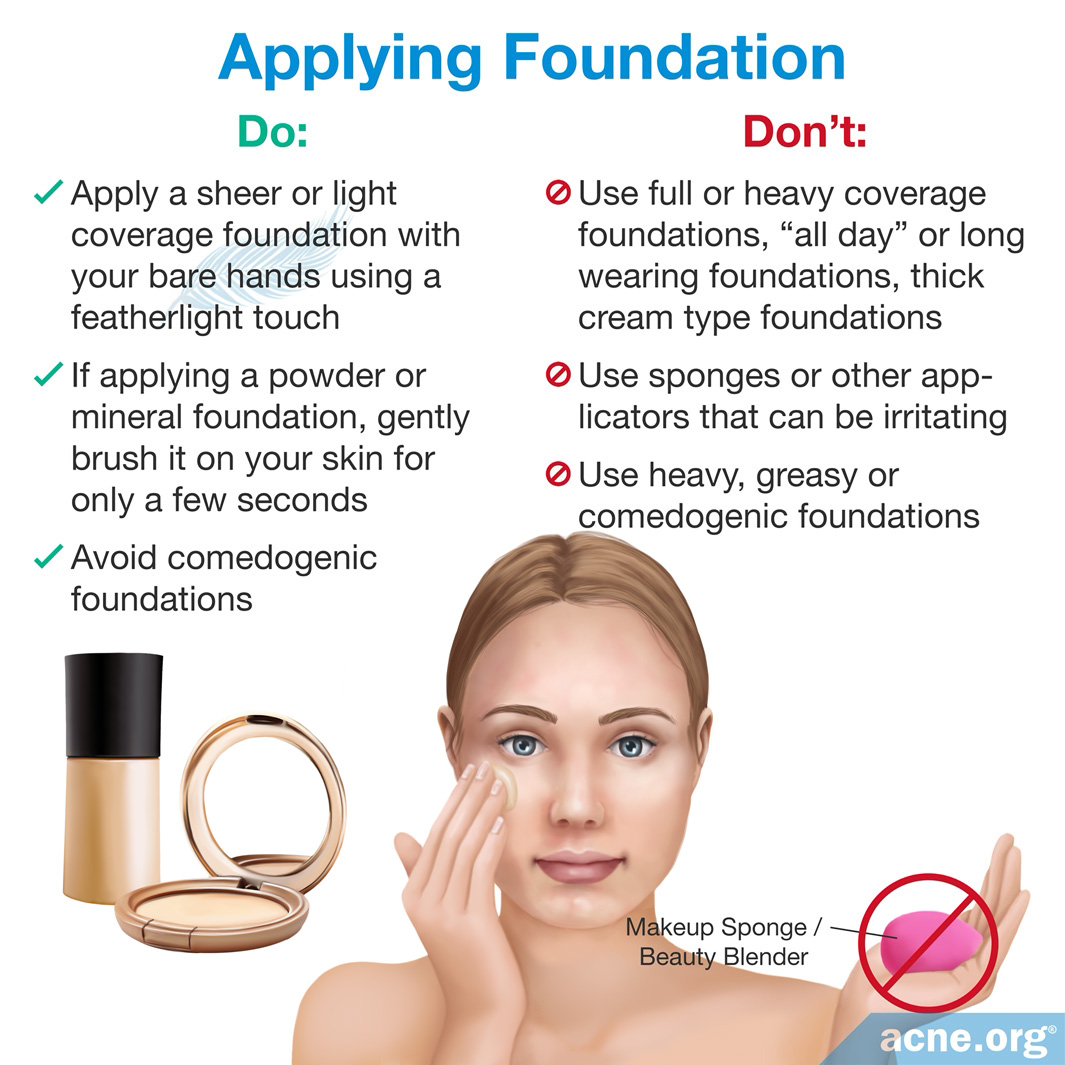
Liquid foundation can be a concern when it is rich in oils, waxes, or film-forming ingredients. These ingredients help makeup spread and last longer, but they may feel heavy on acne-prone skin.
Cream blush, contour, and highlighter can also contribute to blocked pores. This is more likely when you apply several creamy products in layers.
Common products that may cause problems include:
• Full-coverage foundation with a heavy texture
• Long-wear makeup that is hard to remove
• Cream blush or bronzer applied over oily skin
• Thick concealer used on active pimples
• Oil-based makeup removers that leave a film
• Makeup with fragrance if your skin is sensitive
• Old or expired products with changed texture or smell
The label “noncomedogenic” can help, but it is not a guarantee. It means the product was designed or tested to be less likely to clog pores. Skin tests may not predict how every person will react.
Can makeup cause acne even when it says noncomedogenic? Yes, it can. Your skin may react to a specific ingredient, or the problem may come from brushes, sweat, rubbing, or incomplete cleansing.

Can foundation cause acne?
Foundation may cause acne when it blocks pores or irritates the skin. The risk often depends on the formula, how much you apply, and how long you wear it.
A lightweight liquid or powder foundation may work well for some acne-prone people. A thick cream foundation may feel less comfortable, especially during hot or humid weather.
Look for these features when choosing foundation:
• Noncomedogenic labeling
• Oil-free or low-oil formulas
• Fragrance-free options for sensitive skin
• Lightweight, breathable textures
• Mineral-based formulas if they suit your skin
• Products made for oily or acne-prone skin
Avoid switching your entire routine at once. Test one new product on a small area near the jaw or cheek for several days. This can help you spot a reaction before applying it to your whole face.
A useful lesson from reviewing skincare routines is that “more coverage” often leads to more layers. Many people add primer, foundation, concealer, powder, and setting spray to hide a breakout. This can create a cycle in which the extra layers make the skin more congested.
Makeup acne versus a skin reaction
Not every bump linked to makeup is acne. Some people develop contact dermatitis, folliculitis, or irritation that looks similar to pimples.
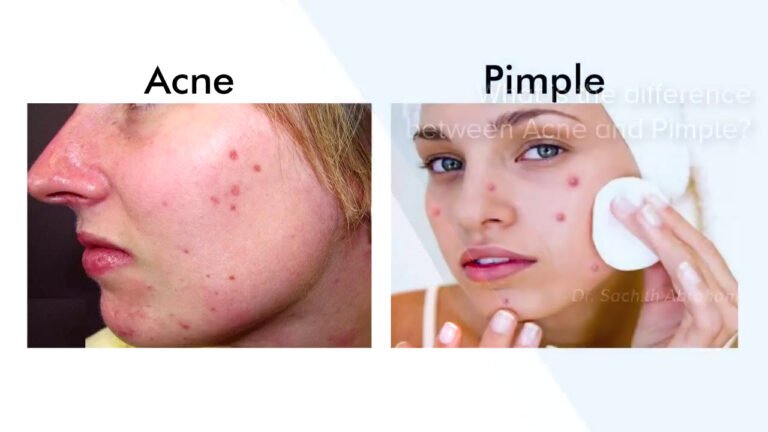
Acne often includes blackheads, whiteheads, red pimples, or deeper tender lumps. A product reaction may cause itching, burning, swelling, scaling, or a rash in the exact area where the product was used.
Folliculitis can look like many small, similar bumps around hair follicles. It may worsen with sweat, friction, or occlusive products.
Consider these clues:
• Itchy rash: This may suggest irritation or allergy.
• Burning skin: This may point to a reaction to fragrance or another ingredient.
• Uniform small bumps: This may be folliculitis rather than typical acne.
• Blackheads and whiteheads: These are more consistent with clogged pores.
• Breakouts only where makeup sits: The product or tool may be involved.
Stop using a suspected product if you develop sudden swelling, severe burning, blistering, or trouble breathing. Seek urgent medical care for breathing problems or swelling of the lips, tongue, or throat.
How makeup brushes and sponges affect acne
Makeup tools can collect more than pigment. They may hold oil, sweat, dead skin cells, and microbes from your hands and face.
A damp makeup sponge can be especially prone to buildup if it stays wet between uses. A brush with old foundation inside the bristles may spread product unevenly and rub irritants across the skin.
Clean tools on a regular schedule:
• Wash foundation and concealer brushes at least once a week.
• Clean sponges after each use when possible.
• Let tools dry fully in an open, clean area.
• Do not share brushes, sponges, or eye makeup.
• Replace tools that smell bad, shed fibers, or stay stained after washing.
Use a gentle soap or a cleanser made for makeup tools. Rinse well so leftover cleanser does not irritate your skin.
Never use a dirty brush to cover a fresh pimple. It can move oil and germs from one spot to another. Clean tools are a small habit, but they can make a real difference.
Can makeup cause acne if you sleep in it?
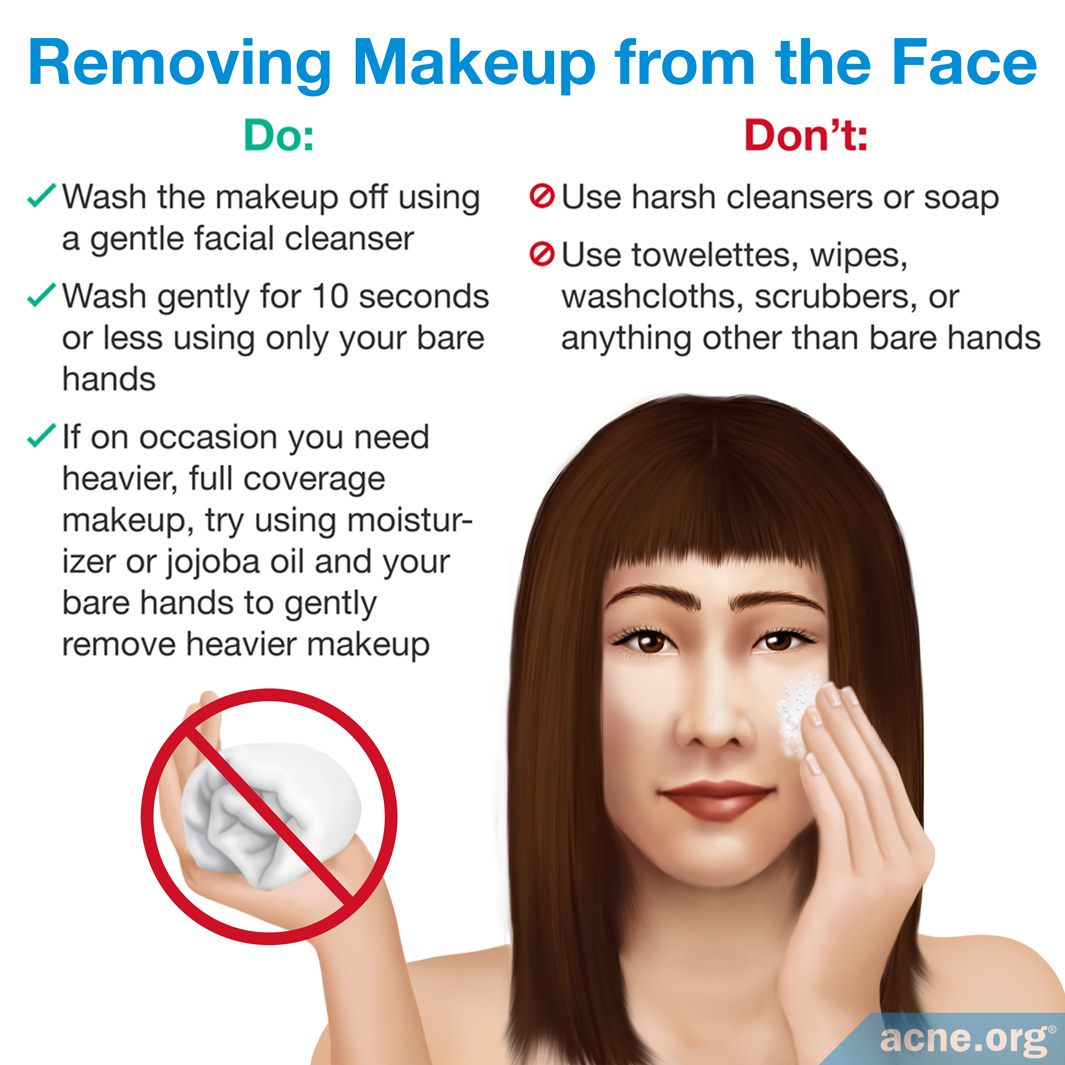
Sleeping in makeup can increase the chance of acne. During the night, foundation mixes with oil, sweat, and dead skin cells. Pillow contact may also add friction and move product into pores.
One late night may not create a major breakout. However, repeated poor removal can keep irritating the skin and make existing acne harder to manage.
Remove makeup before bed with a simple routine:
-
Take off eye and face makeup with a gentle remover.
-
Wash with a mild cleanser and lukewarm water.
-
Pat your face dry with a clean towel.
-
Apply a light, noncomedogenic moisturizer.
-
Use acne treatment only as directed.
Avoid scrubbing hard to remove long-wear products. Rough rubbing can damage the skin barrier and increase redness. If a product is difficult to remove, choose a gentle cleansing balm or micellar product followed by a mild face wash.

How to wear makeup with acne-prone skin
You do not always need to stop wearing makeup. The goal is to lower pore blockage, irritation, and contamination while keeping your routine simple.
Start with clean skin and clean hands. Apply a light moisturizer first if your skin feels dry. Dry, flaky skin can make makeup sit unevenly and encourage you to use more product.
Try these practical steps:
• Choose makeup labeled noncomedogenic.
• Use thin layers instead of one heavy layer.
• Apply makeup with clean fingers or clean tools.
• Avoid rubbing active pimples.
• Remove makeup as soon as you no longer need it.
• Wash pillowcases often if you wear makeup daily.
• Avoid sharing makeup with friends or family.
• Replace mascara and liquid eye products on a regular schedule.
• Do not add several new products during the same week.
For active acne, a small amount of concealer may be better than a full face of heavy foundation. You can also use a clean cotton swab to apply product only where needed.
Makeup should help you feel comfortable, not make you feel ashamed of your skin. Acne is a medical skin condition, not a sign of poor hygiene or personal failure.
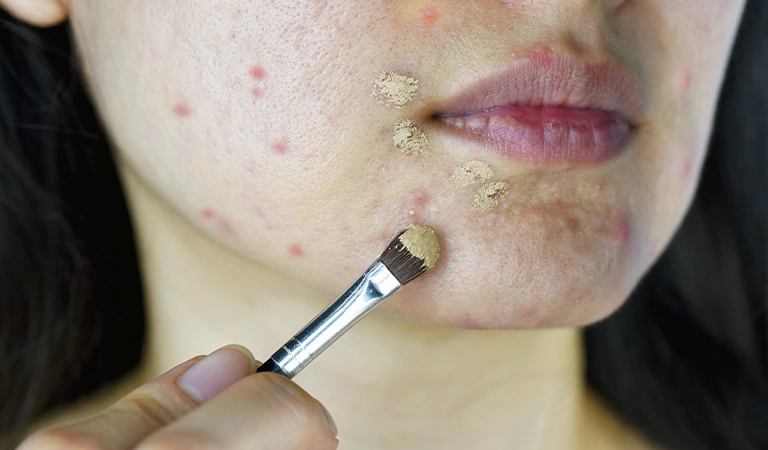
Ingredients to consider when choosing makeup
Ingredient lists can look complex, but a few broad categories are useful. No ingredient is automatically bad for every person. Your skin type, product amount, and total routine all matter.
People with oily or acne-prone skin may prefer lighter formulas. People with sensitive skin may benefit from products without fragrance or strong essential oils.
Pay attention to:
• Fragrance: It may irritate sensitive skin.
• Heavy oils and waxes: They may feel occlusive for some people.
• Denatured alcohol: It can be drying or irritating in some formulas.
• Preservatives: They are needed for safety but may trigger reactions in a small number of people.
• Mineral pigments: They are often well tolerated, but the full formula still matters.
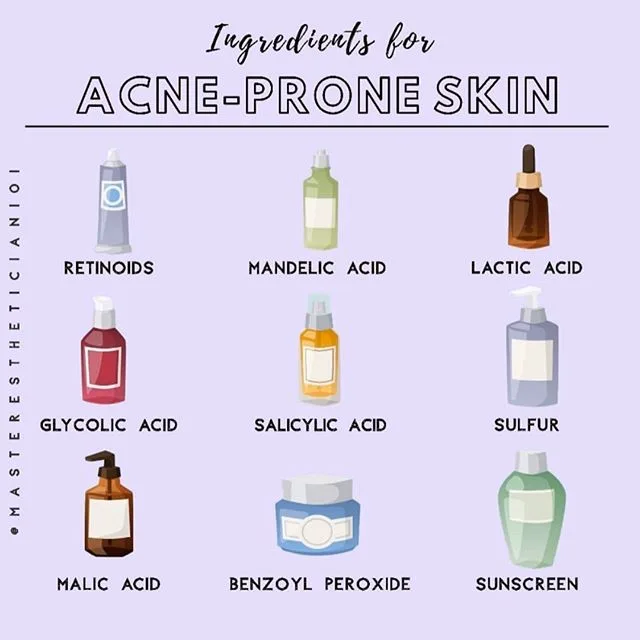
Products with salicylic acid may help some acne-prone skin because salicylic acid can help clear dead skin from pores. Makeup is not a replacement for an acne treatment, though. The amount of active ingredient may be too low to treat persistent acne.
Can makeup cause acne from one ingredient alone? Sometimes, but it is often hard to identify the exact cause. A dermatologist can help with patch testing or a product elimination plan when the pattern is unclear.
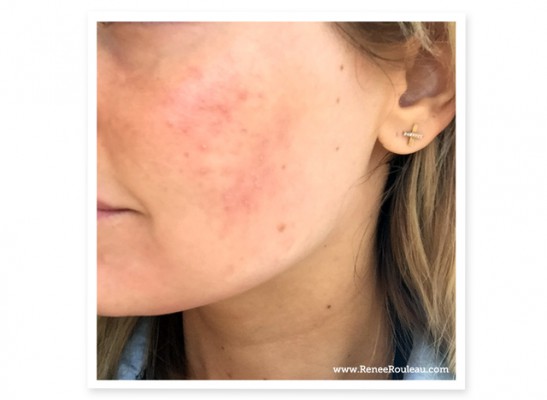
What to do if makeup causes breakouts
If you think makeup is causing acne, take a calm and organized approach. Stop the newest or most suspicious product first rather than throwing away your whole collection.
For the next two to four weeks:
-
Use a gentle cleanser.
-
Choose a simple, noncomedogenic moisturizer.
-
Pause heavy foundation, cream makeup, and new skincare products.
-
Clean brushes and replace old sponges.
-
Keep a note of products used each day.
-
Reintroduce products one at a time.
This process can reveal patterns. For example, you may notice that breakouts begin after using a certain primer or after wearing full-coverage makeup during hot days.
Do not pick or squeeze the acne. Picking can increase inflammation and raise the risk of dark spots and scars. If breakouts continue after you stop the suspected product, makeup may not be the main cause.
See a dermatologist if you have painful deep acne, scarring, sudden widespread breakouts, or acne that does not improve with basic care. Professional treatment may include topical retinoids, benzoyl peroxide, salicylic acid, or other options based on your skin and health history.
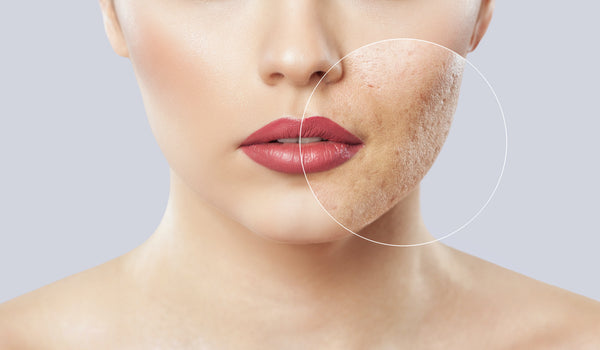
How long does makeup-related acne take to improve?
The time varies. Irritation may calm within a few days after stopping the product. Clogged pores and inflamed pimples can take several weeks to improve.
Acne treatments also need time. Many dermatology treatments show gradual results over six to eight weeks, with fuller improvement taking longer. Changing products every few days can make it hard to know what works.
Keep your routine steady unless your skin is burning, swelling, or peeling badly. A simple routine often gives the skin a better chance to recover.
Dark marks may remain after a pimple heals. These marks are common, especially in deeper skin tones, and can fade slowly. Daily broad-spectrum sunscreen can help prevent marks from becoming darker.
When to see a dermatologist
Makeup may be part of the problem, but ongoing acne can have many causes. Hormones, stress, genetics, medications, sweat, friction, and skin conditions can all play a role.
Professional advice is important when:
• Acne is painful or deep.
• Breakouts leave scars or dark marks.
• Acne affects your confidence or daily life.
• You have tried gentle care for several weeks without improvement.
• The rash is itchy, swollen, or burning.
• Breakouts began after starting a medicine.
• You are unsure whether the bumps are acne.
A dermatologist can assess the pattern and suggest a treatment plan. This matters because acne and acne-like rashes may need different care.
Frequently Asked Questions About Can Makeup Cause Acne?
Can makeup cause acne on the cheeks?
Yes, makeup can cause cheek acne when foundation, blush, brushes, or pillow friction clog or irritate the skin. Breakouts may also come from phones, hair products, masks, or touching the face.
Is makeup bad for acne-prone skin?
Makeup is not automatically bad for acne-prone skin. Choose lightweight, noncomedogenic products, use clean tools, and remove makeup before bed to reduce the chance of breakouts.
Does wearing foundation every day cause acne?
Daily foundation may contribute to acne if it is heavy, irritating, or left on for long periods. A light formula and careful cleansing can make daily makeup safer for many people.
Can makeup cause acne if it is noncomedogenic?
Yes, noncomedogenic makeup can still cause acne in some users. The label lowers concern about pore blockage, but personal sensitivity, tool hygiene, sweat, and other ingredients still matter.
How can I stop makeup from causing acne?
Use clean brushes, avoid thick layers, remove makeup every night, and choose products made for acne-prone skin. If breakouts continue, stop one suspected product at a time and seek dermatology advice.
Should I stop wearing makeup during an acne breakout?
You do not always need to stop wearing makeup during a breakout. Use clean, lightweight products and avoid rubbing or picking the affected area.
Can expired makeup cause pimples?
Expired makeup may change texture, collect microbes, or irritate the skin. Replace products with a changed smell, color, or texture, and follow the product’s recommended period after opening.
Conclusion
Can makeup cause acne? Yes, but makeup is only one possible trigger. Heavy formulas, dirty tools, sleeping in makeup, irritation, and poor removal can all raise the risk of clogged pores and breakouts.
Choose simple, lightweight products, clean your tools, remove makeup each night, and give new products time to prove themselves. If acne is painful, persistent, or leaving scars, consult a dermatologist instead of blaming yourself or your makeup.
Try one small change this week, such as washing your brushes or replacing an old foundation. Then explore trusted skin-care resources or share your experience in the comments.