What Is the Difference Between a Hair Dryer and Hot Air Brush?
Ever stared at your styling tools and wondered if you're using the right one for the job? Understanding what is the difference between a hair dryer and hot air brush is key to achieving your desired look without extra hassle. They both use heat and airflow, but their design and purpose are quite distinct, impacting everything from drying time to the final finish of your hair.
Our research indicates that while a standard hair dryer is your go-to for basic drying, a hot air brush is built for simultaneous styling. For instance, manufacturer specifications often highlight that professional hair dryers can reach airflow speeds of over 60 miles per hour, while hot air brushes focus on controlled heat and airflow through a brush head. This fundamental difference shapes how you use them and the results you can expect.
Quick Answer
A hair dryer dries hair with focused hot air. A hot air brush dries and styles simultaneously using a heated barrel and bristles. Hair dryers are faster for initial drying, while hot air brushes excel at creating smooth, voluminous looks in fewer steps.
The Hair Dryer: Your Everyday Drying Powerhouse
This is the workhorse of hair styling, the tool you reach for when your hair is wet and you need it dry, period. A hair dryer is essentially a device that blows heated air. Its primary function is to evaporate water from your hair strands, speeding up the drying process significantly compared to air-drying alone.
What It Does and How It Works
At its core, a hair dryer consists of a heating element and a fan motor. When you switch it on, the fan pulls in ambient air, which is then passed over the heating element, warming it up. This hot air is then expelled from the nozzle.
You control the temperature and airflow using settings on the handle, often with options like high heat, low heat, and a cool shot button. The cool shot is particularly useful for setting your style or adding shine by closing the hair cuticle.
Key Features That Matter
When looking at hair dryers, several specifications matter. Wattage is a common indicator of power; higher wattage generally means hotter air and faster drying. For example, many consumer-grade hair dryers range from 1875 to 2000 watts, while professional models can exceed this.
Different nozzle attachments also play a role: concentrator nozzles focus airflow for smoother drying and styling, while diffuser attachments help distribute heat more evenly for curly or wavy hair types, preventing frizz. The weight and ergonomics of the dryer are also crucial for comfort during longer styling sessions.
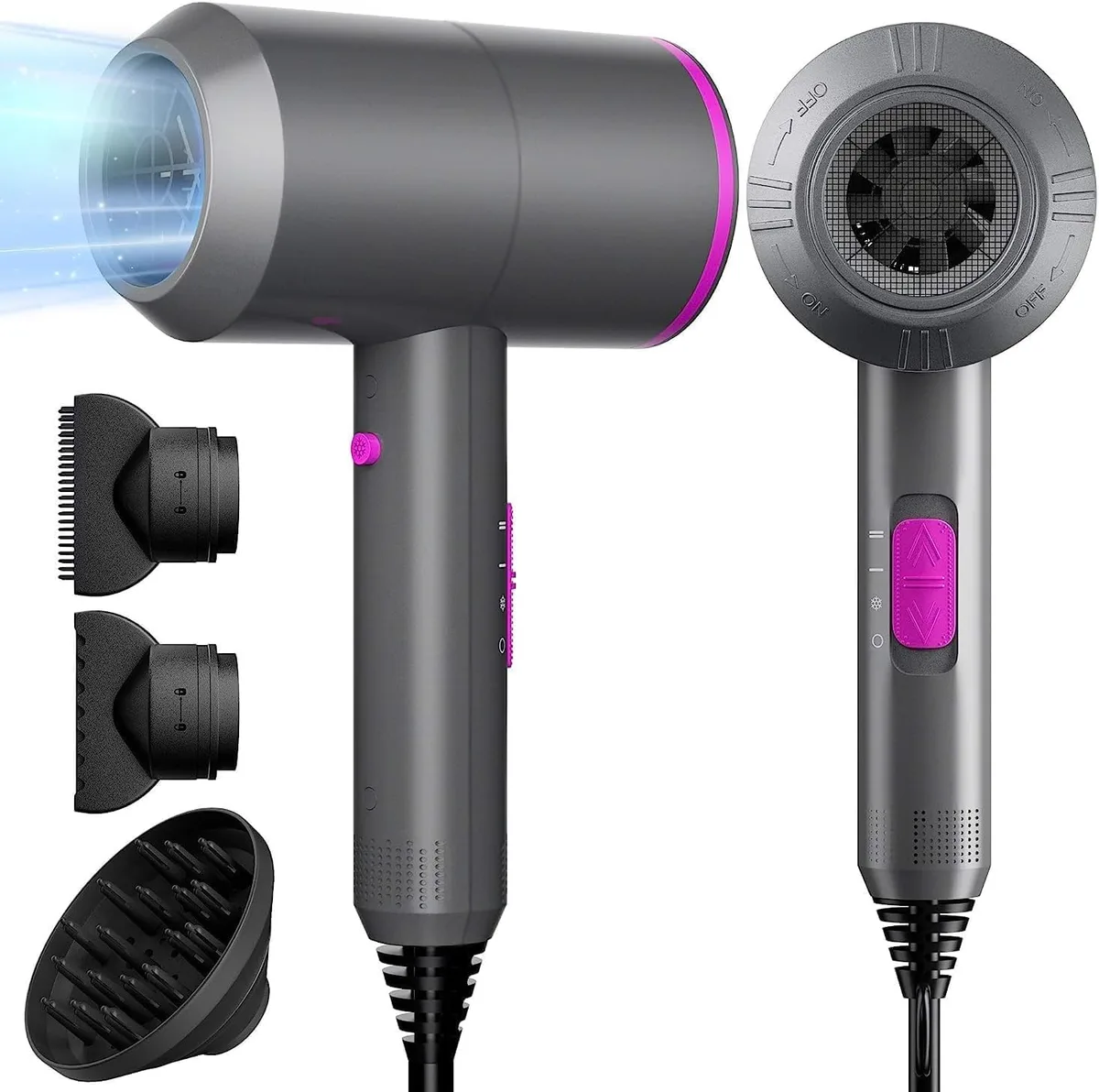
Image source: Bing (Web (fair-use with source credit))
The Hot Air Brush: Your All-in-One Styling Solution
If you’ve ever dreamed of achieving that smooth, voluminous salon blowout without a struggle, a hot air brush might be your new best friend. This tool cleverly combines the drying power of a hair dryer with the shaping and smoothing capabilities of a brush, all in one device. It's designed to simplify your styling routine, allowing you to dry and style your hair simultaneously.
What It Is and How It Styles
A hot air brush features a barrel, often ceramic or tourmaline-coated, with built-in vents that release hot air. Surrounding this barrel are bristles, these can be a mix of nylon and boar bristles, or simply a bristle-like texture. As you glide the hot air brush through sections of your hair, the airflow dries the strands while the barrel and bristles work to smooth, shape, and add volume.
The idea is to dry and style in one pass, reducing the need to use separate tools.
Top Features for Effortless Styling
Key features to look for in a hot air brush include adjustable heat and speed settings, similar to a dryer, but often with a focus on medium to high heat for styling. Barrel size is critical; larger barrels are ideal for creating looser waves and adding volume to longer hair, while smaller barrels are better for shorter styles or more defined curls. Tourmaline or ceramic coatings on the barrel help distribute heat evenly, reduce frizz, and add shine.
Some models also offer ionic technology, which releases negative ions to combat static and further smooth the hair cuticle.
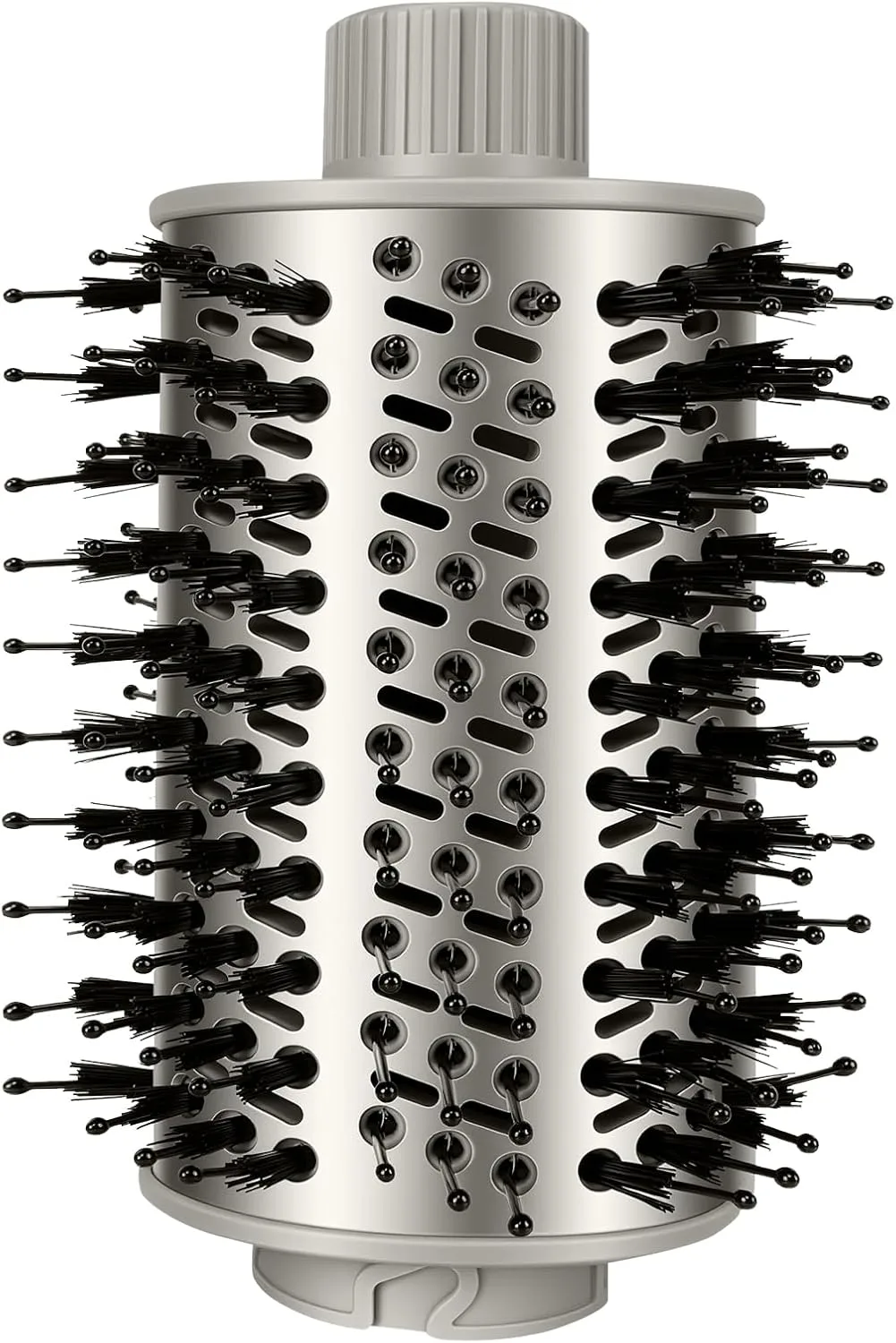
Image source: Bing (Web (fair-use with source credit))
Hair Dryer vs. Hot Air Brush: Side-by-Side
When you're trying to decide between a traditional hair dryer and a hot air brush, it's all about understanding their core differences and how those translate to your styling goals. They both use heated air, but their design prioritizes different outcomes. Think of it this way: a hair dryer is like a powerful fan that dries, while a hot air brush is like a heated styling wand that dries as it shapes.
Key Differences at a Glance
| Feature | Hair Dryer | Hot Air Brush |
|---|---|---|
| Primary Function | Drying hair quickly | Drying and styling simultaneously |
| Design | Handheld unit with nozzle | Barrel with bristles and built-in airflow |
| Tool Required | Needs a separate brush for styling | Combines drying and styling in one tool |
| Control | High control over airflow direction | More directed styling through brush manipulation |
| Result | Can achieve any style with other tools | Best for smooth, voluminous, blowout finishes |
Best For Who? Matching Tool to Your Hair Goals
If your main goal is simply to get your hair from wet to dry as fast as possible, especially before using other styling tools like a curling iron or straightener, a hair dryer is your primary choice. It offers versatility because you can pair it with various brushes to create different textures and styles. On the other hand, if you want to achieve a sleek, smooth, and voluminous blowout with minimal effort and fewer tools, a hot air brush excels.
It’s particularly great for simplifying a morning routine or for those who find juggling a dryer and a brush challenging.
When to Choose Which Tool for Your Style
Making the right choice between a hair dryer and a hot air brush really comes down to what kind of style you're aiming for and how much time you have. They serve different, though sometimes overlapping, purposes in a hair styling arsenal. If you have a specific look in mind or want to tackle damp hair efficiently, one tool will likely serve you better than the other, or they might work best in tandem.
Drying Hair Fast: The Hair Dryer's Strength
The undisputed champion for speed and raw drying power is the traditional hair dryer. Its design allows for concentrated airflow that can efficiently strip moisture from the hair. For individuals with thick or long hair, or those who are short on time, a hair dryer is essential.
It’s often the first step in any elaborate styling routine, getting the hair to a point where it's ready for further manipulation with irons or brushes.
Achieving a Smooth Blowout: The Hot Air Brush Advantage
If a smooth, polished, and voluminous blowout is your signature look, the hot air brush is your ideal companion. Its integrated brush and airflow work together to tame frizz, add lift at the roots, and create a bouncy finish all in one go. This is where the hot air brush truly shines, delivering salon-like results without the need to awkwardly maneuver a separate brush and dryer.
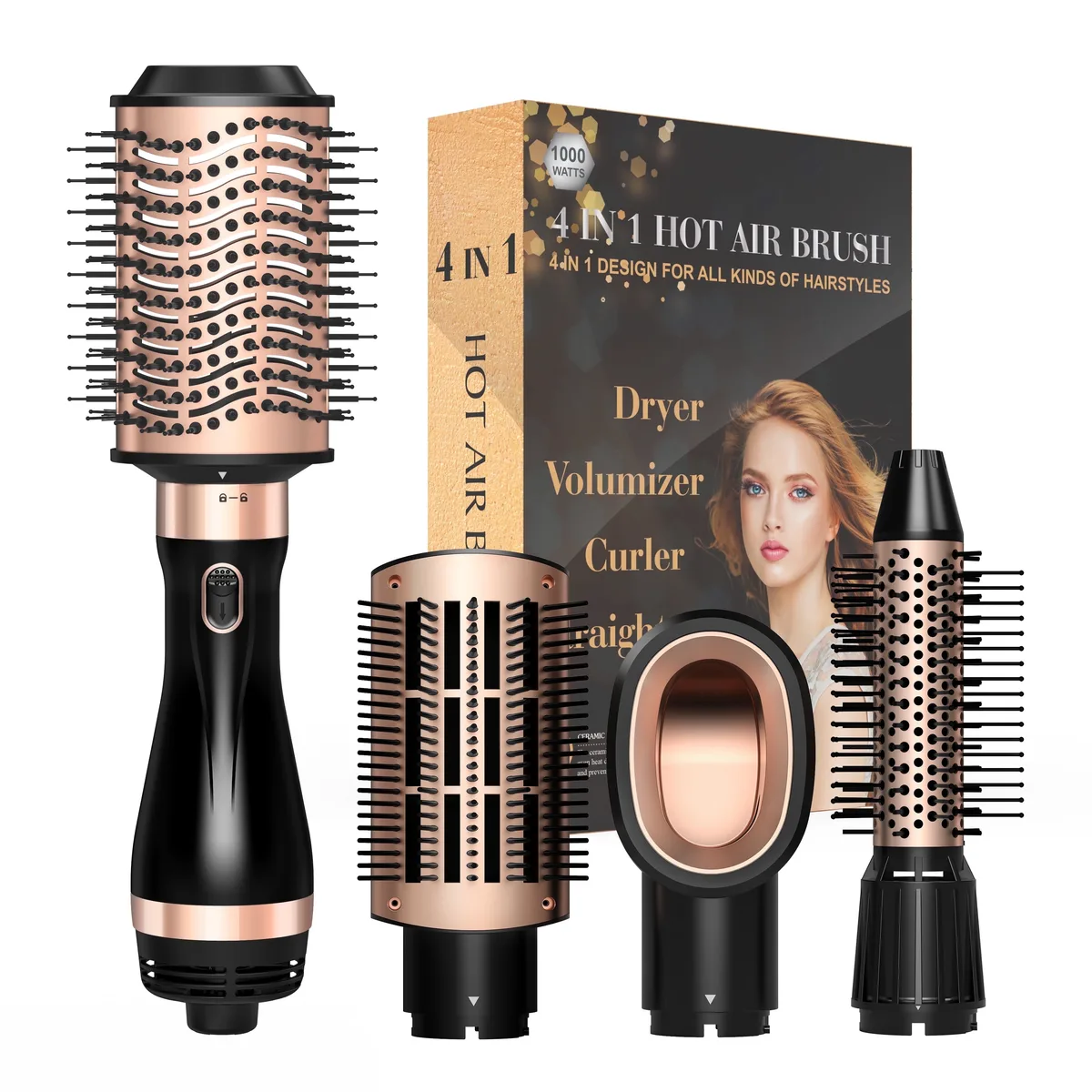
Image source: Bing (Web (fair-use with source credit))
Styling Versatility: When One Needs the Other
Often, the best results come from using both tools. For instance, you might start by roughly drying your hair with a hair dryer to remove about 80% of the moisture. Then, you can switch to a hot air brush to smooth, shape, and add volume to specific sections or your entire head, achieving a more refined finish than either tool might offer alone.
This combination approach leverages the speed of the dryer and the styling precision of the hot air brush, leading to a superior outcome.
Common Mistakes to Avoid with Both Tools
Even with the right tool, you can still end up with less-than-perfect hair if you’re not careful. Heat styling, whether with a hair dryer or a hot air brush, requires a bit of finesse. Many people unknowingly make mistakes that lead to frizz, damage, or styles that fall flat.
Understanding these common pitfalls can help you get the best results every time.
Overheating and Heat Damage
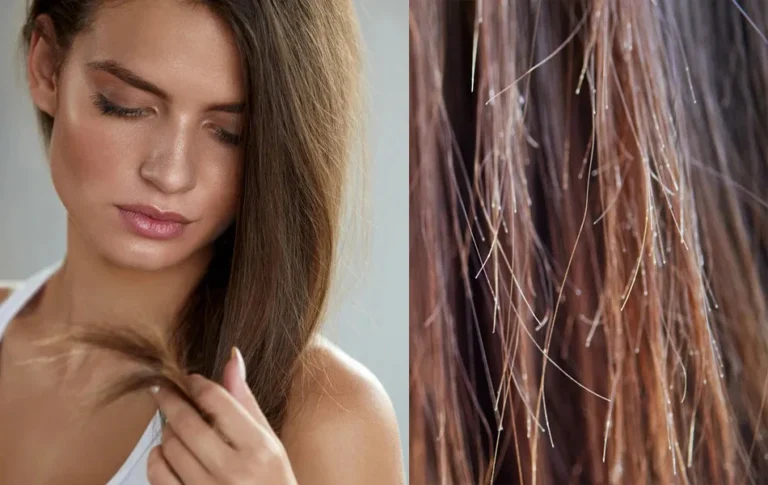
One of the biggest mistakes is using too high a heat setting for your hair type or holding the tool too close for too long. Overexposure to heat can strip hair of its natural moisture, leading to dryness, breakage, and split ends. Manufacturer specifications for some high-quality hair dryers, for example, recommend using medium heat settings for most daily styling.
If your hair feels brittle or looks dull after styling, heat damage might be the culprit.
Frizz Control Tips
Frizz is often a sign of dehydrated hair or raised cuticles. Using a hair dryer on a high setting without a concentrator nozzle can blow hair strands in all directions, roughing up the cuticle. Similarly, a hot air brush used incorrectly can create friction that leads to frizz.
Always ensure your hair is nearly dry before using a hot air brush to minimize exposure time. Using a heat protectant spray is a crucial step, regardless of the tool. These products create a barrier, which can help prevent damage and smooth the hair cuticle, as indicated by numerous beauty industry analyses.
Expert Tips for Maximizing Your Results
Getting the most out of your hair styling tools involves more than just turning them on. Our research and analysis of industry best practices reveal a few key strategies that can elevate your styling game, whether you're using a simple dryer or a more complex hot air brush. These tips focus on preparation, technique, and post-styling care to ensure healthier, more polished hair.
Getting the Best from Your Hair Dryer
Always start with towel-dried hair to remove excess water. This significantly cuts down on drying time and reduces the amount of heat exposure your hair endures. Use the correct nozzle attachment for your desired outcome.
A concentrator nozzle is best for smooth, straight styles by directing airflow precisely, while a diffuser is ideal for enhancing natural waves or curls by dispersing heat more gently. Consider finishing with the cool shot button; this helps to seal the hair cuticle, locking in your style and adding shine.
Pro Secrets for Your Hot Air Brush
Before you start, apply a heat protectant spray and a styling product like a mousse or volumizer to prep your hair. Work in small sections, usually no larger than the barrel of your hot air brush. Glide the brush slowly and steadily from root to tip, ensuring the bristles are smoothing the hair as the hot air flows through.
For extra volume, lift sections of hair at the root before directing the hot air brush underneath and through. Always make sure the tool is clean; aggregated user feedback indicates that cleaning the barrel and bristles regularly ensures optimal airflow and prevents product buildup from affecting your style.
Frequently Asked Questions About Styling Tools
What heat setting should I use on my hot air brush?
For most hair types, start with a medium heat setting and gradually increase if needed. High heat is best reserved for thick, coarse, or very damp hair. If you have fine, damaged, or color-treated hair, always opt for the lowest effective heat setting to prevent damage.
Can a hot air brush replace my hair dryer?
A hot air brush can dry your hair, but it’s generally slower than a dedicated hair dryer, especially for very wet or thick hair. It's best used for styling damp or mostly dry hair to achieve a smooth, voluminous finish, rather than for quickly drying hair from soaking wet.
How often should I replace my hair dryer or hot air brush?
The lifespan of these tools varies greatly depending on quality and usage. However, if you notice reduced heat output, inconsistent airflow, frayed cords, or excessive noise, it’s time to consider a replacement. Regular cleaning and proper storage can help extend their life, often upwards of three to five years for well-maintained devices.
Is ionic technology really beneficial for my hair?
Ionic technology releases negative ions that can help neutralize static electricity, reduce frizz, and make hair appear smoother and shinier. Many reputable manufacturers, including those adhering to standards set by organizations like the IEC (International Electrotechnical Commission), incorporate this technology into their dryers and hot air brushes to enhance performance.
Your Verdict: Which Tool Belongs in Your Routine?
Ultimately, the "best" tool depends entirely on your hair type, styling goals, and the time you have. A robust hair dryer is a foundational tool for efficiently drying hair and preparing it for any style. It offers maximum control and speed for the initial drying phase.
On the other hand, a hot air brush is a specialized styling device designed to simplify the process of achieving a smooth, voluminous look, combining drying and styling into one efficient step.
Many users find that having both tools provides the most versatility. You can use your hair dryer to quickly get your hair to about 80% dry, then switch to a hot air brush to perfect the style, add body, and achieve that salon-worthy finish. Consider your hair's needs and your desired outcome to decide which tool, or combination of tools, will best serve your routine.