How Often Should I Trim My Hair?
Figuring out how often you should trim your hair can feel like a guessing game, with advice ranging from every few weeks to waiting months. The simple truth is, there’s no single answer that fits everyone's unique hair journey. Your hair's specific needs, your style, and your goals all play a big role in determining the ideal trimming schedule.
Your hair type, style, and health are the key factors. For instance, the U.S. National Library of Medicine's MedlinePlus site offers guidance on hair health, emphasizing that proper care, including trims, can prevent damage.
Understanding these variables helps you create a personalized plan that keeps your hair looking and feeling its best.
Quick Answer
You should trim your hair every 6-8 weeks for general maintenance. Short styles need trims every 4-6 weeks. If you're growing your hair, aim for 8-12 weeks to remove split ends.
Curly hair often benefits from trims every 6-10 weeks. Watch for split ends and breakage as signs it's time sooner.
Your Hair's Story: What Drives Trimming Frequency?
Your hair is as individual as you are, and what works for one person might not be the best approach for another. The frequency of your trims really hinges on a few core aspects of your hair and your personal style. It's less about a strict calendar date and more about observing your hair's condition and your styling preferences.
We'll break down the main drivers that influence how often you should consider visiting your stylist.
Hair Type and Texture
Different hair types and textures respond to trims in unique ways. Fine hair might show signs of damage, like split ends, more readily and can lose its shape quickly if not maintained. Coarse hair might be more resilient but can still suffer from split ends that affect its overall health.
- Fine Hair: May need more frequent trims to prevent ends from looking wispy and damaged.
- Coarse Hair: Can often go a bit longer between trims, but regular maintenance is still key for health.
- Straight Hair: Tends to show blunt ends and can lose shape more obviously than textured hair.
- Wavy and Curly Hair: Curls can lose their definition and bounce if not trimmed periodically, as split ends can disrupt the curl pattern.

Image source: Web (Bing) / dhansikhi.com (Web image (fair-use with source credit))
Your Chosen Hairstyle
The style you wear your hair in has a direct impact on how often you need to maintain it. Some styles require sharp lines and precise shaping, making regular trims non-negotiable for keeping them looking as intended. Others are more forgiving and can adapt to slightly longer periods between cuts.
- Short Styles (e.g., Pixie Cuts, Bobs): These need frequent trims, often every 4-6 weeks, to maintain their crisp lines and shape. Even a little growth can change the look dramatically.
- Layered Styles: While layers can be more adaptable, regular trims help keep them from becoming overgrown and losing their intended shape.
- Blunt Cuts: Similar to short styles, blunt cuts rely on a clean, even line that growth can disrupt.
Hair Goals: Growing or Maintaining?
Are you on a mission to grow your hair out to maximum length, or are you focused on keeping your current style healthy and vibrant? Your ultimate goal will shape your trimming strategy significantly.
- Growing Out Hair: It might seem counterintuitive, but regular trims are crucial when growing your hair. The goal isn't to cut off length, but to snip away any split ends before they travel up the hair shaft and cause more significant breakage. This allows your hair to grow longer and healthier overall.
- Maintaining Current Length: If you’re happy with your current length and focus is on health, trims every 6-8 weeks can help maintain the ends and prevent damage from accumulating.
Signs of Damage and Breakage
Sometimes, your hair will tell you it's time for a trim, regardless of your schedule. Paying attention to these signs is key to preventing further issues and keeping your hair looking its best.
- Split Ends: These are the most obvious indicators. When the ends of your hair fray or split, they can travel up the hair shaft, causing more damage.
- Excessive Breakage: If you notice a lot more hair than usual on your brush, in the shower, or on your clothes, it could mean your ends are compromised and need to be trimmed.
- Frizziness and Roughness: Hair that feels dry, rough, or excessively frizzy, especially towards the ends, might be suffering from damage.
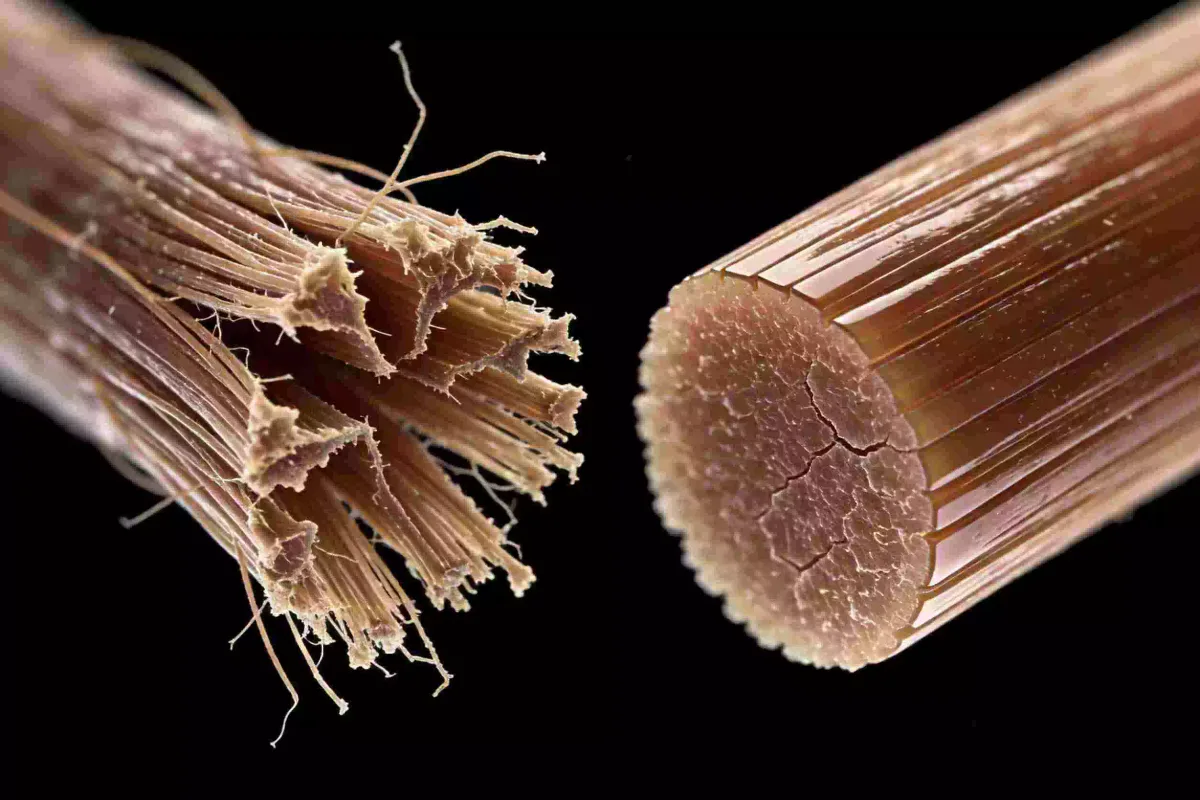
Image source: Bing (Web (fair-use with source credit))
Trimming Needs by the Numbers: When to Book It
Based on the factors we've discussed, your hair type, style, and goals, we can establish some general guidelines for trimming frequency. These are not rigid rules but rather helpful benchmarks to aim for. Remember to listen to your hair; it might need a trim sooner or you might be able to wait a little longer.
For Growing Out Your Hair
If your primary goal is to achieve longer hair, the idea is to remove the least amount of length while addressing damage. Split ends, if left unchecked, can travel up the hair shaft and cause more significant breakage, ultimately setting back your growth progress.
- Frequency: Every 8 to 12 weeks.
- What to Expect: A minimal trim, often just enough to snip off the very tips where split ends are most prevalent. You're aiming to preserve length.
For Short Styles and Precision Cuts
Styles like bobs, pixies, and other geometrically defined cuts rely on sharp lines and specific shapes. As hair grows, these styles can quickly lose their intended form, making them look messy or unkempt.
- Frequency: Every 4 to 6 weeks.
- What to Expect: A more structured cut to redefine the shape, maintain clean lines, and ensure the style sits as intended.
For Curly and Wavy Hair
Curly and wavy textures have their own unique needs. As curls grow, they can sometimes lose their natural bounce, definition, or spiral. Trimming helps refresh the curl pattern and remove any straggly ends that detract from the overall look.
- Frequency: Every 6 to 10 weeks.
- What to Expect: Trims focused on enhancing curl shape, maintaining volume, and removing any damaged or unruly ends that disrupt the natural curl pattern.
For General Hair Health
For those not actively growing their hair out and who have a style that's relatively easy to maintain, a standard interval often works well. This timeframe helps to stay ahead of split ends and keeps the hair looking and feeling healthy without needing drastic cuts.
- Frequency: Every 6 to 8 weeks.
- What to Expect: A general tidy-up to remove any nascent split ends, refresh the ends, and keep the hair looking healthy and vibrant.
Spotting the Signs: Your Hair's "Time to Trim" Cues
Sometimes, your hair will send out clear signals that it's ready for a trim, even if you haven't reached your scheduled appointment. Ignoring these can lead to more significant damage and longer-term issues. Being observant of your hair's condition is key to knowing when to act.
Visible Split Ends
Split ends are perhaps the most classic sign that your hair needs a trim. You might notice the ends of your hair fraying, looking wispy, or literally splitting into two or more strands. These are weakened areas that can worsen if left untreated.
- What to look for: Tiny forks at the very tips of your hair strands.
- Why it matters: Split ends can travel up the hair shaft, causing more breakage and making hair appear thinner and less healthy.
Tangling and Roughness
If you find your hair is becoming significantly more difficult to brush or comb, especially towards the ends, it's a strong indicator of damage. Hair that feels rough, dry, or consistently tangled, even after conditioning, often has damaged cuticles that snag on each other.
- Common issues: Increased knots, difficulty detangling, a rough texture.
- What it means: Damaged ends are no longer smooth, leading to friction and tangles.
Losing That Fresh Cut Look
Your hairstyle might start to look a bit "off" even if it's not drastically overgrown. For shorter styles, this might mean edges are no longer sharp, or layers are falling in an unintended way. For longer hair, it could be a loss of overall shape and volume.
- Signs for short hair: Blunt cuts losing their edge, pixies becoming shaggy.
- Signs for long hair: Layers losing their flow, ends looking uneven or sparse.
Noticing More Breakage
If you're seeing an increase in the amount of hair shed daily, particularly small, broken pieces rather than full strands, your ends might be compromised. Severely damaged hair can break off mid-shaft or at the very ends.
- What to watch for: Small broken pieces of hair on your brush or clothes.
- Potential causes: Dryness, heat damage, aggressive styling, or underlying split ends.
Avoiding Trim Troubles: Common Mistakes to Skip
Even when you're diligent about getting trims, certain missteps can undermine the benefits or even cause new problems. Being aware of these common errors can help you get the most out of your salon visits and maintain healthier hair between appointments.
- Skipping Trims Altogether: The most obvious mistake is thinking you can grow your hair out indefinitely without any trims. This leads to split ends traveling up the hair shaft, resulting in more breakage and potentially hindering your growth efforts.
- Waiting Too Long: While it's important not to over-trim, waiting excessively long can also be detrimental. Significant split ends can become harder to fix without sacrificing more length than necessary.
- Getting a "Dusting" Too Often: For those trying to grow their hair, getting too frequent "dusting" trims (micro-trims) might remove hair faster than it grows, especially if the stylist isn't precise. The goal is to remove damage, not just trim for the sake of it.
- Not Communicating Goals: Failing to clearly tell your stylist your hair goals (e.g., growing out, maintaining shape, specific style) can lead to misunderstandings about how much length to remove.
- Using Dull Tools at Home: If you ever trim your own hair, using scissors not designed for hair can crush or split the ends, causing damage that might have been prevented with proper tools. Manufacturer specifications for hair scissors emphasize sharpness to ensure a clean cut.
- Ignoring Lifestyle Factors: Excessive heat styling, harsh chemical treatments, or rough handling can accelerate damage. Trims can help manage this, but reducing the source of damage is also key.
Expert Tips for Your Best Trim
To ensure you're getting the most out of every haircut and maintaining your hair's health between salon visits, consider these professional insights. Stylists often emphasize a holistic approach that goes beyond just the scissors.
- Know Your Stylist: Find a stylist who understands your hair type and texture. A specialist in curly hair, for instance, will have a different approach than one who primarily works with straight hair.
- Communicate Your Goals Clearly: Before any cut, have a clear discussion with your stylist. If you're growing your hair, explain that you want to maintain length while removing split ends. If you're aiming for a specific style, bring pictures and discuss how much maintenance it requires.
- Embrace the "Less is More" Philosophy: When growing your hair, remember that a trim is about removing damage, not necessarily about changing the overall length. A little goes a long way to keep ends healthy.
- Consider a Dry Cut for Curls: Some stylists prefer to cut curly hair when it's dry. This allows them to see how the curls naturally fall and shape them more accurately, avoiding the risk of uneven layers once the hair is dry.
- Don't Forget Scalp Health: While not directly a trimming frequency factor, a healthy scalp is the foundation for healthy hair growth. Using gentle shampoos and avoiding harsh styling products contributes to overall hair well-being.
- Invest in Quality Home Care: Use sulfate-free shampoos and conditioners suitable for your hair type. Avoid excessive heat styling, and always use a heat protectant spray when you do use hot tools.
- Be Patient: Hair growth takes time. The U.S. National Institutes of Health (NIH) notes that hair grows about half an inch per month on average. Consistent, appropriate trims will support this natural growth process without setbacks.
Frequently Asked Questions About Hair Trims
How often should I trim my hair to make it grow faster?
Trimming your hair doesn't directly make it grow faster from the root. However, regular trims remove split ends, preventing breakage. This means hair can retain length more effectively as it grows out from the scalp.
Aim for trims every 8-12 weeks when length is the goal.
Can I trim my hair myself?
Yes, you can trim your hair yourself, but it requires sharp hair-cutting scissors and a steady hand. For precision styles or if you're unsure, it's best to see a professional stylist. Cutting your own hair carries the risk of uneven results or damaging ends if the wrong tools are used.
What is the best time of year to trim my hair?
The best time to trim your hair isn't seasonal, but rather dictated by its health and your style. Environmental factors like harsh sun or cold air can sometimes contribute to dryness and split ends, making consistent trims important year-round.
How much hair should be trimmed off each time?
The amount to trim depends entirely on your goals and hair condition. If you're growing your hair, you might only take off an eighth to a quarter of an inch. For style maintenance or shaping, a stylist might remove an inch or more.
Always communicate your desired outcome.
Does trimming hair make it thicker?
Trimming hair doesn't increase the number of hair follicles or make the hair shaft itself thicker. However, when split ends are removed, hair can appear fuller and healthier because the ends are more uniform and less prone to breakage. This can give the illusion of thicker hair.