How Can I Make Makeup Look Natural?
Image source: Bing (Web (fair-use with source credit))
Ever find yourself staring in the mirror, wondering why your foundation looks a little… too much? You’re not alone. Achieving that coveted natural makeup look, the one that seems like you’re not wearing any makeup at all, is a goal for many.
It's about enhancing your features subtly, not masking them.
The key to making makeup look natural lies in understanding how products interact with your skin and mastering a few core techniques. As of 2026, the beauty industry continues to emphasize skin health and a 'your skin but better' approach, aligning with a desire for authentic, effortless beauty. This guide will walk you through achieving that flawless, yet understated, finish.
Quick Answer
To make makeup look natural, focus on sheer coverage and seamless blending. Use minimal product, opt for hydrating formulas that mimic skin texture, and concentrate concealer only where needed. Mastering a light hand with color products and ensuring even diffusion of all elements are crucial for an undetectable finish.
The Power of a Natural Base
The goal of a natural makeup look isn't about achieving a completely blank canvas; it's about creating a base that looks like healthy, radiant skin. This means using products that enhance your skin's natural texture and tone rather than covering them up completely. Think of it as a soft filter, not a mask.
The right base product can even out minor imperfections, add a touch of luminosity, and create a smooth surface for other makeup, all without looking heavy or artificial. It’s about working with your skin, not against it.
Skin Prep: Your Canvas's Best Friend
Before any makeup touches your face, preparing your skin is non-negotiable. This step ensures your makeup not only looks better but also wears better throughout the day. Aggregated user feedback consistently reports that makeup applied to un-prepped skin can appear cakey or patchy within hours.
- Cleanse Thoroughly: Start with a gentle cleanser suited to your skin type. This removes any dirt, oil, or old makeup that could interfere with your new application.
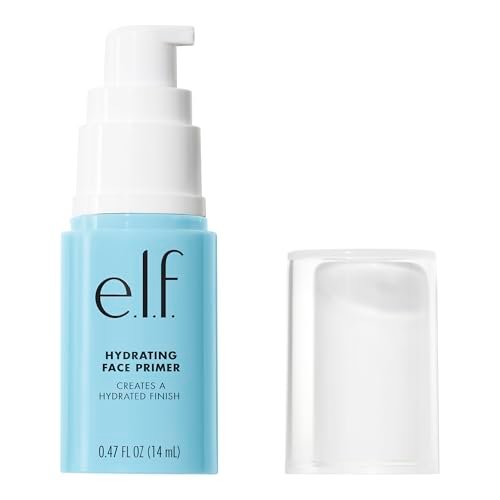
- Hydrate Adequately: Apply a moisturizer that addresses your skin’s needs. For dry skin, a richer cream might be necessary. For oily skin, a lightweight, oil-free gel formula works best. Proper hydration prevents makeup from clinging to dry patches or looking overly dewy in oily zones.
- Sun Protection: Using sunscreen is vital for skin health and also plays a role in your makeup base. Many formulations, like broad-spectrum sunscreens with an SPF of 30 or higher, create a smooth, protected layer. However, it's important to ensure it sinks in fully before applying makeup to avoid a white cast or pilling. Per manufacturer specifications for many sunscreens, allow at least 15-20 minutes for full absorption.
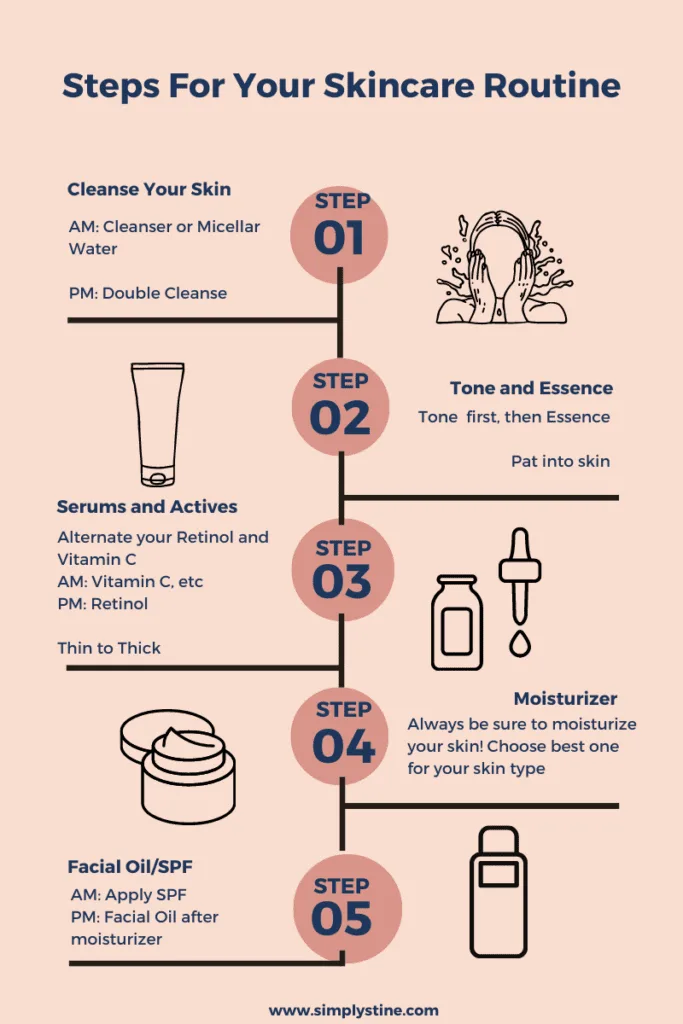
Image source: Bing (Web (fair-use with source credit))
Following these steps ensures your skin is ready to receive makeup, leading to a more natural and longer-lasting finish.
Base Product Choices for a Seamless Finish
Selecting the right base product is arguably the most critical step for achieving a natural makeup look. The aim is to achieve an even skin tone without masking your natural skin. Product specifications and aggregate user reviews show that formulas designed for sheer to medium coverage perform best for this aesthetic.
- Tinted Moisturizers: These offer a light wash of color that evens out skin tone and adds hydration. They are excellent for everyday wear and allow your natural skin to show through.
- BB Creams (Beauty Balms): Often providing a bit more coverage than tinted moisturizers, BB creams also include skincare benefits like SPF and antioxidants. They typically offer a dewy or natural finish.
- CC Creams (Color Correcting): These focus on color correction, helping to neutralize redness or sallowness. They offer a light coverage but are great for targeting specific concerns while looking natural.
- Lightweight Foundations: If you prefer foundation, opt for formulas labeled "dewy," "natural finish," or "sheer coverage." Many brands offer buildable formulas where you can apply a thin layer and add more only where necessary. Some advanced formulations, as noted in product documentation, use finely milled pigments that adapt to your skin tone for a seamless look.
Choosing a product with hydrating ingredients like hyaluronic acid or glycerin can also help your makeup meld into the skin, mimicking a healthy, moisturized complexion.
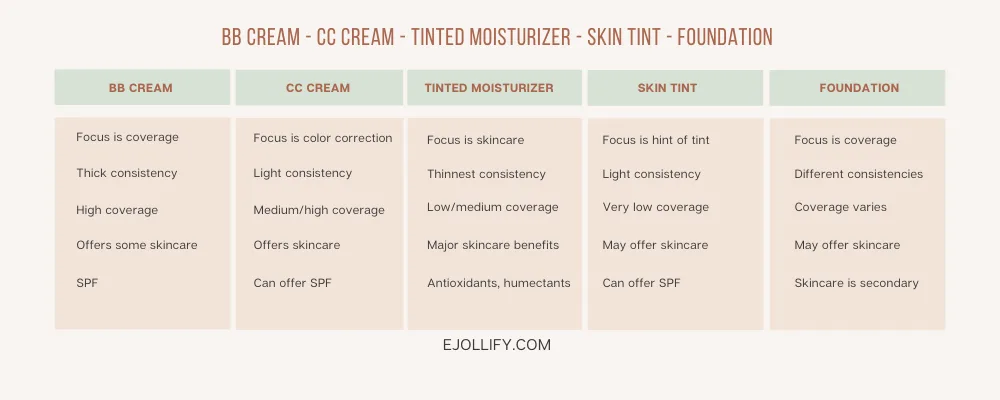
Image source: Bing (Web (fair-use with source credit))
Avoid heavy, matte foundations if your goal is a natural, skin-like appearance.
Blending Techniques: Where the Magic Happens
Once you've selected your base product, how you apply and blend it is paramount to achieving that natural, undetectable finish. Harsh lines or visible product edges are the quickest way to make makeup look artificial. Effective blending ensures product is diffused evenly and melts into the skin.
- Fingertip Application: Your body heat from your fingertips can help to warm and melt makeup into your skin, especially for tinted moisturizers and BB creams. Apply in small dots and then gently pat and blend outwards.
- Damp Beauty Sponge: A well-dampened beauty sponge is fantastic for diffusing foundation and concealer. Bounce the sponge gently across the skin, rather than swiping, to press the product in for a seamless, airbrushed effect. Ensure the sponge is only damp, not dripping wet, as too much water can dilute the product excessively.
- Soft-Bristled Brushes: If using a brush, opt for one with soft, synthetic bristles. Buff the product into the skin in circular motions. This helps to avoid streaks and ensures an even application.
For concealer, focus on applying it only where needed, under the eyes, around the nose, or on blemishes, and blend the edges meticulously with a small sponge, brush, or your fingertip. The goal is for the concealed area to disappear into the surrounding skin.
When blending, remember that "less is more" applies here too. It's easier to add a tiny bit more product if needed than to correct over-application. The visual effect you're aiming for is an even-toned complexion where the makeup looks like your actual skin.
Adding Subtle Color and Definition
After perfecting your base, the next step is to add just enough color and definition to bring your face to life without looking like you've applied a full face of makeup. This is where cream products often shine, as they tend to mimic the natural flush and dimension of the skin more convincingly than powders.
- Cream Blushes: For a natural flush, cream blushes are ideal. Apply a small amount to the apples of your cheeks and blend upwards towards your temples. The warmth of your fingers or a damp sponge works well for this. Cream formulas blend seamlessly and can look like a natural flush from within. If you're curious about different types, our research indicates that liquid blush formulations can offer a similar diffused effect.
- Bronzer (Used Sparingly): If you use bronzer, apply it with a light hand to the high points of your face where the sun would naturally hit, forehead, cheekbones, and jawline. Cream bronzers blend particularly well for a subtle warmth.
- Subtle Lip Color: For lips, a tinted lip balm or a sheer lipstick is perfect. These add a hint of color and hydration without looking overly polished or heavy. Products that offer a natural, diffused color are key. For those seeking a more defined lip look that still feels natural, exploring options like lip pencils can help shape the lips subtly.
The aim is to add dimension and a healthy glow that looks like it's coming from your skin. Overdoing powder products can sometimes make the skin look flat or cakey, so using them sparingly or opting for cream alternatives is often best for a natural finish.
Mistakes That Make Makeup Look Not Natural
Many people striving for a natural makeup look accidentally fall into common traps that make their makeup look obvious. Understanding these pitfalls is just as important as knowing the right techniques. Avoiding these errors will significantly elevate your natural makeup game.
- Too Much Product: Applying too much foundation, concealer, or blush is the most common mistake. This leads to a heavy, cakey appearance. Start with the smallest amount possible and build up only if absolutely necessary.
- Harsh Lines: Failing to blend products properly, especially around the jawline, hairline, or under the eyes, creates visible lines. This makes the makeup look segmented rather than unified with the skin.
- Wrong Shade Match: Using a foundation or concealer that is too light or too dark for your skin tone will always look artificial. It's crucial to find a shade that truly matches your natural skin, preferably tested in natural daylight.
- Over-Contouring or Over-Blushing: While definition is good, overdoing contour or blush can look unnatural. The goal is subtle enhancement, not sharp, dramatic lines. Blush should mimic a natural flush, and contour should create soft shadows.
Over-Powdering
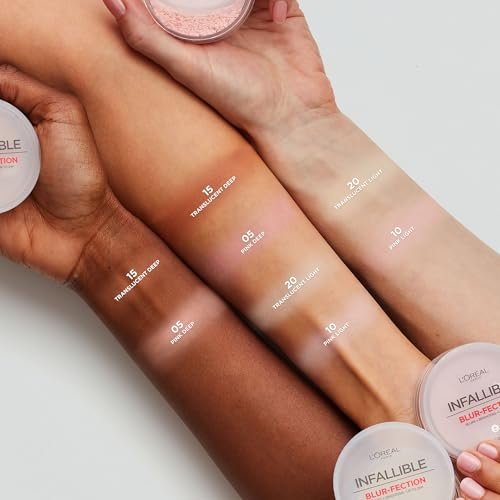
Using too much powder, especially in dry or textured areas, can make the skin look flat, matte, and dry. This negates the dewy, healthy look that natural makeup aims for. Use powder only in areas prone to oiliness, like the T-zone, and apply it with a light touch.
- Incorrect Brow Filling: Overfilling or using a pencil that's too dark can make brows look drawn on. Opt for a shade that matches your hair color and use short, feathery strokes to mimic natural brow hairs. Exploring options like eyebrow powder can provide a softer application than pencils.
- Heavy Eyeliner: A thick, dark, and sharp eyeliner can be the opposite of natural. If you use liner, a soft pencil smudged along the lash line in a neutral or dark brown shade is often more subtle.
Expert Tips for Effortless Enhancement
Achieving an effortlessly natural makeup look comes down to a few refined techniques and smart product choices. These tips, gathered from industry professionals and consistent user feedback, help ensure your makeup enhances your features subtly, appearing as a natural extension of your own skin.
- Spot Conceal, Don't Cover All: Instead of applying concealer all over, use it strategically. Target dark under-eye circles, redness around the nose, or any blemishes. Blend the edges very carefully so it becomes invisible against your skin.
- Embrace Your Skin's Texture: Natural makeup celebrates healthy skin. If you have freckles or subtle texture, don't try to completely cover them. Light coverage products will allow these natural features to show through, adding to the authentic look.
- Strategic Setting: If you need to set your makeup, use a fine-milled translucent powder and apply it only where necessary, typically the T-zone, to control shine. Avoid heavy application, which can create a matte, unnatural finish.
- Cream Products for Realism: For blush, bronzer, and even highlighter, cream formulas tend to blend more seamlessly into the skin, mimicking natural oils and flushed tones. This creates a dewy, lit-from-within appearance that powder products sometimes struggle to replicate. If you're looking for the best cream blush, our reviews highlight top-rated cream blush options that offer this realistic finish.
- Brow Grooming Over Filling: For a natural brow, focus on grooming. Brush them into place with a spoolie, and if you need to fill sparse areas, use a very light hand with a pencil or powder that matches your hair color. Overdone brows can detract from an otherwise natural look. If you're considering a more permanent enhancement, brow lamination kits can offer a natural, yet defined, look.
- Hydrated Lips are Key: A simple hydrating lip balm or a sheer tinted balm is often all that's needed for natural-looking lips. It adds a touch of color and keeps lips looking healthy and plump.
Frequently Asked Questions About Natural Makeup
How long does it take to achieve a natural makeup look?
Typically, a natural makeup look can be achieved in 5 to 15 minutes. This timeframe depends on your skin preparation, the number of products you use, and your comfort level with the application techniques.
What's the difference between tinted moisturizer and BB cream?
Tinted moisturizers offer very light coverage and focus on hydration, providing a sheer wash of color. BB creams (Beauty Balms) generally offer slightly more coverage and often include additional skincare benefits like SPF, antioxidants, or primers, while still aiming for a natural finish.
Can I wear foundation for a natural look?
Yes, you can. The key is to choose a lightweight, dewy, or natural-finish foundation and apply it sparingly. You can also dilute a medium-coverage foundation with a bit of facial oil or moisturizer to sheer it out for a more natural appearance.
What kind of concealer is best for a natural look?
Look for hydrating, creamy concealers that offer medium coverage. These are less likely to crease or look cakey. The best approach is to apply it only where needed, such as under the eyes or on blemishes, and blend it seamlessly into your base.
How do I prevent makeup from looking cakey?
Avoid over-applying product, especially foundation. Ensure your skin is well-hydrated and exfoliated. Use lightweight formulas and blend thoroughly with a damp sponge or soft brush.
Applying a setting spray can also help meld the makeup into the skin for a more natural finish.

One Comment