What Is the Best Body Wash for Dry Skin?
So, you're wondering: what is the best body wash for dry skin? It's a question many of us ask, especially when that tight, itchy feeling sets in after you step out of the shower. Finding the right cleanser isn't just about basic hygiene; it's about treating your skin with kindness and helping it retain its natural moisture.
Our research indicates that many popular body washes can actually worsen dryness due to harsh ingredients. For instance, standard cleansing bars often have a pH level around 9, which is significantly more alkaline than healthy skin’s natural pH of about 4.7 to 5.75. That’s why selecting a body wash specifically formulated for dry skin is so important.
Quick Answer
The best body wash for dry skin is one that gently cleanses without stripping natural oils, prioritizing hydrating ingredients. Look for formulas free from sulfates, artificial fragrances, and dyes, and rich in emollients like shea butter or oils, and humectants such as glycerin. These products help maintain your skin barrier, leaving it feeling soft and comfortable, not tight or irritated.
What's Really Going On With Dry Skin After Showering?
The Real Problem: Your Skin's Thirsty SOS
That uncomfortable feeling of tightness, flakiness, or even itching after a shower isn't just in your head. It's a clear signal that your skin's natural moisture barrier might be compromised. Our skin barrier, a complex layer of lipids and proteins, acts like a protective shield.
It keeps moisture in and irritants out.
When we use harsh cleansers, especially those with sulfates, they can strip away these essential oils. This leaves the skin vulnerable and prone to moisture loss. Think of it like washing a greasy pan with dish soap, it gets clean, but if you don't rinse it thoroughly and maybe even add a bit of oil back, it can feel dry and squeaky.
For your skin, that "squeaky clean" feeling is often a sign of dehydration.

Image source: Bing (Web (fair-use with source credit))
The goal of a body wash for dry skin isn't just to remove dirt and oil. It's to do so gently, while also replenishing some of the moisture that might be lost during the cleansing process. This helps maintain the skin's natural pH balance and keeps it supple.
What to Look For: Your Hydration Ingredient Checklist
When you’re scanning the aisles for a body wash that will be kind to your dry skin, pay close attention to the ingredient list. Some components are champions at hydration and skin support, while others can be real troublemakers.
The Superstars: Ingredients That Actually Help
These ingredients are your best friends when battling dry skin. They work in different ways to keep your skin hydrated and happy.
Emollients: These are ingredients that soften and smooth the skin. Think of rich, creamy substances that fill in the gaps between skin cells, creating a smoother surface.
- Shea Butter: A classic moisturizer known for its rich, fatty acids.
- Coconut Oil: Penetrates the skin well and provides deep hydration.
- Jojoba Oil: Structurally similar to our skin's natural sebum, making it easily absorbed.
- Argan Oil: Packed with Vitamin E and essential fatty acids for nourishment.
Humectants: These ingredients attract water from the environment and draw it into your skin. They act like tiny sponges, pulling in moisture.
- Glycerin: A common and effective humectant found in many skincare products.
- Hyaluronic Acid: A powerful moisture-binder that can hold up to 1,000 times its weight in water.

Image source: Web (Bing) / scribd.com (Web image (fair-use with source credit))
Ceramides: These are naturally occurring lipids (fats) in your skin that are crucial for forming a strong protective barrier. Replenishing ceramides helps your skin retain moisture more effectively and wards off environmental damage.
Colloidal Oatmeal: This finely ground oatmeal has been used for centuries to soothe irritated and itchy skin. It has anti-inflammatory properties that can calm redness and discomfort associated with dryness.
The Saboteurs: What to Leave on the Shelf
On the flip side, certain ingredients, while common in many body washes, can exacerbate dryness. It's wise to avoid these if your skin tends to be parched.
Sulfates (like Sodium Lauryl Sulfate, SLS, and Sodium Laureth Sulfate, SLES): These are potent detergents responsible for creating lather. While effective at removing dirt and oil, they can be overly stripping for dry and sensitive skin types, removing natural oils too aggressively.
Artificial Fragrances and Dyes: Many synthetic fragrances and artificial colors can be irritants. They don't add any beneficial properties to the body wash and can trigger reactions like redness, itching, or further dryness, especially for those with compromised skin barriers.
Certain Alcohols (like Alcohol Denat., SD Alcohol): While not all alcohols are bad for skin (fatty alcohols can be moisturizing), some types, particularly short-chain alcohols, can be drying. Check the ingredient list carefully, as these are sometimes used as solvents or preservatives.
Body Wash Types: Creamy, Oily, or Fragrance-Free?
When you're shopping, you'll notice body washes come in various formulations. Understanding what each type is best for can help you zero in on the perfect product for your dry skin needs. It's not just about the ingredients, but the overall feel and performance.
Creamy & Lotion-Like: Rich Hydration
These body washes often feel thicker and more luxurious in texture. They are typically formulated with a higher concentration of emollients and conditioning agents. The texture itself provides a soothing sensation as you lather, and they leave a subtle moisturizing film on the skin after rinsing.
- Who it's best for: Individuals with consistently dry or very dry skin who want a deeply hydrating experience. These are also good for mature skin that tends to lose moisture more easily.
- Things to watch out for: If your skin is also prone to breakouts, these richer formulas might feel a bit heavy. Ensure they are non-comedogenic if that's a concern.
Oil-Infused: Extra Nourishment Power
As the name suggests, these body washes contain a blend of beneficial oils. The oils not only help to cleanse but also provide a significant dose of moisture and nourishment to the skin. They are excellent at helping to lock in hydration during the washing process.
- Who it's best for: Those with extremely dry, rough, or flaky skin that needs an intensive moisture boost. They can also be good for skin that feels tight and uncomfortable after washing with other types of body wash.
- Things to watch out for: Make sure the oils used are good for your skin type. Some oil-infused washes might leave a slightly more noticeable residue if not rinsed thoroughly, so a good rinse is key.
Fragrance-Free & Hypoallergenic: The Gentle Choice
These body washes are formulated to minimize the risk of irritation and allergic reactions. They are free from added perfumes, essential oils, and often dyes, which are common culprits for sensitive skin. The "hypoallergenic" label suggests that the product is formulated to be less likely to cause an allergic response.
- Who it's best for: Anyone with sensitive skin, allergies, or conditions like eczema or psoriasis that are aggravated by fragrances and dyes. They are often the safest bet for very dry skin that easily becomes irritated.
- Things to watch out for: The lack of fragrance means you won't get that "spa-like" scent experience, which some people miss. However, for skin health, this is often a worthwhile trade-off.
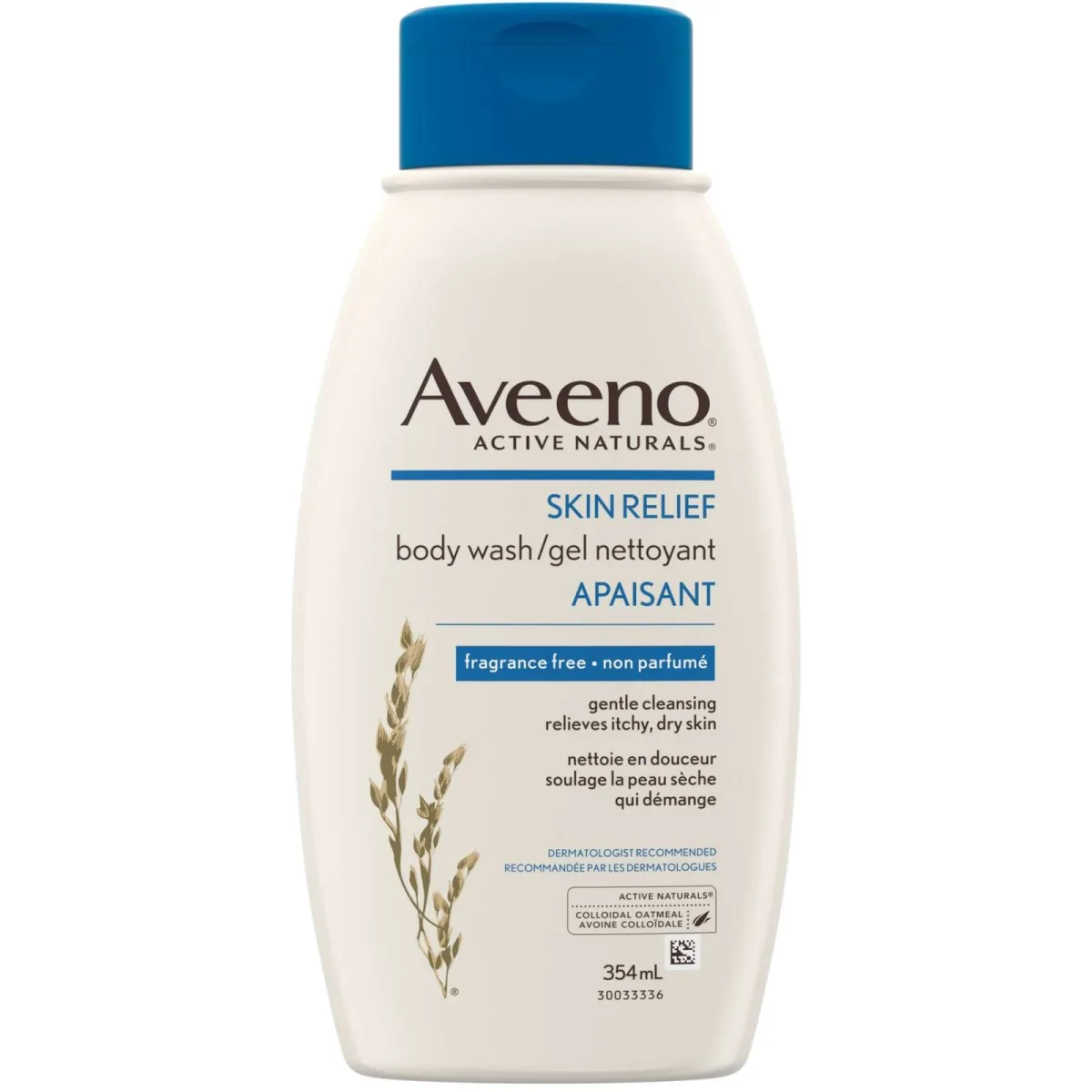
Image source: Bing (Web (fair-use with source credit))
Putting It to the Test: How to Pick Your Perfect Match
Navigating the world of body washes can feel overwhelming, but by focusing on a few key steps, you can make a confident choice that benefits your dry skin. It's about more than just grabbing a bottle off the shelf; it's a mini-decision process.
Reading Between the Lines: Decoding Labels
The ingredient list is your most powerful tool. When you're comparing products, spend a moment to look for those hydrating superheroes we discussed, like glycerin, shea butter, or hyaluronic acid. As of 2026, ingredient transparency is improving, but always be vigilant.
Conversely, actively avoid products that list sulfates (SLS/SLES) or prominent artificial fragrances and dyes high up on the ingredient list. If a product is labeled "for sensitive skin" or "hypoallergenic," it's a good sign it might be formulated without common irritants, but always cross-reference with the ingredient list. For those looking to simplify their beauty routine, focusing on a few key moisturizing ingredients can cut down on product confusion.
Beyond the Bottle: Texture and Scent
While ingredients are paramount, the sensory experience can also guide you. If possible, examine the texture. A creamier, thicker body wash often indicates more moisturizing agents are present.
Some manufacturers provide product descriptions that detail the texture, which can be helpful.
When it comes to scent, remember that "natural" fragrances from essential oils can still be irritating for some. If you've had reactions to essential oils in the past, or if your skin is particularly reactive, opting for a completely fragrance-free product is generally the safest approach. This aligns with building a basic nighttime beauty routine that prioritizes gentle care.
Sensitive Skin? The Patch Test Game
If your skin is extremely sensitive or prone to allergic reactions, a patch test is a smart move before committing to a full-size bottle. Apply a small amount of the new body wash to an inconspicuous area of skin, like your inner forearm or behind your ear. Leave it on for the duration you'd normally use a body wash, then rinse.
Wait for at least 24 to 48 hours to see if any redness, itching, or irritation develops. If the patch test shows no adverse reaction, it's likely safe to use on the rest of your body. This caution is similar to how one might approach what beauty products to avoid when dealing with known sensitivities.
Common Body Wash Mistakes That Make Dry Skin Worse
Even with the best intentions, it's easy to fall into habits or choose products that inadvertently sabotage your skin's hydration. Being aware of these common pitfalls can save your skin a lot of discomfort.
Over-foaming & Harsh Cleansers
One of the biggest mistakes is assuming that a lot of lather means a better clean. Many body washes that produce abundant, fluffy foam do so because they contain harsh sulfates like SLS or SLES. While these create the satisfying suds, they are also highly effective at stripping away your skin's natural, protective oils.
This aggressive cleansing can leave your skin feeling tight, dry, and even raw. It disrupts the skin barrier, making it more susceptible to moisture loss and environmental irritants. If you find your skin feels "squeaky clean" after showering, that's often a sign that you've stripped away too much natural oil.
Ignoring Ingredients: The Real Culprits
Another common error is not scrutinizing the ingredient list. Many people choose body washes based on scent or brand name alone, without considering what's actually in the formula. Ingredients like artificial fragrances, dyes, and certain alcohols can be significant irritants for dry and sensitive skin.
For example, a product might be labeled as "moisturizing" but still contain alcohol high up on the ingredient list, which can counteract the hydrating benefits. Understanding which ingredients to seek out and which to avoid is crucial for effective skincare. This knowledge is key to building a beauty routine on a budget that focuses on efficacy rather than just price.
Expert Tips for Happy, Hydrated Skin All Year
Beyond choosing the right body wash, a few simple practices can significantly improve your skin's hydration and overall health. These tips are about enhancing the effectiveness of your chosen cleanser and supporting your skin barrier.
First, try to limit your shower time. Long, hot showers can strip your skin of natural oils more quickly than shorter, lukewarm ones. Aim for showers that are 5 to 10 minutes long and use water that is comfortably warm, not scalding hot.
Second, when you're done washing, gently pat your skin dry with a soft towel instead of rubbing vigorously. This helps to leave a little bit of moisture on your skin's surface. Immediately after patting dry, apply a good moisturizer.
Look for products containing ceramides, hyaluronic acid, or rich emollients to lock in that hydration. This step is critical for maintaining soft, comfortable skin, especially if you're wondering how to keep my skin looking fresh.
Finally, consider the overall environment. In dry climates or during winter months, using a humidifier in your home can add moisture to the air, which benefits your skin. Regularly assessing your beauty products and habits, perhaps by how often you should change your beauty routine, can also help identify and address potential dryness triggers.
FAQs About Body Wash for Dry Skin
What is the most important ingredient to look for in a body wash for dry skin?
The most important ingredients are generally emollients like shea butter or plant oils, and humectants such as glycerin or hyaluronic acid. These work together to soften skin and draw moisture into it.
Can scented body washes be used on dry skin?
While some people with dry skin tolerate scented products, it's generally recommended to avoid artificial fragrances. They can be irritating and exacerbate dryness. Fragrance-free options are typically the safest bet for sensitive or dry skin.
How often should I use a hydrating body wash?
A hydrating body wash can be used daily for cleansing, especially if your skin feels dry or tight. It's designed for regular use to gently clean and moisturize.
Is it okay to use bar soap if I have dry skin?
Traditional bar soaps are often more alkaline and can be very drying, making them generally unsuitable for dry skin. Look for syndet bars (synthetic detergent bars) specifically formulated for dry or sensitive skin if you prefer a bar format.
How quickly should I moisturize after showering with dry skin?
You should apply moisturizer within 3 to 5 minutes of stepping out of the shower while your skin is still slightly damp. This helps to trap the moisture on your skin.