How Often Should I Change My Beauty Routine?

Image source: Web (Bing) / pxhere.com (Web image (fair-use with source credit))
When Your Skin's Sending Signals: How Often to Change Your Beauty Routine
You're probably wondering, "How often should I change my beauty routine?" It's a common question, and the honest answer is, it's not about a strict calendar. Your skin is a dynamic organ, responding to internal and external factors every single day.
Think of your skincare as a conversation with your skin, not a monologue. What worked a few months ago might not be the best choice now, and that's okay. We'll look at how to understand these signals and make smart adjustments.
Quick Answer
You should change your beauty routine when your skin shows signs of imbalance or when your goals evolve. There's no fixed timeline, but seasonal shifts and specific skin concerns like breakouts or dryness are key indicators. Aim to assess your skin's needs every 3-6 months.
When Your Skin's Sending Signals: What Are the Signs You Need a Change?
Your skin is constantly communicating with you. It’s not about hopping from one trendy product to another; it's about learning to read its messages. When your skin's happy and balanced, you might not need to do much.
But if you start noticing certain things, it’s a sign that something in your current routine might not be serving you anymore.
This is where understanding your own skin type and its unique needs becomes crucial. For instance, if you have oily skin, a rich, heavy cream that felt great in winter might cause congestion and breakouts as the weather warms up. Similarly, if your skin is normally balanced but suddenly feels tight and dry, that’s a clear signal for adjustment.
Is Your Routine Still Working Wonders?
A good skincare routine is one that consistently delivers the results you want. This means your skin feels comfortable, looks clear, and any concerns you had are being managed. If you've found a routine that's been keeping your skin in check for a while, that's fantastic.
You don't need to change things just for the sake of it. Consistency is often the secret ingredient to seeing improvements with active ingredients.
Spotting the Red Flags: Breakouts, Dryness, and Dullness
If your skin starts acting up, it's trying to tell you something. Are you suddenly experiencing more breakouts than usual, even if you don't typically struggle with acne? This could mean a product is too comedogenic, meaning it’s clogging your pores.
Or, perhaps your skin feels persistently dry, tight, or flaky, even after moisturizing. This indicates a need for more hydration or richer emollient ingredients.
Dullness, where your skin loses its natural radiance and looks tired, can also be a sign. It might mean your skin isn't exfoliating effectively, or it's lacking vital nutrients and hydration. These aren't just minor annoyances; they're direct indicators that your current regimen might need a thoughtful adjustment.
The Seasonal Skin Shift: Adapting to Weather's Whims
The changing seasons are one of the most common and sensible times to re-evaluate your beauty routine. As the climate shifts, so do your skin's needs. What works in the dry, chilly air of winter will feel very different in the humid, warm air of summer.
For example, the U.S. Environmental Protection Agency (EPA) reports significant regional variations in UV index throughout the year, which directly impacts skin's sun protection needs.

Image source: Web (Bing) / pinterest.com (Web image (fair-use with source credit))
Spring into Lighter Formulas
As winter fades, your skin typically needs less intense moisture. The heavy creams you relied on to combat harsh cold and low humidity can start to feel too rich. This is the perfect time to transition to lighter lotions or gel-based moisturizers.
These still provide hydration but are less likely to feel heavy or contribute to clogged pores as temperatures rise.
Summer Essentials: Staying Cool and Protected
Summer brings heat and humidity, and often, increased sun exposure. Your focus should shift to lightweight, non-comedogenic products that keep your skin hydrated without feeling greasy. Sunscreen becomes paramount.
Manufacturer specifications for SPF products often recommend reapplication every two hours when in direct sun. You might also consider oil-free formulations or even water-based serums to keep your skin feeling fresh.
Autumn's Embrace: Reintroducing Richness
As the air begins to cool and humidity levels drop in autumn, your skin will likely start craving more nourishment. This is when you can begin to reintroduce richer moisturizers. Look for ingredients like ceramides and fatty acids, which help to strengthen your skin's natural barrier.
A hydrating serum used before your moisturizer can add an extra layer of comfort.
Winter's Shield: Locking in Moisture
Winter is often the most demanding season for skin. Cold outdoor air combined with dry indoor heating can strip your skin of its natural moisture. Your routine should prioritize hydration and barrier repair.
This means opting for thicker creams, perhaps even balms, and ensuring you're not using anything that could further dry out your skin, like overly harsh cleansers or exfoliants.
Beyond Seasons: When Goals and Life Calls for a Reset
While seasonal changes are a natural trigger for routine adjustments, there are other significant life events and evolving personal goals that warrant a look at your skincare. Your skin doesn't exist in a vacuum; it’s influenced by your overall health and your aspirations for its appearance.
Aligning Your Routine with Evolving Skin Goals
What you want from your skincare can change over time. You might have spent your twenties focused on managing acne and preventing breakouts. As you move into your thirties and beyond, your priorities might shift towards concerns like fine lines, wrinkles, and maintaining elasticity.
Addressing these different goals requires different active ingredients and product types. For instance, while salicylic acid is excellent for acne, ingredients like retinol and peptides are often recommended for anti-aging.
Hitting a Skincare Plateau: What Now?
Have you ever felt like your trusty products just aren't giving you the same results anymore? This is known as hitting a skincare plateau. Your skin might become accustomed to certain ingredients, making them less effective over time.
When you notice your skin isn't responding as it used to, or you're not seeing the improvements you once did, it's a clear sign to consider a change. This might involve introducing new active ingredients or rotating products.
Life's Curveballs: Stress, Hormones, and Diet's Impact
Our internal state profoundly affects our skin. Significant stress, hormonal fluctuations (like during menstruation or menopause), and even changes in your diet can all manifest on your skin. For example, increased stress can trigger inflammation, leading to breakouts.
A diet high in refined sugars might contribute to a duller complexion. Recognizing these connections means understanding that your skincare might need to adapt not just to external conditions, but to your internal well-being too.
Common Skincare Stumbles: Mistakes to Sidestep
Making changes to your skincare routine can be exciting, but it's also easy to fall into a few common traps. These mistakes can not only hinder your progress but sometimes even make your skin concerns worse. Being aware of them can help you navigate adjustments more effectively and get closer to your skin goals.
The "New Product Panic" Trap
It’s tempting to throw out everything if a new product causes a minor issue, but patience is key. Many active ingredients, especially those for exfoliation or cell turnover, require time to show results and for your skin to adjust. Our research indicates that many ingredients need at least 4-6 weeks of consistent use to demonstrate noticeable benefits.
Introducing a new product and deciding it doesn't work after just a few days can mean missing out on significant improvements.
Ditching Products Too Soon (or Too Late)
On the flip side, you can also hold onto ineffective products for too long. If a product has been in your routine for a solid month or two (especially if it contains actives) and you're seeing no positive changes, or worse, negative ones, it's probably not the right fit. Conversely, if a product is causing immediate irritation, redness, or burning, don't wait it out.
Manufacturer guidelines for some sensitive skin formulations suggest discontinuing use if immediate adverse reactions occur. Listen to your skin; if it’s screaming, don't ignore it.
Expert Insights: Listening to Your Skin Like a Pro
Understanding your skin isn't just about knowing product ingredients; it's about developing a keen sense of observation. Dermatologists and estheticians spend years honing their ability to interpret skin's signals. They emphasize that your skin's condition is a complex interplay of genetics, environment, and lifestyle.
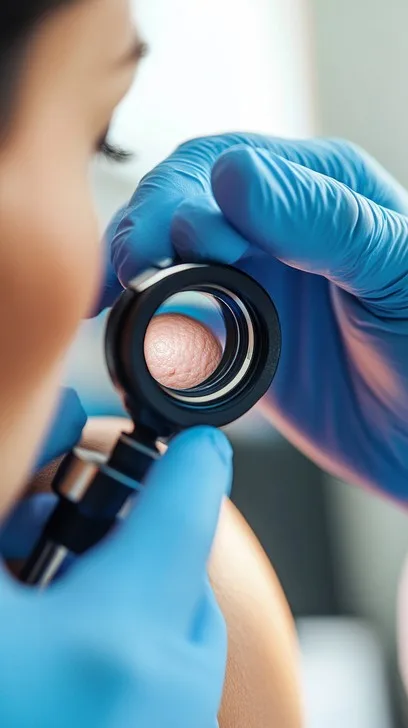
Image source: Web (Bing) / stockcake.com (Web image (fair-use with source credit))
Dermatologist-Approved Adjustment Triggers
Professionals often look for specific indicators when advising on routine changes. These include persistent redness or inflammation that doesn't subside, a compromised skin barrier (which might feel tight, flaky, and sensitive), or the appearance of new or worsening acne. They also consider changes in skin texture, such as enlarged pores or a loss of firmness, as cues for targeted interventions.
For example, a study published in the Journal of Investigative Dermatology highlighted how environmental pollutants can impact skin barrier function, necessitating adjusted protective measures.
Navigating Your Next Step: A Personalized Decision Guide
Deciding when and how to alter your beauty routine comes down to a few core principles: observation, intention, and patience. It’s less about a strict schedule and more about responding intelligently to your skin’s evolving needs. Think of it as a gentle dance rather than a drastic overhaul.
When to Stick with What You've Got
If your skin is generally clear, comfortable, and meeting your expectations, there's no urgent need for a change. Consistency is key for many skincare ingredients to work effectively. For example, many dermatologists recommend using retinoids for at least three to six months to see their full anti-aging and texture-improving benefits.
If your current routine is delivering those benefits, maintain it.
When to Introduce New Players
A change is warranted when you encounter specific skin concerns or your goals shift. For example, if you're noticing fine lines, incorporating a product with retinol or peptides might be beneficial. When introducing new products, especially those with active ingredients, do so one at a time and patch-test first.
This allows you to identify any potential sensitivities or adverse reactions without complicating the evaluation process.
When to Reassess Your Entire Game Plan
Sometimes, a minor tweak isn't enough. If your skin consistently underperforms, or if you’ve undergone significant life changes like a major diet overhaul or a stressful period, it might be time for a more comprehensive review. This could involve revisiting your cleansing habits, exploring different types of moisturizers, or targeting specific concerns with serums.
Consulting with a dermatologist can provide professional guidance during these more significant reassessment phases.
Frequently Asked Questions About Routine Changes
How long should I use a new product before deciding if it works?
You should typically use a new skincare product consistently for at least four to six weeks before evaluating its effectiveness. This allows your skin time to adjust and for active ingredients to show their full benefits. For some ingredients, like retinoids, it might take up to three to six months.
Should I change my routine if my skin is breaking out?
Yes, a breakout is a strong signal that your current routine might not be suitable. Evaluate your products for pore-clogging ingredients, consider if you've introduced anything new, and ensure your cleansing routine is effective. A gentle, non-comedogenic approach is often best for breakout-prone skin.
What's the difference between adjusting and completely changing a routine?
Adjusting usually means swapping out one or two products or slightly altering application methods. A complete change involves replacing most or all of your core products and potentially rethinking your entire skincare philosophy based on new goals or concerns.
Is it okay to use different products in the morning and at night?
Absolutely. This is a common and recommended practice. Your morning routine often focuses on protection (like SPF), while your nighttime routine can focus on repair and treatment with more potent active ingredients that might make your skin more sun-sensitive.
Can stress really mess up my skin enough to warrant a routine change?
Yes, stress significantly impacts your skin. It can disrupt your skin barrier, increase inflammation, and exacerbate conditions like acne or eczema. When experiencing prolonged stress, you might need to simplify your routine, focus on soothing ingredients, and ensure adequate hydration.