Does Nail Polish Expire?
Ever stare at your nail polish collection, wondering if that vibrant shade you haven't touched in ages is still good to go? It's a common question, and the simple answer is: yeah, it can. But "expire" isn't always a hard and fast date like milk.
It's more about when your polish starts to lose its magic or, even worse, becomes a bit… off.
Think of it like this: nail polish is a mixture of solvents, pigments, and film-formers. Over time, these ingredients can change. The solvents, which keep the polish liquid, can evaporate.
The pigments might separate. And that's when you start seeing the signs that your polish isn't performing its best. Manufacturer specifications generally suggest that properly stored nail polish maintains optimal quality for up to two to three years.
Quick Answer
Yes, nail polish can expire and go bad. It typically lasts two to three years if stored correctly. Signs of expiration include thickening, separation that won't mix, color changes, and unpleasant odors.
Using expired polish can lead to poor application and a less durable finish.
Signs Your Nail Polish Has Expired
So, how do you know if your polish has seen better days? It’s usually pretty obvious if you know what to look for. If your polish is no longer performing as it should, it's probably time to consider letting it go.
- It's gotten thick and gloopy: This is the most common sign. If your polish is so thick that it's hard to even get out of the bottle or apply smoothly, the solvents have likely evaporated. You can sometimes thin it out with a special nail polish thinner (not remover!), but if it's super thick, it might be time to let it go.
- It's separating and won't mix: You know how some nail polishes need a good shake? That's normal. But if you shake and shake, and the color still looks streaky or you see distinct layers that just won't blend, that's a bad sign. The pigments and the base have broken down.
- The color looks weird: Has the vibrant red turned a murky brownish-red? Or has a sheer polish become opaque and chunky? Changes in color saturation or tone can indicate spoilage.
- It smells funky: Fresh nail polish has a distinct chemical smell. If it starts smelling sour, rotten, or just plain wrong, it's definitely past its prime.
- It's not drying properly: Even if it looks okay, if your polish takes forever to dry or stays tacky, it's likely lost its effectiveness.
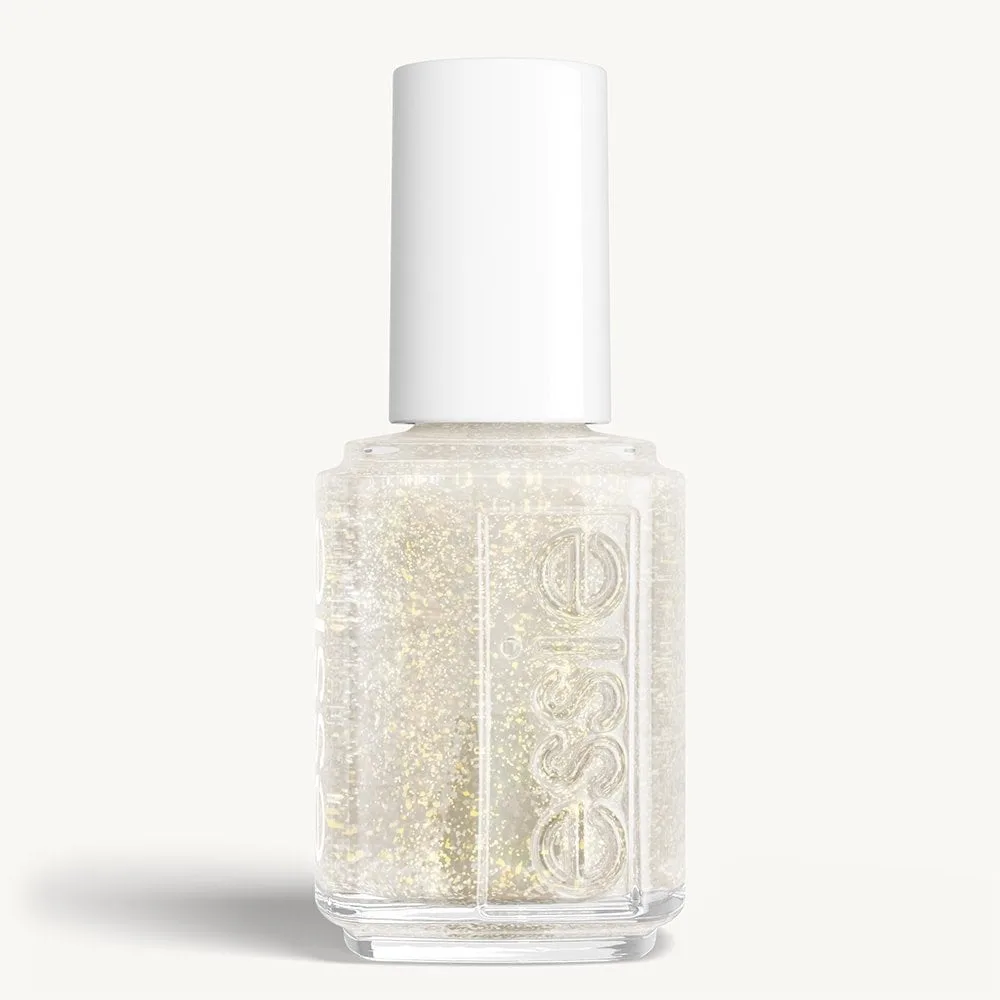
Image source: Bing (Web (fair-use with source credit))
Using expired nail polish can lead to issues with application, such as streaking or uneven coverage, and it might not last as long on your nails. While an expired product is unlikely to cause serious health problems, it certainly won't give you the manicure you're hoping for. You might want to revisit how to make your beauty routine more effective to ensure all your products are performing optimally.
How Long Nail Polish Usually Lasts
This is where it gets a bit less precise. There’s no official "expiration date" printed on most bottles, unlike many skincare or makeup items. However, our analysis of manufacturer recommendations and common user experiences indicates a general lifespan for nail polish, assuming it's stored properly.
Generally speaking, you can expect most nail polishes to maintain their best quality for 2 to 3 years. This timeline is based on the typical evaporation rate of the solvents within the formula and the stability of the pigments.
- Opaque/Cream Polishes: These tend to have the longest lifespan, often holding up well for the full 2 to 3 years. Their formulations are generally quite stable.
- Glitter/Special Effect Polishes: These can sometimes have a slightly shorter effective life, perhaps 1 to 2 years. The larger, more varied particles (glitter, flakes) can sometimes cause issues with separation or can be more prone to settling in a way that’s difficult to remix.
- Gel Polishes (in the bottle): While gel polish once cured on the nail lasts weeks, the liquid product itself still has a shelf life. It typically lasts 1 to 2 years before it might start to thicken or cure incorrectly in the bottle.
Important Note: These are just general guidelines. Your personal experience might vary depending on how you store your polishes and the specific brand's formulation.
Nail Polish Lifespan: By Type and Formulation
The type of nail polish you have can significantly influence how long it remains in good condition. Different formulations have distinct ingredients and structures that affect their stability over time. Understanding these differences can help you manage your collection better and know what to expect.
Opaque and Cream Polishes
These are your everyday, go-to polishes. They typically consist of pigments suspended in a solvent base. Their relatively straightforward formulation means that, with proper storage, they are quite durable.
You can generally rely on these to perform well for two to three years. Their uniformity helps in maintaining a consistent texture and color.
Glitter and Special Effect Polishes
Polishes with glitter, holographic particles, or other special effects are more complex. These contain larger, varied elements that are suspended alongside the pigments. Over time, these larger particles can settle more dramatically, or the solvents might react differently with the various components.
This can sometimes lead to a shorter usable life, often around one to two years, before they become difficult to mix or apply smoothly.
Gel Polishes
Gel nail polish is a different beast. It's a liquid formula that cures and hardens under a UV or LED lamp. While the cured gel on your nails can last for weeks, the unapplied gel polish in the bottle has its own lifespan.
Manufacturer specs indicate that gel polish typically remains viable for about one to two years. After this period, the solvents and photoinitiators can degrade, leading to thickening or improper curing, rendering it less effective for application.
For any beauty product, including nail polish, the general rule is to assess its condition before use. If you're unsure about a product's state, it's always better to be cautious. For more general advice on product longevity, you might find how should I store beauty products? helpful.
When to Worry: Smells, Separation, and Texture Changes
The most telling signs that your nail polish has gone bad are changes in its physical properties. These aren't subtle hints; they're clear indicators that the chemical balance of the polish has shifted significantly. Pay close attention to these attributes, as they are your primary diagnostic tools.
Smells That Signal Trouble
Fresh nail polish has a characteristic chemical odor due to the volatile solvents like ethyl acetate and butyl acetate. This smell is normal. However, if your nail polish begins to emit a foul, sour, or rotten smell, it's a strong warning sign.
This indicates that the solvents may have degraded or that bacterial contamination has occurred, which is undesirable.
Separation That Won't Mix
Nail polishes, especially those with metallic or shimmer pigments, naturally experience some degree of ingredient separation. This is why shaking the bottle is a standard part of the application process. You'll see the liquid and the color pigment separate into distinct layers.
This is normal and usually fixable with a good shake or by rolling the bottle between your hands.
However, if you shake and shake, or roll the bottle vigorously, and the pigment still appears streaky, chunky, or completely refuses to blend into a uniform liquid, the suspension agents may have broken down. This signifies that the polish's components are no longer compatible, and it's likely past its prime.
Texture and Consistency Changes
The ideal nail polish consistency is a smooth, flowing liquid that coats the brush evenly. When polish starts to expire, it most commonly becomes thicker and more viscous.
- Thickening: This is the most frequent symptom of an aging polish. The solvents, which are responsible for keeping the polish liquid, gradually evaporate over time, even with the cap tightly sealed. If your polish is difficult to pick up with the brush, strings out excessively, or applies in thick, unmanageable blobs, the solvents have likely diminished too much.
- Clumping or Graininess: Some polishes, particularly those with glitter or metallic flecks, might develop a grainy or clumpy texture even when mixed. This suggests that the larger particles are not suspending properly anymore.
When these texture changes occur, the polish becomes difficult to apply evenly and may not dry correctly, leading to a poor manicure. As part of a healthy beauty regimen, knowing when to discard old products is key. You might want to explore what beauty habits should you develop? for a holistic approach.
Storing Nail Polish for Maximum Lifespan
Proper storage is the single most crucial factor in extending the life of your nail polish. Nail polish is sensitive to its environment, and a few simple habits can make a significant difference in keeping your favorite shades usable for years. Think of it as giving your polishes a comfortable home where they won't degrade too quickly.
Here’s how to keep your polishes happy:
- Always Seal It Tight: After every single use, make sure you screw the cap on your nail polish bottle as tightly as you can. Those volatile solvents can escape even through a slightly loose cap, leading to rapid thickening. A good, secure seal prevents unnecessary evaporation.
- Store Upright: This is a game-changer. Always store your nail polish bottles standing upright. This position prevents the liquid from leaking onto the cap and the brush, which can cause the polish to dry and harden around the seal. An upright position also helps keep the pigments and solvents in better contact, promoting stability.
- Keep It Cool and Dark: Heat and direct sunlight are the arch-nemesis of nail polish. Exposure to high temperatures or UV rays can accelerate the evaporation of solvents and degrade the pigments and film-formers. Store your polishes in a cool, dark place, like a dresser drawer, a beauty box, or a dedicated shelf in a closet. Avoid storing them on windowsills or in direct light.
- Avoid Temperature Extremes: Don't leave your nail polish in places that experience drastic temperature changes. This includes areas like a car (which can get very hot or very cold) or uninsulated garages. Consistent, moderate temperatures are best for preserving the integrity of the polish.

Image source: Bing (Web (fair-use with source credit))
Following these storage guidelines can help prevent premature thickening and separation, ensuring your polishes are ready to use when you are. For more on preserving your beauty items, consider how should I store beauty products?.
FAQ: Your Nail Polish Expiration Questions Answered
Can I still use nail polish if it's a bit thick?
Yes, you can often still use nail polish that has thickened slightly. Try adding a drop or two of a specialized nail polish thinner (never remover, as that breaks down the polish) and gently roll the bottle between your hands to mix. If it remains unmanageably thick or gloopy, it's likely too old to salvage effectively.
What happens if I use expired nail polish?
Using expired nail polish typically results in poor application. It might be streaky, clumpy, or refuse to dry properly, leading to a chipped or uneven finish. In rare cases, very old polish could potentially harbor bacteria, but the primary issue is performance degradation.
It’s generally not a health hazard but a cosmetic one.
How can I tell if gel polish has expired?
Similar to regular polish, gel polish will show signs of aging. It may thicken significantly, become difficult to spread evenly, or fail to cure properly under the UV/LED lamp, remaining tacky. If the consistency or curing ability is compromised, it's time to replace it.
Does freezing nail polish damage it?
Yes, freezing nail polish can damage it. Extreme cold can cause the components to separate or destabilize, potentially affecting its texture and application when thawed. It's best to store polish at consistent room temperature, avoiding both heat and freezing conditions.
How should I dispose of old nail polish?
Do not pour old nail polish down the drain, as it can be harmful to water systems. Check with your local waste management facility for hazardous waste disposal guidelines. Some areas have specific collection points for chemicals and paints.