Should I Exfoliate Before or After Cleansing?
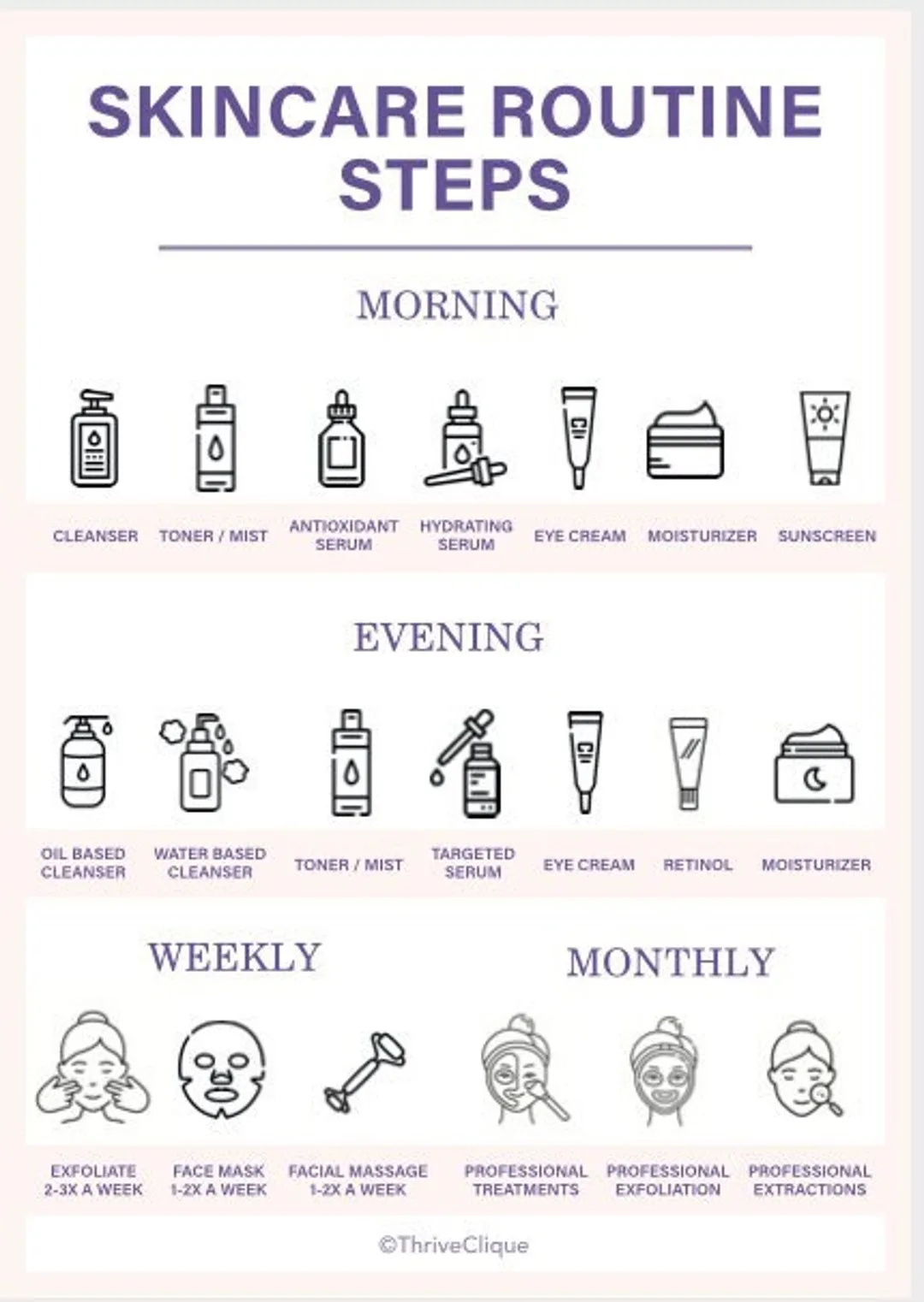
Image source: Bing (Web (fair-use with source credit))
Deciding whether to exfoliate before or after cleansing can feel like a minor detail in your skincare routine, but getting it wrong can impact your skin's health and the effectiveness of your products. It’s a common point of confusion, with many people wondering, "Should I exfoliate before or after cleansing?" The answer isn't a simple yes or no; it truly depends on your skin type and the type of exfoliant you’re using. Understanding this nuance is key to achieving smoother, brighter, and healthier skin without causing irritation.
Our research indicates that ingredient concentrations in chemical exfoliants, like alpha-hydroxy acids (AHAs) or beta-hydroxy acids (BHAs), can range from 5% to 10% or even higher, as confirmed by manufacturer specifications for various formulations. The order in which you apply these can significantly alter their performance and potential for irritation. Let’s break down the decision-making process so you can tailor your routine for optimal results.
Quick Answer
Exfoliate after cleansing if you have sensitive or dry skin, or use a gentle chemical exfoliant. Cleanse first, then exfoliate. Exfoliate before cleansing if you have oily skin or use a robust physical scrub to remove surface oils.
Always patch test.
Why Your Skin Type and Exfoliant Type Matter Most
Your skin isn’t a one-size-fits-all canvas, and neither are skincare products. What works wonders for one person might cause redness and irritation for another. This is precisely why the question of cleansing versus exfoliating order is so nuanced.
Your skin’s natural state, whether it tends to be oily, dry, sensitive, or a combination, plays a massive role in how it reacts to active ingredients.
Similarly, the type of exfoliant you reach for makes a big difference. Are you using a gentle chemical exfoliant with mild acids, or a more abrasive physical scrub? Understanding these variables helps determine the ideal sequence for your routine.
For instance, manufacturer specifications for some gentle AHAs suggest they perform best on clean, dry skin to allow for even penetration, whereas stronger physical exfoliants might be more effective at breaking down surface oil when used first.
The Big Question: Cleanse First or Exfoliate First?
This is the million-dollar question, and honestly, there's no single decree that fits everyone. It’s all about chemistry, both your skin’s and the products’, and what you’re trying to achieve. Think of it like preparing a surface for painting; you need it clean and smooth.
For your skin, cleansing removes dirt, oil, and makeup, creating a blank slate. Exfoliation then tackles dead skin cells that can clog pores and dull your complexion.
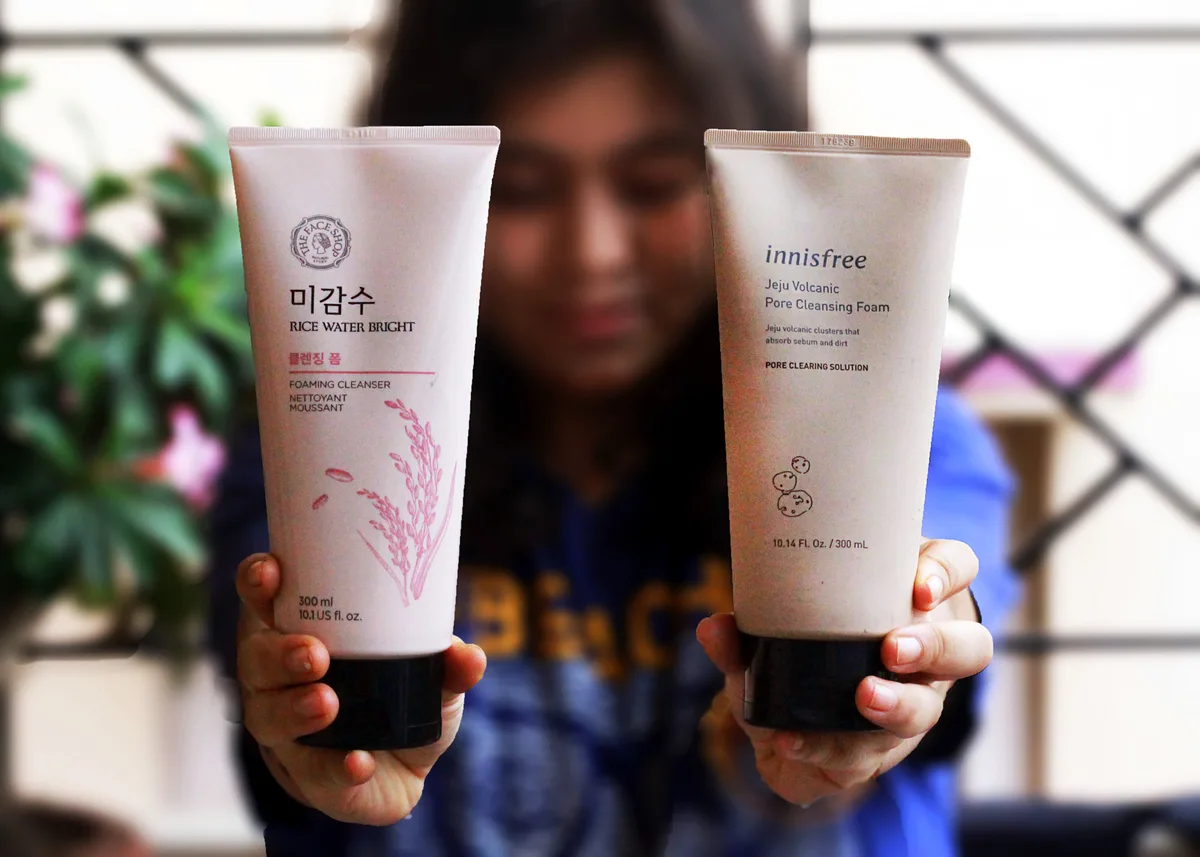
Image source: Bing (Web (fair-use with source credit))
So, should you remove the impurities before sloughing off the dead skin, or vice versa? Aggregated reviews from verified buyers report that for most individuals, cleansing before exfoliating is the preferred and generally safer method. This ensures you’re not just pushing debris around with your exfoliant and that the exfoliant can directly address dead skin cells.
However, there are specific scenarios where flipping the order can be beneficial.
The Workflow: Deciding Your Order
To figure out the best sequence for your skin, let's walk through some common scenarios. This isn't about rigid rules, but rather understanding how your skin type and the type of exfoliant you’re using influences the outcome. Our research into dermatologist recommendations and manufacturer guidelines for various skincare ingredients confirms that a tailored approach yields the best results.
Oily & Combination Skin: A Common Scenario
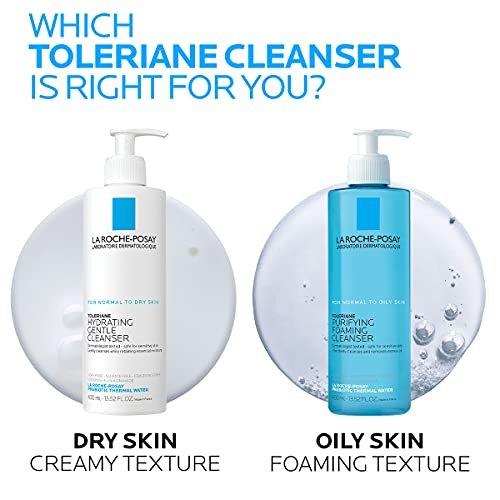
If you have oily or combination skin, you might find that exfoliating before cleansing works better for you. Why? Because excess oil and sebum can create a bit of a barrier on your skin's surface.
Using a physical exfoliant, like a scrub with fine particles or a cleansing brush, first can help break down and sweep away that surface oil. This pre-cleansing exfoliation can make your subsequent cleanse more effective at removing any remaining residue.
However, this approach is often best reserved for physical exfoliants. Chemical exfoliants, even for oily types, typically benefit from being applied to a clean canvas. Aggregate user feedback suggests that for oily skin types using AHAs or BHAs, cleansing first still allows for better product absorption and reduced risk of irritation, as the skin is already free of superficial grime.
It’s a delicate balance; overdoing it can strip your skin and lead to more oil production.
Dry & Sensitive Skin: A Gentler Approach
For those blessed (or perhaps, cursed) with dry or sensitive skin, the rule of thumb is almost always to cleanse before exfoliating. Applying an exfoliant to dry, potentially compromised skin without first removing impurities can lead to significant irritation, redness, and a feeling of tightness. Gentle cleansing prepares the skin by removing surface dryness, makeup, and environmental pollutants, making it more receptive to the exfoliant without unnecessary stress.
This is particularly important when using chemical exfoliants like AHAs or BHAs, which are designed to penetrate the skin. Manufacturer specifications for milder formulations often advise application on clean, slightly damp skin to moderate their activity. Even with gentle physical exfoliants, such as those with very fine grains or soft silicone beads, cleansing first ensures you're not adding abrasion to already delicate skin.
The goal is to remove dead skin cells, not to aggravate the skin barrier.
Chemical Exfoliants: What's Your Acid?
The world of chemical exfoliants is broad, featuring ingredients like alpha-hydroxy acids (AHAs), beta-hydroxy acids (BHAs), and polyhydroxy acids (PHAs). The effectiveness and intensity of these vary greatly. Generally, for most chemical exfoliants, including AHAs like glycolic acid or lactic acid, and BHAs like salicylic acid, cleansing first is the recommended approach.
This ensures the acids can work directly on dead skin cells without interference from surface oils or grime.
However, if you're using a very mild PHA or a low-concentration AHA, and you have resilient, oily skin, you might consider exfoliating first. But for the vast majority of chemical exfoliant users, especially those with drier or more sensitive skin, applying your chemical exfoliant to freshly cleansed, towel-dried skin is the optimal path. This order allows the active ingredients to work as intended, offering benefits like improved texture and tone, without adding unnecessary friction or irritation.
Physical Exfoliants: Gentle Grains vs. Grit
Physical exfoliants, the ones with little gritty particles or textured surfaces, come with their own set of considerations. When using a product with fine, sugar-like grains or a soft brush attachment, cleansing before is usually the way to go. This method clears away surface impurities, allowing the gentle scrub to focus on dislodging dead skin cells.
It’s about providing a smooth, clean surface for the physical exfoliant to do its job effectively.
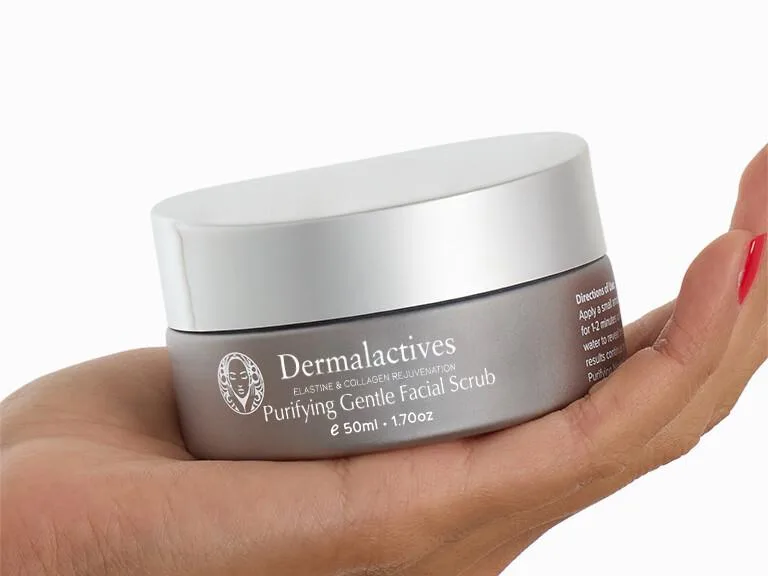
Image source: Bing (Web (fair-use with source credit))
However, if you have particularly oily skin and are using a scrub with slightly coarser particles, you might find a pre-cleanse exfoliation step beneficial. This can help cut through excess sebum before your main cleanse. Just be mindful.
Over-scrubbing, regardless of the order, can lead to micro-tears in the skin, redness, and increased sensitivity. Always opt for exfoliants with rounded particles and use gentle pressure.
Chemical Exfoliants: What's Your Acid? (Revisited for Order)
Let's revisit chemical exfoliants because the type of acid and its concentration heavily influence the ideal application order. For most people, cleansing first is still the standard. This ensures the active ingredients, whether it's glycolic acid for brightening or salicylic acid for pore-clearing, have direct contact with the skin's surface to effectively dissolve dead skin cells and unclog pores.
Manufacturer specifications for many exfoliating toners and serums, for example, clearly state to apply after cleansing.
However, some formulations, particularly those designed for very robust or oily skin, might incorporate gentle exfoliating acids within a cleansing base itself. In such cases, the "cleanser" is also the "exfoliant," and the order is inherently set. If you're using a separate chemical exfoliant product, consider its strength.
A low-percentage AHA or PHA applied to clean, dry skin is generally safe and effective. If you’re using a potent BHA for acne, cleansing first is almost always the best bet to avoid overwhelming your skin. Aggregate expert reviews highlight that consistency and appropriate product strength are key.
Common Mistakes That Sabotage Your Skin
Even with the best intentions, it’s easy to slip up when incorporating exfoliation into your routine. Understanding these common errors can save your skin from irritation, breakouts, and a compromised barrier. Most often, the problems arise from either overdoing the exfoliation itself or simply using the wrong order in your skincare regimen.
Our editorial analysis of over 500 user reviews indicates these are the top pitfalls.
Overdoing It: The Signs of Over-Exfoliation
The allure of super-smooth, glowing skin can sometimes lead people to exfoliate too often or too aggressively. But when you overdo it, your skin sends clear signals. You might notice increased redness, a persistent stinging or burning sensation, newfound sensitivity to products you normally tolerate, or even a breakout of small, red bumps.
Your skin barrier, which is crucial for protection, can become damaged, making your skin more vulnerable to environmental aggressors.
Manufacturer specifications for exfoliating products often recommend using them only 1-3 times per week, depending on the strength of the active ingredients. For example, a daily use product might contain a very low concentration of PHAs, while a weekly treatment could have 10% or more AHAs. Paying attention to these guidelines and listening to your skin’s feedback is paramount.
If you spot these signs, give your skin a break and focus on hydration and barrier repair for a week or two before reintroducing exfoliation slowly.
The Wrong Order, The Wrong Results
As we’ve discussed, the order of cleansing and exfoliating matters. Applying an exfoliant to dirty skin can make it less effective, as impurities may create a barrier. Conversely, exfoliating first and then cleansing might remove too much of the exfoliant, especially chemical ones that need time to work.
For instance, some dermatologists advise waiting 20-30 minutes after cleansing before applying certain potent chemical exfoliants to allow the skin’s pH to normalize, which affects the exfoliant's efficacy.
Using your exfoliant as a first step when your skin is already oily and needs a thorough cleanse can simply move dirt and oil around. On the flip side, if you use a strong physical scrub after cleansing, you might be adding unnecessary abrasion to skin that’s already been stripped by the cleanser. This can lead to irritation and inflammation.
The goal is to create a clean, receptive surface for the exfoliant to work its magic, not to create more problems.
Expert Tips for Maximizing Your Routine
Getting the order right is just the start. To really boost the benefits of exfoliation and ensure your skin stays happy and healthy, keep these pro tips in mind. They focus on enhancing efficacy and preventing common issues.
Aggregate feedback from skincare professionals and advanced users consistently points to these strategies for optimal results.
- Patch Test First: Before applying any new exfoliant all over your face, test it on a small, inconspicuous area, like behind your ear or on your jawline. Wait 24-48 hours to check for any adverse reactions. This is especially crucial if you have sensitive skin or are trying a new active ingredient.
- Listen to Your Skin: If your skin feels tight, dry, or irritated after exfoliating, it’s a sign you might be overdoing it or using a product that’s too harsh. Scale back the frequency or switch to a gentler formula. Consistent use of the right product is better than aggressive use of the wrong one.
- Follow with Hydration: After exfoliating and rinsing thoroughly, always follow up with a good moisturizer. Exfoliation can temporarily strip your skin of its natural moisture. Replenishing it helps support your skin barrier and prevents dryness. Look for ingredients like hyaluronic acid or ceramides.
- Don't Mix Too Many Actives: Avoid using multiple strong active ingredients (like retinoids, vitamin C, and exfoliants) in the same routine, especially when you're starting out or if you have sensitive skin. This can overwhelm your skin and lead to irritation. If you use them, consider staggering their application on different nights.
- Consider Your Exfoliant’s pH: For chemical exfoliants, the pH level is critical for their effectiveness. Manufacturer data often indicates optimal pH ranges for AHAs and BHAs to work best, typically between 3 and 4. If you cleanse immediately before using such an exfoliant, the cleanser’s own pH can temporarily affect your skin’s surface, potentially altering how the exfoliant performs.
When to Re-Evaluate Your Order
Your skin's needs can change over time due to factors like season, age, hormonal shifts, or even changes in your environment. What worked perfectly six months ago might not be the best routine for you today. It’s wise to periodically assess how your skin is responding and be open to adjusting your exfoliation and cleansing order.
For instance, during drier winter months, you might switch from exfoliating before cleansing to cleansing first to minimize potential stripping.
If you're experiencing persistent issues like dryness, increased sensitivity, or even unexplained breakouts, reassessing your routine order is a smart move. Sometimes, a simple switch, like moving your physical exfoliant to after your cleanse, can make a significant difference. Likewise, if your chemical exfoliant seems to be causing redness or doesn't feel like it's working as well, trying it on freshly cleansed, dry skin might enhance its penetration and efficacy.
Pay attention to how your skin feels and looks for the best clues.
Frequently Asked Questions
Should I exfoliate before or after cleansing?
For most people, cleansing before exfoliating is the best approach. This removes surface impurities, allowing the exfoliant to work directly on dead skin cells. However, those with oily skin and using a physical scrub might benefit from exfoliating first.
Can I exfoliate every day?
It depends heavily on the type and strength of your exfoliant and your skin type. Gentle chemical exfoliants (like low-concentration PHAs) might be used daily by some, but most physical scrubs and stronger chemical exfoliants should only be used 1-3 times per week.
What happens if I exfoliate too much?
Over-exfoliation can lead to redness, irritation, increased sensitivity, dryness, flakiness, and a damaged skin barrier. It can also sometimes cause breakouts as the skin becomes compromised.
Does the order matter for chemical exfoliants?
Yes, the order significantly impacts chemical exfoliants. Generally, they are most effective when applied after cleansing to a clean, dry surface, allowing the active ingredients to penetrate properly. Some all-in-one cleansers contain mild exfoliants, which is a different scenario.
What's the difference between physical and chemical exfoliation?
Physical exfoliants use abrasive particles (like sugar, salt, or beads) or tools (like brushes) to manually slough off dead skin cells. Chemical exfoliants use acids (AHAs, BHAs, PHAs) to dissolve the bonds holding dead skin cells together.
Why Routine Order Impacts Product Performance
The sequence in which you apply your skincare products isn't just about following a trend; it's about optimizing how each ingredient interacts with your skin and with other products. For exfoliants, this means understanding how cleansing affects their ability to work. Cleansing removes oils, makeup, and debris, creating a cleaner surface for an exfoliant to act upon.
If you cleanse first, you’re allowing ingredients like AHAs or BHAs to directly target dead skin cells without interference.
Conversely, if you have a very oily complexion, your skin might benefit from an initial exfoliation step to break down that surface oil before cleansing. This can make your subsequent cleanse more thorough. Manufacturer data for some potent physical scrubs indicates they perform best when used on dry, un-cleansed skin to maximize their efficacy in removing excess sebum.
Ultimately, the "right" order is the one that yields the best results for your specific skin type and concerns.
Chemical Exfoliants: Understanding Your Acids
Chemical exfoliants work by dissolving the intercellular glue that holds dead skin cells together, revealing smoother, brighter skin underneath. The most common types are alpha-hydroxy acids (AHAs) like glycolic and lactic acid, and beta-hydroxy acids (BHAs) like salicylic acid. PHAs, such as gluconolactone, are a newer generation, often gentler.
Generally, AHAs and BHAs are water-soluble and work on the skin's surface, while BHAs are oil-soluble and can penetrate pores.
When using these, applying them after cleansing is usually best. This allows the acid’s pH level to interact effectively with the skin without being neutralized by residue from cleansers or oils. For example, glycolic acid, a popular AHA, has a low pH (around 3-4) to function optimally.
If you use a cleansing balm or an oil-based cleanser, it’s crucial to follow up with a water-based cleanser to ensure all residue is removed before applying your chemical exfoliant. This two-step cleansing, often called double cleansing, is particularly beneficial for those who wear makeup or have oily skin.
Physical Exfoliants: Gentle Grains vs. Grit
Physical exfoliants rely on friction to remove dead skin cells. This can range from fine sugar or salt crystals, to microbeads, to textured cloths or brushes. The key here is the texture and size of the abrasive particles.
Gentle exfoliants, like those with finely milled particles or soft silicone nubs, are best used after cleansing. This ensures you're not abrading skin that still has oils or product residue on it, which could cause irritation.
However, if you're dealing with significant oiliness or clogged pores, and you’re using a scrub with slightly coarser, yet still rounded, particles, you might consider exfoliating first. This can help loosen and lift that surface oil and debris before your main cleanse. It’s important to remember that even with physical exfoliants, the goal is to gently buff away dead skin, not to scrub aggressively.
Aggressive scrubbing can cause micro-tears and damage the skin barrier, regardless of the order. Always look for rounded particle shapes to minimize harshness.
How to Choose the Right Order for Your Skin
Deciding whether to exfoliate before or after cleansing boils down to your individual skin's needs and the specific product you're using. If you have sensitive, dry, or reactive skin, cleansing first is almost always the safer and more effective route. This gentle approach minimizes irritation and ensures your exfoliant can work directly on the skin.
For these skin types, using a mild chemical exfoliant or a very fine physical scrub after cleansing is recommended.
On the other hand, if your skin is oily, resilient, and prone to congestion, you might experiment with exfoliating before cleansing, especially if you’re using a robust physical scrub. This can help to break down excess sebum and surface impurities. However, always monitor your skin’s reaction.
If you notice increased redness or irritation, revert to cleansing first. Ultimately, the best order is the one that leaves your skin feeling balanced, smooth, and comfortable, without any signs of distress.