How Often Should Makeup Be Replaced?
Image source: Bing (Web (fair-use with source credit))
Makeup Replacement Guide: When to Toss and Why
Ever stare into your makeup bag and wonder if that foundation from last year is still safe to use, or if it's time to say goodbye to that favorite lipstick? It's a question that pops up for most of us, and honestly, it's more important than you might think for keeping your skin healthy. Using makeup past its prime can lead to anything from annoying breakouts to serious eye infections.
Our research, looking at guidelines from cosmetic safety experts and manufacturer recommendations, indicates that most makeup products have a typical lifespan of 6 to 24 months, depending on the type. For instance, mascara often needs replacing as frequently as every 3 to 6 months to avoid bacterial contamination. Let's dive into the specifics so you can make informed decisions about your beauty products.
Quick Answer
You should replace makeup based on product type, typically every 3 to 24 months. Mascara and liquid eyeliners need the most frequent replacement (3-6 months) due to high contamination risk. Powders and pencils last longer (1-2 years).
Always check for changes in smell, color, or texture, as these are signs to toss products sooner.
Why Your Makeup Has a Shelf Life: The Bacterial Factor
The core reason you need to think about how often to replace makeup isn't just about products drying out or losing pigment; it's primarily about hygiene and preventing the spread of bacteria. Think of your makeup as a tiny ecosystem. Every time you dip a finger, a brush, or the applicator wand into a product, you're potentially transferring microscopic organisms from your skin, your environment, and even from past applications.
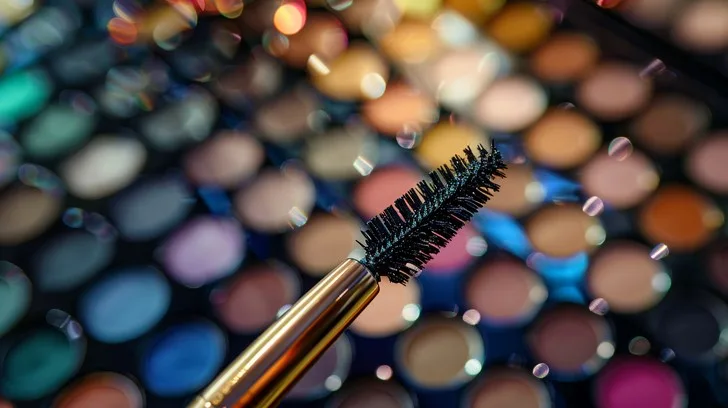
Image source: Bing (Web (fair-use with source credit))
These microorganisms, primarily bacteria, can thrive in the nutrient-rich environment of your cosmetics, especially those containing water or oils. Over time, their numbers can multiply significantly. For example, studies by dental hygiene organizations often cite that toothbrushes can harbor millions of bacteria, and a similar principle applies to the tools and products we use on our faces.
While not all bacteria are harmful, a buildup of certain types can lead to a range of unpleasant and even harmful issues, from minor skin irritations to more severe infections. It’s this potential for bacterial growth that makes a regular replacement schedule so crucial for your health.
Understanding Cosmetic Shelf Life
The lifespan of a cosmetic product, often referred to as its shelf life, isn't just an arbitrary number. It's determined by several factors, including the product's formulation, its packaging, and how it's stored and used. Water-based products, like liquid foundations or mascaras, tend to have shorter shelf lives because moisture is an ideal breeding ground for bacteria.
Preservatives are added to slow this process, but they aren't foolproof, especially with repeated exposure to air and contamination.
Conversely, anhydrous (water-free) products, such as powder eyeshadows or oil-based lipsticks, generally last longer. Their dry or oily nature makes them less hospitable to bacterial growth. Manufacturer specifications, like those found on packaging or product inserts, often provide a Period After Opening (PAO) symbol, typically depicted as an open jar with a number followed by "M" (e.g., 12M), indicating the number of months the product is good to use after opening.
The Risks of Using Old Makeup
The risks associated with using expired or contaminated makeup are varied and can range from minor cosmetic annoyances to serious health concerns. The most common issue is skin irritation and breakouts. Bacteria and old product formulas can clog pores, trigger allergic reactions, or simply not perform as intended, leading to an uneven application or undesirable skin texture.
However, the more significant risks involve infections, particularly around the eyes and lips. Using old mascara or liquid eyeliner, for instance, can introduce bacteria like Staphylococcus or Pseudomonas into the delicate eye area, potentially causing conjunctivitis (pink eye), styes, or even corneal ulcers in severe cases. Similarly, using old lipsticks or glosses that have been contaminated can lead to cold sores or bacterial infections around the mouth.
These aren't just theoretical possibilities; health professionals and dermatologists frequently advise against using makeup that is past its recommended lifespan.
Your Makeup Replacement Timeline: A Product-by-Product Breakdown
Knowing the general risks is one thing, but understanding the specific timelines for different makeup categories is key to maintaining good hygiene and product performance. These timelines are based on aggregate manufacturer recommendations and cosmetic safety guidelines, aiming to balance product usability with health risks.
Face Products: Foundation, Concealer, Powders & Creams
When it comes to products that cover larger areas of your face, like foundation and concealer, the type of formula significantly impacts how long they remain safe and effective. Liquid and cream formulas, due to their higher water content, are more susceptible to bacterial growth.
- Liquid Foundation & Concealer: These typically have a lifespan of 6 to 12 months after opening. If you notice a change in smell, separation of the formula, or a gritty texture, it's time to replace them.
- Cream Blush, Highlighter, Bronzer: These cream-based products generally last a bit longer than liquid foundations, usually 12 to 18 months. Any off smell or change in texture is a red flag.
- Powder Foundation, Blush, Bronzer, Highlighter: Powder formulas are the most forgiving for face products. Their dry composition makes them less prone to bacterial proliferation, allowing them to last longer, typically 1 to 2 years.
Eye Products: Mascara, Liners & Shadows
Products used around the eyes require the most diligent attention due to the potential for serious infections. The proximity to the mucous membranes of the eye means that contamination can have more immediate and severe consequences.
- Mascara: This is arguably the most critical item to replace regularly. The wand is repeatedly dipped into the tube, introducing air and bacteria. Mascara should be replaced every 3 to 6 months, without exception.
- Liquid Eyeliner: Similar to mascara, liquid eyeliners are prone to contamination and should be replaced every 3 to 6 months.
- Gel Eyeliner: Pot liners or gel formulas typically last longer if properly cared for, around 6 to 12 months, provided you use a clean brush and keep the lid tightly sealed.
- Pencil Eyeliner: These are generally longer-lasting, around 1 to 2 years, especially if you regularly sharpen them to expose a fresh tip.
- Eyeshadows & Brow Powders: Powder-based eye products have the longest lifespan in this category, typically lasting 1 to 2 years.
Lip Products: Lipsticks, Glosses & Liners
Lip products can also be vectors for bacteria, especially if you've had any mouth sores or infections. While they generally last longer than eye products, it's still important to monitor their condition.
- Lipstick: Standard bullet lipsticks usually last 1 to 2 years. If you notice a change in scent, texture (like becoming waxy or oily), or a loss of color intensity, it's time to replace it.
- Lip Gloss: Lip glosses, with their often sticky, wetter formulas, have a shorter shelf life than traditional lipsticks. Plan to replace them every 1 year.
- Lip Liner: Similar to eye pencils, lip liners are quite durable and can last 1 to 2 years with regular sharpening.
Signs Your Makeup Has Gone Bad: More Than Just Time
While the suggested replacement timelines are excellent general guidelines, they aren't the only indicator that a product needs to be retired. Your senses are your best defense against using compromised makeup. Paying attention to changes in your product's appearance, smell, and texture can alert you to issues long before the "expiration date" arrives, or conversely, indicate a product is still perfectly fine to use even if it's been open for a while.
Texture, Odor, and Color Changes
The most obvious signs that makeup is past its prime involve changes in its physical attributes. For instance, a liquid foundation that starts to look separated and won't blend back together, or a powder that suddenly feels hard and chalky, is a sign the formula is breaking down. If your lipstick develops a waxy or oily film on the surface, or your mascara starts to clump and dry out prematurely, these are indicators that the product's integrity has been compromised.
A noticeable change in odor is also a significant warning sign. While some products have a mild scent from their ingredients, a shift to a rancid, metallic, or generally unpleasant smell indicates that the oils within the product have oxidized and bacteria may have started to proliferate. Similarly, if the color of your foundation appears to have darkened or become discolored, it suggests oxidation has occurred, altering the pigment.
Signs of Bacterial Contamination
Beyond general degradation, specific signs point directly to bacterial contamination. One of the most common issues is the development of a greasy or oily sheen on the surface of cream or liquid products, which can be a byproduct of bacterial activity. For mascaras and liquid eyeliners, if the product becomes stringy or develops a "slimy" texture, this is a strong indicator of bacterial growth.
For powder products, a less obvious sign can be a change in how the product performs. If your powder eyeshadow or blush suddenly becomes difficult to pick up with a brush, or if it starts to feel gritty or rough, it could mean bacteria have formed a film or altered the texture of the powder. Products used near the eyes are especially critical; any redness, itching, or unusual discharge after using makeup should be a sign to immediately stop using that product and consider replacing it, even if it hasn't reached its standard replacement time.
Always remember the cardinal rule: when in doubt, throw it out.
How to Keep Your Makeup Fresher, Longer (Safely)
While replacing makeup on schedule is essential for hygiene, there are smart habits you can adopt to help your products last their intended lifespan without compromising safety. Proper storage and regular cleaning of your tools play a massive role in preventing premature spoilage and bacterial contamination. These practices don't just extend the life of your favorite products; they ensure a consistently better application and protect your skin.
Smart Storage Solutions
Where you store your makeup can significantly impact its shelf life. Heat and humidity are the arch-nemeses of cosmetic formulas. Bathrooms, often being humid and subject to temperature fluctuations from showers, are generally not the ideal place to store your makeup collection.
Instead, opt for a cool, dry place like a vanity drawer, a dedicated makeup organizer, or a cool room in your home.
Keeping products sealed is also vital. Always ensure caps are screwed on tightly after each use. This minimizes exposure to air, which can cause products to dry out and also reduces the chances of airborne bacteria or dust contaminating the formula.
For products that tend to separate or dry out quickly, like some foundations or mascaras, storing them upright can sometimes help maintain their consistency.
Cleaning Your Makeup Tools: Brushes & Sponges
The tools you use to apply makeup are direct conduits for bacteria between your skin and your products, and then back to your skin. Regularly cleaning your brushes and sponges is non-negotiable for both product longevity and your skin's health. Dirty brushes can harbor oils, dead skin cells, and bacteria that can quickly contaminate your makeup and lead to breakouts or infections.
- Frequency: Aim to wash your makeup brushes and sponges at least once a week. For items used daily, like foundation sponges or mascara wands (though mascara itself should be replaced frequently), more frequent cleaning might be beneficial.
- Method: Use a gentle brush cleanser or mild soap with lukewarm water. Swirl the brushes gently in the cleanser, rinse thoroughly until no suds remain, and then reshape the bristles before laying them flat or propping them upside down to dry completely. For sponges, squeeze out excess water and product thoroughly, then allow them to air dry completely. Never put a damp brush or sponge back into a makeup product.
Common Makeup Replacement Mistakes to Avoid
Even with the best intentions, it’s easy to fall into habits that shorten your makeup’s life or, worse, put your skin at risk. Being aware of these common pitfalls can help you keep your collection hygienic and performing at its best. One of the biggest mistakes is relying solely on the purchase date rather than the open date.
- Ignoring the "Period After Opening" (PAO) Symbol: Many products have a small icon of an open jar with a number and "M" inside, indicating months of usability after opening. This is often more critical than the actual purchase date, as a product bought long ago but never used may still be fine, while a product opened last week might be nearing its limit if used heavily.
- Not Replacing Mascara and Liquid Eyeliner Religiously: These items are prime culprits for eye infections. Because the wands re-enter the tube, they constantly introduce bacteria. No amount of product left in the tube is worth the risk of pink eye or a stye.
- Sharing Makeup: This is a fast track to spreading germs and infections. Avoid sharing lipsticks, mascaras, eyeliners, and even applicators.
- Adding Water or Saliva to Dry Products: Trying to "revive" dried-out mascara or foundation by adding liquid is a recipe for disaster. You're essentially introducing more water, which encourages bacterial growth, and potentially diluting preservatives.
- Keeping Makeup in Humid Environments: Storing your makeup in the bathroom, even in a cabinet, exposes it to moisture and temperature fluctuations that can degrade formulas and encourage bacteria.
Frequently Asked Questions About Makeup Expiration
How long does mascara actually last?
Mascara is one of the most critical items to replace regularly. Due to the wand's constant exposure to air and bacteria from your eyes, it should be replaced every 3 to 6 months. Even if it hasn't dried out, the risk of bacterial contamination is high after this period.
Can old foundation cause acne?
Yes, old foundation, especially liquid or cream formulas, can absolutely contribute to acne and breakouts. As products age, bacteria can multiply within them. Applying this contaminated makeup can transfer those bacteria to your skin, clogging pores and leading to inflammation and pimples.
Should I throw out makeup if it looks or smells normal?
While visual and olfactory cues are important, it's best to adhere to recommended replacement timelines, especially for high-risk items like mascara and liquid eyeliner. Bacteria aren't always visible or detectable by smell, and products can become contaminated even if they appear and smell fine. The recommended timelines are based on safety assessments to minimize risk.
Does the packaging affect how long makeup lasts?
Absolutely. Products in airtight packaging, like pump foundations or single-use samples, tend to last longer and are less prone to contamination than products in jars or pots where fingers or applicators are directly inserted. Tightly sealing lids and caps also plays a crucial role in preserving product integrity.
What does the little jar icon on makeup mean?
That icon, often an open jar with a number followed by "M," is called the Period After Opening (PAO) symbol. It indicates the number of months a cosmetic product is best used within after it has been opened. For example, "12M" means the product is good for 12 months once opened.
Your Makeup Disposal Decision Guide
Deciding when to toss a makeup product comes down to a combination of understanding its typical lifespan, recognizing signs of degradation, and prioritizing your health. Think of this as a workflow to help you make the right call.
Step 1: Identify the Product Type.
Is it mascara, liquid foundation, powder blush, or lipstick? This is the first filter.
Step 2: Check the PAO Symbol or Recall General Timelines.
Refer to the PAO symbol on the packaging or the general timelines provided in this guide (e.g., mascara: 3-6 months; powders: 1-2 years).
Step 3: Assess the Product's Condition.
- Smell: Has it developed an off, rancid, or unusual odor?
- Texture: Has it become clumpy, dry, oily, gritty, or separated?
- Color: Has the color changed significantly or become unnatural?
- Performance: Does it apply unevenly, streak, or no longer blend well?
Step 4: Consider Your Usage and Storage.
- Frequency of Use: A product used daily in a humid bathroom may degrade faster than one used weekly and stored in a cool, dry place.
- Hygiene Practices: Have you been diligent about cleaning tools and not sharing products?
Step 5: Make the Decision.
- If any of the following are true, DISCARD IMMEDIATELY:
- It's mascara or liquid eyeliner and it's past the 3-6 month mark.
- You notice any foul odor, significant texture change, or formula separation.
- You've had an eye or lip infection and used the product during that time.
- The product shows visible signs of mold or discoloration.
- If it's nearing its general lifespan but looks and performs fine, consider replacing it soon. Better safe than sorry, especially for products used near the eyes or on the lips.
- If it's well within its lifespan, looks, smells, and performs as expected, and you've maintained good hygiene, it's likely still good to use.
When in doubt, always err on the side of caution and dispose of the product. Your skin's health is worth more than saving a few dollars on old makeup.
Image source: Bing (Web (fair-use with source credit))