How Can I Prevent Cakey Foundation?
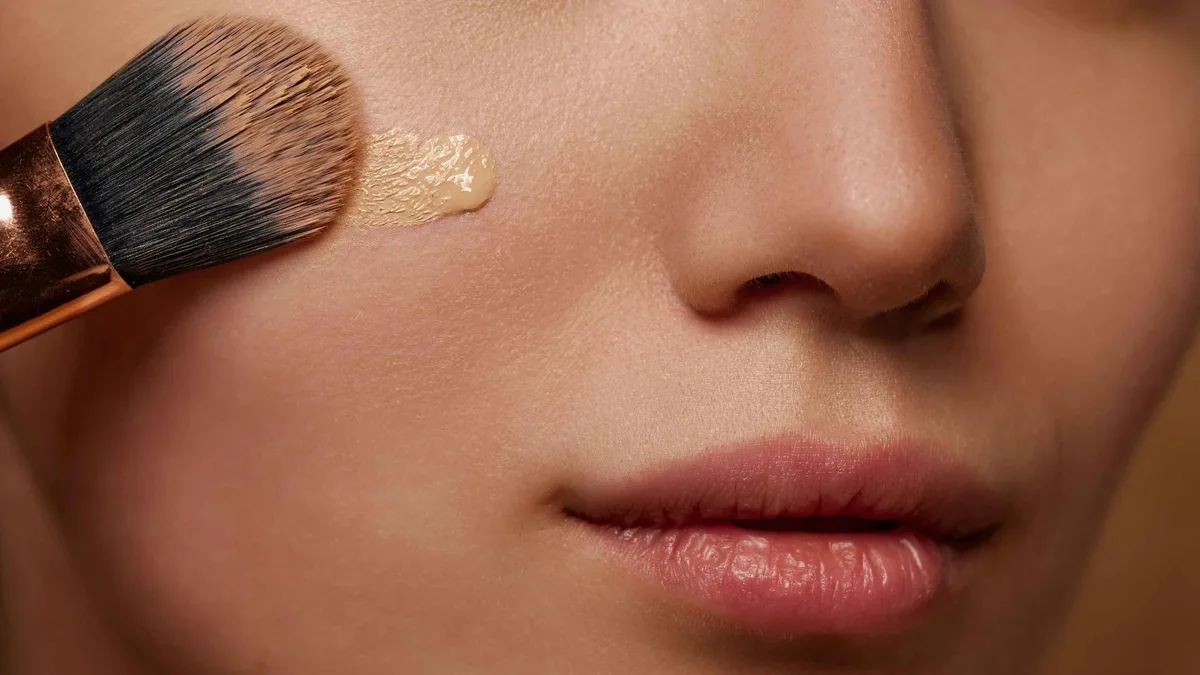
Image source: Bing (Web (fair-use with source credit))
How can I prevent cakey foundation?
Cakey foundation is a common frustration, turning a desired flawless finish into something dry and unflattering. This happens when makeup settles unevenly, accentuating fine lines and dry patches instead of smoothing them over. Our research indicates that achieving a smooth application hinges on understanding both your skin's needs and your makeup's properties.
Manufacturer specifications for many foundation formulas highlight the importance of proper skin preparation for optimal wear. As of 2026, it's widely acknowledged that factors like hydration levels and product interaction significantly impact how foundation sits on the skin. Let's break down the common causes and explore how to achieve that coveted smooth, natural look.
Quick Answer
To prevent cakey foundation, focus on proper skin hydration and exfoliation. Always apply a primer suited to your skin type. Use foundation sparingly, work in small sections, and always dampen your makeup sponge.
Setting your face with a light hand or a hydrating spray can also help.
Is It Your Skin Prep?
If your foundation is looking cakey, the first place to look is how you’re preparing your skin. Think of your skin like a canvas; if the canvas isn't smooth and properly primed, any paint (your foundation) will just highlight its imperfections. Our research consistently shows that inadequate hydration is a primary culprit.
- Not Enough Hydration: Dry skin lacks moisture, causing foundation to cling to those parched areas. This makes your foundation appear dry, textured, and cakey.
- Try this: Use a good, hydrating moisturizer. For very dry skin, a hydrating serum applied before your moisturizer can boost moisture levels.
- Too Much Product: Overloading your skin with too many serums and thick moisturizers can create a slick surface. Makeup can then struggle to adhere properly, leading to pilling or a heavy, cakey appearance.
- Try this: Allow each skincare product to sink in for a minute or two before applying the next. Use only a pea-sized amount of moisturizer.
- Dead Skin Buildup: If you don't exfoliate regularly, dead skin cells can accumulate on the surface. Foundation applied over this can look rough and uneven, contributing to that cakey texture.
- Try this: Incorporate a gentle chemical exfoliant a few times a week. For physical exfoliation, use a fine-grained scrub with a light touch.
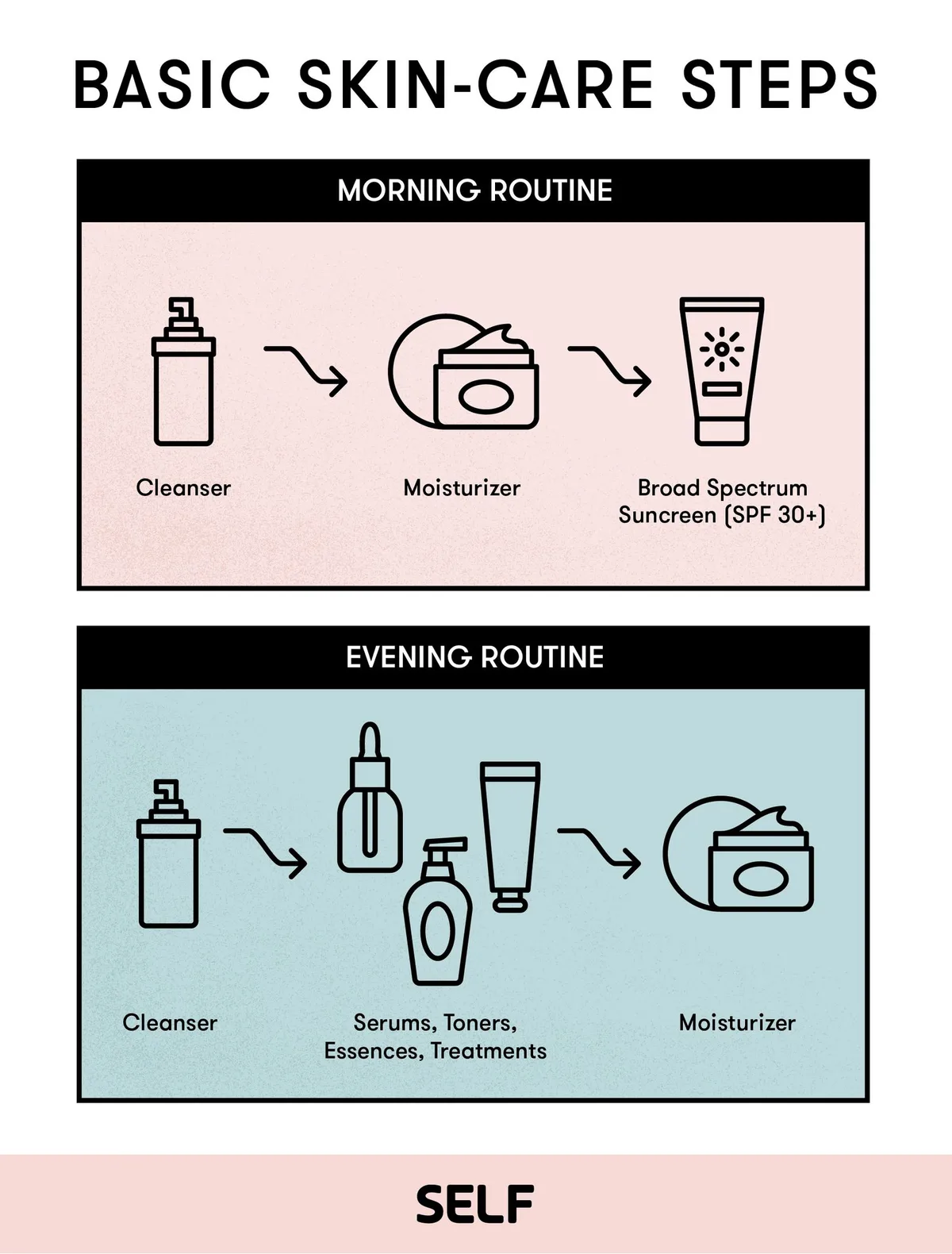
Image source: Bing (Web (fair-use with source credit))
Is It the Foundation Itself?
Sometimes, the foundation formula just isn't the right match for your skin or your environment. Formulas are designed with different finishes and wear properties in mind. Aggregate reviews report that choosing the wrong foundation type can directly lead to a cakey appearance.
- Formula Mismatch: Applying a heavy, matte foundation on dry skin can instantly amplify dryness and cakeyness. Similarly, a very dewy, hydrating formula on very oily skin might not set correctly, leading to a heavy, unnatural look.
- Try this: For dry or normal skin, look for foundations described as hydrating, satin, or luminous. For oily skin, matte or long-wear formulas are often better choices.
- Applying Too Much: Starting with a generous amount of foundation is a common mistake. Most foundations are designed to be built up in thin layers for coverage. Applying too much at once can make them difficult to blend seamlessly, resulting in a thick, cakey texture.
- Try this: Begin with a small amount, perhaps a pea-sized drop. You can always add more product to areas that need extra coverage.
- Formula Stability: Manufacturer specifications indicate that makeup formulations can change over time, especially after being opened. Old or expired foundation might separate or become gritty, leading to poor application and a cakey finish.
- Try this: Check the PAO (Period After Opening) symbol on your foundation. If it's been open for over a year or its texture has noticeably changed, it's time for a replacement.
Is It Your Application Technique?
The way you apply your foundation can make or break its finish. Even the best foundation can look cakey if the application technique isn't right. Our research shows that focusing on blending and product payoff is essential.
- Working in Sections: Some foundations dry down very quickly. If you try to blend out a large area all at once, the product may start to set before you can properly diffuse it, leading to streaks and a cakey appearance.
- Try this: Apply foundation to one specific area of your face at a time, like your forehead or one cheek, and blend it thoroughly before moving on to the next section. This ensures the product stays workable and blends seamlessly.
- Dampen Your Sponge: Using a dry makeup sponge can lead to a cakey, uneven application because it absorbs a lot of the foundation and can drag the product across your skin. This not only wastes product but also creates a heavier, textured finish.
- Try this: Always dampen your makeup sponge with water and then squeeze out all the excess water until the sponge is just slightly moist. This technique allows for a much thinner, more even layer of foundation to be applied and blended, resulting in a natural, skin-like finish.
- Brush Strokes Matter: When using a brush, the pressure and motion you apply can impact the outcome. Over-buffing or pressing too hard can push foundation into pores and fine lines, making them more visible and contributing to a cakey look.
- Try this: Use a light hand when blending with a brush. Instead of aggressive buffing, try stippling (tapping the product on) or a gentle bouncing motion. This helps to deposit the foundation evenly without overworking it or pushing it into texture.
Setting Your Base Without the Cake
Setting your foundation properly is vital for its longevity, but this step is often where cakeyness can creep in. The goal is to lock your makeup in place without making it look overly dry or heavy.
- Powder Strategically: Applying too much powder, especially all over your face, can absorb natural oils and moisture, leading to a dry, cakey appearance. This is particularly true if you already have dry skin.
- Use less: Apply powder only where needed, typically the T-zone, using a large, fluffy brush for a light dusting. This helps control shine without compromising your foundation's finish.
- Powder Type: Some powders are designed for intense mattifying, which can be drying. If you find powders make your makeup look cakey, consider a finely milled, translucent powder. For very dry skin, a hydrating setting spray might be a better choice to avoid any powder-related dryness.
Skincare Steps for Smoother Foundation Application
Proper skin prep is non-negotiable for preventing cakey foundation. This involves more than just slapping on moisturizer; it's about creating an optimal base. Our research confirms that a well-prepped canvas is the most crucial factor for smooth makeup application.
Hydration and Moisturization
If your skin feels tight, flaky, or rough, foundation will inevitably cling to these areas, looking dry and cakey. Adequate moisture keeps the skin supple and allows makeup to glide on smoothly. Even oily skin needs hydration, as oiliness can sometimes be a sign of dehydration, the skin overcompensating for a lack of water.
- Daily Moisturizer: Use a moisturizer suited to your skin type daily, both morning and night. Look for ingredients like hyaluronic acid, glycerin, or ceramides for effective hydration.
- Hydrating Serums: For an extra boost, consider a hydrating serum applied before your moisturizer. These can deliver a more concentrated dose of moisture.
The Power of Exfoliation
Dead skin cells can build up on your skin's surface, creating a rough texture that foundation can't smoothly adhere to. Regular exfoliation removes this layer, revealing smoother, brighter skin underneath. This process is vital for preventing makeup from looking patchy and cakey.
- Chemical Exfoliants: Products containing Alpha Hydroxy Acids (AHAs) like glycolic or lactic acid, or Beta Hydroxy Acids (BHAs) like salicylic acid, are effective. Start using them 2-3 times per week.
- Physical Exfoliation: If you prefer a scrub, use one with very fine particles and a gentle touch. Avoid harsh scrubbing, which can irritate the skin and lead to redness or further dryness.
Primer: Your Makeup's Best Friend
A primer acts as a bridge between your skincare and your foundation, creating a refined surface. It can fill in pores, smooth fine lines, and provide a better base for foundation to adhere to, ultimately preventing that cakey, textured look. Choosing the right primer for your skin type is essential.
- For Oily Skin: A mattifying primer helps control shine and creates a smooth base that makeup can grip onto, reducing the likelihood of makeup sliding off or looking greasy.
- For Dry Skin: A hydrating or illuminating primer can add a much-needed boost of moisture and radiance, preventing foundation from clinging to dry patches and looking cakey.
Foundation Formulas and Their Finishes
Understanding the different types of foundation formulas and their inherent finishes is key to preventing a cakey appearance. Each formula is designed with specific properties that affect how it interacts with your skin and how it wears throughout the day. Manufacturer specifications often detail these characteristics.
- Matching Formula to Skin Type: This is a critical step. A matte-finish foundation, while excellent for controlling shine on oily skin, can exacerbate dryness and make existing texture more prominent on dry skin, leading to a cakey look. Conversely, a very dewy, hydrating foundation on oily skin might not set properly, causing it to look heavy or melt away.
- Tip: For dry or dehydrated skin, look for foundations described as "hydrating," "satin," or "natural finish." For oily or combination skin, "matte," "long-wear," or "oil-free" formulas are generally better choices.
- Applying Too Much: A common mistake is using too much product from the start. Heavy application makes it harder to blend foundation seamlessly. This can result in a thick, unnatural layer that settles into fine lines and pores, creating that undesirable cakey effect.
- Start Light: Begin with a small amount, perhaps a pea-sized amount, on the back of your hand. You can always add more product to areas needing extra coverage. This methodical approach helps ensure an even application.

Image source: Web (Bing) / worksheeto.com (Web image (fair-use with source credit))
Application Techniques for a Natural Finish
The method you use to apply foundation significantly impacts its final appearance. Even the best formulas can look cakey if the application technique is incorrect. Our research indicates that proper blending and strategic product placement are paramount for a smooth finish.
Working in Sections
Certain foundation formulas, particularly those that dry down quickly, require efficient blending. If you apply a large amount of product all over your face at once, it may begin to set before you can fully diffuse it. This can result in streaks, patchiness, and a decidedly cakey look.
- Systematic Blending: To avoid this, work on one section of your face at a time. Apply foundation to your forehead, blend it thoroughly, then move to your cheeks, and so on. This ensures the product remains workable and blends seamlessly into your skin.
Dampen Your Sponge
A dry makeup sponge can be a major culprit for cakey foundation. Sponges are porous and absorb a significant amount of product. When used dry, they can also drag and pull the foundation, leading to an uneven, heavy, and textured application.
- The Damp Method: Always dampen your makeup sponge with water before applying foundation. Squeeze out all excess water until the sponge is just moist, not dripping. This technique ensures a smoother, more sheer application and better product blending.
Brush Strokes Matter
When using a foundation brush, the pressure and motion of your strokes are crucial. Aggressive buffing or pressing too hard can push the foundation into pores and fine lines, making them appear more prominent and contributing to a cakey appearance. It can also create visible brush strokes.
- Gentle Blending: Use a light touch with your brush. Instead of vigorous buffing, try a stippling (tapping) motion or a gentle bouncing technique. This helps to press the foundation into the skin for a more diffused and even finish, minimizing texture.
Setting Your Base Without the Cake
Setting your foundation properly is vital for its longevity, but this step is often where cakeyness can creep in. The goal is to lock your makeup in place without making it look overly dry or heavy.
- Powder Strategically: Applying too much powder, especially all over your face, can absorb natural oils and moisture, leading to a dry, cakey appearance. This is particularly true if you already have dry skin.
- Use less: Apply powder only where needed, typically the T-zone, using a large, fluffy brush for a light dusting. This helps control shine without compromising your foundation's finish.
- Powder Type: Some powders are designed for intense mattifying, which can be drying. If you find powders make your makeup look cakey, consider a finely milled, translucent powder. For very dry skin, a hydrating setting spray might be a better choice to avoid any powder-related dryness.
Common Foundation Mistakes to Avoid
Avoiding a few key missteps can significantly improve how your foundation looks and feels throughout the day. Many common cakey foundation issues stem from simple, fixable errors in application or product choice. Our analysis of user feedback highlights these as frequent pain points.
- Over-moisturizing Before Makeup: While hydration is key, applying an excessive amount of rich moisturizer or multiple hydrating serums without letting them fully absorb can create a slick surface. Foundation may not adhere well to this overly hydrated layer, leading to patchiness or a heavy, cakey texture that slides around.
- If this happens: Gently blot your face with a clean tissue to remove excess moisture, and allow your skincare to set for at least five minutes before applying foundation.
- Using a Dry Sponge: As mentioned, a dry makeup sponge absorbs too much product and can create a streaky, textured finish. It deposits foundation unevenly, leading to areas that look heavier and thus, cakey.
- The fix: Always dampen your makeup sponge with water and squeeze out all excess moisture. This technique ensures a smoother, more sheer application and better product blending.
- Brushing Too Hard: Aggressively buffing foundation with a brush can push the product into pores and fine lines, making them more visible and contributing to a cakey appearance. It can also create visible brush strokes.
- Gentle is best: Use a light touch with your brush. Instead of vigorous buffing, try a stippling (tapping) motion or a gentle bouncing technique. This helps to press the foundation into the skin for a more diffused and even finish, minimizing texture.
- Old or Changed Foundation: Makeup, like food, has a shelf life. Over time, foundation formulas can change, separate, or develop an off odor. Using old foundation is a common cause of unexpected cakey-ness, as its texture and performance degrade.
- Check your products: Most liquid foundations have a PAO (Period After Opening) symbol, often indicating they are best used within 12-24 months. If your foundation's texture, color, or smell has changed, it's time to replace it.
Frequently Asked Questions About Cakey Foundation
Why does my foundation look cakey after a few hours?
This often happens due to a combination of your skin's natural oil production and the foundation formula. If your foundation is matte and your skin becomes oily, it can start to break down and look heavy. Conversely, if you have dry skin, the foundation might be absorbing moisture from your skin throughout the day, leading to a dry, cakey appearance.
Can I fix cakey foundation without washing my face?
Yes, you can often improve a cakey look without starting over. A hydrating setting spray mist can sometimes help meld the layers of makeup together and reduce a powdery appearance. Gently blotting excess oil with blotting paper can also help.
In a pinch, using your clean fingertips to very gently press and blend any obvious patchy areas can sometimes smooth things out.
Does primer really prevent cakey foundation?
A good primer can definitely help. It creates a smoother, more uniform surface for your foundation to adhere to, which can prevent it from clinging to dry patches or settling into pores and fine lines. The key is choosing a primer that suits your skin type, hydrating for dry skin, mattifying for oily skin.
Is it better to use a brush or a sponge for foundation to avoid cakeyness?
Both brushes and sponges can work, but the technique is more critical than the tool itself. A damp sponge tends to provide a more seamless, skin-like finish by applying thinner layers and blending well. If using a brush, opt for gentle buffing or stippling motions rather than hard pressing, and ensure your foundation is well-blended to avoid streaks and texture.
How does foundation expiry affect cakeyness?
As foundation ages, its formula can change. Ingredients may separate, or the texture can become gritty or dry. Using old foundation that has passed its prime can lead to uneven application, poor blending, and a significantly cakey appearance because the product no longer performs as intended.