Can Massage Help You Sleep Better: Benefits And Tips
Yes, massage may improve sleep by easing stress, relaxing muscles, and helping your body prepare for rest.
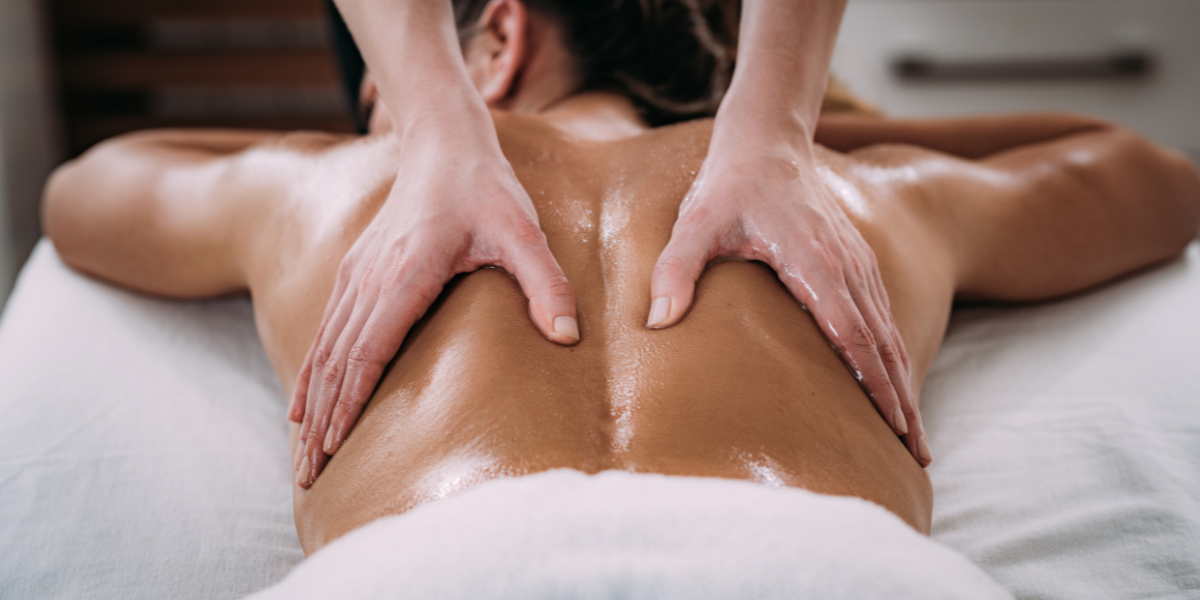
Can massage help you sleep better? Research and everyday experience suggest it can, especially when poor sleep is linked to stress, muscle pain, or an overactive mind. Massage is not a cure for every sleep disorder, but it may become a useful part of a calm, consistent bedtime routine.
How massage may improve sleep
Can massage help you sleep better by changing how your body responds to stress? It may. A gentle massage can reduce muscle tension and encourage the shift from the body’s “fight or flight” state to its calmer “rest and digest” state.
Stress often keeps the mind alert at night. You may feel tired, yet still think about work, money, family, or tomorrow’s plans. Massage can act like a physical signal that the busy part of the day is ending.
Massage may support better sleep in several ways:
• It may reduce tight muscles and body aches.
• It can promote a sense of calm.
• It may slow breathing and encourage stillness.
• It can make it easier to focus on comfortable body sensations.
• It may help create a regular bedtime habit.
Some studies on massage and sleep have found improvements in sleep quality, especially among people with pain, anxiety, older adults, and patients in health care settings. However, results vary. Massage may support sleep, but it should not replace medical care for ongoing insomnia, sleep apnea, restless legs syndrome, or depression.

What happens in your body during a relaxing massage?
Can massage help you sleep better through changes in the nervous system? That is one possible reason. Slow, comfortable touch may help lower physical arousal and reduce the muscle guarding that often comes with stress.
A relaxing massage may also affect heart rate, breathing, and perceived pain. When your body feels safer and more comfortable, falling asleep may require less effort. Think of it as turning down the volume on several background alarms.
Massage does not work like a sleeping pill. Its effect is usually gradual and depends on the type of massage, pressure, timing, and your personal response.
A massage may be more helpful when sleep problems come from:
• Neck, shoulder, or back tension
• Exercise-related soreness
• Stress or mild anxiety
• Pregnancy-related discomfort, with proper guidance
• Long periods of sitting
• General physical restlessness
One important lesson from sleep care is that comfort matters, but timing matters too. A deep, painful massage late at night may leave you sore or alert. A lighter session may be a better choice before bed.
Can massage help you sleep better if you have insomnia?
Can massage help you sleep better if you have insomnia? It may improve relaxation and sleep quality, but the evidence is not strong enough to call massage a stand-alone treatment for chronic insomnia.
Chronic insomnia means trouble falling asleep, staying asleep, or waking too early at least three nights each week for three months or more. Cognitive behavioral therapy for insomnia, often called CBT-I, remains the main evidence-based treatment for long-term insomnia.
Massage may fit well beside CBT-I and healthy sleep habits. It can help you relax before using the skills learned in therapy, such as leaving bed when you cannot sleep or keeping a steady wake time.
If insomnia continues, consider speaking with a health professional. Look for causes such as:
• Sleep apnea
• Chronic pain
• Medication side effects
• Depression or anxiety
• Menopause symptoms
• Restless legs syndrome
• An irregular sleep schedule
A useful approach is to test massage for two to four weeks while tracking bedtime, time to fall asleep, night waking, and morning energy. This simple record can show whether it truly helps you.

The best types of massage for sleep
Can massage help you sleep better with every type of massage? Not always. Gentle methods are usually more suitable before bed than intense or stimulating techniques.
Swedish massage
Swedish massage uses flowing strokes and light to moderate pressure. It is often a good choice for people who want general relaxation and less muscle tension.
Gentle relaxation massage
A short, slow massage may work well in the evening. The goal is comfort, not deep pressure or intense stretching.
Foot massage
Feet carry stress from walking, standing, and exercise. A gentle foot massage may help you settle, especially when paired with slow breathing.
Neck and shoulder massage
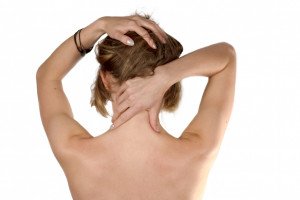
Many people hold stress in the jaw, neck, and shoulders. Light work in these areas may reduce tension that makes it hard to find a comfortable sleep position.
Self-massage
Self-massage can be simple and affordable. You might use your hands, a soft ball, or a foam roller earlier in the evening. Avoid pressing hard on painful areas just before bed.
Deep tissue massage may be useful for some types of chronic tension, but it can cause soreness. Schedule it earlier in the day when possible, especially if you are trying it for the first time.

How to use massage as part of a bedtime routine
Can massage help you sleep better when it becomes a regular habit? A consistent routine may improve its value. The massage itself may relax you, while the repeated pattern teaches your brain that bedtime is near.
Try this simple routine:
-
Finish heavy meals, intense exercise, and demanding tasks at least one to two hours before bed.
-
Dim bright lights and reduce phone use.
-
Take a warm shower or wash your face with warm water.
-
Use five to fifteen minutes of gentle massage.
-
Breathe slowly, with a relaxed exhale.
-
Move to bed while you still feel calm.
For self-massage, use a small amount of unscented lotion or oil. Move slowly over the hands, feet, shoulders, or temples. Stop if you feel sharp pain, numbness, dizziness, or increased tension.
A common mistake is treating massage like a test of endurance. More pressure is not always better. For sleep, the best massage often feels soothing, safe, and almost boring.

Can massage help you sleep better when you massage yourself?
Can massage help you sleep better with self-massage? Yes, it may, and many people find it easier to use at home. Self-massage also lets you control pressure and stop at any moment.
Try these options:
• Rub your palms together, then slowly massage each hand.
• Press and release the soles of your feet with your thumbs.
• Use broad, gentle strokes across your shoulders.
• Place your fingertips at your temples and make small circles.
• Relax your jaw instead of rubbing it hard.
Keep your movements slow. If your mind wanders, return attention to the feeling of your hands, the warmth of your skin, and your breathing.
A massage ball or foam roller can help with larger muscles, but avoid using strong pressure on the spine, front of the neck, joints, varicose veins, or areas with swelling. Self-massage should feel helpful, not punishing.

What the research says about massage and sleep
Can massage help you sleep better according to research? Several reviews suggest that massage may improve reported sleep quality, but the research has limits. Many studies are small, use different massage methods, or rely on personal sleep reports rather than sleep-lab measurements.
Research has explored massage in groups such as:
• Older adults
• People with cancer-related symptoms
• Hospital patients
• Pregnant people
• Individuals with chronic pain
• People experiencing anxiety or stress
Some findings show better sleep scores after massage. Other studies show mixed results or short-term benefits. This means massage is promising, but researchers cannot yet say that one exact technique or schedule works for everyone.
It is also important to separate sleep quality from sleep duration. You may feel calmer and wake less often without sleeping many more hours. Better sleep is not always measured by time in bed alone.
The most balanced view is this: massage may help some people sleep better, especially when tension or stress is involved. Its benefits are likely strongest when combined with regular sleep and wake times, daytime activity, morning light, and a comfortable sleep environment.
When massage may not be safe
Can massage help you sleep better if you have a health condition? Sometimes, but you may need medical advice first. Massage is not suitable for every person or every body area.
Speak with a health professional before massage if you have:
• A blood clot or suspected deep vein thrombosis
• A bleeding disorder
• An active infection or fever
• A recent surgery or serious injury
• Severe osteoporosis
• Uncontrolled high blood pressure
• Skin wounds, burns, or contagious rashes
• Numbness or unexplained weakness
• A high-risk pregnancy
People who take blood thinners should use extra caution because deep pressure may cause bruising. A licensed massage therapist should know about your medicines, surgeries, injuries, and health conditions.
Massage should never be used to delay care for chest pain, severe shortness of breath, sudden weakness, or a serious allergic reaction. These symptoms need urgent medical attention.
How to choose a massage therapist for better sleep
Can massage help you sleep better when performed by a professional? A skilled therapist can adjust pressure, timing, and technique to match your needs. Good communication is one of the most important parts of a safe session.
Look for a therapist who:
• Holds a valid state license where required
• Explains the session before beginning
• Asks about your health history
• Checks pressure during the massage
• Respects boundaries and consent
• Keeps the setting clean and professional
Tell the therapist that your goal is relaxation and better sleep. Ask for light or moderate pressure if you are new to massage. If you leave feeling sore, wired, or uncomfortable, try a shorter or gentler session next time.
A practical example is a 30-minute evening session focused on the back, shoulders, hands, and feet. This may be more useful for sleep than a long, intense treatment that leaves the body overstimulated.
Common mistakes to avoid
Can massage help you sleep better if you use it incorrectly? It may be less helpful if it creates pain, disrupts your schedule, or becomes another source of pressure.
Avoid these mistakes:
• Using deep pressure on a tender area before bed
• Trying a new essential oil without checking for skin reactions
• Drinking alcohol to make the massage feel more relaxing
• Falling asleep with a heating pad or massage device running
• Expecting instant results after one session
• Staying in bed awake for hours while becoming frustrated
Essential oils also deserve care. Lavender scent may feel calming to some people, but evidence for aromatherapy and sleep is mixed. Keep oils away from the eyes, do not swallow them, and dilute them properly for skin use.
If massage does not help after several tries, that is useful information. Your sleep problem may need a different solution.
A simple two-week massage and sleep plan
Can massage help you sleep better in real life? A short trial can help you find out without guessing. Keep the plan simple and change only a few things at once.
For two weeks:
-
Choose the same bedtime and wake time each day.
-
Use five to fifteen minutes of gentle massage in the evening.
-
Keep lights low during the final hour before bed.
-
Avoid caffeine late in the day.
-
Record how long it takes to fall asleep.
-
Note how often you wake and how rested you feel.
-
Stop or adjust the routine if massage causes pain or alertness.
Try massage on at least three evenings each week. Compare your results with nights when you do not massage. This is not a scientific trial, but it can reveal useful patterns.
If you notice loud snoring, gasping, morning headaches, extreme daytime sleepiness, or persistent insomnia, contact a health professional instead of relying only on massage.
Frequently Asked Questions
Can massage help you sleep better the same night?
It may help you feel calmer and fall asleep more easily the same night, especially if stress or muscle tension keeps you awake. The effect differs from person to person and may be mild or temporary.
How long should a massage last before bed?
Five to fifteen minutes of gentle self-massage may be enough for a bedtime routine. A professional session can be longer, but intense work is often better earlier in the day.
Is massage better than medication for sleep?
Massage and sleep medication work in different ways, so they cannot be compared as simple substitutes. Do not stop or change prescribed medicine without speaking with your health professional.
Does foot massage help with sleep?
Foot massage may support relaxation and comfort, particularly after a day of standing or walking. Use gentle pressure and stop if you have pain, swelling, numbness, or poor circulation.
Can massage help you sleep better during pregnancy?
Massage may ease some pregnancy discomfort when performed by a trained prenatal therapist and approved by your health care provider. Avoid deep pressure and seek medical guidance for high-risk pregnancy or unusual symptoms.
Should you get a deep tissue massage before bed?
Deep tissue massage may cause soreness or temporary alertness, so it is not ideal for everyone before sleep. If you choose it, schedule it earlier and request gentler pressure near bedtime.
How often should you get a massage for better sleep?
There is no proven schedule that works for everyone. You might start with one professional session every few weeks and use brief, gentle self-massage on some evenings.
Conclusion
Can massage help you sleep better? It may, particularly when stress, muscle tension, or mild discomfort affects your rest. Gentle massage can support relaxation, but it works best as part of a wider sleep plan that includes a steady schedule, less evening stimulation, and proper medical care when needed.
Start with five to fifteen minutes of comfortable self-massage for two weeks. Track your sleep, adjust the pressure, and stop if you feel pain or new symptoms. Explore more evidence-based sleep resources, speak with a qualified professional, and share your experience in the comments.