Is It Normal To Feel Sore After A Massage: What To Know
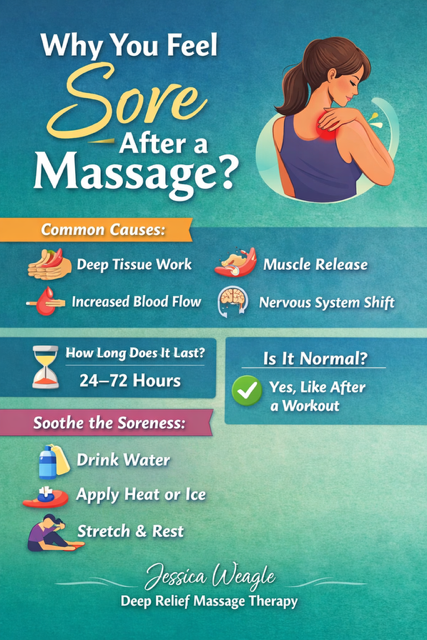
Yes, it is normal to feel mildly sore after a massage, especially after deep or therapeutic work.
Is it normal to feel sore after a massage? In most cases, yes. Mild soreness often means your muscles received new pressure or movement, much like after exercise. Still, the level, timing, and length of your discomfort matter. This guide explains what causes post-massage soreness, how to feel better, and when to seek medical care.
Why do you feel sore after a massage?
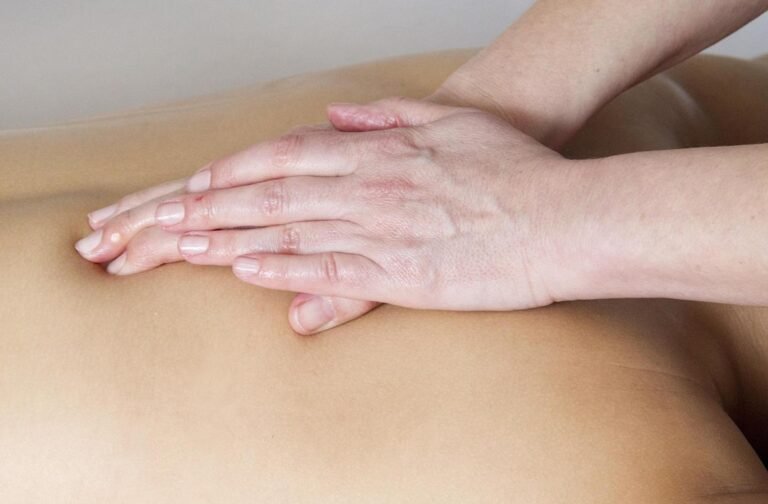
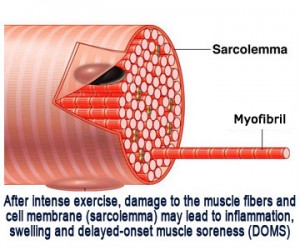
Massage applies pressure to muscles, fascia, tendons, and other soft tissues. If these tissues are tight or less active than usual, the pressure can create short-term tenderness. This is similar to the mild ache you may feel after using muscles in a new way.
Is it normal to feel sore after a massage? It can be normal when the soreness is mild and improves within a day or two. Your body may need time to adjust to deeper pressure, new movement, or the release of long-held muscle tension.
Common reasons for soreness include:
• Deep tissue pressure that reaches tight muscle layers
• Trigger point work on sensitive knots
• Stretching or joint movement during the session
• Increased blood flow to the treated area
• Mild irritation in already tense or overworked muscles
• A massage that lasts longer or feels stronger than usual
A massage should not feel like an injury. Some pressure may be uncomfortable, but sharp, burning, electric, or severe pain is not a normal goal.
Is soreness after a massage a good sign?
Mild soreness does not always mean a massage “worked.” It simply shows that your tissues experienced pressure or movement. A massage can be helpful without causing soreness, so pain should never be used as the main measure of quality.
Is it normal to feel sore after a massage? Yes, but soreness is only reassuring when it stays mild and fades steadily. You should feel comfortable telling your massage therapist to reduce pressure at any point.
A useful way to judge your symptoms is to ask:
• Can I move the area normally?
• Is the discomfort dull rather than sharp?
• Does it improve with rest, gentle movement, or warmth?
• Is it getting better within 24 to 48 hours?
If the answer is yes, your soreness is likely a temporary response. If the pain grows stronger, affects daily tasks, or lasts several days, it deserves more attention.
How long does soreness after a massage last?
Most mild post-massage soreness improves within 24 to 48 hours. Some people may notice tenderness for up to 72 hours after deep tissue massage, sports massage, or work on very tight muscles.
Is it normal to feel sore after a massage for three days? It can happen, but the discomfort should be improving rather than getting worse. Persistent or severe pain is a reason to contact a health professional.
Your recovery time may depend on:
• The type of massage
• The pressure used
• Your fitness level and muscle condition
• Whether you had an injury before the session
• How much water, food, and rest you had
• Health conditions that affect muscles, nerves, or blood flow
A first massage may cause more soreness than later sessions because your body is not used to the pressure. However, repeated severe soreness may mean the technique or pressure needs to change.
What does normal post-massage soreness feel like?
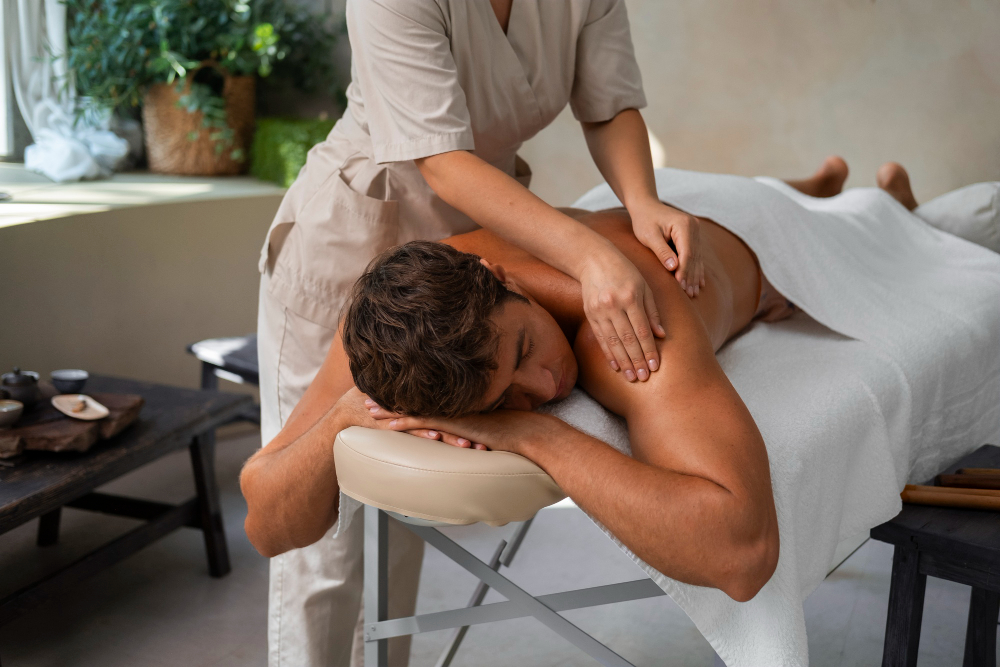
Normal soreness often feels like a dull ache, mild tenderness, or a bruised feeling in the treated muscles. It may be more noticeable when you press the area or move in a way that stretches the muscle.
Is it normal to feel sore after a massage with a bruised feeling? Mild tenderness can be normal, but visible bruising is not something to ignore. Bruising may occur after strong pressure, especially in people with delicate skin or certain health conditions.
Normal soreness usually has these features:
• It begins several hours after the massage or later that day
• It stays in the areas that were treated
• It feels mild or moderate
• It does not cause numbness or weakness
• It improves with gentle care
Pain that feels sharp, hot, shooting, or electric may point to nerve irritation or another problem. Tell your therapist right away if these sensations happen during the session.
What should you do after a massage?
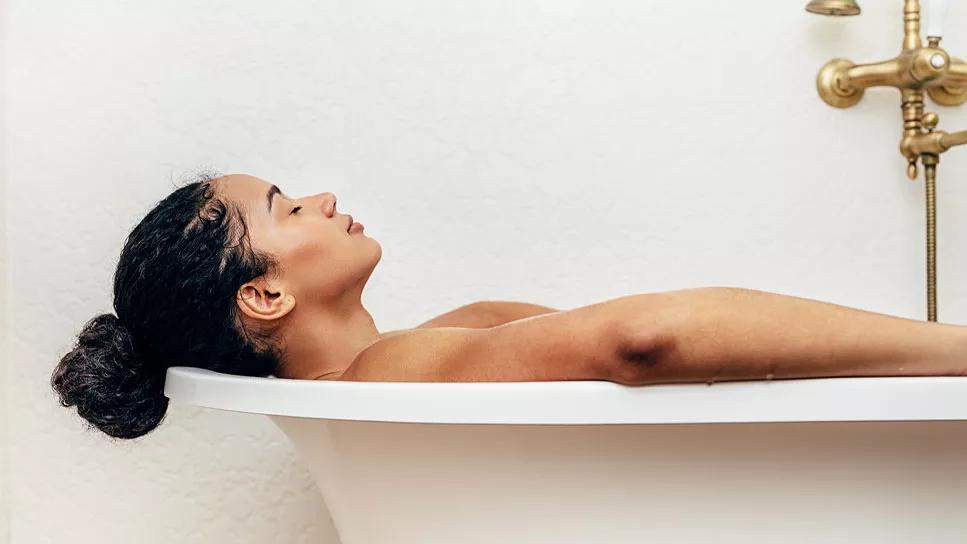
Simple self-care can help your body settle after massage therapy. Think of the next day as a recovery period, not a time to test your limits.
Try these steps:
-
Drink water when you feel thirsty. Water supports normal body function, but it does not “flush out toxins” from your muscles.
-
Take a warm shower or use a warm compress for 10 to 15 minutes. Avoid very hot temperatures that may irritate your skin.
-
Walk gently or do easy stretches. Stop if movement increases your pain.
-
Eat a balanced meal with protein, fruit, vegetables, and whole grains.
-
Sleep well. Rest gives your body time to recover from the session.
-
Avoid hard workouts for the rest of the day if your muscles feel tender.
-
Use an over-the-counter pain reliever only if it is safe for you. Ask a pharmacist or clinician if you take other medicines or have a health condition.
Many people make the mistake of booking a very intense workout right after a deep massage. That combination can place extra stress on already tender tissues. Gentle movement is usually a better choice.
How can you prevent soreness after a massage?
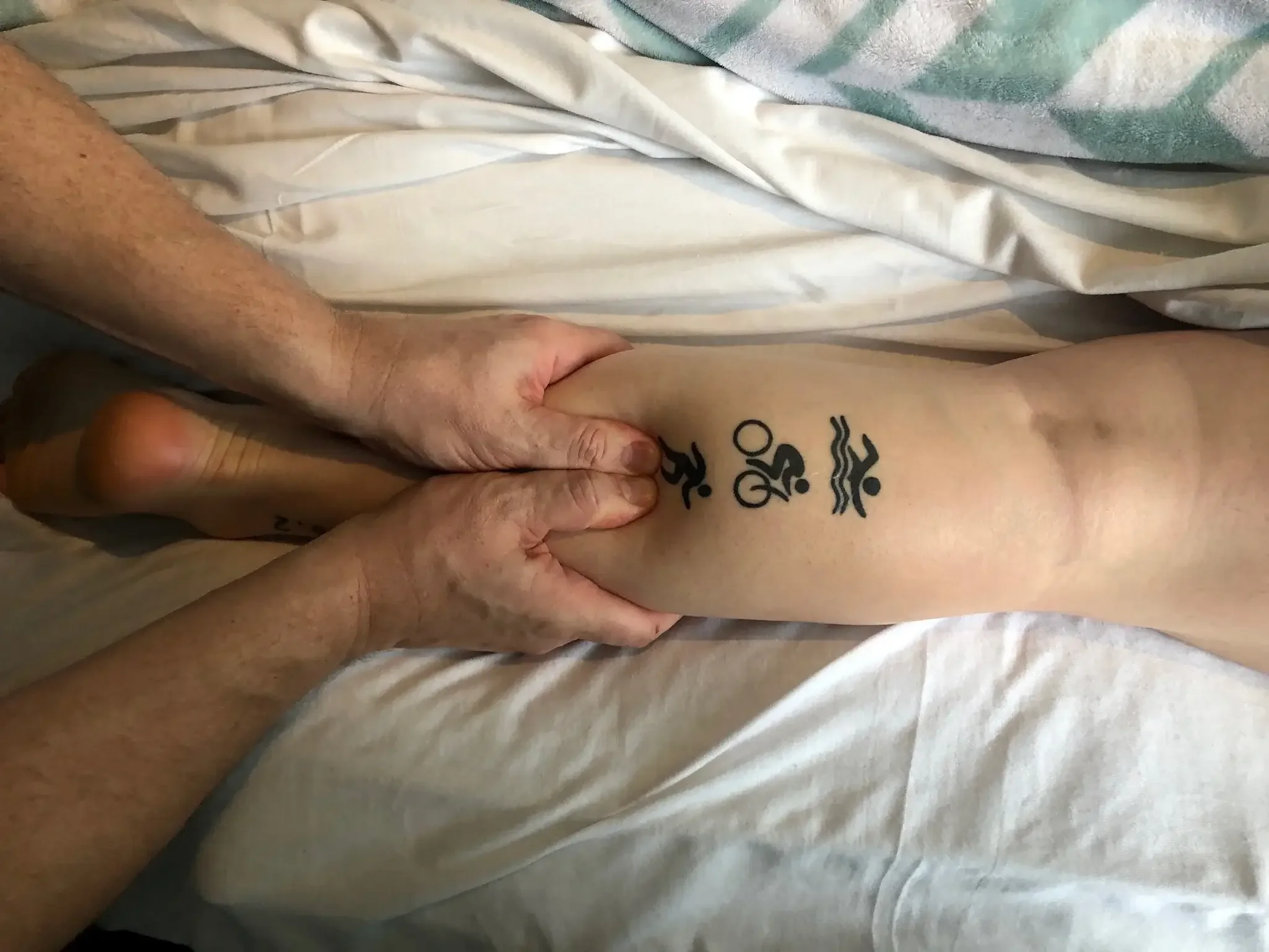
The best way to reduce soreness is to communicate before and during the session. Your massage therapist cannot feel what you feel, so clear feedback matters.
Before your appointment, explain:
• Your main goal
• Areas that hurt
• Recent injuries or surgery
• Your exercise routine
• Any medical conditions
• Medicines that may affect bleeding or pain
During the massage, use a simple scale from zero to 10. A pressure level around four to six may feel useful for many people, but there is no perfect number for everyone. Tell the therapist if the pressure feels too strong, even if you think you should tolerate it.
Is it normal to feel sore after a massage when the pressure was too deep? Yes, stronger pressure can raise the chance of soreness, but intense pain is not required for good results. A skilled therapist can adjust pressure, pace, position, and technique.
For your first session, consider choosing a shorter appointment with light or moderate pressure. You can increase intensity later if your body responds well.

Which types of massage cause more soreness?
Some massage styles are more likely to cause temporary tenderness. This does not mean they are unsafe, but the therapist should adapt the session to your needs.
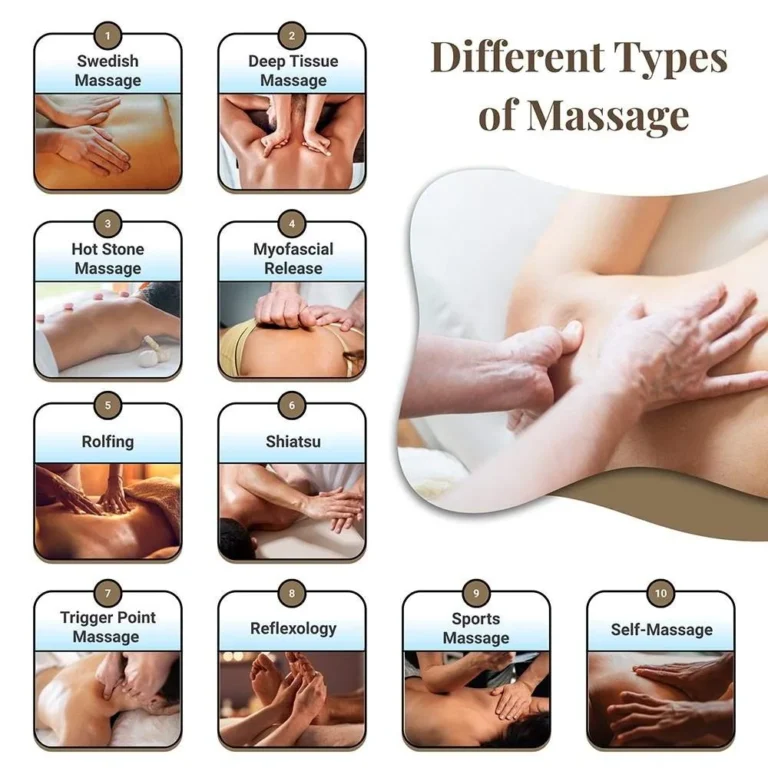
Deep tissue massage uses slow, firm pressure on deeper muscle layers. It may cause soreness when muscles are tight or sensitive.
Sports massage may include stretching, compression, and focused work on muscles used during training. It can feel intense, especially around overworked areas.
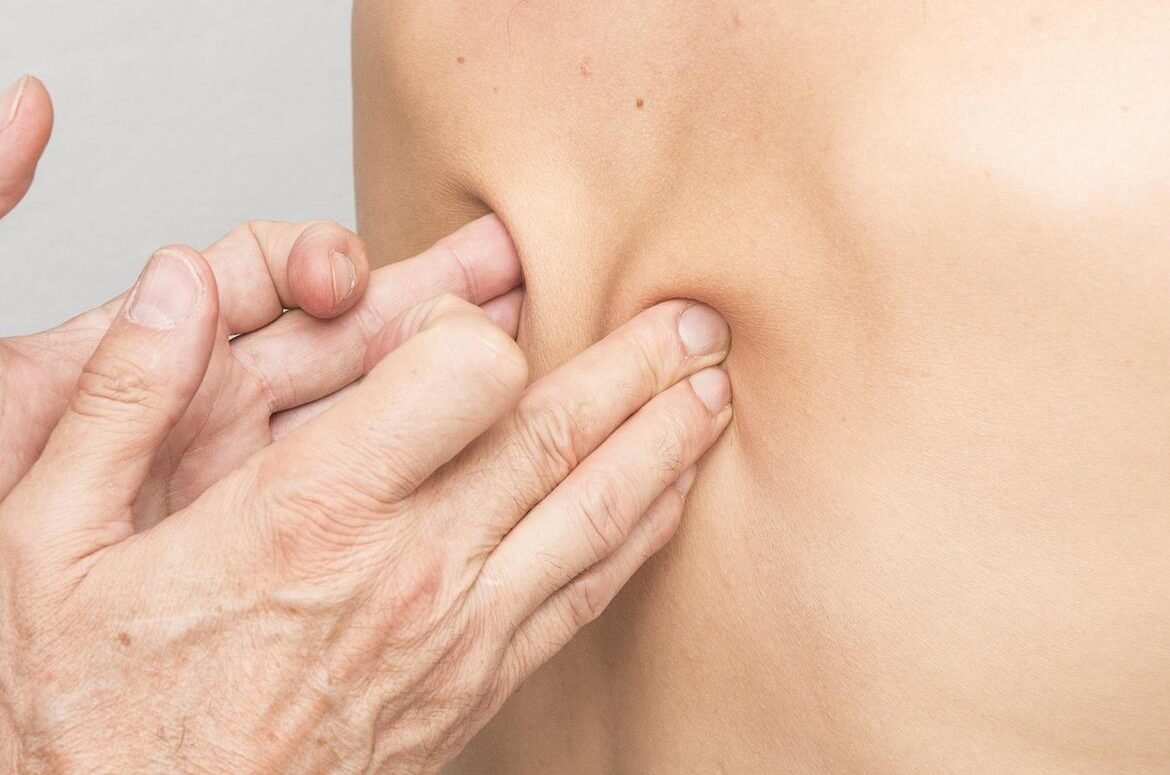
Trigger point massage targets small, tender spots. Pressure on these points may create short-term discomfort during or after treatment.
Myofascial techniques work with the connective tissue around muscles. Some people feel mild tenderness afterward, while others feel relaxed with little soreness.
Swedish massage usually uses lighter pressure and often causes less soreness. Even a gentle massage can leave you tender if the area is already irritated.
Is it normal to feel sore after a massage of any type? It can be, but the response should match the pressure and remain manageable. A gentle massage should not leave you with severe pain or major loss of movement.
When is soreness after a massage not normal?
Some symptoms need medical advice rather than more massage. Severe pain can signal a muscle injury, nerve problem, blood clot, allergic reaction, or another condition unrelated to ordinary post-massage tenderness.
Contact a health professional if you have:
• Severe or worsening pain
• Large bruises or swelling
• New numbness, tingling, or weakness
• Trouble walking or using a limb
• Dark urine, fever, or extreme muscle weakness
• Chest pain or shortness of breath
• One-sided calf swelling, warmth, or pain
• Pain that does not improve after several days
Seek urgent care for chest pain, trouble breathing, sudden weakness, confusion, or signs of a serious allergic reaction. Do not wait for these symptoms to pass.
Is it normal to feel sore after a massage and have dark urine? No. Dark urine with severe muscle pain or weakness needs prompt medical evaluation, especially after intense exercise or very deep bodywork.
Who should ask a doctor before getting a massage?
Massage is safe for many healthy adults, but it is not right for every situation. Ask a medical professional before booking a session if you have a condition that affects healing, bleeding, skin health, bones, or blood flow.
Use extra caution if you have:
• A recent fracture, sprain, surgery, or open wound
• A blood clot or a high risk of blood clots
• A bleeding disorder
• A condition treated with blood thinners
• Severe osteoporosis
• An active skin infection or contagious illness
• Uncontrolled high blood pressure
• Cancer or complex medical treatment
• Pregnancy with medical complications
A licensed massage therapist should ask about your health history and explain possible limits. Massage should support medical care, not replace diagnosis or treatment.
A practical way to judge your symptoms
When people ask, “Is it normal to feel sore after a massage?” they often need a simple way to decide what to do next. Use this three-part check.
Check the intensity
Mild soreness is usually manageable. Pain that stops you from walking, sleeping, or using the area needs more care.
Check the pattern
Normal tenderness should stay near the treated muscles. Spreading pain, nerve symptoms, or new swelling is more concerning.
Check the timeline
Symptoms should begin to settle within one to three days. If they continue, worsen, or return after every session, speak with your therapist and a clinician.
Keep a brief note after each massage. Record the technique, pressure, treated areas, and symptoms. This can help you find the right style and pressure for your body.
Common mistakes to avoid after massage
Many post-massage problems come from poor timing or unclear communication. Avoid these common mistakes:
• Choosing deep pressure when you are new to massage
• Staying silent when the pressure hurts
• Doing a hard workout right after treatment
• Stretching aggressively over tender muscles
• Using very hot baths when you feel dizzy or inflamed
• Ignoring swelling, weakness, or numbness
• Assuming more pain means better results
From a practical standpoint, the most useful lesson is simple: speak up early. A small pressure change during the session may prevent a full day of discomfort later.
It also helps to choose a qualified, licensed professional when licensing is required in your state. Ask about training, sanitation, communication, and how the therapist handles pain or medical concerns.
Frequently Asked Questions About Feeling Sore After a Massage
Is it normal to feel sore after a massage for the first time?
Yes, mild soreness is common after a first massage because your muscles may not be used to the pressure. It should improve within one to three days and should not include severe pain, weakness, or numbness.
Should you massage sore muscles after a massage?
Gentle self-massage may feel soothing, but avoid deep pressure on tender areas. Rest, light movement, and warmth are often better choices during the first day or two.
Can a massage cause bruising?
Strong pressure can cause small bruises, especially in people who bruise easily or take blood-thinning medicine. Large, painful, or repeated bruises should be discussed with a health professional.
Should you work out after a massage?
Light walking and gentle movement are usually fine if you feel well. Wait until soreness settles before intense exercise, especially after deep tissue or sports massage.
Is soreness after a massage a sign of toxins leaving the body?
No reliable evidence shows that massage releases harmful toxins that cause soreness. Tenderness is more likely related to pressure, muscle sensitivity, or minor tissue irritation.
When should you call a doctor about massage soreness?
Call a doctor for severe or worsening pain, major swelling, weakness, numbness, dark urine, or symptoms that last beyond several days. Seek urgent help for chest pain or trouble breathing.
Conclusion
Is it normal to feel sore after a massage? Mild, short-lived soreness can be normal, especially after deep or focused work. It should feel manageable, stay near the treated area, and improve within 24 to 72 hours.
Support recovery with rest, gentle movement, warmth, good food, and clear communication. Choose a trained therapist, adjust the pressure, and never ignore severe pain, swelling, weakness, or breathing problems. Use these tips at your next appointment, and share your experience or questions in the comments.