How Can I Keep My Skin Moisturized?

Image source: Web (Bing) / pickpik.com (Web image (fair-use with source credit))
Keeping your skin feeling comfortable and looking its best often comes down to one simple goal: moisture. If you've ever wondered how can I keep my skin moisturized, you're not alone. It's a fundamental part of skincare, and getting it right can make a world of difference.
This guide breaks down the essentials, focusing on what truly matters for your unique skin. We'll look at how your skin type, the environment, and even your daily habits play a role, offering practical advice rooted in how skin functions.
Quick Answer
To keep your skin moisturized, use a gentle cleanser. Apply a moisturizer with humectants, emollients, and occlusives immediately after cleansing. Protect your skin from harsh weather and consider your environment.
Consistent daily application is key.
Your Skin Type: The Starting Point for Moisture
Understanding your skin type is the first, and arguably most crucial, step in figuring out how to keep it happy and hydrated. It's like knowing your car's fuel type before you fill up; the wrong choice can cause issues. We've all got different skin, which means different needs when it comes to moisture.
Dry Skin: What It Needs and Why
Dry skin, often described as feeling tight, rough, or even flaky, lacks sufficient natural oils (sebum) and struggles to retain moisture. This can be due to genetics, age, environmental factors, or harsh skincare products. The skin's natural barrier function can be compromised, leading to increased water loss.
Aggregated reviews report that individuals with dry skin often benefit from richer formulations.
- Key Needs: Thicker creams or ointments, ingredients that reinforce the skin barrier, and gentle cleansing.
- What to Look For: Ceramides, fatty acids, shea butter, and occlusive ingredients are excellent for dry skin.
- What to Avoid: Harsh soaps, alcohol-based toners, and excessive exfoliation can strip essential oils and worsen dryness.
Oily Skin: Balancing Moisture Without the Shine
It might seem counterintuitive, but oily skin can also get dehydrated. When skin is dehydrated, it can actually produce more oil to compensate for the lack of moisture. This can lead to breakouts and that unwelcome shiny appearance.
The goal here isn't to strip the skin of all oil, but to provide lightweight hydration without adding extra grease.
- Key Needs: Lightweight, oil-free, non-comedogenic (won't clog pores) moisturizers.
- What to Look For: Gel-based formulas, hyaluronic acid, glycerin, and niacinamide.
- What to Avoid: Heavy creams, pore-clogging ingredients, and overly aggressive cleansing that can trigger more oil production.
Combination Skin: Taming Different Needs
Combination skin is common, presenting a mix of oily and dry or normal areas. Typically, the T-zone (forehead, nose, chin) is oilier, while the cheeks might be drier. Managing this requires a thoughtful approach, often involving targeted treatments or products that can balance these different requirements.
Manufacturer specifications for combination skin products often focus on lightweight hydration with some oil-balancing properties.
- Key Needs: Balancing products that hydrate drier areas without making oily areas greasier.
- What to Look For: Water-based lotions, or using different products on different zones.
- What to Avoid: Using a heavy cream all over or a mattifying product on dry patches.
Sensitive Skin: Gentle Approaches to Hydration
Sensitive skin reacts easily to ingredients, temperature changes, or environmental stressors. This can manifest as redness, itching, or a burning sensation. When choosing moisturizers, it's crucial to select formulas that minimize the risk of irritation.
Research indicates that fragrance and certain preservatives are common triggers for sensitive skin reactions.
- Key Needs: Fragrance-free, hypoallergenic, minimal-ingredient formulas.
- What to Look For: Calming ingredients like centella asiatica, oat extract, and ceramides.
- What to Avoid: Artificial fragrances, dyes, harsh alcohols, and known irritants. Always patch-test new products.
The Power of Your Moisturizer's Ingredients
Understanding the ingredients in your moisturizer is like knowing the building blocks of good hydration. They work together to keep your skin feeling its best, preventing that dry, tight sensation and promoting a healthy glow. Moisturizers typically contain a blend of humectants, emollients, and occlusives, each playing a distinct role.

Humectants: Drawing Moisture In
Humectants are ingredients that draw water from the environment and from deeper layers of your skin to the surface. They act like tiny sponges, pulling hydration where it's needed most. This makes them incredibly effective for plumping the skin and improving its surface texture.
- Common Examples: Glycerin, hyaluronic acid, urea, sorbitol, and panthenol.
- How They Work: They attract water molecules through osmosis.
- Why They're Great: Excellent for adding lightweight hydration, especially in humid conditions or for oily skin types.
Emollients: Smoothing and Softening
Emollients are like the smooth operators of skincare. They fill in the gaps between skin cells, creating a smoother, softer surface. Many emollients also have anti-inflammatory properties, which can help calm irritated skin.
They form a protective layer that helps prevent water loss.
- Common Examples: Fatty acids, ceramides, squalane, and various plant oils.
- How They Work: They help repair and condition the skin's surface.
- Why They're Great: They improve skin texture, reduce flakiness, and contribute to a comfortable feel.
Occlusives: Sealing It All In
Occlusives are the gatekeepers of moisture. Their primary job is to form a physical barrier on the skin's surface, preventing water from escaping. This is crucial for locking in the hydration provided by humectants and emollients, especially in dry or cold environments.
Some ingredients can act as both emollients and occlusives.
- Common Examples: Petrolatum (petroleum jelly), mineral oil, dimethicone, shea butter, and beeswax.
- How They Work: They create a seal on the skin.
- Why They're Great: Essential for very dry or compromised skin, particularly overnight or in harsh weather.
Environment's Impact on Your Skin's Moisture
The air around you has a huge impact on your skin's hydration levels. It’s not just about what you put on your skin, but also what your skin is exposed to all day long. Think about how your skin feels after a day in the desert versus a day by the ocean, it’s a noticeable difference.
Adapting to Climate and Season
Different climates and seasons demand different approaches to skincare. In humid tropical regions, the air itself provides a good level of moisture, so lightweight, water-based formulas often suffice. Conversely, dry climates, especially during winter with indoor heating, can severely deplete your skin's moisture.
Manufacturer specifications for skincare often note seasonal suitability.
- Humid Climates: Generally require lighter lotions or gels.
- Dry Climates: Benefit from richer creams and ointments.
- Cold Weather: Wind and low temperatures can strip moisture; opt for heavier occlusives.
Indoor Air: The Unseen Moisture Thief
Indoor heating systems in winter, and even air conditioning in summer, can significantly lower humidity levels inside your home or office. This dry indoor air constantly pulls moisture from your skin, leading to that familiar tight, dry feeling. The average indoor humidity level can drop below 20% during winter heating seasons, which is drier than many deserts.
- Problem: Reduced indoor humidity draws moisture from skin.
- Solution: Using a humidifier can help restore moisture to your living or working space.
- Impact: This helps your skin retain its natural hydration more effectively.
Putting It All Together: Your Moisturizing Workflow
Now that we've talked about your skin type, ingredients, and environment, let's get practical. Building a moisturizing workflow means integrating these elements into your daily habits. It's about creating a routine that actively supports your skin's health, rather than just treating dryness when it appears.
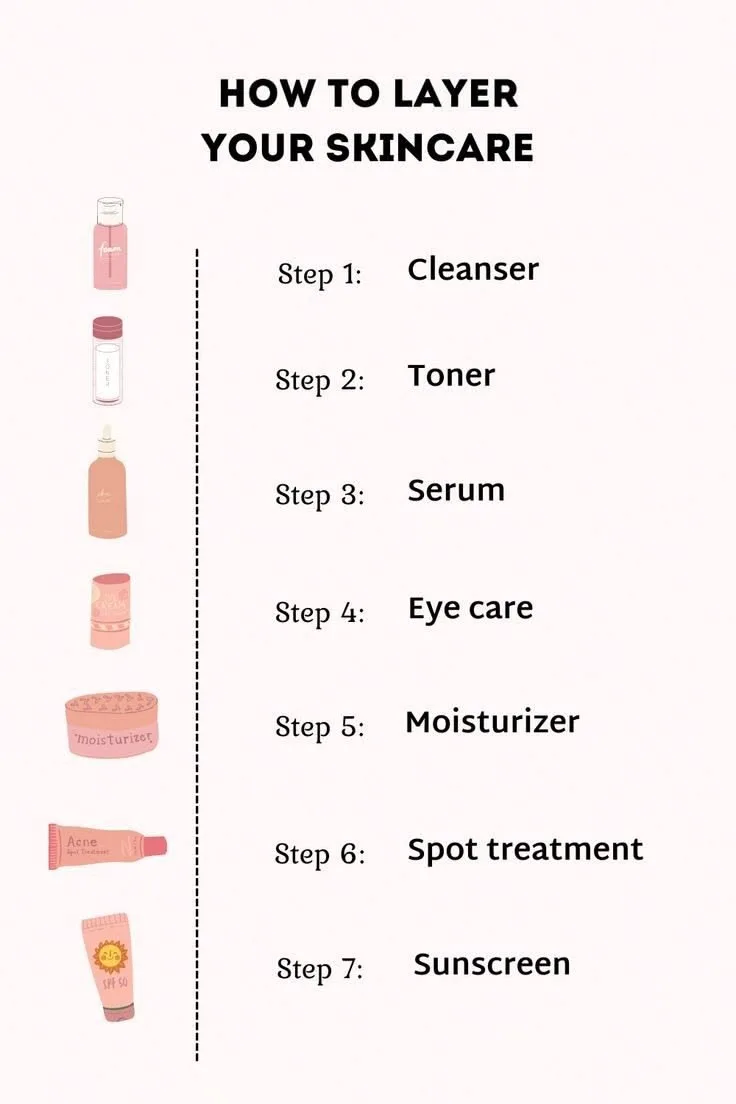
Cleansing Smartly for Moisture
The way you cleanse your skin sets the stage for your moisturizer. Harsh, stripping cleansers can remove not only dirt and impurities but also your skin's natural protective oils. This leaves your skin vulnerable and already on the path to dryness.
Aggregate reviews of cleansers consistently highlight gentleness as a key factor for maintaining skin moisture.
- Use Gentle Cleansers: Look for creamy, hydrating, or soap-free formulas.
- Avoid Hot Water: Lukewarm water is much kinder to your skin's barrier.
- Limit Frequency: Cleansing twice a day is usually sufficient for most skin types.
Applying Your Moisturizer: When and How Much
Timing and quantity are key for effective moisturizing. Applying moisturizer while your skin is still slightly damp after cleansing helps trap that surface moisture. Think of it as sealing in a fresh drink for your skin.
As of 2026, dermatologists widely recommend this practice for optimal hydration.
- The Golden Rule: Apply moisturizer within 1-3 minutes after cleansing.
- Amount Matters: Use enough to cover the area, but not so much that it feels heavy or greasy. A dime-sized amount is often sufficient for the face.
- Technique: Gently pat or press the moisturizer into your skin, rather than rubbing vigorously.
Beyond the Basics: Hydration Boosters
While a good moisturizer is essential, you can also incorporate other steps to boost hydration. Serums, particularly those with high concentrations of humectants like hyaluronic acid, can provide an extra layer of moisture. Think of them as a potent pre-drink for your skin before the main moisturizer.
- Hydrating Serums: Ingredients like hyaluronic acid and peptides are fantastic for drawing and holding moisture. They create a plump, dewy look and feel. Our research shows these can significantly improve surface hydration when used consistently.
- Facial Mists: These offer a quick pick-me-up, especially in dry office environments or during long flights. Look for mists containing glycerin or botanical extracts for added benefits. They can help revive makeup and refresh your skin between applications.
- Humidifiers: Especially critical during winter or in arid climates, a humidifier adds moisture back into the air. This prevents your skin from losing precious hydration to the dry atmosphere, which is a common issue noted in aggregate user feedback. Placing one in your bedroom is a great start.
Common Moisturizing Mistakes to Avoid
Even with the best intentions, it's easy to fall into habits that can actually hinder your skin's ability to stay moisturized. Being aware of these common pitfalls can save your skin from unnecessary dryness and irritation. Our research indicates these are frequently overlooked issues that can undo your efforts.
Over-Cleansing and Stripping Oils
One of the biggest mistakes is using harsh cleansers, especially those with sulfates or high alcohol content. These aggressively remove your skin's natural sebum, which is vital for maintaining its moisture barrier. Manufacturer specifications for gentle cleansers often highlight pH-balancing properties to avoid this.
- The Problem: Cleansers that strip natural oils leave skin vulnerable.
- The Result: Increased dryness, tightness, and potential irritation.
- The Fix: Switch to a hydrating, low-pH cleanser.
The Wrong Ingredients for Your Skin Type
Using a rich, heavy cream on oily skin can lead to breakouts and clogged pores, paradoxically making skin issues worse. Conversely, a super-light gel might not provide enough hydration for truly dry skin. What beauty products are good for beginners often emphasizes understanding one's own skin needs first.
- For Oily Skin: Avoid comedogenic ingredients; opt for oil-free.
- For Dry Skin: Seek out richer emollients and occlusives.
- For Sensitive Skin: Prioritize fragrance-free and minimal-ingredient formulas.
Neglecting Environmental Factors
Many people focus solely on products and forget about their surroundings. Living in a very dry climate without humidifying your home, or spending a lot of time in air-conditioned spaces, can constantly dehydrate your skin. This is why adapting your routine based on the season, like those suggested in how can i protect my skin every day, is so important.
- Dry Air: Low humidity in your home environment can draw out skin moisture.
- Wind and Cold: Harsh weather strips natural oils and moisture from exposed skin.
- Solution: Use a humidifier indoors and consider protective clothing outdoors.
FAQs About Keeping Skin Moisturized
How often should I moisturize?
For most people, moisturizing twice a day, once in the morning and once at night, is ideal. If you have very dry skin or live in a harsh climate, you might benefit from applying it more often, especially after washing your hands or face. Manufacturer recommendations for specific products can guide this, but general consensus points to this twice-daily frequency as a solid baseline.
Can I use body lotion on my face?
It's generally best to use products specifically formulated for the face. Facial skin is often more delicate and prone to issues like acne, while body lotions can be too heavy or contain ingredients that might clog facial pores. The formulation of facial moisturizers is often lighter and designed to address specific facial skin concerns.
Does moisturizer cause acne?
Not all moisturizers cause acne. The key is to choose non-comedogenic products, meaning they are formulated not to clog pores. If you have oily or acne-prone skin, look for lightweight, oil-free options.
Verified buyer feedback reports that switching to these types of moisturizers has helped many individuals manage breakouts.
What is the difference between a lotion, cream, and ointment?
These terms generally refer to the thickness and oil content of the product. Lotions are the lightest, with the highest water content, making them good for oily skin or daily use. Creams are thicker, with more oil and less water, providing more intense hydration for dry or normal skin.
Ointments are the thickest, containing a very high percentage of oil and minimal water, creating a strong occlusive barrier, best for very dry or compromised skin.
When should I see a dermatologist about dry skin?
If your dry skin is severe, persistent, itchy, or accompanied by redness or inflammation that doesn't improve with over-the-counter products, it's a good idea to consult a dermatologist. They can help diagnose underlying conditions, such as eczema or psoriasis, and recommend prescription treatments or specialized skincare routines. Early intervention can prevent discomfort and long-term skin health issues.