How Should I Store Nail Polish?
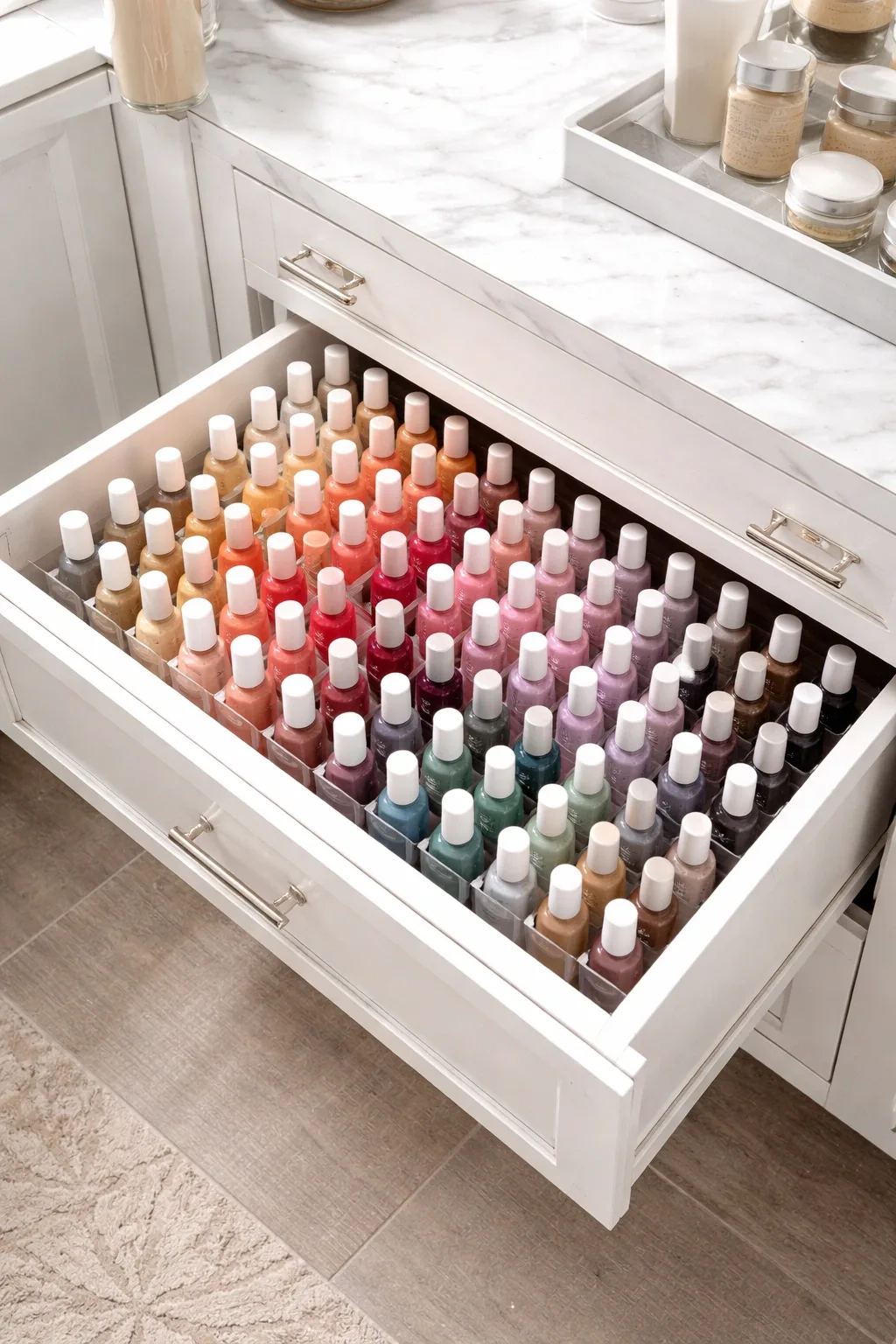
Image source: Bing (Web (fair-use with source credit))
So, how should I store nail polish to keep it from going bad? The simple answer is to treat it like most cosmetics: keep it cool, dry, and out of direct sunlight. Extreme temperatures and humidity can degrade the formula, causing it to thicken, separate, or even change color over time.
Manufacturer specifications often indicate that nail polish should ideally be stored at room temperature, typically between 68°F and 77°F (20°C to 25°C), to maintain optimal consistency and longevity. Keeping it in a dark place further protects its vibrant pigments from UV damage.
Where NOT to Store Your Nail Polish
You might be tempted to shove your nail polish collection into a cabinet or drawer that's convenient, but some common spots can actually harm your polish. Our research indicates that avoiding certain environments is key to preserving your favorite shades. Think about places with big temperature swings or high moisture.
- Bathrooms: These are humidity hotspots. Every time you shower or run a hot bath, the steam can get into the bottles. This moisture can break down the polish's solvents and ingredients, leading to a thicker, clumpy texture over time.
- Direct Sunlight: Never store polish where the sun can hit it. UV rays are a major culprit in fading colors and altering the chemical makeup of the polish. That pretty windowsill might look nice, but it's a no-go zone for your polish.
- Near Heat Sources or Cold Drafts: Radiators, heating vents, or even chilly windowsills create inconsistent temperatures. Rapid or extreme temperature fluctuations can cause the polish components to separate and affect its smooth application.
The Best Spots for Your Nail Polish Collection
The goal for storing nail polish is to find a place with stable conditions. We're looking for a spot that's dark, dry, and consistently cool. If you've ever wondered how to keep your polish usable for as long as possible, this is where you should focus.
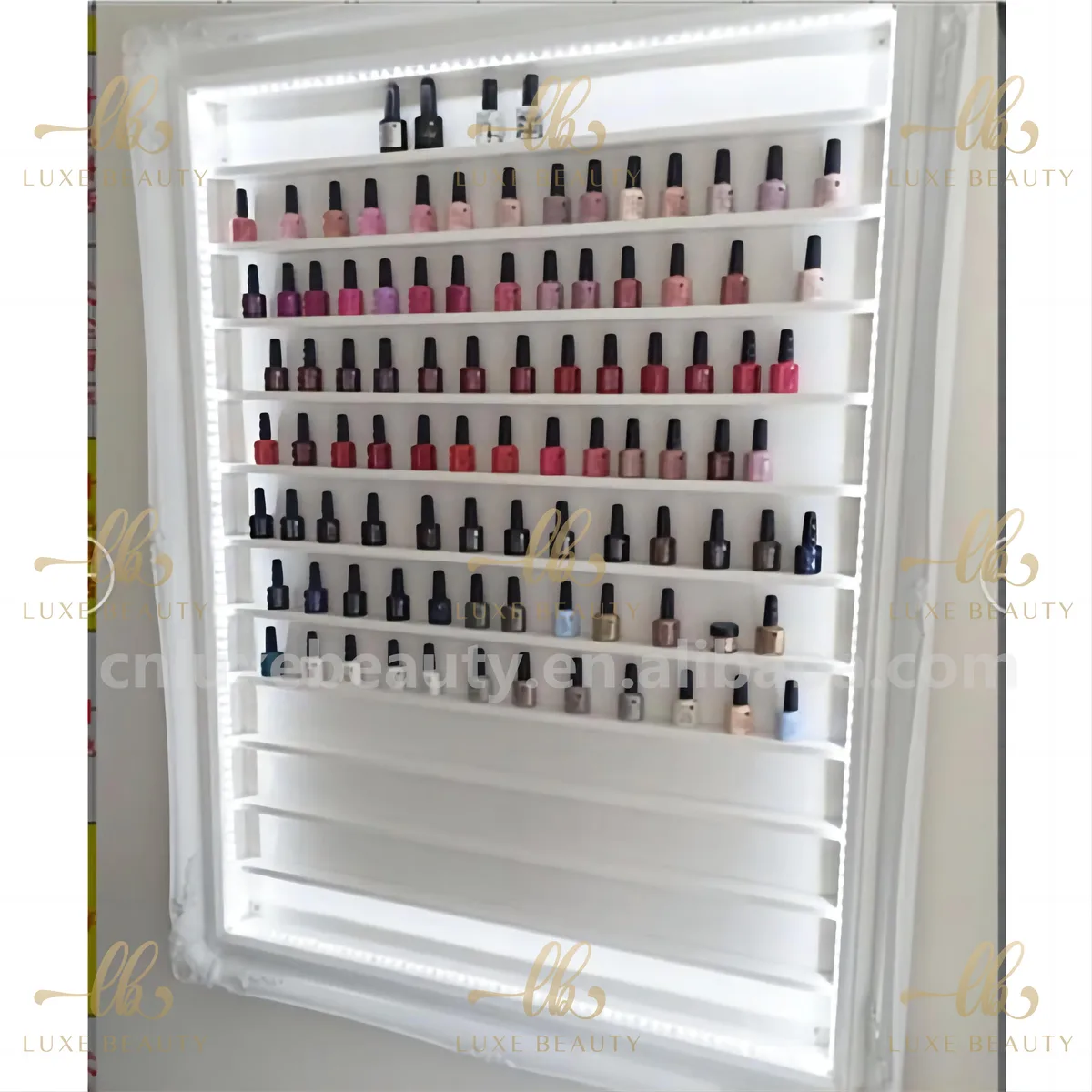
Image source: Bing (Web (fair-use with source credit))
- Drawers: A dresser drawer, vanity drawer, or even a desk drawer works wonders. They offer darkness and protection from major temperature shifts. If you have a lot of polish, you can use drawer dividers to keep things organized and prevent bottles from knocking against each other. This is one of the easiest ways to organize your beauty products.
- Storage Boxes or Containers: If drawers aren't an option, a sturdy box with a lid is a great alternative. You can use decorative boxes, plastic bins, or even an old makeup organizer. Just ensure the lid closes securely to block out light and dust. For tips on general cosmetic organization, you might find our guide on how can i organize my beauty products helpful.
- Nail Polish Racks: For serious collectors, wall-mounted racks or tiered organizers are a stylish choice. Just remember to place them in a location that avoids direct sunlight or drafty areas, like a spare room or a walk-in closet.
Temperature & Humidity: The Silent Killers
The stability of nail polish depends heavily on its environment. When exposed to inconsistent temperatures or high humidity, the chemical balance of the polish can be disrupted. Aggregate reviews report that polishes stored improperly often become unusable within months, whereas properly stored ones can last for years.
Nail polish contains solvents, film formers, plasticizers, and pigments. Manufacturers generally recommend storing these products within a temperature range of 68°F to 77°F (20°C to 25°C). Exceeding these limits, especially with rapid fluctuations, can lead to:
- Thickening: Solvents evaporate faster in warmer conditions, making the polish thick and difficult to apply.
- Separation: Temperature changes can cause the pigments to separate from the base, leading to an uneven consistency.
- Formula Degradation: Prolonged exposure to heat or moisture can break down the ingredients, affecting the polish's performance and lifespan. This is similar to how certain beauty products should I avoid if they are past their prime.
Light: Your Polish's Natural Enemy
Direct sunlight is a significant threat to the integrity of nail polish. The ultraviolet (UV) rays present in sunlight can interact with the pigments and other chemical components of the polish. This interaction can lead to a phenomenon known as photodegradation.
This process not only causes the color to fade, making your vibrant reds look dull or your pastels turn yellowish, but it can also alter the polish’s molecular structure. Some sources suggest that prolonged UV exposure, even indirect, can make the polish brittle and prone to chipping. Keeping your collection in a dark drawer or a closed container is the simplest way to combat this issue, ensuring the colors stay true as long as possible.
Drawer vs. Box vs. Rack: Choosing Your Storage Space
Deciding on the best storage method for your nail polish collection comes down to how much you have and the space available. Each option offers a way to keep your polish protected, but they have slight differences in accessibility and protection. For those with a few favorites, a simple box might be perfect, while larger collections might benefit from a dedicated rack.
- Drawer Storage:
- Best for: Small to medium collections.
- Pros: Offers excellent protection from light and temperature fluctuations. Keeps bottles upright and prevents them from rolling. Easy to access if the drawer is well-organized.
- Cons: Can become cluttered if not managed; may not fit very large bottles or sets.
- Storage Box/Container:
- Best for: All collection sizes, especially if drawer space is limited.
- Pros: Provides good light and dust protection. Portable, allowing you to move your collection easily. Can be found in decorative options to match your decor.
- Cons: Bottles may roll around inside if not secured. Requires regular opening and closing, which can expose polish to air briefly. This is a good general approach for how should I store beauty products in general.
- Nail Polish Rack:
- Best for: Large to extensive collections.
- Pros: Displays polish beautifully, making it easy to see and select shades. Offers quick access.
- Cons: Must be placed in a perfectly suitable environment (dark, cool, dry) as it's often open or partially exposed. Bottles are more susceptible to dust and light if not positioned carefully.
Simple Habits for Longer-Lasting Polish
Beyond just picking the right spot, a few small habits can significantly extend the life and usability of your nail polish. These are the kind of easy tweaks that make a real difference in your routine and ensure your polishes perform as intended. We've found that consistent application of these tips greatly improves the overall shelf-life.
Keeping Those Rims Clean
This might sound minor, but it's a crucial step for maintaining your polish. When you finish applying polish, there's often a little bit left around the rim of the bottle and on the inside of the cap. If this dries, it creates a sticky seal.
- The Problem: Dried polish on the rim makes bottles difficult to open. It can also force the cap on tighter than intended, potentially damaging the seal and allowing more air in over time.
- The Fix: Before you screw the cap back on, take a lint-free cloth or a cotton pad and gently wipe around the neck of the bottle. This removes excess polish, ensuring a clean seal every time. This small act prevents future frustrations and helps maintain product integrity.
The Gentle Mix: Rolling vs. Shaking
You've probably seen people vigorously shake their nail polish bottles. While this might seem like the quickest way to mix the ingredients, it's actually counterproductive. Shaking introduces a lot of air into the bottle.
- Why Shaking is Bad: All that trapped air creates bubbles. When you apply bubbly polish, it can lead to an uneven finish, potential air pockets under the polish, and a less durable manicure.
- The Better Method (Rolling): Instead of shaking, gently roll the bottle between the palms of your hands. Think of it like warming up a ball of clay. This action effectively mixes the pigment and base ingredients without whipping air into the formula. This is a core part of making your beauty routine more effective, as detailed in our research.
Mistakes to Avoid When Storing Nail Polish
Even with the best intentions, it's easy to fall into common traps that shorten your nail polish's lifespan. Our research indicates that understanding these pitfalls can save your collection from premature gooiness. Most issues stem from neglecting temperature control, moisture, or air exposure.
- Over-Tightening Caps: While a tight seal is good, forcing the cap on can sometimes damage the brush or the bottle rim, creating small gaps that let air in. It can also make the cap brittle over time. Aim for snug, not strained.
- Storing Near Electronics: Devices like heaters, humidifiers, or even certain charging stations can emit heat. This creates localized temperature spikes that are detrimental to polish stability.
- Neglecting the Rim: As mentioned, not wiping the rim means dried polish builds up. This can compromise the seal and lead to sticky, unusable bottles down the line. It's a small step that pays off big.
Nail Polish Storage: A Quick Decision Guide
This guide helps you pinpoint the best storage for your polish based on your unique situation. Consider your climate and the size of your collection to make the right choice.
| Your Situation | Recommended Storage Strategy | Primary Reason |
|---|---|---|
| Live in a humid climate | Opaque container in a dark drawer (away from bathroom) | Minimizes moisture and light exposure. |
| Live in a dry, stable climate | Drawer, box, or rack in a cool, dark room | Stable conditions are ideal; darkness still recommended for pigment longevity. |
| Small Collection (3-10 bottles) | Decorative box or a dedicated drawer section | Keeps essentials organized and accessible. |
| Medium Collection (10-30 bottles) | Medium-sized storage bin or a drawer with dividers | Balances organization and protection for accessibility. |
| Large Collection (30+ bottles) | Wall-mounted rack in a climate-controlled room or closet | Maximizes space and visibility, provided conditions are right. |
This decision framework ensures you're not just storing polish, but preserving its quality for as long as possible. If you’re looking for ways to enhance your overall beauty regimen, consider how optimizing storage fits into making your beauty routine more effective.
Frequently Asked Questions About Nail Polish Storage
How long does nail polish typically last when stored properly?
When stored correctly in a cool, dry, dark place, most nail polishes can last for about two to three years. Some formulas might last even longer, while others may start to thicken or separate sooner depending on their ingredients.
Can I store nail polish in the refrigerator?
While a cool environment is good, storing nail polish in the refrigerator isn't generally recommended. The extreme cold and potential condensation from condensation can be just as damaging as heat, potentially affecting the formula. A stable room temperature is best.
Does nail polish expire?
Yes, nail polish does expire, though it doesn't typically spoil in a way that makes it harmful. Over time, the solvents evaporate, causing it to thicken, separate, or dry out, making it difficult or impossible to use effectively. You can usually tell it's expired if the consistency is off or the color has changed.
What does it mean if my nail polish separates?
Separation means the pigments and the liquid base have started to divide. This is a common sign that the polish has been exposed to temperature fluctuations or has simply aged. Gently rolling the bottle between your hands usually remixes it.
If it doesn't reform a smooth consistency, it may be too old to revive.
Is it okay to store nail polish on its side?
No, it's best to always store nail polish bottles upright. Storing them on their side increases the chance of leaks if the cap isn't perfectly sealed, and it exposes a larger surface area of the polish to potential air or moisture.