What Temperature Should I Use on a Hair Straightener?
Image source: Bing (Web (fair-use with source credit))
What Temperature Should I Use on a Hair Straightener?
Figuring out what temperature to use on a hair straightener can feel like guesswork, but it doesn't have to be. Using the wrong heat can lead to serious damage, from breakage to frizz, making your hair look and feel worse. Getting this right means healthier, smoother hair that styles beautifully.
Understanding your hair type and how it reacts to heat is the biggest factor. Most professional straighteners offer a range of temperatures, often from 250°F up to 450°F, but you won't always need the highest setting. Choosing the correct temperature based on your hair’s condition is crucial for achieving desired styles without causing harm.
Quick Answer
The right hair straightener temperature depends on your hair type. Fine, damaged, or color-treated hair needs lower heat, around 250, 300°F (121, 149°C). Medium to wavy hair typically does best between 300, 375°F (149, 190°C).
Thick, coarse, or resistant hair can handle higher temperatures, often 375, 450°F (190, 232°C). Always start lower and increase if needed.
Your Hair Type is Key: A Quick Guide
What temperature should I use on a hair straightener? That's the million-dollar question, and the short answer is: it depends entirely on your hair. Think of it like cooking, you wouldn't use the same heat for a delicate fish as you would for a tough cut of beef, right?
Your hair is much the same.
Your hair's thickness, texture, and whether it's been chemically treated all play a huge role in how it responds to heat. Using too much heat on delicate strands is a recipe for damage, which can manifest as dryness, brittleness, and split ends. Our research indicates that most modern adjustable hair straighteners offer a range that allows for this customization, typically between 250°F and 450°F.
Understanding Straightener Temperature Scales and Settings
Most adjustable hair straighteners come with a digital display or a dial that shows the temperature, usually in Fahrenheit (°F) but sometimes in Celsius (°C) as well. Understanding what these numbers mean in relation to your hair is the first step. It’s not just about picking a number; it’s about knowing what that number does to your hair.
The plates inside the straightener heat up to the selected temperature. Ceramic, tourmaline, and titanium are common materials for these plates, and they heat differently and distribute heat a bit differently too. For example, titanium plates often heat up faster and hotter, while ceramic plates can offer more even heat distribution.
Regardless of the plate material, the principle remains the same: higher temperatures mean more heat applied to your hair. Manufacturer specifications often list an optimal operating range, but the real secret is tailoring this to your specific hair needs.
How to Choose the Right Heat Setting for Your Hair
This is where the decision-making really starts. We've broken it down by common hair types to help you dial in the perfect temperature for your straightener. Remember, these are starting points.
It’s always best to begin with a lower heat setting and gradually increase it if your hair isn’t straightening effectively.
Fine, Damaged, or Color-Treated Hair
If your hair is fine, fragile, prone to breakage, or has been chemically treated (like bleached, permed, or dyed), you need to be extra gentle. These hair types are more susceptible to heat damage, which can manifest as dryness, brittleness, and split ends.
- Recommended Temperature Range: 250°F to 300°F (121°C to 149°C).
- Why it works: This lower heat setting is enough to gently smooth the hair cuticle without causing excessive stress or drying out the strands. It helps reduce frizz and adds a bit of shine without compromising the hair's integrity.
- Avoid: High temperatures will fry these delicate strands quickly, leading to irreversible damage.
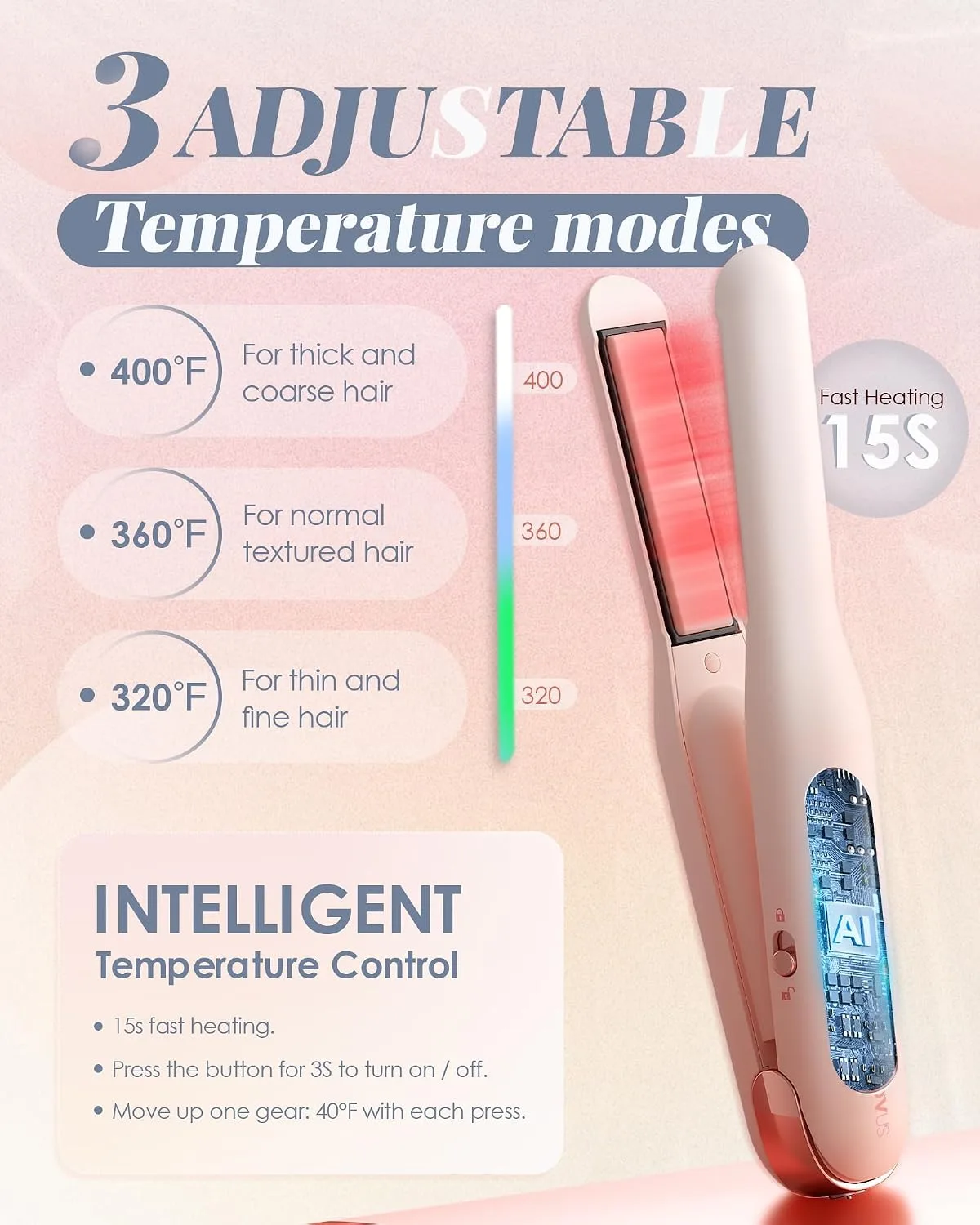
Image source: Bing (Web (fair-use with source credit))
If your hair is color-treated, keeping the temperature lower also helps preserve the vibrancy of your color for longer. The American Academy of Dermatology notes that heat styling can impact hair’s health, so minimizing direct heat exposure is always a good practice. If you find that the lower end of this range isn't quite enough to smooth your hair, try inching up in 10, 15°F increments, but never go above 350°F (177°C) for this hair type.
Medium or Wavy Hair
For hair that falls into the medium thickness category, or has a natural wave pattern, you have a bit more flexibility. This hair type is generally more resilient than fine or processed hair but still needs care to avoid heat damage.
- Recommended Temperature Range: 300°F to 375°F (149°C to 190°C).
- Why it works: This mid-range heat is usually sufficient to effectively relax the hair’s bonds, allowing it to be straightened smoothly and without excessive passes of the iron. It balances styling power with protection.
- Avoid: Going too low might mean you have to go over the same sections multiple times, which can also cause damage. Too high, and you risk unnecessary heat stress.
If you have a natural wave, you’ll likely find the upper end of this range (closer to 375°F) more effective for achieving a sleek, straight finish. For hair that’s just medium thickness without extreme waviness or curl, starting around 325°F (163°C) and adjusting as needed is a good strategy. It’s all about finding that sweet spot where your hair straightens efficiently without feeling dry or crunchy afterward.
Thick, Coarse, or Resistant Hair
Thicker, coarser, or naturally resistant hair types often require more heat to effectively relax the hair’s structure and achieve a smooth, straight style. These hair strands are typically stronger and can withstand higher temperatures, but it's still important not to go straight to the maximum setting without testing.
- Recommended Temperature Range: 375°F to 450°F (190°C to 232°C).
- Why it works: The higher heat helps to break down the disulfide bonds in the hair that give it its natural texture and shape, allowing it to be reformed into a straighter style. This often means fewer passes needed to get the job done.
- Avoid: Even with resistant hair, prolonged exposure to the highest settings (above 450°F) can still cause damage. And of course, never use these high temperatures on finer or treated hair.
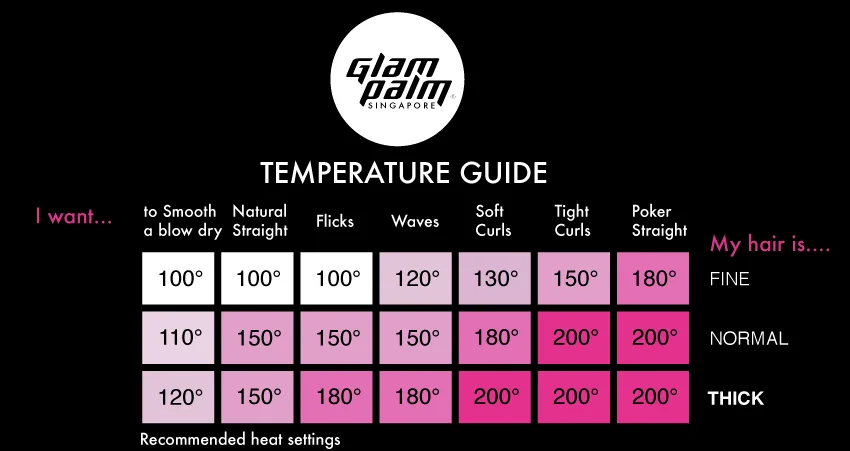
Image source: Bing (Web (fair-use with source credit))
For very tightly coiled or resistant hair, you might find yourself needing temperatures at the higher end of this spectrum, closer to 430°F or 450°F. However, it’s critical to perform a strand test first. Take a small, inconspicuous section of hair and try a temperature, then gradually increase it until you find what works effectively without causing immediate signs of heat damage like smoking or a "burnt" smell.
The Importance of Heat Protectant
No matter what temperature you choose, applying a heat protectant spray or serum before you start straightening is non-negotiable. This step acts as a shield, creating a barrier between your hair and the hot plates. Our research shows that these products can significantly reduce moisture loss and prevent heat damage.
They often contain ingredients like silicones, polymers, and proteins that help to smooth the hair cuticle and distribute heat more evenly. Think of it as a base layer before applying makeup. Without it, your hair is directly exposed to the heat, making it far more vulnerable to the problems we discussed.
Always ensure your hair is completely dry before applying heat protectant and straightening; applying these products to damp hair can essentially steam your hair, leading to severe damage. If you find your hair often feels dry, looking into how can I make lipstick last longer? for similar principles of barrier protection, though applied to the lips.
Common Mistakes That Damage Your Hair
We’ve all been there, rushing to get ready and maybe not being as careful as we should. But some common mistakes when using a hair straightener can undo all your styling efforts and damage your hair in the long run. Being aware of these pitfalls is key to avoiding them.
- Using a wet or damp straightener: Never use a straightener on wet or even slightly damp hair. The water on your hair will steam when it hits the hot plates, essentially boiling it from the inside out. This causes severe, often irreparable, damage. Your hair must be 100% dry.
- Skipping heat protectant: As mentioned, this is a critical step. Skipping it leaves your hair vulnerable to heat damage, no matter the temperature setting.
- Going too hot, too fast: Starting with the highest temperature setting is a common impulse, especially if you have thick hair. However, it’s always best to start lower and only increase the heat if absolutely necessary. You might find a slightly lower temperature on the higher end of the spectrum works just as well but causes less damage.
- Over-straightening: Spending too much time on one section, or going over the same section multiple times, increases heat exposure and the risk of damage. Aim for one smooth pass per section if possible.
- Using a damaged straightener: Plates that are scratched or chipped can snag and pull on your hair, causing breakage. Ensure your tool is in good condition. If you’re noticing your straightener isn’t heating evenly or is causing pulls, it might be time for a replacement. This is similar to how old, worn-out makeup brushes can affect application and how can I make makeup look natural?.
Expert Tips for Safe and Effective Straightening
Beyond just picking the right temperature, a few pro tips can elevate your straightening game and keep your hair healthier. These come from insights gathered from professional styling practices and manufacturer recommendations.
- Clean your plates regularly: Product buildup on straightener plates can transfer to your hair, making it look dull and potentially snagging strands. Wipe down the plates with a damp cloth after they've cooled down.
- Section your hair properly: Don't try to straighten large chunks of hair at once. Divide your hair into smaller, manageable sections (about 1-inch wide). This ensures even heat distribution and requires fewer passes.
- Maintain consistent tension: Glide the straightener through each section with consistent, gentle tension. Too much pressure can pull and break hair, while too little might leave you with uneven results.
- Consider your hair's porosity: Porous hair absorbs and loses moisture quickly. If your hair is highly porous, it might dry out faster with heat, so be extra vigilant with heat protectant and temperature. Hair porosity is an important factor for many hair care routines.
- Invest in quality tools: While not always the most expensive, a good quality hair straightener with adjustable temperature settings and smooth plates will make a significant difference. Look for brands that are well-regarded for durability and performance.
By following these guidelines, you can achieve that sleek, straight look you love while minimizing the risk of heat damage. It’s about working smarter, not just hotter.
Frequently Asked Questions About Straightener Temperatures
What's the difference between Fahrenheit and Celsius on my straightener?
Fahrenheit (°F) and Celsius (°C) are just different scales for measuring temperature. Most straighteners sold in the US use Fahrenheit, while those in Europe and other regions often use Celsius. Roughly, 250°F is about 121°C, and 450°F is about 232°C.
You’ll need to know which scale your tool uses to set the right heat for your hair.
Can I use my straightener on damp hair?
Absolutely not. Using a hair straightener on damp hair causes steam to form inside the hair shaft, essentially boiling it. This leads to severe damage, breakage, and can even cause permanent structural changes to your hair.
Always ensure your hair is completely dry before using any heat styling tool.
My hair still isn't straightening. Should I just turn up the heat?
Not immediately. While higher heat might seem like the solution, it's better to first ensure you're using proper technique. Try taking smaller sections of hair, ensuring you’re holding the straightener with consistent tension, and gliding it smoothly down the hair shaft.
If you've tried these techniques and are still struggling, then consider increasing the temperature by small increments, perhaps 10-15°F, and always reapply heat protectant if you've gone over sections multiple times.
How often should I straighten my hair?
This depends heavily on your hair type and how you treat it otherwise. For fine, damaged, or color-treated hair, straightening more than once or twice a week might lead to cumulative damage, even with careful heat application. Thicker, healthier hair might tolerate straightening more frequently.
Listening to your hair is key; if it starts feeling dry, brittle, or looks dull, reduce the frequency and ensure you’re using good hair care practices between styling sessions.
Will using a higher temperature make my hair straighter for longer?
Not necessarily. While higher heat can sometimes relax the hair’s bonds more effectively, making it straighter initially, it also increases the risk of heat damage. Damaged hair often becomes frizzy and loses its sleekness faster.
Often, achieving long-lasting straightness is more about proper technique, using the right products, and maintaining hair health than simply cranking up the heat. A moderate temperature used correctly can yield better, longer-lasting results without compromising hair health.