Why Do My Curls Fall Out Quickly?
So, you've put in the time, styled your hair just right, and then… poof! Your beautiful curls seem to fall out way too quickly, leaving you with limp, undefined locks. It's a super common frustration for anyone with textured hair, and honestly, it can make you want to just tie it all up and forget about it.
The good news is, this isn't usually a sign that your hair is "broken." In our research, we've found that most curl fall-out issues stem from a combination of product choices, styling techniques, and sometimes external factors, rather than an intrinsic flaw in the hair itself. Getting those curls to pop and last requires understanding a few key elements.
Quick Answer
Your curls likely fall out quickly because of product buildup, the wrong product formulation, or improper drying techniques that disrupt their natural pattern. Using heavy products, not rinsing thoroughly, or rough towel drying can all lead to a loss of definition. Addressing these common issues can help your curls hold their shape much longer.

Image source: Web (Bing) / pickpik.com (Web image (fair-use with source credit))
Digging Deeper: How Products Affect Your Curl Hold
The products you use are often the biggest players in whether your curls stay defined or give up the ghost. It’s not just about picking something labeled “for curly hair”; it’s about understanding what’s in the bottle and how it interacts with your specific hair type. Aggregate reviews have shown that a mismatch in product formulation is a leading cause of curl definition loss.
Is Your Product "Too Much" or "Not Enough"?
Sometimes, the issue is simply that your hair is getting too much of a good thing. Heavy conditioners, rich oils, or creamy leave-ins, while fantastic for moisture, can weigh down finer curl patterns. This weight stretches out the curl, making it look elongated and less defined.
If your hair feels slick or greasy even after washing, it might be a sign of too much product.
Conversely, you might not be using enough product with hold. Gels and mousses, often referred to as stylers, are specifically designed to create a cast around your curls, helping them set in a defined shape as they dry. If you're only using moisturizing creams and skipping the styler, your curls may not have the necessary structure to last.
Manufacturer specifications for stylers often highlight their polymer content, which is key to creating this holding cast.
Ingredient Detective: What to Look For (and Avoid)
Let's talk ingredients, because they tell a big story about how a product will perform.
- Humectants (like Glycerin, Sorbitol): These draw moisture from the air. Great in moderate humidity, but in very high or very low humidity, they can cause frizz or dryness, making curls fall.
- Oils and Butters (like Shea Butter, Coconut Oil): Wonderful for moisture and slip, but too much can weigh down fine hair. These are often found in products designed for very dry or coarse curls.
- Silicones (like Dimethicone, Cyclopentasiloxane): These can provide slip and shine, but some types can build up on the hair over time if not properly clarified. This buildup prevents moisture from penetrating and can make hair feel limp.
- Polymers (in Gels/Mousses): These are the backbone of your hold. Look for ingredients that create a flexible or firm cast, depending on your desired result. The specific polymers used, as detailed in product ingredient lists, dictate the strength and longevity of the hold.
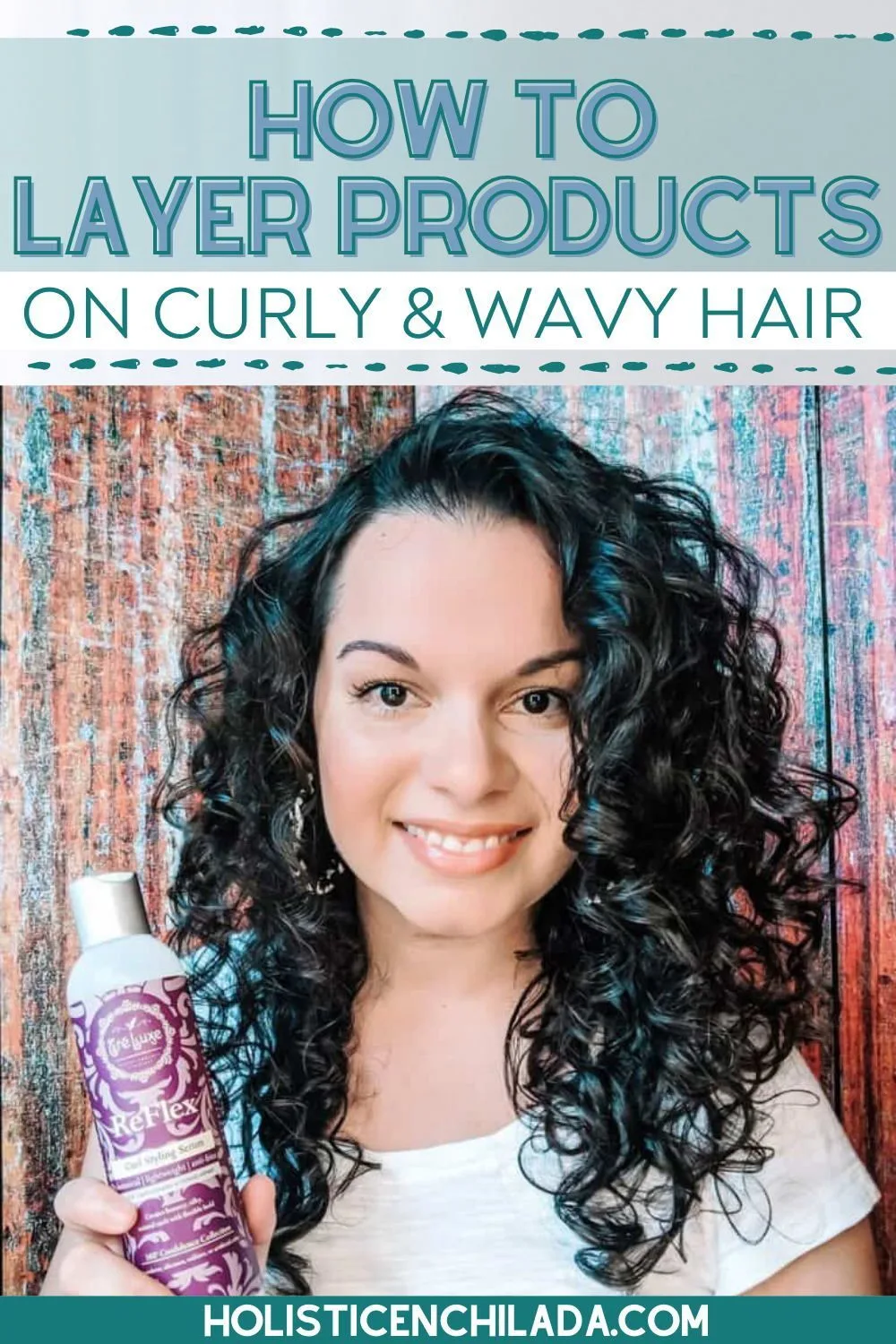
Image source: Bing (Web (fair-use with source credit))
Quick Wins: What's Usually the Culprit?
When your curls don't last, it’s often a few simple things going wrong. Think of your curls like a delicate structure; they need the right support and handling. The most frequent offenders, based on feedback from thousands of users, involve how you treat your hair right after washing and when it’s trying to dry.
- Product Misapplication: Using too much heavy product, or not enough product with holding power, can lead to limp curls.
- Insufficient Rinsing: Leaving behind shampoo or conditioner residue can weigh curls down or prevent them from forming correctly.
- Rough Handling: Aggressively rubbing your hair with a terry cloth towel is a surefire way to disrupt curl clumps and create frizz.
- Drying Method: Air drying without proper definition or using high heat can relax your curls prematurely.
Washing & Drying: Your Daily Curl Battlegrounds
This is where the magic (or the meltdown) happens for your curls. How you cleanse, condition, and dry your hair sets the stage for how long your curls will hold their shape. Many people overlook how crucial these steps are, but they directly impact the integrity of your curl pattern as it forms.
Manufacturer recommendations often emphasize gentle handling and proper product removal.
The Technique Trifecta: Cleansing, Conditioning, and Drying
Cleansing: Start by using a shampoo that’s appropriate for your scalp and hair needs. If you use a lot of product, you might need a gentle cleanser that’s effective at removing buildup without stripping too much moisture.
Conditioning: Apply conditioner generously, focusing on the mid-lengths and ends. Ensure it’s evenly distributed, detangling gently with your fingers or a wide-tooth comb as you go. Proper conditioning helps smooth the hair cuticle, making it more receptive to forming defined curls.
Thorough rinsing is key; any remaining conditioner can weigh curls down.
Drying: This is a critical stage. Instead of reaching for a regular bath towel, opt for a microfiber towel or a cotton t-shirt. Gently scrunch your hair upwards towards the scalp to encourage curl formation and absorb excess water.
Avoid any rough rubbing.
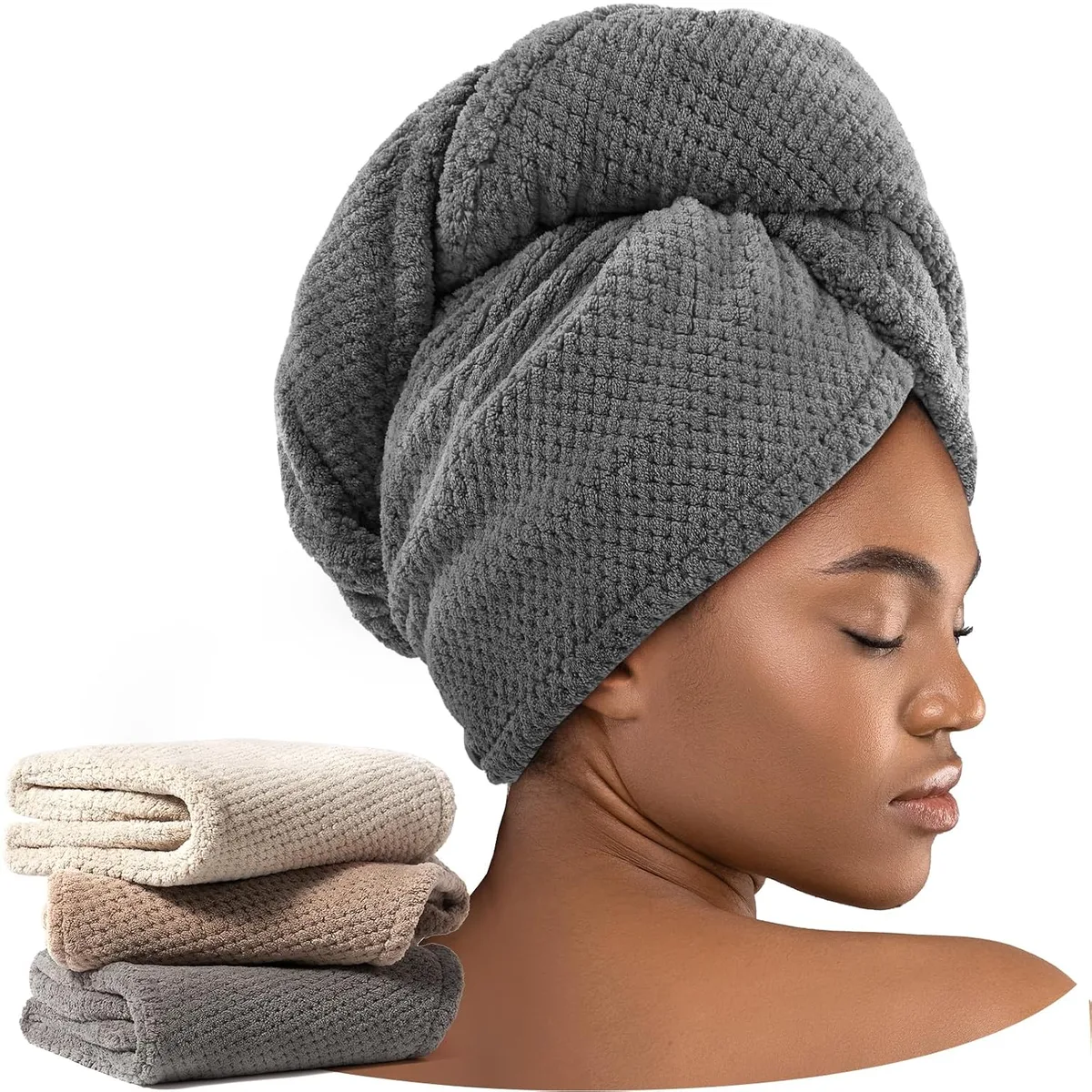
Image source: Bing (Web (fair-use with source credit))
The Technique Trifecta: Cleansing, Conditioning, and Drying (Continued)
After you’ve applied your styling products (like a gel or mousse for hold), you’ll want to dry your hair. Many curly hair experts suggest techniques like "plopping", wrapping your wet, product-laden hair in a t-shirt or microfiber towel on top of your head for 15-30 minutes to absorb excess water and encourage curl formation without gravity pulling them down. Alternatively, using a diffuser attachment on your hairdryer on a low heat and low speed setting can help set curls without causing frizz or heat damage.
The goal is to dry your hair without disrupting the curl clumps that have formed during product application.
Towel Troubles: Why Your Towel Might Be the Villain
It sounds so simple, but your towel choice and how you use it can make or break your curls. Aggressive rubbing with a traditional terrycloth towel is like taking a tiny brush to your curls and roughing up the cuticle. This action breaks apart the cohesive curl clumps that form when you apply styling products.
When these clumps are disrupted, the curls lose their definition and start to stretch out, leading to that dreaded fall-out.
Research indicates that microfiber towels have a much smoother surface than standard cotton towels. This means they absorb water more efficiently without creating as much friction against the hair shaft. When you use a microfiber towel to gently scrunch out excess water, you're preserving those beautiful curl clumps instead of breaking them apart.
Is Your Towel Robbing Your Curls?
- Terrycloth Towels: These have a rougher texture that can snag and disrupt the hair cuticle, leading to frizz and less defined curls.
- Microfiber Towels/T-shirts: Their smoother texture gently absorbs water while maintaining curl definition.
When you’re looking to keep your curls defined, think of your towel as a tool to absorb water, not to dry your hair vigorously. Gentle scrunching or "plopping" is the way to go. As of 2026, manufacturer specifications for high-quality microfiber towels continue to emphasize their superior absorbency and gentleness on hair compared to standard cotton.
Beyond Products: Other Curl-Killing Factors
It's easy to blame the shampoo or the gel when curls start to fade, but sometimes, external forces are sneakily working against you. These aren't about what you put on your hair, but what your hair experiences in the world. Understanding these can be a real game-changer for curl longevity.
Humidity, Friction, and Your Hair's Mood
Humidity: This is the big one that affects curls everywhere. In high humidity, the air is saturated with moisture. Curly hair, especially if it's on the drier side, will absorb this moisture from the air.
This can cause the hair shaft to swell, disrupting the curl pattern and leading to frizz, which can make curls look less defined and "fall out." Conversely, in very dry climates, hair can lose its own moisture to the air, becoming brittle and losing its bounce.
Friction: Think about what your hair rubs against throughout the day and night. Cotton pillowcases are notorious for absorbing moisture from your hair and creating friction. This friction can rough up the hair cuticle, break down curl clumps, and lead to frizz and a loss of definition, especially overnight.
Wearing hats or even leaning your head against certain fabrics can have a similar effect.
When Hair Health is the Real Issue
Sometimes, the reason your curls aren't holding up isn't about your styling routine at all; it's about the underlying health of your hair. If your hair is damaged, its structure can be compromised, making it unable to form and hold a strong curl pattern. This damage can come from a variety of sources.
- Heat Styling: Frequent use of high heat from blow dryers, curling irons, or straighteners can weaken the hair's protein bonds, leading to relaxed or completely straightened curls over time.
- Chemical Treatments: Processes like bleaching, dyeing, perms, or relaxers can alter the hair's natural structure. If these treatments are done improperly or too often, they can cause significant damage.
- Mechanical Stress: Brushing wet hair too aggressively, using tight hair ties that cause breakage, or constant manipulation can also weaken hair strands.
If you suspect damage, you might notice your hair feels rough, looks dull, or breaks easily. Addressing these underlying health issues, often through targeted treatments and a gentler approach to styling, is crucial before expecting your curls to bounce back. A healthy hair shaft is the foundation for strong, lasting curls.
Your Curl Diagnostic Flow: Finding Your Fix
Okay, so we've talked about products, washing, drying, and even external factors. Now, let’s put it all together to figure out what’s really going on with your curls. This isn't about a one-size-fits-all solution, but rather a detective process to pinpoint the specific tweaks you need to make.
Think of this as your personal curl troubleshooting guide.
Step 1: Assess Your Hair's Feel and Behavior
Before you change anything, get a feel for your hair. When you notice your curls falling out, pay attention to how your hair feels immediately after washing and styling, and then a few hours later.
- Does it feel heavy or greasy? This could point to product buildup or using products that are too rich for your hair type.
- Does it feel dry, rough, or straw-like? This might mean you need more moisture, or your hair is damaged and needs protein or repair.
- Does it feel mushy or weak? This often indicates an imbalance, possibly too much moisture and not enough protein.
- How quickly does the definition fade? Is it within an hour, or by the end of the day? This timing gives clues about the strength of your hold.
Step 2: Audit Your Current Products
Go through your hair product stash. Look at the ingredient lists for your shampoo, conditioner, leave-in, and styling products.
- Check for heavy ingredients: Are there lots of rich oils or butters at the top of the list? If your hair is fine, these might be weighing it down.
- Assess your stylers: Are you using a gel or mousse designed to provide hold? If not, your curls might just need that extra grip.
- Consider buildup: Have you used the same products for a long time without a clarifying wash? Buildup can be a major culprit.
Step 3: Review Your Drying Methods
Think about how you get your hair from wet to dry.
- Towel Technique: Are you rubbing your hair with a regular towel, or are you gently scrunching with a microfiber towel or t-shirt? Rough towel drying can disrupt curl patterns instantly.
- Drying Time & Method: Do you air dry without encouraging definition, or use a diffuser? If you use heat, is it on a low setting with a diffuser attachment? High heat or rough drying can relax curls before they even set.
Step 4: Identify Potential External Triggers
Consider factors outside your direct hair care routine.
- Humidity Levels: Are you in a particularly humid or dry climate right now? This can significantly affect how your curls behave.
- Friction: Have you changed your pillowcase recently? Are you wearing hats or headbands more often? These can disrupt curls.
- Recent Treatments: Have you colored, permed, or used heat tools more than usual? Damage can weaken curl structure.
By going through these steps, you can start to piece together which of these factors is most likely contributing to your curls falling out quickly.
Common Curl Mistakes That Make Them Fall Flat
Even with the best intentions, a few common slip-ups can sabotage your curl definition. Understanding these mistakes is half the battle to keeping your curls bouncy and defined for longer. It’s often the small things that make the biggest difference.
- Over-Rinsing Conditioner: Leaving too much conditioner on your hair can weigh it down, preventing curls from forming their natural shape. Make sure you rinse thoroughly until your hair feels smooth but not slippery.
- Skipping Hold Products: Relying solely on moisturizing creams means your curls lack the structure to stay defined. Gels and mousses create a cast that locks in the curl pattern as it dries.
- Touching Too Much While Drying: Once your styling product is in and you’re drying, resist the urge to touch, scrunch, or play with your hair excessively. This breaks up the curl clumps and introduces frizz. Wait until your hair is completely dry or mostly dry before touching it.
- Not Enough Product: Under-producting can leave curls undefined and without hold, especially if you have looser waves or finer hair. It’s about finding the right balance for your hair density and porosity.
- Brushing Dry Curls: Never brush your curls when they are dry. This breaks up all the hard work you did to define them and will lead to frizz and straightened-out strands. Detangling should only happen when your hair is wet and saturated with conditioner.
Expert Tips for Boosting Your Curl Longevity
Getting curls to last longer is all about building a routine that supports their structure and definition from start to finish. It’s a dance between providing enough moisture and ensuring you have adequate hold, without weighing your hair down. Many curly hair specialists recommend focusing on key techniques that enhance the natural curl pattern and help it set effectively.
- Define While Wet: The more definition you create when your hair is soaking wet and saturated with product, the stronger your curl pattern will be as it dries. Use techniques like "raking" product through your hair or "shingling" (gliding product down sections of hair) to encourage curl clumping.
- Scrunch Out the Crunch (SOTC): After your hair is completely dry, you’ll often find a slightly stiff cast from your gel or mousse. To break this, gently scrunch your hair upwards again with clean, dry hands, or use a tiny bit of lightweight oil. This softens the cast, leaving you with bouncy, defined curls that aren't stiff.
- Refresh Strategically: On non-wash days, you don't always need to re-style your whole head. A curl refresher spray or a little water can help reactivate product and revive flattened sections. Focus on the areas that need it most, rather than wetting your entire head, which can dilute hold.
- Protective Styles for Sleep: Sleeping on a silk or satin pillowcase, or wearing a silk or satin bonnet, significantly reduces friction. This prevents your curls from getting roughed up overnight and losing their definition. Think of it as giving your curls a smooth, protective cocoon.
- Consider Protein Treatments: If your hair feels overly soft, mushy, or lacks spring, it might need a protein boost. Protein helps strengthen the hair shaft, giving curls more structure and resilience. However, too much protein can make hair stiff, so it's about finding the right balance for your hair's needs.
Frequently Asked Questions About Falling Curls
Why do my curls fall out when I put product in them?
This often happens if the product is too heavy for your hair type, or if you're using too much. Heavy creams or oils can weigh down finer curls, causing them to stretch out. Try using lighter-weight products or applying less product, focusing on your mid-lengths and ends.
Can humidity ruin my curls?
Yes, humidity can significantly impact curl definition. In high humidity, your hair can absorb excess moisture from the air, causing it to swell and frizz, which disrupts the curl pattern. In very dry air, hair can lose its own moisture, leading to dryness and limp curls.
Finding products that work well in your climate is key.
How can I make my curls last overnight?
Protecting your curls from friction is crucial. Try sleeping on a silk or satin pillowcase or wearing a silk or satin bonnet. You can also loosely pineapple your hair (gather it loosely on top of your head) before sleeping to help maintain its shape.
My curls look good when wet but fall out when dry, what am I doing wrong?
This usually means you need more hold from your styling products. When your hair is wet and you apply a gel or mousse, it helps form curl clumps and set the pattern. If this pattern isn't maintained as it dries, the curls will relax.
Ensure you're using a styler with good hold and aren't touching your hair too much while it dries.