How Can I Make Makeup Last All Day?
Image source: Bing (Web (fair-use with source credit))
How Can I Make Makeup Last All Day?
You're probably asking, "How can I make makeup last all day?" because you're tired of seeing your carefully applied look fade or slide by midday. It’s a common frustration, but the good news is that with the right approach, you can significantly extend your makeup's wear time. It’s all about preparation and understanding how different products interact with your skin.
Our research shows that a structured routine, focusing on skin prep and strategic product application, can achieve makeup that stays put from morning till night. As of 2026, manufacturers are increasingly emphasizing long-wear formulations and multi-purpose primers, but technique remains paramount. Let's break down how to build that lasting makeup.
Quick Answer
To make makeup last all day, prep your skin with proper cleansing and hydration. Apply a suitable primer to create a smooth base. Use long-wear foundation and concealer, set with powder, and finish with a setting spray.
Proper application and product selection are key.
Prep Your Skin: The Unskippable Foundation for Longevity
This is where the magic truly begins, and honestly, it’s the most critical step many people rush through. Think of your skin as the canvas for your makeup; if the canvas isn’t properly prepared, even the best paints won’t adhere well or look their best. Getting this right means your foundation and other products have something stable to cling to.
Skincare Steps for Makeup Grip
A solid skincare routine is the bedrock of makeup longevity. It ensures your skin is balanced, hydrated, and ready to accept makeup without excessive oiliness or dryness interfering.
- Cleanse thoroughly: Start with a gentle cleanser to remove any dirt, oil, or leftover product. This creates a fresh surface.
- Tone (optional but helpful): A toner can help rebalance your skin's pH, which primes it for better product absorption and smoother makeup application.
- Hydrate appropriately: Use a moisturizer suited to your skin type. For oily skin, opt for a lightweight, oil-free, or gel-based formula that won't feel heavy. Dry skin types benefit from richer creams, but it’s essential to let them absorb fully before proceeding.
- Sunscreen is non-negotiable: Always apply SPF, and ensure it has had time to sink into the skin before applying makeup.
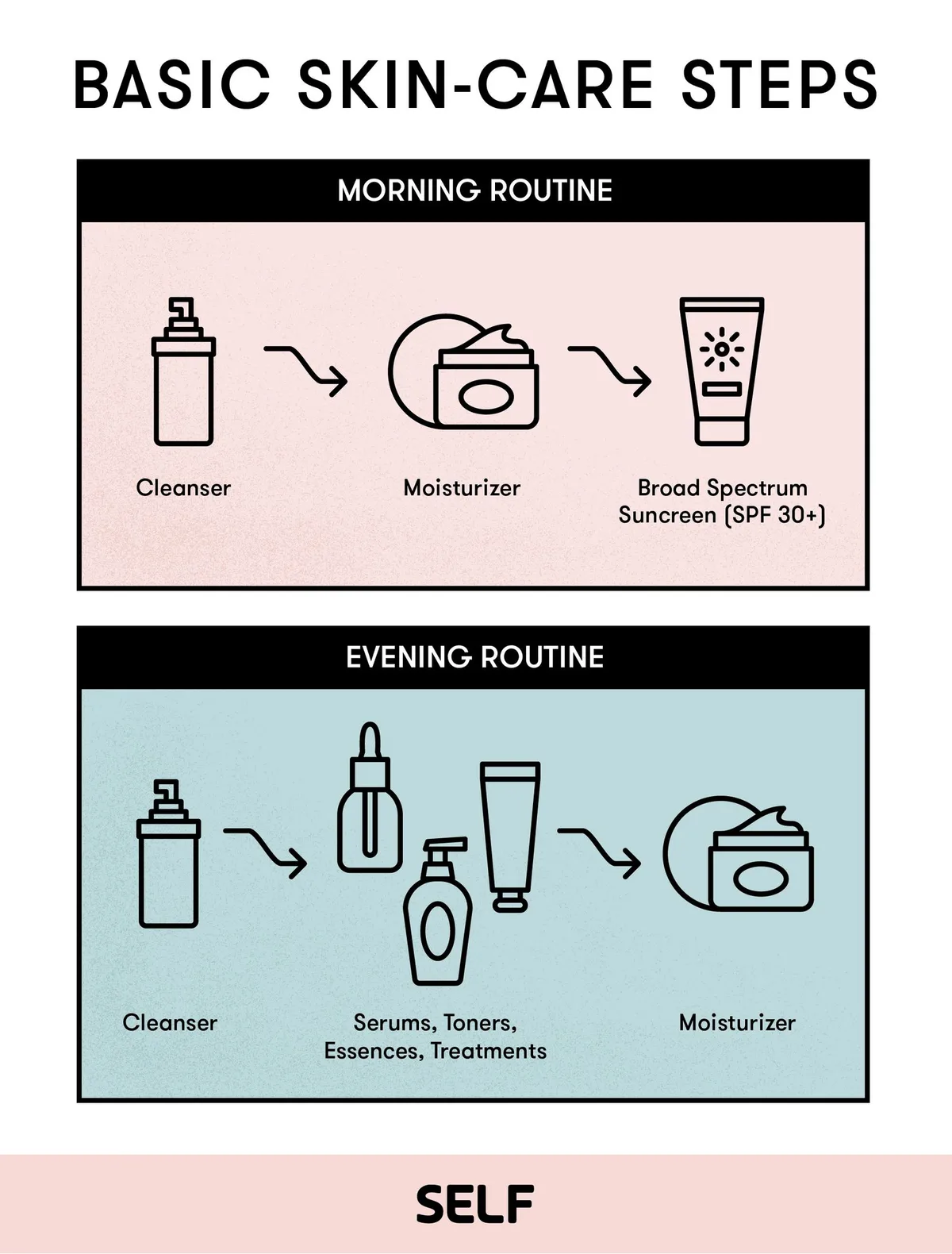
Image source: Bing (Web (fair-use with source credit))
Moisturizer Choices for Your Skin Type
The type of moisturizer you use directly impacts how your makeup wears.
- For Oily or Combination Skin: Look for terms like "oil-free," "gel," "water-based," or "mattifying." These formulas hydrate without adding excess oil, which can cause makeup to break down or slide off. Over-hydrating oily skin can actually trigger more oil production.
- For Dry or Normal Skin: A cream-based moisturizer will provide essential hydration. Ensure it sinks in completely, about 5-10 minutes, to avoid a greasy layer that compromises makeup adhesion. If your skin is very dry, a richer cream or even a facial oil (applied very sparingly and allowed to absorb) can help create a smoother base.
The Power of Primer: Creating Your Makeup's Best Base
Primer acts as a bridge between your skin and your makeup. It smooths out the skin's texture, minimizes pores and fine lines, and helps your foundation and other products stick better, preventing them from sliding or settling into creases. Think of it as an undercoat for paint; it makes the final finish much smoother and more durable.
Primer Types and What They Do
Choosing the right primer is crucial and depends on your specific skin concerns.
- Mattifying Primers: These are excellent for oily skin types. They contain ingredients that help absorb excess oil, creating a matte finish and preventing shine throughout the day.
- Hydrating Primers: If your skin is dry or prone to flakiness, a hydrating primer will add moisture and create a plumper, smoother canvas. This prevents dry patches from showing through foundation.
- Pore-Filling Primers: These often have a silicone-like texture and are designed to blur enlarged pores and fine lines, creating an incredibly smooth surface for makeup.
- Color-Correcting Primers: Available in shades like green (for redness), peach/orange (for dark circles/discoloration), and lavender (for dullness), these primers neutralize specific undertones before foundation is applied.
- Long-Wear Primers: Some primers are specifically formulated with polymers to enhance makeup adhesion and longevity across all skin types.
Applying Primer for Maximum Hold
Applying primer correctly is just as important as choosing the right one.
- Use a small amount: You only need a pea-sized amount for your entire face. Too much can make makeup feel heavy or pill.
- Pat, don't rub: Gently pat the primer onto your skin with your fingertips or a clean brush. This helps it melt into the skin rather than sitting on top.
- Focus on problem areas: Concentrate application on areas where makeup tends to fade first, like the T-zone, cheeks, or chin.
- Allow it to set: Give the primer at least 1-2 minutes to dry down and create its gripping effect before applying foundation.
Foundation & Concealer: Building Your Coverage Strategically
Foundation and concealer are the core of your base makeup. Their formula and application directly influence how well they wear and how they look over time. Opting for products specifically designed for longevity can make a significant difference.
Choosing the Right Formula
The formulation of your foundation and concealer plays a massive role in its staying power. As of 2026, many brands offer "long-wear," "transfer-resistant," or "oil-free" formulas that are engineered for durability.
- For Oily Skin: Look for oil-free, matte, or semi-matte liquid foundations or long-wear powder foundations. These absorb excess oil and resist fading or creasing. Many matte foundations have specs indicating they offer up to 16 hours of wear.
- For Dry or Normal Skin: While matte formulas can work, sometimes they can emphasize dryness. Consider hydrating long-wear foundations or satin-finish formulas. Cream-based foundations can also offer good longevity if your skin isn't overly oily.
- Concealer: Choose a concealer with similar long-wear properties to your foundation. For under-eyes, a hydrating, crease-resistant formula is usually best, while for blemishes, a more matte, full-coverage option might offer better durability.
Application Techniques for a Seamless Finish
How you apply these products impacts their performance.
- Damp Sponge: A damp beauty sponge can give a natural, airbrushed finish. It helps to press the foundation into the skin rather than just sitting on top. Ensure the sponge is well wrung out, it should feel firm, not dripping.
- Dense Brush: A foundation brush can offer more controlled application and buildable coverage. Work the product into the skin in light, sweeping motions.
- Minimalism is Key: Apply foundation in thin layers, starting from the center of your face and blending outwards. You can always add more coverage where needed. Over-applying can lead to a cakey appearance that fades unevenly.
- Blend, Blend, Blend: Ensure there are no harsh lines, especially around the hairline and jawline. Seamless blending helps the makeup look like a natural extension of your skin. For concealer, gently tap and blend the edges into your foundation.
Setting Your Makeup: Locking It In for the Long Haul
Setting your makeup is like putting a protective seal on it. This step helps to absorb any excess oils, prevents products from moving, and ensures everything stays in place. It’s the crucial phase that bridges the gap between application and all-day wear.
Powder Power: Mattifying and Baking
Setting powder is a staple for increasing makeup longevity, especially for those with oily or combination skin.
- Finely Milled Powders: These are preferred as they blend seamlessly into the skin, offering a soft-focus effect rather than a chalky finish.
- Application Methods:
- Light Dusting: Use a large, fluffy brush to lightly sweep powder over your entire face, focusing on the T-zone where oiliness is most common. This sets liquid and cream products and mattifies the skin.
- "Baking": This technique involves applying a generous amount of translucent powder to areas that tend to crease or get oily (like under the eyes or the T-zone). Let it sit for 5, 10 minutes, allowing the powder to absorb oil and effectively "bake" into the skin. Then, gently brush away the excess with a clean fluffy brush. Baking provides intense oil control and helps prevent creasing, especially for concealer.
Setting Spray: The Final Sealant
A good setting spray is the final, often underestimated, step in achieving makeup that lasts. It helps to meld all the powdery layers with your cream and liquid products, creating a more cohesive, skin-like finish and boosting overall wear time.
- Purpose: Setting sprays essentially lock your makeup in place, helping to prevent fading, transfer, and makeup breakdown caused by oil and sweat.
- Application: Hold the bottle about 8, 12 inches from your face. Close your eyes and mist evenly over your entire face. Some people prefer an "X" or "T" motion. Allow the spray to air dry completely without touching your face. This can take a minute or two.
- Types: You can find matte setting sprays for oil control, dewy sprays for a radiant finish, and all-day wear formulas designed purely for longevity.
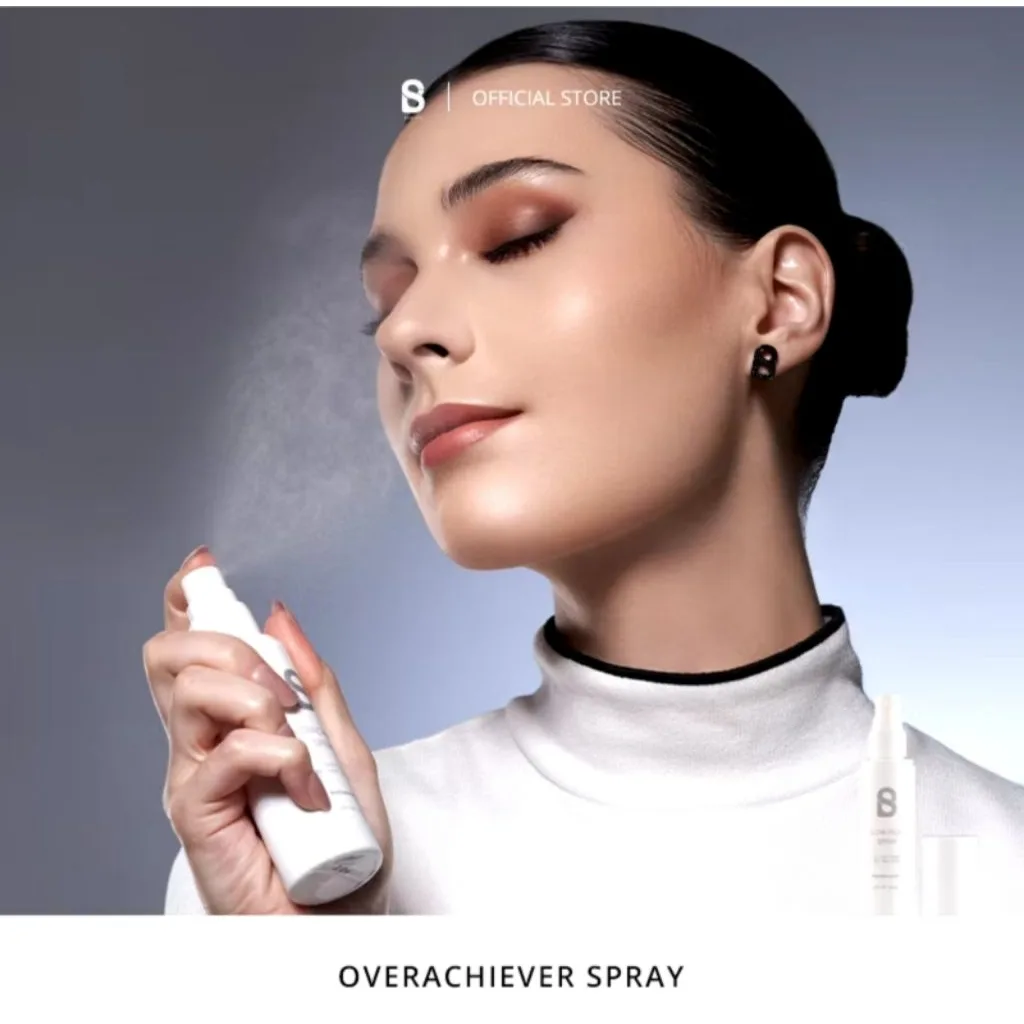
Image source: Bing (Web (fair-use with source credit))
Don't Forget the Details: Eyes and Lips That Last
While the face gets most of the attention for longevity, your eye and lip makeup needs just as much strategic preparation to avoid fading, smudging, or feathering. These areas are prone to moisture and friction, making them tricky spots for makeup to stay put.
Eye Makeup Longevity Hacks
Eyeshadow and eyeliner can often be the first to smudge or fade, especially on oily lids.
- Eyeshadow Primer: This is non-negotiable if you struggle with creasing or fading. Applied before eyeshadow, it creates a smooth, grippy base that helps colors adhere better, prevents fallout, and keeps shadow from migrating into the crease.
- Waterproof/Smudge-Proof Formulas: When choosing mascara and eyeliner, look for formulas specifically labeled "waterproof" or "smudge-proof." These are designed to withstand moisture and oils. If a pencil eyeliner smudges, you can try setting it with a dark eyeshadow and a fine brush. For fuller lashes that last, investigate options like best mascara for short lashes or best tubing mascara.
- Brow Stamina: For eyebrows, a good quality brow pencil, pomade, or gel can offer impressive staying power. Using a brow-specific primer can also help. If you're looking for definition that lasts, consider articles on best eyebrow pomade or best eyebrow tint for options that hold through the day.
Lip-Proofing Your Pout
Lips can dry out, and lipstick can transfer onto everything. Making it last requires a few key steps.
- Lip Liner is Your Friend: Before applying lipstick, trace and fill in your entire lip with a lip liner that matches your chosen lipstick shade. This creates a base color that can show through if the lipstick wears off, and it helps prevent feathering.
- Matte Liquid Lipsticks: These are typically the most transfer-resistant and long-wearing formulas available. They dry down to a completely matte finish and can last for many hours.
- The Blot and Reapply Method: Apply your first layer of lipstick. Gently blot your lips with a clean tissue to remove excess product. Then, apply a second, thinner layer. This sandwich technique helps the color adhere more effectively.
Common Makeup Mistakes That Sabotage Longevity
Even with the best products, certain habits can cause your makeup to break down faster than it should. Avoiding these common pitfalls is key to achieving that all-day wear. Skipping skincare and primer is a major misstep.
Applying makeup directly onto bare skin, or skin that isn't properly moisturized and primed, leaves the makeup with nothing to grip onto.
Over-applying product is another frequent error. Trying to achieve full coverage with one thick layer of foundation or concealer often leads to a cakey look that cracks and fades. It’s far more effective to build coverage in thin layers where needed.
Not letting layers dry properly between applications also causes issues; applying subsequent products before the previous layer has set can result in pilling or unevenness. Lastly, using products that don't match your skin type, like a mattifying primer on dry skin, works against longevity.
Expert Tips for All-Day Makeup Wear
Beyond the basic steps, a few pro techniques can truly elevate your makeup's staying power. These are the small adjustments that make a big difference when you need your look to last through long days or special occasions. Strategic powder placement is one such tip.
Instead of a full face of powder, focus on areas prone to oiliness or creasing. Use a smaller brush for precision.
For intense durability, consider the "baking" technique under the eyes and around the mouth. Another effective strategy is sealing your cream products. After applying cream blush or contour, lightly dust a powder version of the same shade over it.
This "sandwich" technique helps lock the cream product in place. You can find great options for best cream blush and best powder blush to layer effectively. Embrace long-wear formulas by actively seeking out products marketed as "long-wear," "transfer-resistant," or "24-hour." While claims vary, these indicate products designed for durability.
Frequently Asked Questions About Makeup Longevity
Why does my makeup slide off my face?
Makeup can slide off due to excess oil production, inadequate skin prep, or using formulas not suited to your skin type. If your skin is oily, products may not have enough to adhere to.
Can I make my oily skin makeup last longer?
Yes, focus on oil-free, mattifying primers and foundations. Use setting powder generously on your T-zone and consider a mattifying setting spray. Regularly blotting throughout the day can also help.
Does primer really make a difference for makeup longevity?
Absolutely. Primer creates a barrier between your skin and makeup, smoothing texture and providing a grippy surface for foundation and other products to adhere to, significantly increasing wear time.
How can I stop my concealer from creasing under my eyes?
Ensure the under-eye area is well-hydrated but not greasy. Apply concealer sparingly, blend it well, and set it immediately with a finely milled translucent powder, potentially using the "baking" technique for extra hold.
What's the best way to make lipstick last all day?
Start with a lip liner to fill the lips, apply a long-wear matte lipstick, blot gently, and reapply a thin layer. Matte liquid lipsticks generally offer the longest wear.


2 Comments