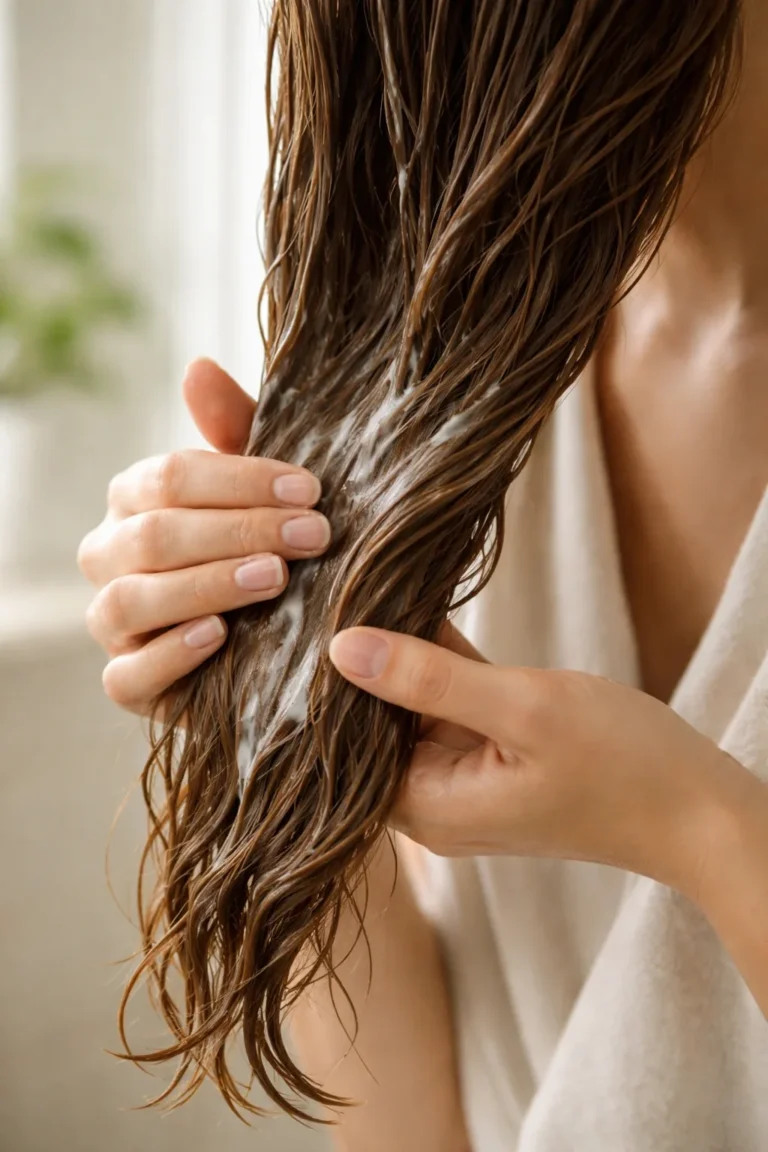
How Can I Make Damaged Hair Look Healthier?
When you're dealing with hair that feels rough, looks dull, or breaks easily, it's natural to wonder, "How can I make damaged hair look healthier?" Don't worry, it's a common challenge many of us face, and there are effective ways to bring back that vibrant look and feel. Understanding the root cause is the first step toward a real solution.
Our research indicates that hair damage can stem from various factors, including heat styling, chemical treatments, and even daily wear and tear. By applying targeted care and using the right ingredients, you can significantly improve your hair's appearance. For instance, the American Academy of Dermatology Association notes that proper hair care can prevent further breakage, which is crucial for achieving healthier-looking strands as of 2026.
Quick Answer
To make damaged hair look healthier, focus on gentle cleansing, deep conditioning, and targeted repair treatments. Use heat protectants, minimize chemical processes, and get regular trims to seal split ends. Hydrating ingredients like hyaluronic acid and natural oils, along with strengthening components like keratin, can visibly restore shine and softness.
Is Your Hair Damaged? Let's Figure It Out.
Figuring out if your hair is actually damaged, and to what extent, is key. It's not always obvious, and sometimes we mistake dryness for damage, or vice-versa. But knowing the difference helps you choose the right path to recovery.
Think of it like a doctor diagnosing an illness before prescribing treatment.
Here are some tell-tale signs that your hair might be crying out for some extra love:
- Rough Texture: Does your hair feel straw-like, gritty, or like sandpaper when you run your fingers through it? Healthy hair usually feels smooth and silky.
- Excessive Breakage: Are you finding a lot more hair strands on your brush, in the shower drain, or on your clothes than usual? This is a big red flag for weakened hair.
- Dullness and Lack of Shine: Healthy hair reflects light, giving it a natural gloss. If your hair looks flat, lifeless, and doesn't catch the light, it might be damaged.
- Frizziness: While humidity can cause frizz, persistent, uncontrollable frizz, especially from the mid-shaft down, often indicates damage to the hair's outer layer (the cuticle).
- Split Ends: These are the frayed, white tips of your hair strands. Once they appear, the only real solution is to cut them off, but a healthy hair routine can prevent them from forming.
- Lack of Elasticity: If you gently stretch a wet hair strand and it snaps easily or doesn't spring back, it's likely lost its elasticity, a sign of significant damage.
If you're nodding along to most of these, it's time to get serious about repair.
The Damage Diagnosis: What's Really Going On With Your Hair?
Different types of damage require different approaches. What works for heat-fried ends won't necessarily fix chemically-treated strands. Understanding the culprit behind your hair's condition helps you pick the most effective solutions.
Here’s a breakdown of the most common causes:
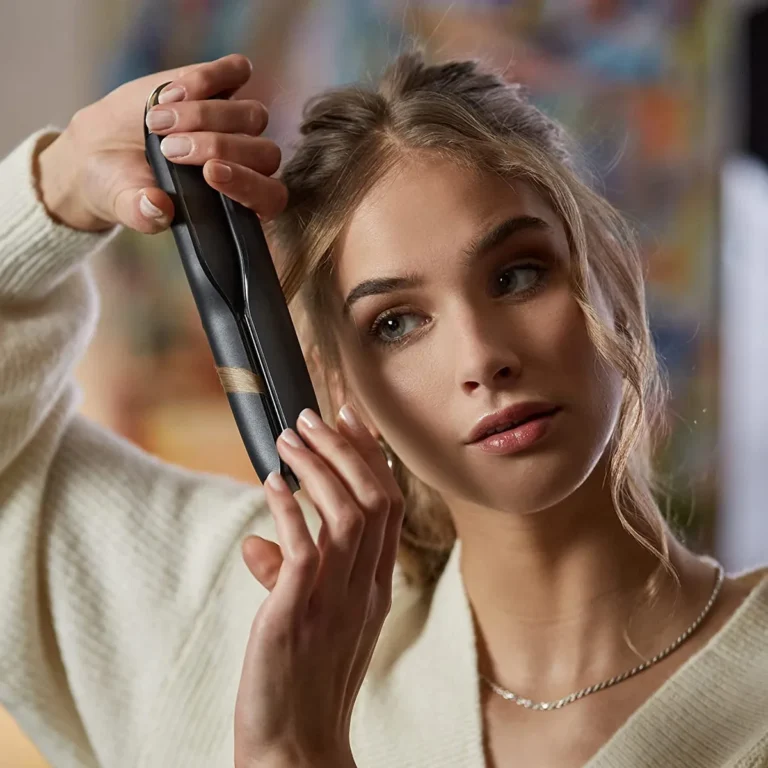
- Heat Damage: This is your enemy from blow dryers, straighteners, and curling irons used without protection. High heat strips moisture, breaks down the protein structure, and can even melt the cuticle. Your hair might feel brittle, look frizzy, and lose its natural wave or curl.
- Chemical Damage: Think coloring, bleaching, perms, and relaxers. These processes alter the hair's internal bonds and cuticle. Over-processing can lead to extreme dryness, breakage, and a gummy, mushy texture when wet.
- Mechanical Damage: This comes from rough handling. Aggressive brushing, tight hairstyles (ponytails, braids), friction from hats or scarves, and even sleeping on rough pillowcases can cause breakage and split ends.
- Environmental Damage: Sun exposure, harsh winds, and dry air can strip moisture and protein from your hair, making it more vulnerable.
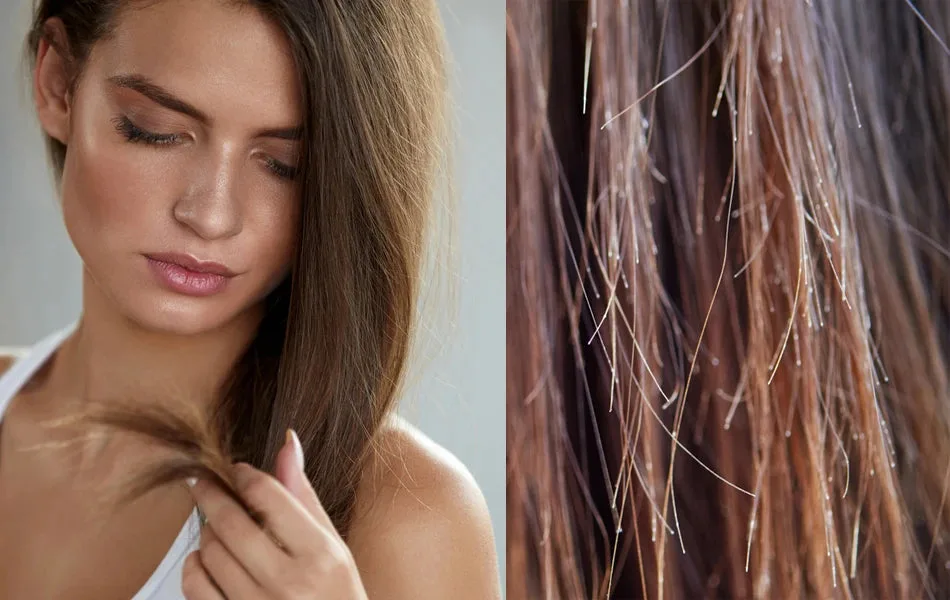
Image source: Bing (Web (fair-use with source credit))
Knowing whether your hair is primarily suffering from heat, chemicals, or general wear and tear guides your product choices and treatment strategies. For example, if you regularly use hot tools, a heat protectant becomes non-negotiable, alongside moisture-rich treatments.
Your Personalized Hair Rescue Plan: Step-by-Step
Once you've got a handle on the type of damage, you can start building a routine. This isn't about a quick fix; it's about consistent care.
Step 1: Gentle Cleansing & Conditioning
Washing your hair is the foundation of your routine, and with damaged hair, gentleness is key. Harsh sulfates found in some shampoos can strip away natural oils, further drying out already compromised strands.
- Choose a Sulfate-Free Shampoo: Look for labels that say "sulfate-free" or "gentle." These will clean your hair without stripping it bare.
- Focus on the Scalp: When shampooing, concentrate on massaging your scalp to remove buildup and oil. Let the suds run down the length of your hair; you don't need to aggressively scrub the ends.
- Condition Generously: Your conditioner is your best friend. Apply it from the mid-shaft down to the ends, focusing on the most damaged areas. Leave it on for a few minutes before rinsing with cool water to help seal the cuticle.
Using a conditioner formulated for damaged or dry hair, often rich in emollients and humectants, is crucial here.
Step 2: Targeted Treatments for Your Damage Type
This is where you go beyond basic cleansing and conditioning to actively repair your hair. Treatments are designed to penetrate the hair shaft and address specific issues.
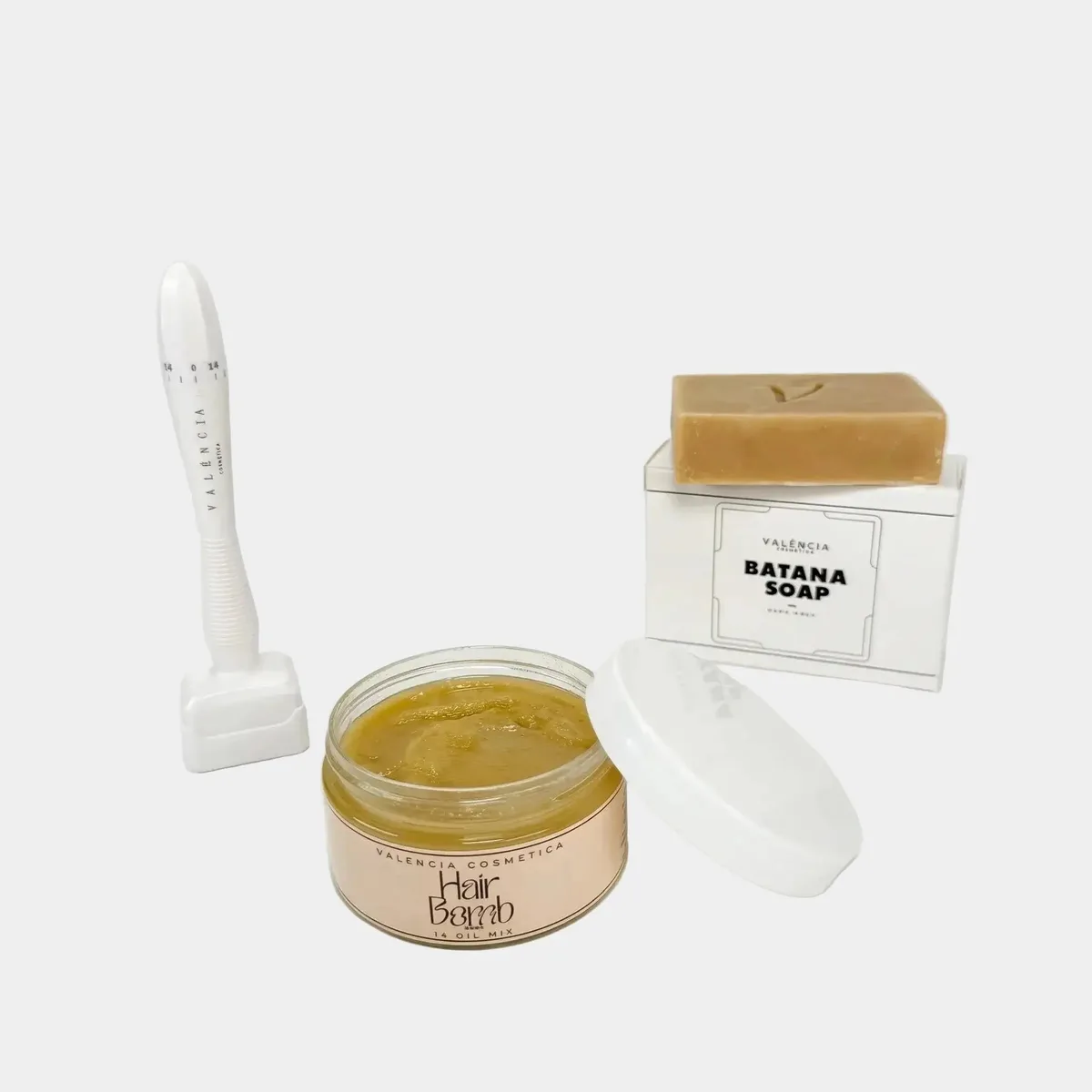
Image source: Bing (Web (fair-use with source credit))
- For Dryness and Brittleness (Heat/Environmental Damage): Focus on deep conditioning masks or hair masques. These are typically left on for longer periods (15-30 minutes, or even overnight) and are packed with moisturizing ingredients like shea butter, argan oil, or hyaluronic acid.
- For Breakage and Weakness (Chemical/Mechanical Damage): Look for protein treatments or bond-building treatments. Protein (like keratin or hydrolyzed wheat protein) can help fill in gaps in the hair's structure, making it stronger. Bond-builders work on a molecular level to repair broken disulfide bonds, which are often shattered by chemical processes.
- For Frizz and Roughness: Serums containing silicones or natural oils can smooth the cuticle and add shine. However, be mindful that some silicones can build up over time, so occasional clarifying might be needed.
When selecting a treatment, check the ingredient list for components that specifically target your type of damage. Aggregate reviews for products containing ceramides, for example, often report a noticeable improvement in hair smoothness and reduced breakage.
Step 3: Boosting Protection & Shine
Even with repair treatments, preventing further damage is just as important as fixing what's already there. This involves incorporating protective steps into your daily routine and using products that enhance shine.
- Heat Protection is Non-Negotiable: If you use any heat styling tools, blow dryers, straighteners, curling irons, always apply a heat protectant spray or serum first. These products create a barrier between your hair and the heat, minimizing damage. Look for ones that can withstand temperatures up to 450°F (232°C), which is common for styling tools.
- Invest in a Microfiber Towel: Harsh rubbing with a regular terrycloth towel can cause friction and breakage. Gently squeeze excess water from your hair with a soft microfiber towel or an old cotton t-shirt.
- Use Leave-In Conditioners or Serums: These are applied after washing and left in the hair. They provide continuous moisture, detangling, and often add a glossy finish. Many also contain UV filters to protect against sun damage.
These steps don't just repair; they shield your hair, helping it maintain the health you're working hard to restore.
Step 4: Lifestyle Tweaks for Healthier Hair
Sometimes, the solutions lie beyond the shower or your styling tools. What you do outside of your hair care routine can significantly impact its health.
- Protect Your Hair at Night: Sleeping on a silk or satin pillowcase reduces friction compared to cotton. This can help prevent tangles, breakage, and frizz overnight.
- Be Mindful of Hairstyles: Avoid tight ponytails, braids, or buns that constantly pull on your hair follicles. Opt for looser styles that don't create tension.
- Diet Matters: Hair is built from the inside out. Ensure your diet is rich in protein, vitamins (especially biotin and vitamins A, C, D, and E), and minerals like iron and zinc. These nutrients are vital for hair growth and strength. For instance, insufficient iron levels, as noted by the National Institutes of Health, can lead to hair loss.
- Hydration is Key: Drinking enough water is fundamental for overall body health, including your hair's moisture levels. Aim for at least 8 glasses of water a day.
Small changes in your daily habits can contribute significantly to your hair's long-term health and appearance.
Ingredients That Work Wonders (and What to Watch Out For)
Understanding what's in your hair products can make a huge difference in how effectively you treat damage. Some ingredients are like tiny construction workers for your hair, while others can be unnecessarily harsh.
Ingredients That Help Repair and Restore:
- Keratin and Hydrolyzed Proteins: These are the building blocks of hair. They help fill in gaps in the cuticle and strengthen the hair shaft, making it less prone to breakage.
- Natural Oils (Argan, Coconut, Jojoba, Shea Butter): These are fantastic for moisturizing, adding shine, and smoothing the hair cuticle. They can penetrate the hair shaft to some extent, providing deep nourishment.
- Hyaluronic Acid: Known for its incredible ability to attract and retain moisture, it helps to hydrate dry, brittle hair, making it more pliable and less likely to snap.
- Ceramides: These are naturally found in hair and help to repair the cuticle. They work to seal in moisture and protect the hair from damage.
- Panthenol (Vitamin B5): This ingredient helps to improve hair's elasticity and moisture retention, giving it a softer feel and a healthier appearance.
Ingredients to Be Cautious With:
- Harsh Sulfates (Sodium Lauryl Sulfate, Sodium Laureth Sulfate): While effective at cleaning, they can be too stripping for damaged or dry hair, removing essential moisture and oils.
- Alcohol (Denatured Alcohol, Ethanol): Certain types of alcohol, especially in high concentrations, can be very drying to the hair. Always check the ingredient list; some alcohols are beneficial (fatty alcohols), but others should be approached with care.
- Heavy Silicones (Cyclomethicone, Dimethicone): While great for smoothing and shine, they can build up on the hair over time, preventing moisture from penetrating. If you use them regularly, consider a clarifying shampoo periodically.
When choosing products, our editorial analysis of user feedback suggests that formulations focusing on a blend of strengthening proteins and deep moisturizers tend to yield the most noticeable results for damaged hair.
Common Pitfalls: Mistakes That Sabotage Your Repair Efforts
Even with the best intentions, certain habits can undo all your hard work when trying to heal damaged hair. It's easy to fall into these traps, so spotting them is half the battle.
Here are some common mistakes that can sabotage your repair efforts:
- Over-Washing: Washing your hair too frequently, especially with harsh shampoos, strips away natural oils that protect and moisturize your strands. Try to extend the time between washes, and when you do wash, use gentle, sulfate-free products.
- Excessive Heat Styling: While we've mentioned heat protection, completely avoiding heat styling is often the best course for severely damaged hair. If you must use heat, keep the temperature as low as possible and always apply a protectant.
- Aggressive Brushing and Detangling: Yanking a brush through wet, tangled hair is a recipe for breakage. Always use a wide-tooth comb or a detangling brush, starting from the ends and working your way up. Detangle when your hair is damp and has conditioner or a leave-in product applied.
- Skipping Regular Trims: Those split ends will travel up the hair shaft if left unattended, causing more damage and making your hair look stringy. Getting regular trims (every 6-8 weeks) removes split ends before they can cause further harm.
- Using the Wrong Products for Your Damage Type: Applying a protein-heavy treatment to hair that's already over-loaded with protein can make it stiff and brittle. Likewise, using only moisturizing products on severely chemically damaged hair won't address the structural weakness. Matching treatments to your specific damage is crucial.
- Ignoring Scalp Health: Healthy hair grows from a healthy scalp. Neglecting scalp care can hinder hair growth and overall hair health. Ensure your scalp is clean and balanced, free from buildup and irritation.
Avoiding these common missteps is as important as applying the right treatments. Consistency and gentle care are your best allies.
Frequently Asked Questions About Damaged Hair Repair
What is the fastest way to make damaged hair look healthier?
The fastest visible improvement usually comes from using a good smoothing serum or hair mask immediately after washing. These products can temporarily fill gaps in the cuticle and add shine, giving an illusion of health. However, true repair takes consistent treatment over time.
Can damaged hair ever be fully repaired?
Severely damaged hair, especially where the protein structure is significantly broken down (like from harsh chemical treatments), cannot be fully "repaired" to its original state. The best approach is to manage the existing damage, prevent further harm, and allow healthy new hair to grow. Treatments can improve its appearance and strength significantly.
How often should I use a hair mask for damaged hair?
For moderately damaged hair, using a deep conditioning mask or hair masque once a week is typically beneficial. If your hair is severely damaged, you might use it twice a week initially, but monitor your hair's response. Overusing masks, especially protein-based ones, can sometimes lead to brittleness.
Will cutting my hair help damaged hair look healthier?
Yes, absolutely. Trimming split ends is essential because they cannot be repaired and will only fray further up the hair shaft, causing more damage. Regular trims remove these damaged ends, making hair look and feel healthier, and allow new, healthier growth to be more visible.
Can I sleep with a hair mask on?
Some hair masks are specifically designed for overnight use and are labeled as "overnight masks" or "leave-in treatments." If a mask is not designated for overnight use, it's best to follow the product's instructions to avoid potential buildup or irritation. Always ensure the product is safe for prolonged contact if you plan to sleep with it on.
How long does it take to see results from hair repair treatments?
You can often see an immediate improvement in shine and smoothness after a single treatment, especially with masks or serums. However, significant repair and strengthening, particularly from protein or bond-building treatments, typically require consistent use over several weeks, with noticeable changes usually occurring after 4-6 weeks of regular application.
Making the Best Choices: A Quick Decision Guide for Lasting Health
Choosing the right products and routines can feel overwhelming, but a clear decision-making process simplifies things. Think of this as a flowchart for your hair's needs.
Is your hair dry, brittle, and prone to snapping?
- Yes: Prioritize moisture. Look for deep conditioners, hydrating hair masques, and leave-in conditioners rich in natural oils, shea butter, or hyaluronic acid. Aim for products designed to replenish lost hydration.
- No, but it breaks easily or feels weak: Focus on strengthening. Seek out treatments with keratin, hydrolyzed proteins, or bond-building ingredients. These actively work to repair damaged internal structures.
Have you recently bleached, dyed, or permed your hair?
- Yes: Chemical damage is likely. Bond-building treatments and protein-rich products are your best bet. Minimize further chemical processes and heat styling.
- No: Consider heat or mechanical damage. Gentle cleansing, moisturizing treatments, and heat protectants are key. Also, assess your styling habits for potential friction or tension.
Does your hair lack shine and appear dull?
- Yes: Focus on smoothing the cuticle. Serums containing silicones or natural oils can coat the hair shaft, reflecting light and boosting shine. Regular trims also prevent dulling split ends from traveling up.
- No: Continue with your chosen repair routine, but ensure you're not using products that are too heavy, which can contribute to dullness.
By asking yourself these questions, you can tailor your approach and select the most effective strategies for your specific hair concerns. This helps avoid wasting time and money on products that won't address the core issues.