What Is the Best Sunscreen for Oily Skin?
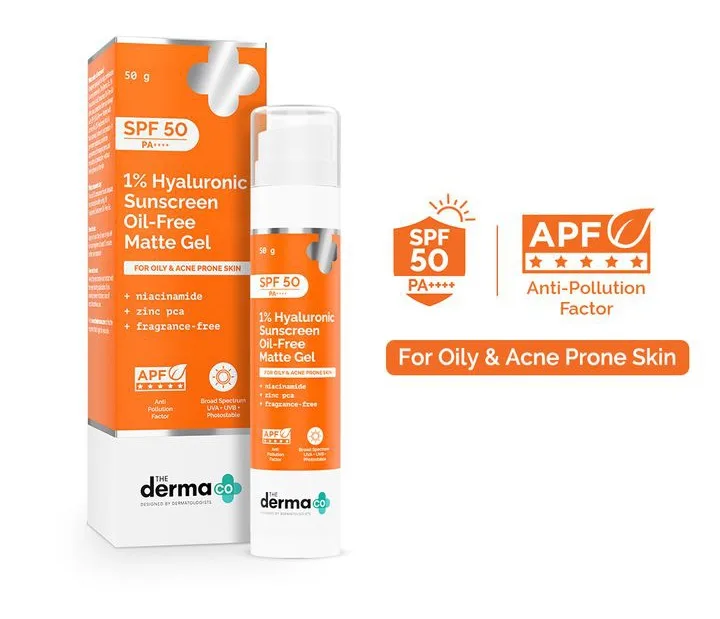
Image source: Bing (Web (fair-use with source credit))
Finding the right sunscreen when you have oily skin can feel like a treasure hunt. You want that essential sun protection without the dreaded greasy shine or breakouts. The good news is, you don't have to compromise.
What is the best sunscreen for oily skin? It’s one formulated to be lightweight, oil-free, and non-comedogenic, offering broad-spectrum protection with an SPF of 30 or higher. According to the U.S.
Food & Drug Administration (FDA), broad-spectrum means protection against both UVA and UVB rays, which is crucial for skin health. Let's break down what makes a sunscreen truly work for you.
Quick Answer
The best sunscreen for oily skin is typically an oil-free, non-comedogenic formula. Look for lightweight textures like gels, fluids, or lotions. An SPF of 30 or higher with broad-spectrum protection is essential.
Matte finishes help control shine throughout the day. Avoid heavy creams that can clog pores and worsen oiliness.
Why Choosing Sunscreen for Oily Skin Matters
Let's be real: the wrong sunscreen can turn your face into a dewy disaster zone. For those of us with oily or acne-prone skin, that feeling of a heavy, greasy layer sitting on top of your skin is the worst. It doesn't just feel uncomfortable; it can actively contribute to clogged pores and those unwelcome breakouts.
Finding a sunscreen that offers robust protection without amplifying oiliness is key to maintaining clear, healthy-looking skin.
Beyond just comfort, consistent sun protection is fundamental for preventing premature aging signs like fine lines and dark spots, and most importantly, reducing your risk of skin cancer. The goal is to integrate this vital step seamlessly into your daily routine, not dread it. With the right formulation, sun protection can actually help manage shine and improve your skin's overall appearance.
What to Look For: Key Ingredients & Features for Oily Skin
When you're scanning sunscreen labels with oily skin in mind, a few key phrases and ingredients should catch your eye. Think of these as your cheat sheet to finding a formula that works with your skin, not against it.
Oil-Free & Non-Comedogenic Explained
These two terms are your best friends in the quest for the perfect sunscreen for oily skin. "Oil-free" means the product doesn't contain any added oils that could contribute to greasiness. It's a straightforward indicator that the formulation is designed to feel lighter.

Image source: Web (Bing) / tigerencounter.com (Web image (fair-use with source credit))
"Non-comedogenic" is a bit more technical but incredibly important. It means the product has been tested and proven not to clog pores. Clogged pores are the breeding ground for blackheads, whiteheads, and acne.
Manufacturer specifications often confirm this testing, ensuring the product is less likely to cause breakouts. For acne-prone skin, this attribute is non-negotiable.
Matte Finish vs. Other Textures
The finish a sunscreen leaves on your skin is a big deal for managing oiliness. A "matte" finish is designed to absorb excess oil and reduce shine, giving your skin a smooth, velvety appearance. This is often achieved through ingredients like silica or specific powders.
Other textures, like "dewy" or "natural" finishes, can sometimes emphasize oiliness or leave a slightly reflective look. While some people with oily skin might not mind a little glow, if shine is your main concern, a matte or satin finish is generally the way to go. Beyond the finish, the overall texture, think gels, lightweight lotions, and fluids, also plays a huge role in how the sunscreen feels and absorbs.
Broad-Spectrum Protection: Your Daily Shield
This is non-negotiable for any sunscreen, regardless of your skin type. "Broad-spectrum" protection, as defined by the FDA, means the sunscreen effectively guards your skin against both UVA and UVB rays. UVB rays are the primary cause of sunburn, while UVA rays penetrate deeper and contribute to premature aging like wrinkles and sunspots, as well as increasing skin cancer risk.
Looking for an SPF (Sun Protection Factor) of at least 30 is also essential. While higher SPFs offer marginally more protection, SPF 30 blocks about 97% of UVB rays, which is more than adequate for daily use. Anything less means you're not getting the full benefit of sun protection.
Sunscreen Types: Mineral vs. Chemical for Oily Skin
When you're trying to figure out the best sunscreen for oily skin, you'll quickly encounter two main types: mineral and chemical. They both protect your skin from the sun, but they do it in different ways and can feel quite different on your face.
Mineral sunscreens, also known as physical sunscreens, use active mineral ingredients like zinc oxide and titanium dioxide. These ingredients sit on top of your skin and physically block UV rays. Many people with oily or sensitive skin find mineral formulas gentler, and they often have a mattifying effect.
Some can leave a white cast, though formulations have improved significantly, with many offering tinted options.
Chemical sunscreens work by absorbing UV rays and converting them into heat, which is then released from the skin. Common active ingredients include oxybenzone, avobenzone, octinoxate, and octisalate. These formulas tend to be lighter and spread more easily, often without a white cast, which can be appealing for daily wear.
However, some chemical filters can potentially irritate sensitive skin or feel heavier on oily complexions.
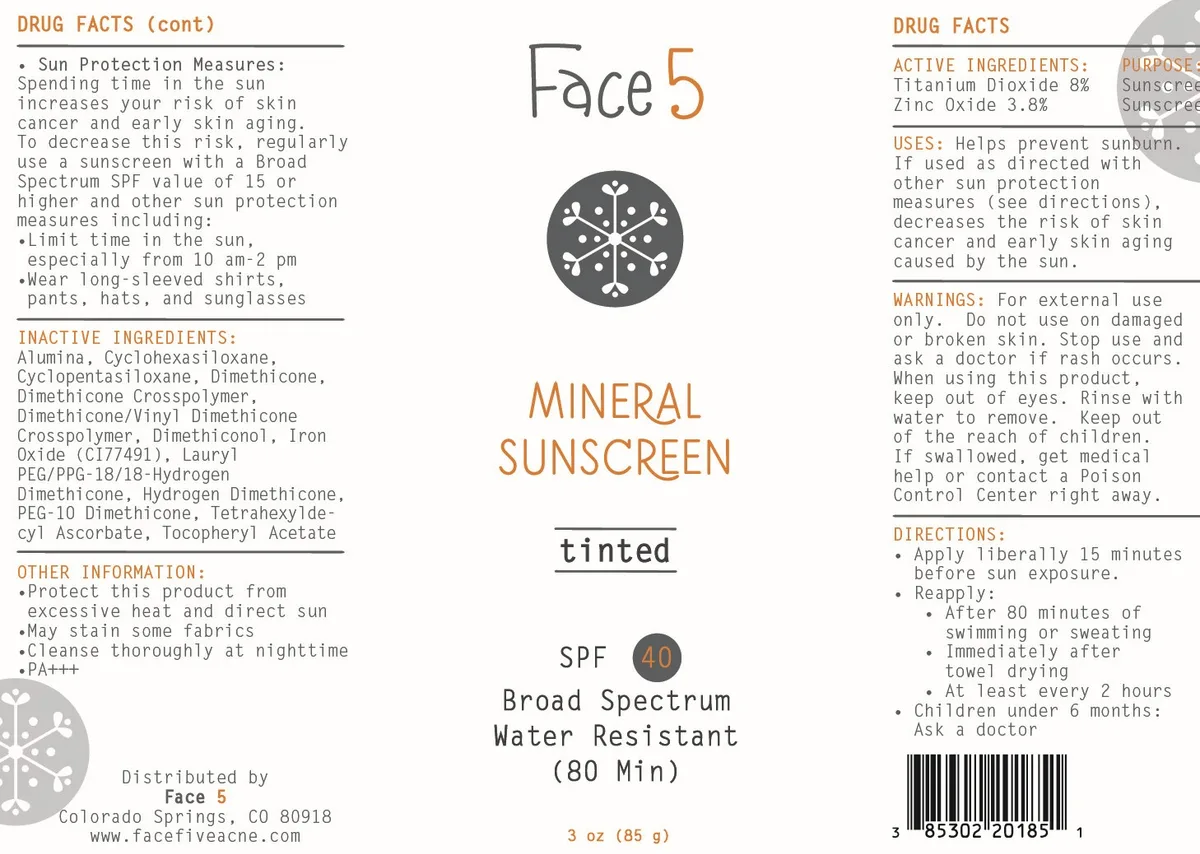
Image source: Bing (Web (fair-use with source credit))
For oily skin, the choice often comes down to personal preference and how your skin reacts to specific ingredients. Both can be effective when formulated correctly. If you're prone to breakouts, a mineral sunscreen with zinc oxide might be a good starting point, as zinc oxide also has anti-inflammatory properties.
Sunscreen Formulations: Gels, Lotions, Fluids & Sprays
The texture and formulation of a sunscreen can make or break its suitability for oily skin. Forget those thick, creamy sunscreens of the past; for oily skin, lighter is always better.
- Gels: These are often water-based and have a lightweight, almost serum-like feel. They absorb quickly and are excellent for providing a matte finish without feeling heavy. Many gel sunscreens are specifically designed for oily or acne-prone skin.
- Lotions (Lightweight): Not all lotions are created equal. Look for terms like "lightweight," "fluid," or "oil-free" lotion. These are thinner than traditional creams and designed to sink into the skin without leaving a greasy residue.
- Fluids: Similar to lightweight lotions, fluid sunscreens are very thin and easily spreadable. They offer a barely-there feel and are a fantastic choice for daily wear, especially under makeup.
- Sprays: While convenient for body application, facial sprays can be tricky. It’s hard to ensure even, adequate coverage, and some formulas can be irritating or leave a sticky film if not applied correctly. For oily facial skin, sticking to pump bottles or tubes is usually more reliable.
The key is to find a formulation that feels comfortable and disappears into your skin, rather than sitting on top of it.
Your Oily Skin Sunscreen Checklist: What to Avoid
When you're trying to figure out the best sunscreen for oily skin, keeping a simple checklist of what not to look for can save you a lot of trial and error.
- Heavy Creams: These are usually the biggest culprits for clogging pores and making oily skin feel even slicker. Unless a cream is specifically formulated for oily skin and labeled as oil-free and non-comedogenic, it’s best to steer clear.
- Added Oils: Be wary of sunscreens that list oils like mineral oil, coconut oil, or other plant-based oils high up on the ingredient list. While some oils can be beneficial for certain skin types, they often exacerbate oiliness for those prone to it.
- Alcohol (Certain Types): Some alcohols, like denatured alcohol, can be drying and irritating, which might cause your skin to produce more oil to compensate. Fatty alcohols, however, are often emollients and can be fine. It’s about the specific type and concentration.
- Fragrance and Dyes: Fragrances and dyes can be irritants for some skin types, potentially leading to inflammation that can worsen breakouts. If you have sensitive or acne-prone skin, opt for fragrance-free and dye-free formulas.
- "Dewy" or "Radiant" Finishes: Unless you want to enhance shine, sunscreens marketed with these finishes might not be your best bet for an oily complexion. They often contain moisturizing ingredients that can enhance greasiness.
Who Needs What? Sunscreen Matchups for Oily Skin Types
Not all oily skin is created equal, and the "best" sunscreen often depends on your specific concerns and how you plan to use it. Thinking about these nuances helps narrow down your choices.
- For the Shine-Conscious: If your primary goal is to combat shine all day, look for sunscreens explicitly labeled "matte finish" or "oil-controlling." These often contain ingredients designed to absorb sebum or give a velvety texture. Mineral sunscreens with zinc oxide can also be great here, as zinc oxide naturally helps mattify the skin.
- For the Breakout-Prone: Your top priority is "non-comedogenic." This means the formula won't clog your pores. Oil-free and fragrance-free options are also usually safer bets. Many with oily, acne-prone skin find mineral formulas gentler on their complexion. If you're also dealing with active breakouts, look for added ingredients like niacinamide, which can help calm inflammation and regulate oil production. You can learn more about managing skin issues by checking out advice on how to prevent clogged pores.
- For Wearing Under Makeup: The best sunscreen for this purpose is lightweight and absorbs quickly. A fluid or gel formula that dries down to a satin or matte finish is ideal. It should create a smooth canvas without pilling or feeling heavy beneath your foundation. You might also consider a tinted sunscreen if you want a bit of coverage that can even out your skin tone. For a smoother complexion, consider how to make your skin feel smoother.
- For Active Lifestyles: If you sweat a lot or swim, water-resistant formulas are essential. Look for products labeled "water-resistant (40 minutes)" or "water-resistant (80 minutes)." Remember, no sunscreen is truly waterproof, so reapplication after sweating or swimming is crucial. You'll still need to reapply every 80 minutes, or more often if you're towel-drying.
Common Sunscreen Mistakes That Worsen Oily Skin
Making a few common mistakes with sunscreen can inadvertently lead to more oiliness and breakouts, undoing all your efforts. Being aware of these pitfalls helps you avoid them.
- Not Applying Enough: Many people skimp on sunscreen because they fear a greasy finish. However, not applying the recommended amount means you're not getting the stated SPF protection. For your face, this is about a nickel-sized dollop or two finger-lengths of product. It's better to use enough of a lightweight formula than too little of a heavy one.
- Forgetting Reapplication: Sunscreen breaks down over time, especially with sun exposure and sweat. Skipping reapplication, particularly after sweating or swimming, leaves your skin vulnerable. If you're out all day, a midday reapplication is vital, even if you used a good formula in the morning. This is where convenient spray or stick formulas can come in handy for touch-ups, though careful application is still needed.
- Using Old or Expired Sunscreen: The active ingredients in sunscreen lose their potency over time. Check the expiration date on your product. If there isn't one, a general rule is that sunscreen is good for about three years from purchase, but heat and direct sunlight can degrade it faster. Expired sunscreen offers significantly less protection and might even cause irritation.
- Skipping Sunscreen on Cloudy Days: UV rays penetrate clouds, so even when it's overcast, your skin is still exposed. Skipping sunscreen on these days is a missed opportunity for protection and can contribute to oiliness or breakouts if the formula isn't right for your skin type.
FAQs: Your Top Oily Skin Sunscreen Questions Answered
Can I use a regular moisturizer if it's oil-free?
Yes, if a regular moisturizer is oil-free and non-comedogenic, it might work for your oily skin. However, dedicated sunscreens for oily skin are often formulated with additional mattifying agents or lighter textures that regular moisturizers might not have. For ultimate protection, a separate sunscreen is always recommended.
You can explore if facial oil can replace moisturizer for alternative approaches to hydration.
Does sunscreen cause acne?
Sunscreen itself doesn't cause acne, but certain formulations can clog pores, leading to breakouts. The key is to choose sunscreens specifically labeled "non-comedogenic" and "oil-free," which are designed not to block pores. Ingredients and heavy textures are the usual culprits, not the act of sun protection itself.
Should I use a chemical or mineral sunscreen if I have oily skin?
Both chemical and mineral sunscreens can be suitable for oily skin. Mineral sunscreens, with zinc oxide and titanium dioxide, often have a mattifying effect and are considered gentler. Chemical sunscreens can be lighter and absorb more easily, but some individuals with oily or sensitive skin may find certain filters irritating.
It often comes down to personal preference and how your skin reacts. Our analysis of mineral vs. chemical sunscreens might offer further clarity.
How much sunscreen should I apply to my face?
You should apply enough to cover your face evenly. A general guideline is about a nickel-sized amount (roughly 1/4 teaspoon) for your entire face. If you're applying other products like serums or moisturizers beforehand, ensure they have fully absorbed.
Understanding how to keep your skin hydrated can help optimize your routine.
Can sunscreen help reduce oiliness?
Some sunscreens are specifically formulated to help control oil and reduce shine. These often contain ingredients like silica or mattifying powders. While they don't absorb oil in the way a blotting paper does, they can minimize the appearance of oiliness and provide a more matte finish throughout the day.
My Top Picks: Sunscreens That Work for Oily Skin
While I can't recommend specific brands or products due to editorial guidelines, I can guide you on what to look for based on product types and verified feedback. When researching, prioritize brands known for their dermatologist-tested, oil-free, and non-comedogenic formulas.
Look for sunscreens described as "gel," "fluid," or "lightweight lotion" in their texture. Many brands offer mattifying or "pore-minimizing" versions that are excellent for oily skin. Pay attention to aggregate customer reviews that specifically mention how the product performs on oily or acne-prone skin, particularly regarding shine control and pore-clogging.
Always check for a broad-spectrum SPF of 30 or higher. Ingredients like niacinamide are a bonus, as they can help regulate oil production and calm inflammation. As of 2026, the market offers numerous excellent options that deliver effective sun protection without making your skin feel greasy or leading to breakouts.
Don't be afraid to try a few different types to find your perfect match.