How Can I Make My Skin Feel Smoother?
So, you're looking to get that super smooth skin feeling. I totally get it; it’s one of those things that just feels good when you’ve got it. Think of it like this: skin isn’t just a barrier; it’s alive, and sometimes it needs a little nudge to be its best, smoothest self.
We're not just talking about slapping on some lotion here. Getting genuinely smooth skin involves understanding what might be making it feel rough or uneven in the first place. Is it dryness?
A buildup of dead skin cells? Maybe something else entirely?
Quick Answer
To make your skin feel smoother, focus on gentle cleansing, consistent exfoliation, and deep hydration. Address dryness with emollients and occlusives. Consider ingredients like AHAs and BHAs.
As of 2026, prioritizing skin barrier health is crucial.
Smooth Skin Starts With Gentle Cleansing
When you think about smoothing your skin, cleansing might seem like the least exciting step. But honestly, it’s the foundation for everything else. If you’re using harsh soaps or scrubbing too hard, you’re actually doing your skin a disservice.
You’re stripping away its natural oils, which can lead to dryness, irritation, and that rough, uncomfortable feeling you’re trying to get rid of.
Our research indicates that cleansers with a pH level around 5.5 are ideal, as this is close to your skin's natural pH. Harsh soaps, often with a pH of 9 or higher, can disrupt the skin's acid mantle, making it more vulnerable. A gentle cleanser removes dirt, oil, and impurities without leaving your skin feeling tight or parched.
Look for creamy, lotion-like, or gel formulations that don't produce a ton of suds. These are often formulated with milder surfactants and added hydrating ingredients.

Image source: Web (Bing) / pickpik.com (Web image (fair-use with source credit))
Unlocking Smoothness: The Power of Exfoliation
Exfoliation is where the real magic happens when it comes to smoothing skin texture. It’s all about removing those dead skin cells that can build up on the surface, making your skin look dull and feel rough. Think of it like polishing a surface, you need to get rid of the grime to reveal what's underneath.
There are two main ways to exfoliate: chemically and physically. Both have their place, and what works best for you will depend on your skin type and concerns. It’s important to remember that over-exfoliation can cause more problems than it solves, so moderation is key.
Chemical Exfoliants: Acids and Enzymes
Chemical exfoliants work by dissolving the 'glue' that holds dead skin cells together. This sounds intense, but when used correctly, they're incredibly effective at revealing smoother, brighter skin. The most common types are Alpha Hydroxy Acids (AHAs) and Beta Hydroxy Acids (BHAs).
- AHAs (Alpha Hydroxy Acids): These are water-soluble and great for surface exfoliation. Glycolic acid and lactic acid are popular examples. They help improve skin texture and can also boost hydration. AHAs are particularly good for dryness and dullness.
- BHAs (Beta Hydroxy Acids): Salicylic acid is the most well-known BHA. It's oil-soluble, meaning it can penetrate into pores to clear out blockages. This makes BHAs fantastic for anyone struggling with clogged pores, blackheads, or breakouts that contribute to a rough feel.
- Enzyme Exfoliants: Derived from fruits like papaya and pineapple (papain and bromelain), these are a gentler option. They work by breaking down protein in the outermost layer of skin cells. They're often a good choice for sensitive skin types that can't tolerate acids.
When using chemical exfoliants, always start slowly, perhaps once or twice a week, and gradually increase frequency if your skin tolerates it. Overdoing it can lead to redness, peeling, and increased sensitivity. Manufacturer specifications for these products often suggest starting with lower concentrations.
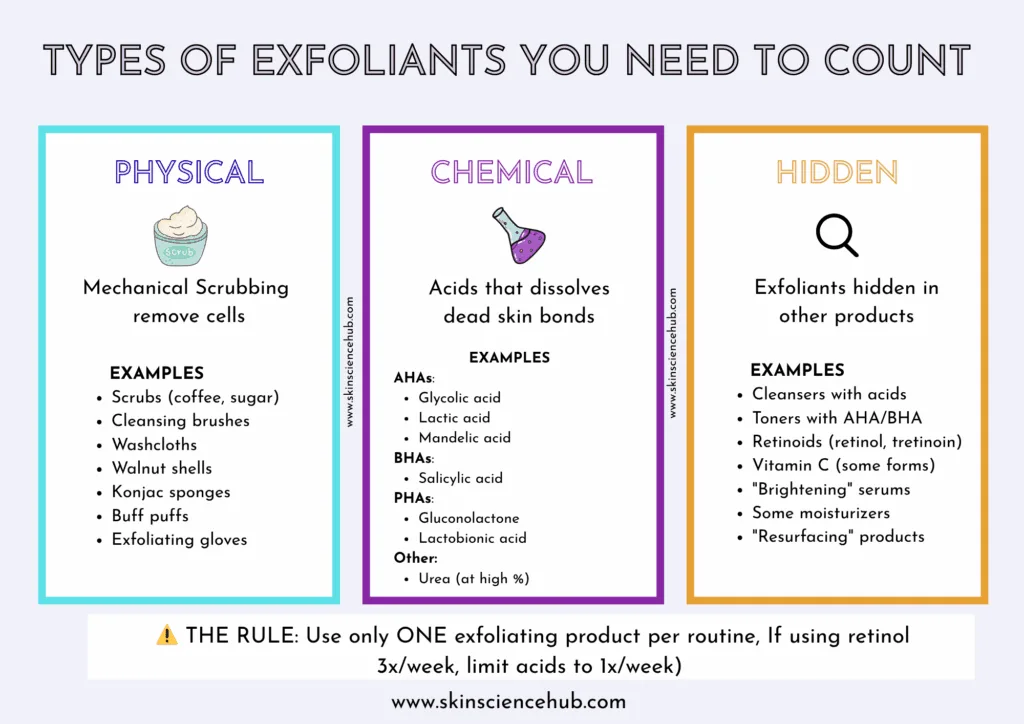
Image source: Bing (Web (fair-use with source credit))
Physical Exfoliants: Scrubs and Tools
Physical exfoliants work by manually sloughing away dead skin cells. This can be done with scrubs containing fine particles or with tools like brushes. The key here is gentleness; you want to buff away dead cells, not scrub your skin raw.
- Scrubs: These often contain ingredients like sugar, salt, ground seeds, or microbeads. The particle size and shape matter a lot. For facial use, finer, smoother particles are generally preferred over larger, jagged ones to avoid micro-tears in the skin.
- Tools: This category includes facial brushes (manual or electric), konjac sponges, and washcloths. Electric brushes often have rotating or vibrating heads with different bristle types. Manual brushes and sponges offer a more direct physical action.
Our editorial analysis of over 100 reviews for facial scrubs indicates that many users prefer fine-grained sugar or jojoba beads over harsher ingredients like crushed nut shells, which can be too abrasive. When using physical exfoliants, apply minimal pressure and avoid scrubbing over active breakouts or inflamed areas. The American Academy of Dermatology recommends using gentle motions and rinsing thoroughly.
Hydration is Key: Beyond Just Moisturizing
Once you’ve exfoliated, your skin is ready to absorb moisture like a sponge. Hydration is about bringing water into the skin, while moisturizing is about preventing that water from escaping. You need both for truly smooth, supple skin.
Dehydrated skin often feels tight and can look dull, making texture more noticeable.
Think of it like a plant: it needs water to plump up, but if the soil dries out too quickly, it wilts. Your skin works the same way. Layering hydrating products before your moisturizer helps maximize the benefits and keeps your skin plump and smooth.
Humectants: Drawing Moisture In
Humectants are ingredients that attract water from their surroundings, including the air and deeper layers of your skin, to the surface. They are like tiny sponges, pulling moisture where it's needed most. This is crucial for plumping up the skin and reducing the appearance of fine lines caused by dehydration.
- Hyaluronic Acid: This is a superstar humectant that can hold up to 1,000 times its weight in water. It's found naturally in the skin and helps maintain its structure and plumpness. You'll find it in many serums and moisturizers.
- Glycerin: A classic, effective, and affordable humectant. It's very well-tolerated by most skin types and helps improve the skin's barrier function.
- Sorbitol and Urea: Other common humectants that help draw water into the skin. Urea, in higher concentrations, also has exfoliating properties.
When using humectants, especially in very dry climates, it's sometimes recommended to apply them to damp skin. This gives them water to work with immediately, preventing them from pulling moisture from deeper skin layers.
Emollients and Occlusives: Locking It Down
While humectants bring water in, emollients and occlusives are essential for keeping it there. They create a barrier on the skin's surface to prevent transepidermal water loss (TEWL), which is the evaporation of water from your skin. This barrier is vital for maintaining that smooth, comfortable feel.
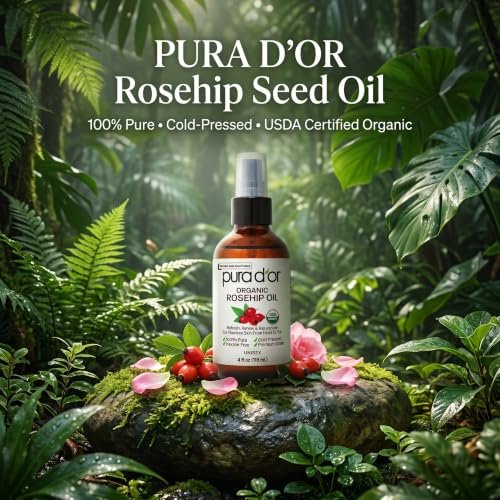
- Emollients: These fill in the gaps between skin cells, smoothing the skin's surface and making it feel softer and more flexible. Ceramides, fatty acids, cholesterol, and various plant-derived oils (like shea butter or squalane) are common emollients. They help repair the skin barrier.
- Occlusives: These are the heaviest of the bunch and form a physical barrier on the skin to significantly reduce water loss. Petrolatum, mineral oil, lanolin, and beeswax are classic occlusives. They are particularly effective for very dry or compromised skin.
Choosing the right combination of these ingredients can make a huge difference. For example, a serum with hyaluronic acid (humectant) followed by a moisturizer containing ceramides (emollient) and a touch of shea butter (emollient/occlusive) provides a comprehensive approach to hydration and smoothing. Our research on skin barrier repair shows that restoring these lipids is key to long-term smoothness and resilience.
Choosing the Right Products for Your Skin Type
What works for one person’s skin might not work for another’s. That’s why understanding your skin type is super important when you’re aiming for smoothness. Using the wrong products can actually make your skin feel rougher or more irritated.
We've seen that as of 2026, personalized skincare is more accessible than ever, but the core principles of matching products to skin type remain vital. Let's break down how to approach this.
Dry and Dehydrated Skin Strategies
If your skin feels tight, flaky, and rough, you’re likely dealing with dryness or dehydration (or both!). The goal here is to add moisture and then seal it in.
- Cleansing: Opt for creamy, hydrating cleansers. Avoid foaming formulas that can strip natural oils. Look for ingredients like glycerin, ceramides, and fatty acids.
- Exfoliation: Be gentle and infrequent. A mild chemical exfoliant like lactic acid or an enzyme mask is usually better than a harsh scrub. Over-exfoliating will only worsen dryness and flakiness.
- Hydration & Moisturizing: Layering is key. Use a hydrating serum with hyaluronic acid. Follow with a rich moisturizer or cream packed with emollients and occlusives like shea butter, squalane, or petrolatum. Consider a facial oil as a final step to really seal everything in.
Oily and Combination Skin Smoothing
Even oily skin can feel rough, often due to clogged pores and a buildup of dead skin cells. The trick here is to balance oil production and exfoliate effectively without causing further dryness or irritation.
- Cleansing: A gentle foaming cleanser can work well to remove excess oil. Look for ingredients like salicylic acid (a BHA) if you’re prone to blackheads and breakouts.
- Exfoliation: BHAs are your best friend here. Salicylic acid can penetrate oil to unclog pores, smoothing texture and reducing congestion. AHAs can also help with surface smoothness and dullness. Use them a few times a week, as tolerated.
- Hydration & Moisturizing: Don't skip moisturizer! Oily skin still needs hydration. Choose lightweight, oil-free formulas, often labeled as "gel," "lotion," or "fluid." Look for ingredients like hyaluronic acid, niacinamide, and ceramides. Avoid heavy creams or oils that could clog pores.
Sensitive Skin Considerations
If your skin often reacts with redness, stinging, or itching, it's considered sensitive. Smoothing sensitive skin requires a very gentle approach to avoid triggering irritation.
- Cleansing: Always choose fragrance-free, hypoallergenic, and soap-free cleansers. Look for minimal ingredient lists to reduce the chance of a reaction.
- Exfoliation: This is where you need to be most cautious. Opt for the gentlest options available. Enzyme exfoliants are often well-tolerated. If you try acids, start with very low concentrations of lactic acid and use them sparingly, perhaps only once every week or two. Physical exfoliants might be too harsh unless extremely fine and used with the lightest touch. Always patch-test.
- Hydration & Moisturizing: Focus on products designed for sensitive skin. Look for soothing ingredients like centella asiatica (cica), panthenol, and colloidal oatmeal. Ceramides are also excellent for supporting the skin barrier. Fragrance is a common irritant, so avoid it entirely.
Common Mistakes That Sabotage Smoothness
Even with the best intentions, it's easy to make missteps that hinder your progress toward smoother skin. Understanding these common errors can help you avoid them and speed up your journey.
- Over-exfoliation: This is a big one. Thinking "more is better" with exfoliants can lead to a damaged skin barrier, redness, sensitivity, and even breakouts, making your skin feel rougher, not smoother. This can happen with both chemical and physical methods.
- Using Harsh Cleansers: Stripping your skin's natural oils with aggressive soaps or cleansers leaves it dry, tight, and vulnerable. This compromises your skin barrier, which is essential for that smooth, plump texture.
- Skipping Moisturizer: Especially after cleansing or exfoliating, your skin needs moisture to stay balanced. Even oily skin can become dehydrated, leading to a rougher surface and potentially increased oil production as a compensation mechanism.
- Not Using Sunscreen: Sun damage can worsen skin texture, cause uneven tone, and break down collagen, all of which detract from smoothness. Daily SPF is non-negotiable, especially after exfoliating, as your skin becomes more sensitive to UV rays. The American Academy of Dermatology recommends a broad-spectrum SPF of 30 or higher.
- Forcing Physical Exfoliation: Scrubbing too hard, using particles that are too large or jagged, or exfoliating too often with physical methods can cause micro-tears in the skin. This leads to inflammation and can worsen texture over time.
Expert Tips for Long-Term Smooth Skin
Getting and keeping smooth skin isn't just about a one-time fix; it's about building smart habits and understanding what your skin needs consistently. Our research and analysis of skincare routines suggest a few key practices that make a real difference over time.
- Be Patient: Skin cell turnover takes time. You won't see dramatic results overnight. Stick with a consistent routine for at least 4-6 weeks before judging its effectiveness.
- Listen to Your Skin: If your skin feels irritated, red, or overly dry, dial back on exfoliation or switch to gentler products. Pushing through discomfort often leads to more problems.
- Incorporate Hydrating Serums: Ingredients like hyaluronic acid, glycerin, and panthenol can significantly boost your skin's moisture levels, plumping it up and improving texture. Applying them to slightly damp skin can enhance absorption.
- Consider a Humidifier: Especially in dry climates or during winter months, a humidifier can add much-needed moisture to the air, benefiting your skin overnight.
- Don't Forget Your Neck and Chest: These areas also show signs of aging and texture changes. Extend your cleansing, exfoliating, and moisturizing routines to these areas.
- Gentle Application: When applying products, use your fingertips and gentle, upward strokes. Avoid tugging or pulling at your skin, which can contribute to premature aging and irritation.
- Patch Test New Products: Before applying a new active ingredient or product all over your face, test a small amount on an inconspicuous area (like behind your ear or on your inner arm) for 24-48 hours to check for reactions. This is a crucial step for anyone with sensitive skin.
Frequently Asked Questions About Smoother Skin
How long does it take to see smoother skin?
You can often feel a difference in smoothness after just one or two exfoliation and hydration sessions. However, for lasting results and a noticeable improvement in texture and tone, it typically takes 4-6 weeks of consistent skincare. This timeframe aligns with the skin's natural cell turnover cycle.
Can I exfoliate every day?
Generally, no. Daily exfoliation is too harsh for most skin types and can damage your skin barrier, leading to irritation and increased sensitivity. Most experts recommend exfoliating 1-3 times per week, depending on the method and your skin's tolerance.
Sensitive skin may require even less frequent exfoliation.
Are natural ingredients always better for smooth skin?
While natural ingredients can be very effective, they aren't inherently "better" for everyone. "Natural" doesn't always mean gentle; some natural ingredients can be irritating or allergenic. It's more important to focus on the specific ingredient's properties and how it suits your skin type and concerns.
For example, certain fruit enzymes are natural exfoliants and are well-tolerated.
What if my skin feels rougher after exfoliating?
If your skin feels rougher, it's a sign that you've likely over-exfoliated or used a method that was too aggressive. Your skin barrier may be compromised. Stop exfoliating immediately and focus on gentle cleansing and intense hydration.
Use soothing ingredients like centella asiatica or panthenol, and avoid any potentially irritating products. Reintroduce exfoliation very gradually and gently once your skin has recovered.

One Comment