Can I Wash My Face Twice a Day?

Image source: Web (Bing) / pickpik.com (Web image (fair-use with source credit))
Can I wash my face twice a day?
Whether you should wash your face twice a day really depends on your unique skin. For some, it's a crucial step for clarity, while for others, it can lead to irritation. It’s not a one-size-fits-all answer, and understanding your skin type is key.
Our research indicates that consistent and appropriate cleansing is vital for skin health, with many products adhering to industry standards like those set by the FDA for cosmetic ingredients. Figuring out the right frequency will help you achieve your best skin.
Quick Answer
Generally, yes, you can wash your face twice a day. This is often recommended for oily, acne-prone, or makeup-wearing skin. However, dry, sensitive, or dehydrated skin might benefit from washing only once daily.
Pay close attention to how your skin feels after cleansing.
When Washing Twice Makes Sense: Oily & Acne-Prone Skin
If your skin tends to lean on the oily side, or if you're dealing with breakouts, washing your face twice a day can be a real game-changer. The goal here is to manage excess sebum, the natural oil your skin produces. Too much of it can clog pores and create an environment where acne-causing bacteria thrive.
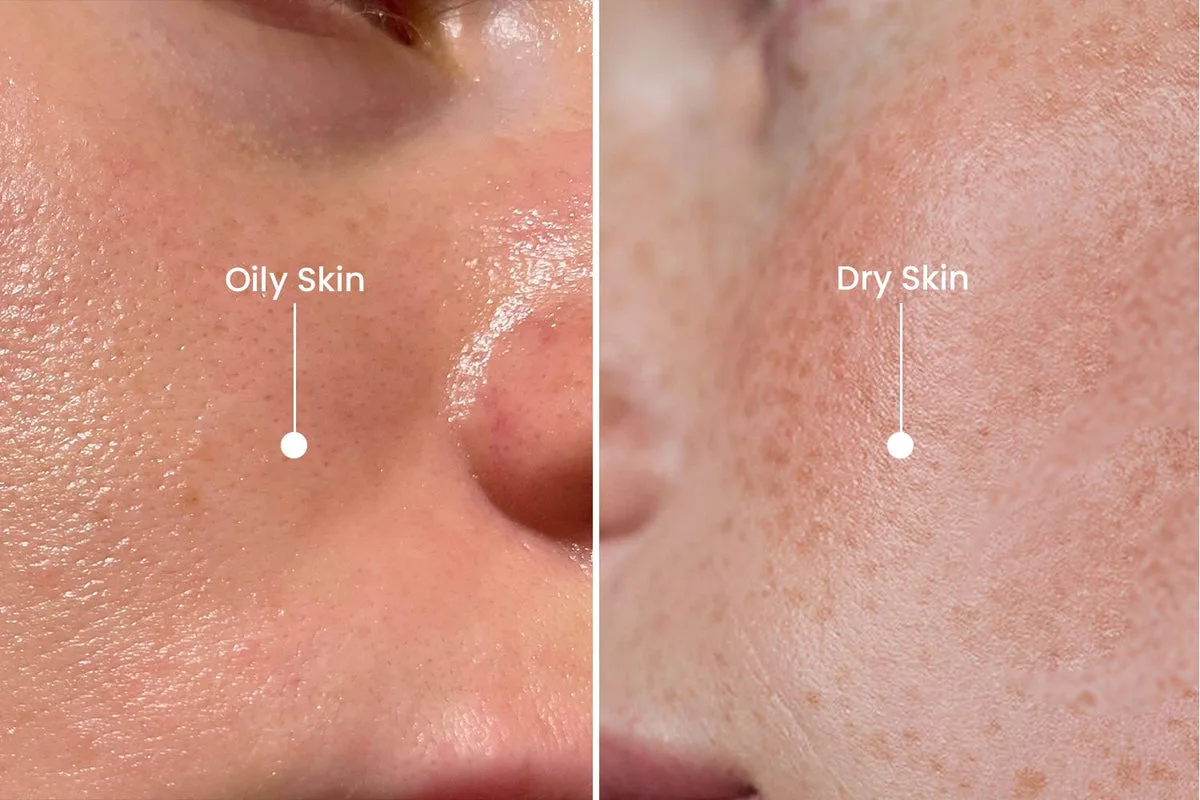
Image source: Bing (Web (fair-use with source credit))
Think of your morning cleanse as a way to remove any oil that accumulated overnight and prepare your skin for the day. The evening cleanse is crucial for getting rid of the day's grime, sweat, pollution, and any leftover product, preventing it from sitting on your skin all night. For individuals with acne, consistently removing these pore-clogging elements is a fundamental step in managing their condition, and many dermatologists recommend this routine as part of an effective acne management plan.
Daily Makeup and City Living: A Case for Twice-Daily Cleansing
Wearing makeup daily or living in a bustling, often polluted urban environment adds extra layers of things you need to wash off. Makeup, especially if it's heavy or long-wearing, can clog pores if not removed thoroughly. Foundations, concealers, and even some sunscreens can leave behind residue that might not be fully removed by just one cleanse.
If you live in a city, your skin is exposed to airborne pollutants, dust, and exhaust fumes. These particles can settle on your skin throughout the day, potentially contributing to inflammation and premature aging. A second cleanse in the evening helps ensure you're removing this environmental buildup, keeping your skin cleaner and healthier.
This practice is especially important for maintaining skin health when exposed to environmental stressors, and it’s a key recommendation from bodies like the Environmental Protection Agency (EPA) regarding personal care in urban settings.
Rethinking Twice-Daily Cleansing: Dry, Sensitive, or Irritated Skin
Now, if your skin is naturally on the drier side, feels easily irritated, or often looks red, washing twice a day might actually do more harm than good. Your skin barrier, which is like your skin’s natural shield, is delicate. It's responsible for keeping moisture in and irritants out.
When you overwash, especially with harsh cleansers, you can strip away the natural lipids and oils that make up this barrier. This leaves your skin vulnerable and can lead to increased dryness, flakiness, and sensitivity. For these skin types, a gentle morning rinse with just water is often sufficient to refresh the skin without compromising its crucial protective functions.
If you’re using powerful treatments, like those found in some best eye cream formulations, you might want to be even more cautious.

Image source: Bing (Web (fair-use with source credit))
Over-Washing: The Risks to Your Skin Barrier
The skin barrier is more than just a surface layer; it’s a complex system vital for overall skin health. When this barrier is compromised by aggressive cleansing, the consequences can be significant. You might notice your skin feels tight and uncomfortable, even if you moisturize.
Redness, stinging, and increased sensitivity to skincare products are common signs that the barrier is struggling.
This can create a cycle where your skin becomes more prone to inflammation and reacts negatively to treatments that might otherwise be beneficial. Maintaining an intact skin barrier is essential, and research from dermatological associations often highlights that gentle cleansing practices are key for its preservation. It’s about finding a balance that cleanses effectively without stripping away the skin's natural defenses.
Choosing the Right Cleanser for Your Routine
The type of cleanser you use plays a massive role in whether washing twice a day is a good idea. Not all cleansers are created equal, and what works for one person might be too harsh for another. If you're planning on washing twice, opt for gentle formulas.
Cream-based cleansers or mild, hydrating formulations are often best for dry or sensitive skin, even for a second cleanse. For oilier skin, you might tolerate a slightly more active cleanser, but it's still wise to avoid anything that leaves your skin feeling stripped or squeaky clean. That "squeaky clean" feeling is often a sign that you've removed too much of your skin’s natural oils.
Gentle Morning Cleanses vs. Thorough Evening Cleanses
This is where the nuance really comes in. Your morning cleanse doesn't need to be as robust as your evening one. In the morning, your skin isn't typically loaded with makeup, sunscreen, or the day's pollution.
So, if you have drier or sensitive skin, simply splashing your face with lukewarm water can be enough to feel refreshed and prep your skin.
If you do opt for a cleanser in the morning, choose something incredibly mild. Think a hydrating, non-foaming option. The evening is usually when you’ll want to use a more effective cleanser to ensure all impurities from the day are removed.
This might be when double cleansing comes into play, using an oil-based cleanser first followed by a water-based one, a method that thoroughly removes stubborn residue like waterproof makeup or best ultrasonic skin scrubber residue if you use such devices.
Your Skin's Signals: How to Tell What It Needs
The most important tool you have in deciding whether to wash twice a day is your own skin. It’s constantly communicating its needs, but you have to know what to look for. After you cleanse, take a moment to observe how your skin feels.
Does it feel comfortable, soft, and balanced? Or does it feel tight, dry, red, or stingy? If it feels good, you're likely on the right track.
If you experience any discomfort, that's a clear signal that your current routine might be too much, and you should scale back.
Listening to Your Skin: Observation and Adjustment
This ongoing observation is key. Don’t just stick to a routine because you think you should. Your skin's needs can change with the seasons, stress levels, or even hormonal fluctuations.
If you notice your skin becoming drier in the winter, you might adjust to washing just once a day, even if you typically wash twice.
Conversely, if you start breaking out more or notice increased oiliness during warmer months, a twice-daily routine might be more beneficial. The general advice, supported by numerous skincare professionals, is to adjust your routine based on these real-time cues. This adaptive approach ensures your skin gets the care it needs without being over-treated or under-treated.
Common Cleansing Mistakes to Avoid
When it comes to cleansing, a few common missteps can really set your skin back. One of the biggest is using water that's too hot. Hot water can strip your skin of its natural oils even faster than cool water, leading to dryness and irritation.
Always opt for lukewarm water.
Another mistake is scrubbing too hard or using an abrasive cloth or brush daily, especially if your skin isn't accustomed to it. This can cause micro-tears and inflammation. Also, be wary of cleansers with harsh sulfates (like Sodium Lauryl Sulfate or Sodium Laureth Sulfate), which can be overly drying for many skin types.
If you're using tools like a best skin spatula, ensure it's used as directed and cleaned properly to avoid introducing bacteria.
What Not to Do With Your Facial Wash
Beyond the water temperature and scrubbing technique, there are other things to steer clear of. Don't leave cleanser on your skin for too long, thinking it will work harder. Most cleansers are designed to be massaged in gently for about 30-60 seconds and then rinsed off.
Also, avoid over-cleansing, which is essentially washing your face more times than necessary for your skin type and lifestyle. If you've cleansed thoroughly in the evening, there’s usually no need for another heavy cleanse in the morning. Stick to gentle, effective practices and always follow up with a moisturizer to help replenish your skin barrier, especially if you use products like best body oil on your skin after showering.
Expert Guidance: When to Consult a Dermatologist
Sometimes, figuring out your skin's needs can feel complicated, and that's perfectly okay. If you've tried adjusting your cleansing routine and your skin still feels persistently dry, irritated, or is prone to breakouts, it might be time to seek professional advice. A dermatologist is an expert in skin health and can provide personalized recommendations.
They can help diagnose any underlying skin conditions you might not be aware of, such as eczema, rosacea, or specific types of acne. Based on their assessment, they can recommend specific cleansers, treatments, and a routine tailored precisely to your skin’s unique biochemistry and any challenges it's facing. This expert insight can save you time, money, and frustration in the long run.
Frequently Asked Questions
How often should I wash my face if I have combination skin?
Combination skin typically means you have oily areas (often the T-zone) and dry or normal areas. For combination skin, washing twice a day is often recommended. Use a gentle cleanser in the morning, and consider a slightly more effective one in the evening.
Focus on cleansing oily areas a bit more thoroughly, but avoid stripping drier areas.
Can washing my face too much cause premature aging?
While washing itself doesn't directly cause aging, over-washing can strip your skin of its natural oils and damage its protective barrier. A compromised barrier can lead to inflammation and increased sensitivity, which over time could potentially contribute to or exacerbate signs of aging. Gentle cleansing and proper hydration are key to maintaining youthful-looking skin.
What's the difference between washing and exfoliating?
Washing is about removing surface impurities like dirt, oil, and makeup. Exfoliating is a deeper process that removes dead skin cells from the skin's surface. Exfoliation is usually done less frequently than washing, often once or twice a week, depending on the method and your skin's tolerance.
Over-exfoliating can be very damaging to the skin barrier.
Should I wash my face before or after applying serums?
You should always wash your face before applying serums and other treatments. Cleansing ensures a clean canvas, allowing your serums to penetrate effectively and deliver their active ingredients to the skin. Applying serums to unwashed skin can trap dirt and oil, negating their benefits and potentially causing breakouts.
Is it okay to use the same cleanser for my morning and evening routines?
Yes, you can use the same cleanser for both morning and evening routines, provided it's a gentle, all-purpose formula suitable for your skin type. However, many people find it beneficial to use a gentler, perhaps hydrating cleanser in the morning and a more thorough, perhaps slightly stronger cleanser in the evening, especially if they wear makeup or live in a polluted environment. This allows for customized cleansing based on the skin's needs at different times of the day.