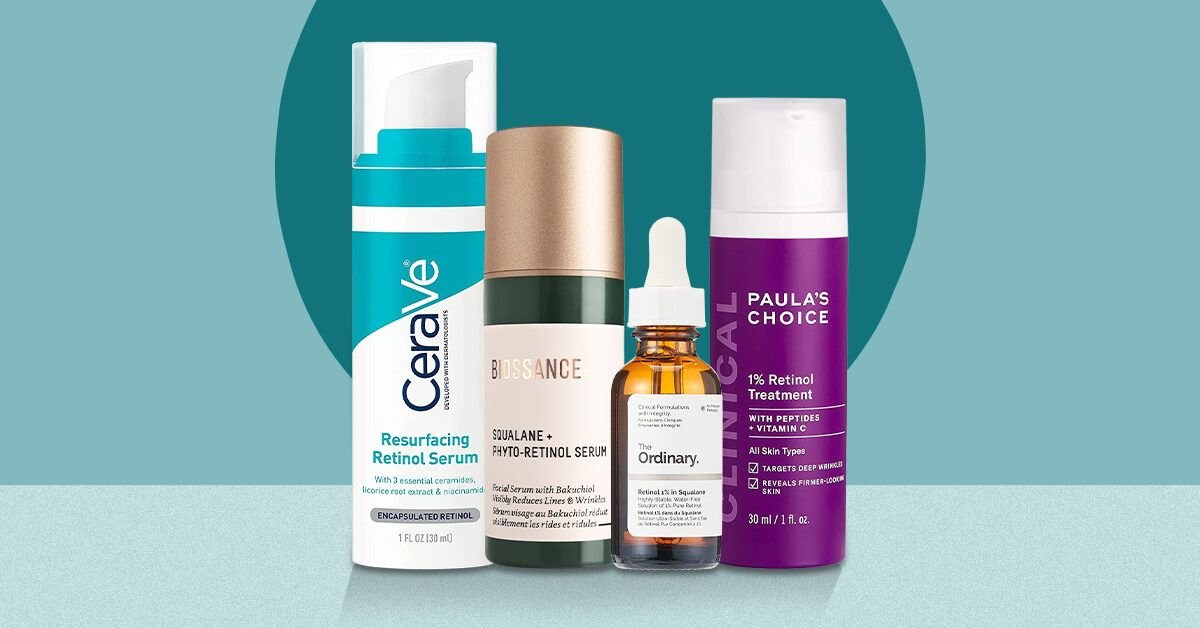
Can Retinol Help Treat Acne?: Does It Really Work
Yes, retinol may help treat acne by keeping pores clear, reducing oil, and calming new breakouts.
Can retinol help treat acne? For many people, the answer is yes, but results depend on the type of acne, the product used, and how well your skin tolerates it. This guide explains how retinol works, what the research shows, how to use it safely, and when a dermatologist should help.
Can retinol help treat acne?
Retinol can help treat mild acne, clogged pores, whiteheads, and blackheads. It belongs to a family of vitamin A compounds called retinoids. These ingredients help skin cells shed in a more regular way, so dead skin is less likely to mix with oil and block pores.
Retinol may also support smoother skin texture and reduce the dull marks that remain after a breakout. However, it is not a quick fix. Most people need several weeks of steady use before they notice clear changes.
Can retinol help treat acne that is red and swollen? It may help over time, but nonprescription retinol is often less powerful than prescription retinoids. Deep, painful, or widespread acne may need treatment from a dermatologist.
How retinol works on acne-prone skin
Acne often begins when oil, dead skin cells, and bacteria collect inside a hair follicle. The pore becomes clogged, much like a sink blocked by too much buildup. Retinol helps keep that buildup moving out of the pore.
Retinol may help acne in several ways:
• It encourages normal skin cell turnover.
• It helps prevent new clogged pores.
• It may reduce the formation of blackheads and whiteheads.
• It can support smoother skin texture.
• It may slowly fade dark spots left after acne heals.
Retinol does not kill acne-causing bacteria in the same direct way as benzoyl peroxide. It also does not work like an antibiotic. Its main strength is keeping pores clear and reducing the cycle that leads to new blemishes.
Can retinol help treat acne caused by excess oil? It may help reduce the effect of oil and dead skin inside pores, but it does not stop oil production as strongly as some prescription medicines. Your skin type and the cause of your acne still matter.

Retinol versus prescription retinoids
The word “retinol” usually refers to an over-the-counter skin care ingredient. Skin enzymes convert retinol into active retinoic acid inside the skin. This extra step makes retinol gentler and slower than many prescription retinoids.
Prescription options include tretinoin, tazarotene, and adapalene. Adapalene is available over the counter in the United States in some strengths and is approved for acne treatment. Prescription products may work faster, but they can also cause more dryness, peeling, or irritation.
Here is a simple comparison:
• Retinol: Usually milder, cosmetic, and easier to find.
• Adapalene: A proven acne treatment that is available without a prescription in the United States.
• Tretinoin: A prescription retinoid often used for acne and skin aging.
• Tazarotene: A stronger prescription option that may help acne and plaque psoriasis.
Can retinol help treat acne as well as tretinoin? Not always. Retinol may be a useful starting point for mild acne or sensitive skin, while prescription treatment may be better for persistent or severe acne.

What types of acne may improve with retinol?
Retinol is most helpful for comedonal acne. This includes blackheads and whiteheads caused by clogged pores. It may also help prevent small bumps before they become inflamed pimples.
It can be less reliable for deep cysts and nodules. These lesions form deeper in the skin and may cause pain, scars, or long-lasting redness. They often need a treatment plan that includes prescription medicine.
Retinol may fit into a plan for:
• Mild blackheads.
• Whiteheads on the forehead, nose, or chin.
• Small recurring bumps.
• Acne linked to clogged pores.
• Dark marks left after breakouts.
Can retinol help treat acne scars? It may improve mild uneven texture and dark post-acne marks. It usually cannot remove deep indented scars, and raised scars need a different approach.
How to use retinol for acne safely
Starting slowly is one of the best ways to avoid irritation. Many people make the mistake of applying a large amount every night because they want fast results. That often leads to burning, peeling, and stopping treatment altogether.
Try this simple routine:
-
Wash your face with a mild, fragrance-free cleanser.
-
Let your skin dry fully. Damp skin can increase irritation.
-
Apply a pea-sized amount of retinol to the whole acne-prone area.
-
Avoid the corners of your nose, lips, and eyelids.
-
Use a plain moisturizer after retinol.
-
Begin two nights per week.
-
Increase to every other night only if your skin stays comfortable.
Use sunscreen every morning. Retinol can make skin more sensitive to sunlight, and ultraviolet exposure can worsen dark acne marks. Choose a broad-spectrum sunscreen with SPF 30 or higher.
Can retinol help treat acne if you use it only once a week? It may offer limited benefits, but regular use usually works better. Once or twice weekly can be a smart starting point for sensitive skin.
Choosing the right retinol product
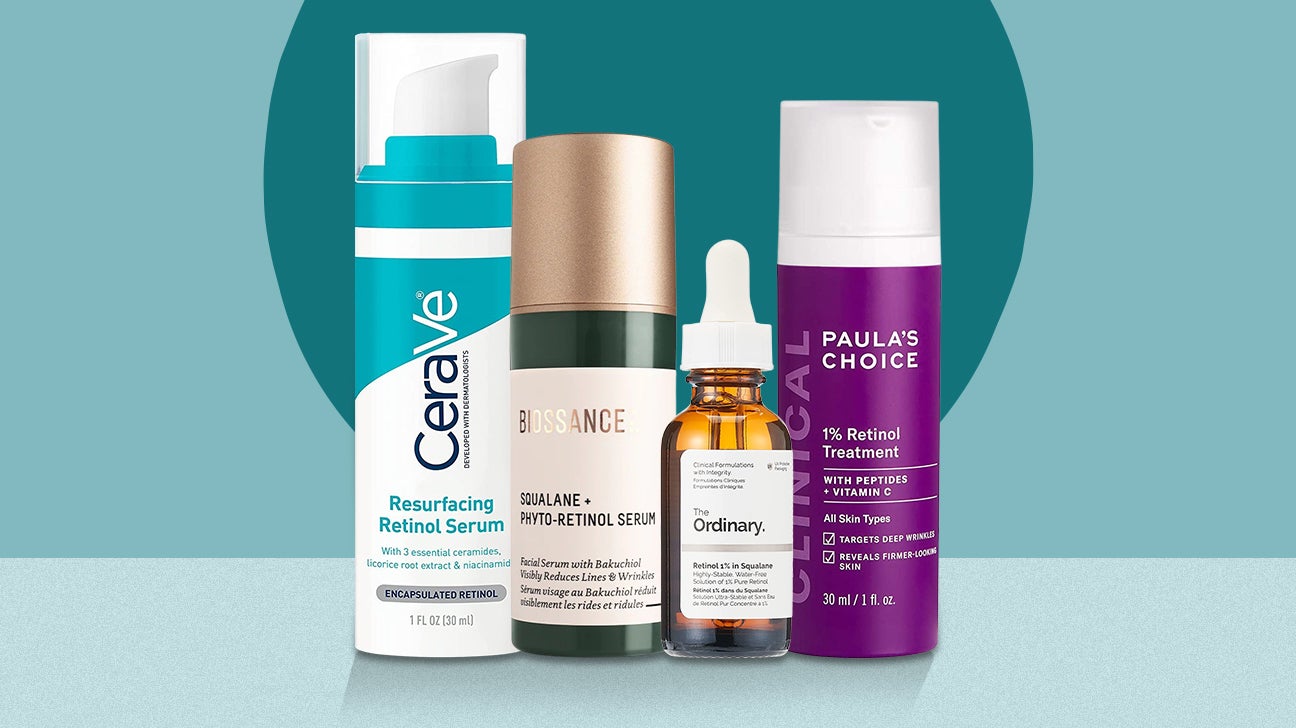
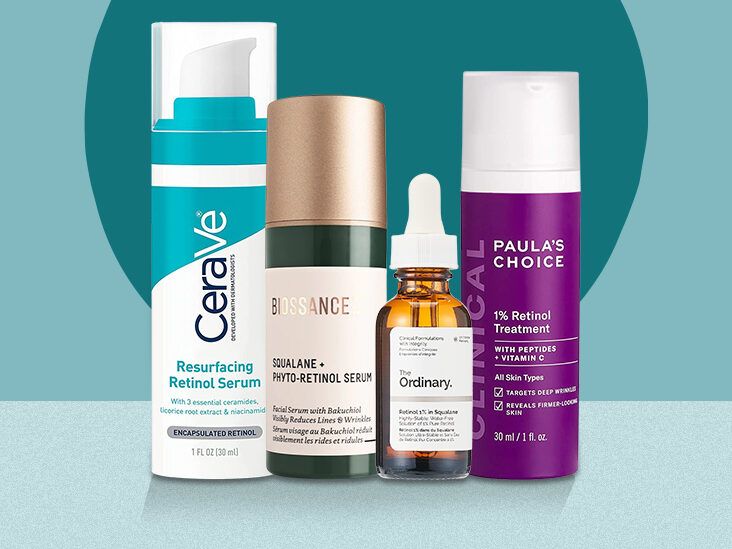
A low-strength product is often best for beginners. Look for a simple formula from a reputable brand. Fragrance-free products may be easier to tolerate, especially if your skin is dry or reactive.
Creams and lotions often feel more comfortable than strong gels. If you have oily skin, a light lotion may work well. If your skin feels tight or flaky, choose a cream and use more moisturizer.
Helpful product tips include:
• Pick one retinol product instead of layering several vitamin A products.
• Avoid starting with strong exfoliating acids at the same time.
• Store the product as directed, since light and air can reduce stability.
• Follow the label instructions.
• Patch test if you often react to new products.
A higher percentage does not always mean better results. The best product is one you can use consistently without painful irritation.

What to avoid while using retinol
Retinol can irritate the skin barrier, especially during the first few weeks. A damaged barrier may feel hot, tight, itchy, or sore. It can also make acne care more difficult.
Avoid using retinol on the same night as several strong products, such as:
• Scrubs with rough particles.
• High-strength glycolic or lactic acid.
• Salicylic acid treatments used over large areas.
• Benzoyl peroxide, unless a clinician or product label supports the combination.
• Waxing on the same area.
You may use some acne ingredients at different times of day. For example, a person might use benzoyl peroxide in the morning and retinol at night. Still, this approach can cause dryness, so add products one at a time.
If your skin becomes painful, stop retinol for a few days and focus on gentle cleansing, moisturizer, and sunscreen. Seek medical advice if swelling, blistering, or severe redness develops.
Retinol purging, irritation, or worsening acne?
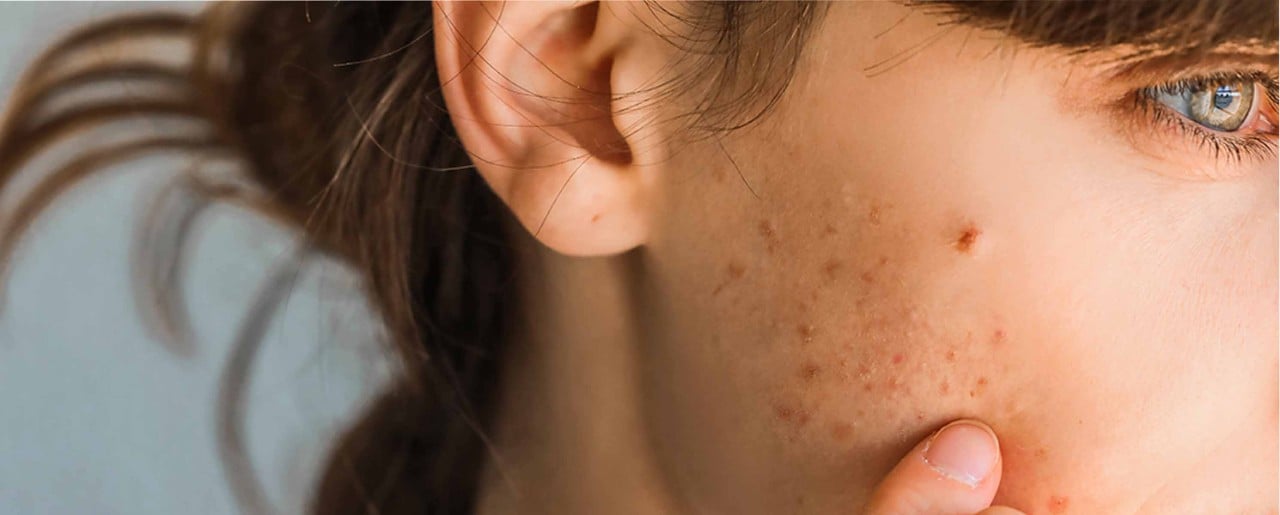
Some people notice more small bumps during the first few weeks of retinol use. This is often called “purging.” It may happen because clogged pores come to the surface faster.
Purging should occur mainly in areas where you usually get acne. It should improve as your skin adjusts. Severe burning, rash, swelling, or new acne in unusual areas suggests irritation or another reaction instead.
A practical lesson is to change only one part of your routine at a time. If you start retinol, a new cleanser, an acid toner, and a different sunscreen in the same week, you will not know which product caused a problem.
Can retinol help treat acne even if it seems to worsen acne at first? It may, but worsening irritation is not something to push through. Reduce use or stop the product and ask a dermatologist for advice if the reaction continues.
How long does retinol take to work for acne?
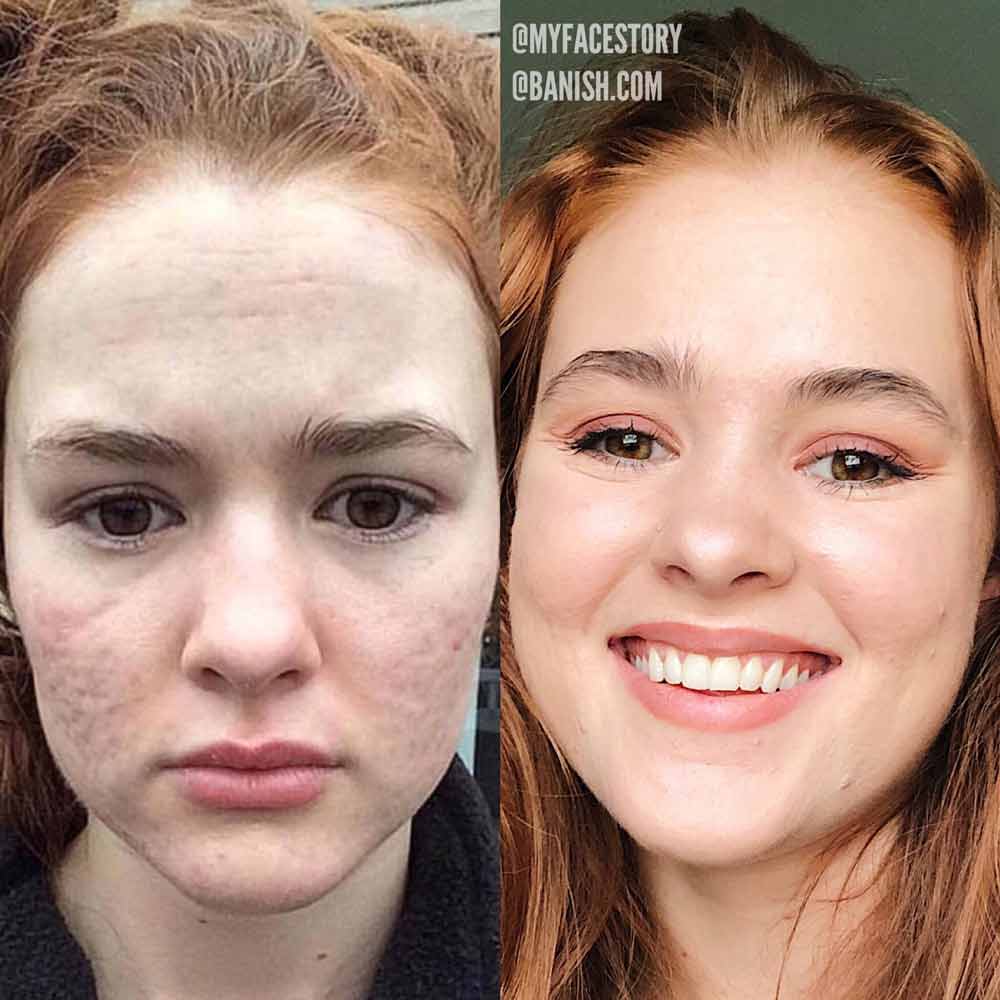
Acne treatment needs patience. Some people see smoother skin within four to eight weeks, while clearer acne may take eight to twelve weeks. Dark marks and uneven texture can take longer.
You may notice mild dryness before you see improvement. That does not always mean the product is working, and it should not be treated as a goal. Healthy, comfortable skin is a better sign than heavy peeling.
Track your progress with a photo every four weeks. Use the same lighting and avoid judging your skin from day to day. Acne naturally changes with stress, hormones, sleep, products, and the menstrual cycle.
Can retinol help treat acne overnight? No. It cannot safely clear acne in one night. A steady routine usually gives better results than applying too much and causing irritation.

Who should avoid retinol or ask a doctor first?
People who are pregnant or trying to become pregnant should avoid topical retinoids unless their health care professional gives specific advice. Many clinicians also recommend avoiding retinoids while breastfeeding as a precaution. Ask your obstetrician, dermatologist, or primary care clinician about safer options.
Talk with a dermatologist before using retinol if you have:
• Severe or painful acne.
• Acne scars or frequent cysts.
• Eczema, rosacea, or very sensitive skin.
• A history of allergic reactions to skin care products.
• Acne that has not improved after about three months.
• A need for several prescription treatments.
A dermatologist can tell whether your bumps are acne or another condition, such as folliculitis or perioral dermatitis. Correct diagnosis matters because the wrong product can prolong irritation.
Can retinol be combined with other acne treatments?
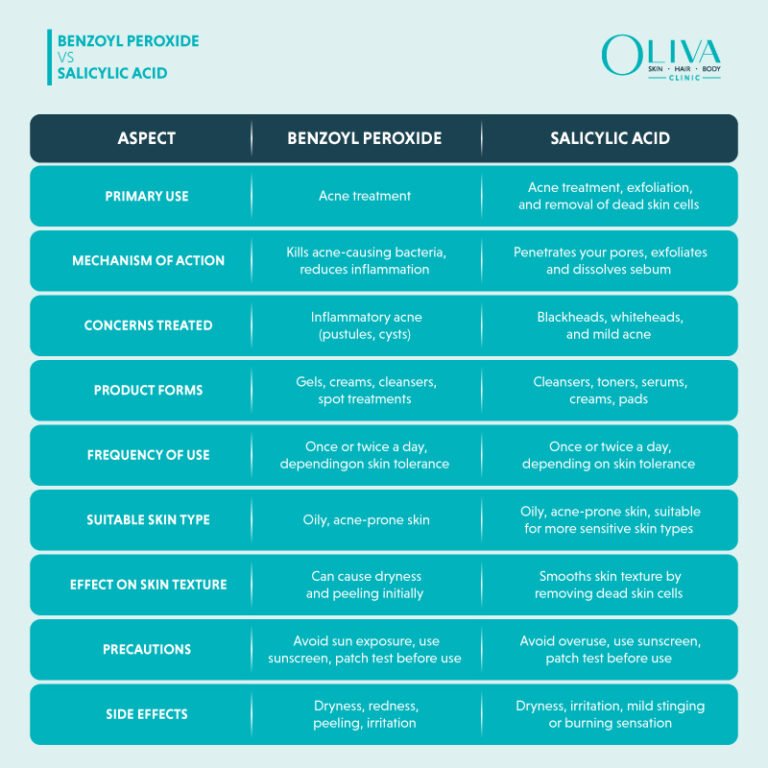
Yes, but the combination should be planned carefully. Benzoyl peroxide can reduce acne-causing bacteria, while retinoids help prevent clogged pores. Salicylic acid can help remove oil and dead cells from the skin surface.
Using every active ingredient at once is not better. A simple plan may be more effective:
• Morning: Gentle cleanser, moisturizer, and sunscreen.
• Evening: Gentle cleanser, retinol, and moisturizer.
• Optional: Add benzoyl peroxide on a separate morning if your skin tolerates it.
Introduce one new active product at a time. Give it at least a few weeks before adding another, unless your clinician recommends a faster plan.
Some acne products combine adapalene and benzoyl peroxide. These combinations have strong evidence for acne, but they may be more drying than retinol. Follow the product directions and ask a pharmacist or dermatologist if you are unsure.
Evidence and limits of retinol for acne
Retinoids are well established in acne care. Dermatology guidelines commonly recommend topical retinoids because they help treat existing clogged pores and prevent new ones. Adapalene, tretinoin, and tazarotene have stronger acne evidence than many cosmetic retinol products.
The main limitation is that over-the-counter retinol products vary. Brands may use different strengths, formulas, and delivery systems. Some products do not clearly state how much retinol they contain, so results can be hard to compare.
Research on retinol itself is less extensive than research on prescription retinoids. That does not mean retinol cannot help acne. It means expectations should remain realistic, especially for moderate or severe acne.
Can retinol help treat acne for everyone? No. Acne has many causes, including hormones, genetics, medication, stress, and skin products. Retinol can be useful, but it is only one possible part of treatment.
Frequently asked questions about can retinol help treat acne?
Can retinol help treat acne and blackheads?
Yes, retinol may help reduce blackheads by improving the way skin cells shed inside pores. Consistent use is important, and results often take several weeks.
Can retinol help treat acne on oily skin?
It may help oily, acne-prone skin by reducing the buildup of oil and dead cells inside pores. It does not always reduce oil production enough on its own, so other treatments may be needed.
Can retinol help treat acne on sensitive skin?
It can, but sensitive skin should start with a low-strength product once or twice weekly. Use moisturizer, avoid harsh products, and stop if you develop strong burning or swelling.
Can retinol help treat acne scars?
Retinol may soften mild uneven texture and fade some dark marks after acne. It will not usually remove deep scars, which may need procedures or prescription treatment.
Can retinol help treat acne during pregnancy?
Topical retinoids are generally avoided during pregnancy. If you are pregnant, planning pregnancy, or breastfeeding, ask your health care professional about safer acne treatments.
Can retinol help treat acne if it causes peeling?
Mild dryness can occur at first, but heavy peeling is a sign to reduce use or pause treatment. Focus on gentle skin care until your skin barrier feels comfortable again.
Conclusion
Can retinol help treat acne? Yes, it may help by keeping pores clear, supporting normal skin cell turnover, and reducing new blackheads and whiteheads. It works best when used slowly, paired with moisturizer and sunscreen, and given enough time.
Retinol is not ideal for every person or every type of acne. Severe breakouts, painful cysts, scarring, pregnancy, or ongoing irritation call for professional guidance. Start with a simple routine, change one product at a time, and speak with a dermatologist if your acne does not improve. Share your experience or explore more evidence-based skin care guides to build a routine that works for you.


One Comment