What Causes Back Acne (Bacne): Causes And Fixes
Back acne usually comes from clogged pores, excess oil, bacteria, hormones, sweat, friction, or irritating products.
What causes back acne (bacne)? The answer is rarely just one thing. Back acne forms when oil, dead skin cells, and bacteria collect inside hair follicles. Sweat, tight clothing, hormonal shifts, medicines, and hair products can then make the problem worse. This guide explains the main triggers, how to tell acne from similar bumps, and what can help your skin heal.
What is back acne?
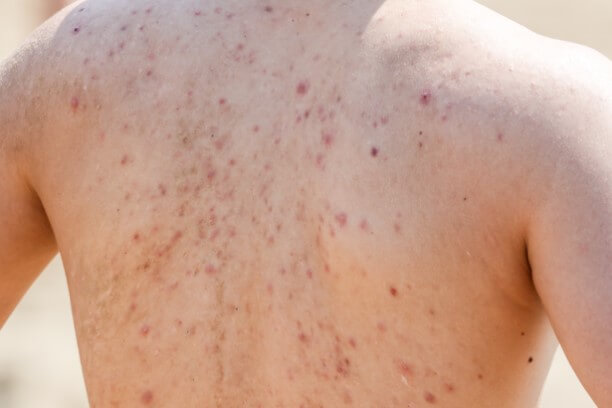
Back acne, often called bacne, is acne that develops on the back, shoulders, and sometimes the upper arms. It can include blackheads, whiteheads, red bumps, pus-filled spots, deep painful lumps, or dark marks left after healing.
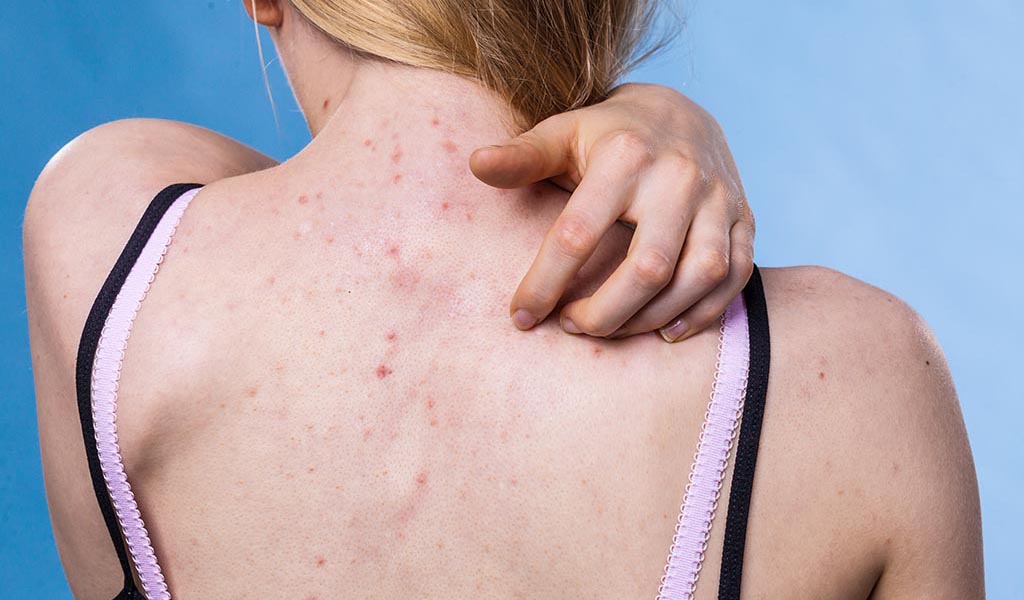
The back has many oil-producing glands. These glands release sebum, an oily substance that helps protect the skin. When sebum mixes with dead skin cells, it can plug a hair follicle. Bacteria and inflammation may then turn that clogged follicle into a pimple.
What causes back acne (bacne)? It starts with the same basic process as facial acne, but the back has thicker skin and is harder to wash or treat. Sweat, rubbing, and product buildup can also stay trapped there for hours.
What causes back acne (bacne)?
Excess oil and clogged pores
One of the most common causes of back acne is excess sebum. Some people naturally produce more oil because of genetics, hormones, age, or stress.
Dead skin cells can mix with this oil and block pores. An open plug may become a blackhead, while a closed plug may appear as a whitehead. If inflammation develops, the spot can become red, swollen, and tender.
Hormonal changes
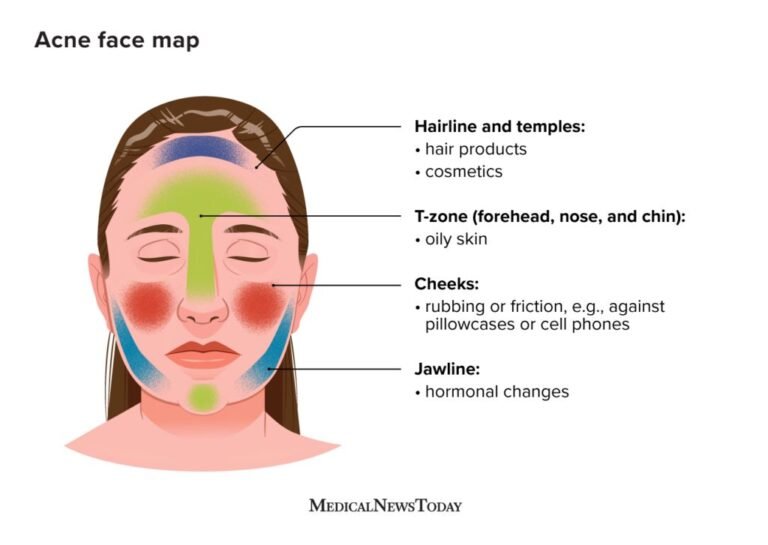
Hormones can increase oil production and change how skin cells shed. This is why acne often appears or worsens during puberty, menstrual cycles, pregnancy, or periods of hormonal imbalance.
Androgens, including testosterone, can stimulate the oil glands. Hormonal acne may show up on the back, jaw, chest, and shoulders. Some adults develop back acne even if they had clear skin as teenagers.
Sweat and heat
Sweat does not directly cause acne, but it can create conditions that encourage breakouts. Warm, damp skin can soften dead skin cells and increase friction from clothing or sports equipment.
Leaving sweaty clothes on after exercise may also trap oil, bacteria, and dirt against the skin. This does not mean you need harsh scrubbing. A gentle shower and clean, loose clothing are usually better choices.
Friction and pressure
Friction can irritate hair follicles and make existing acne worse. This type of breakout is sometimes called acne mechanica.
Common triggers include:
• Backpack straps
• Tight sports uniforms
• Padded shoulder equipment
• Sports bras
• Firm chair backs
• Heavy work gear
• Tight synthetic shirts
What causes back acne (bacne) in these cases? Repeated rubbing, heat, and pressure may push oil and dead skin deeper into follicles. The result can be small, rough bumps or inflamed pimples.
Hair and skin products
Conditioner, hair oils, styling creams, sunscreen, and body lotions can run down the back. Some products contain oils or ingredients that clog pores in acne-prone skin.
This does not mean every oil is harmful for everyone. Skin reacts differently from person to person. Still, if your back acne began after changing a product, stop that product for several weeks and watch for improvement.
Bacteria and inflammation
A skin bacterium called Cutibacterium acnes can grow inside blocked follicles. It is part of normal skin flora, so the goal is not to remove every bacterium.
The problem occurs when a blocked follicle creates an environment that supports inflammation. The immune system responds, causing redness, swelling, warmth, and pain.
Genetics
Acne often runs in families. If one or both parents had moderate or severe acne, you may have a greater risk of developing it too.
Genes can affect oil production, inflammation, pore size, and how strongly the skin reacts to clogged follicles. Genetics are not your fault, and better hygiene alone may not prevent genetic acne.
Medicines and supplements
Some medicines can trigger acne-like eruptions. Examples may include corticosteroids, testosterone, lithium, and certain medicines that affect the immune system.
Some bodybuilding and performance supplements may contain hormones or hormone-like ingredients. If your back acne started after a new medicine or supplement, speak with a health professional. Do not stop a prescribed medicine without medical advice.
Stress and poor sleep
Stress is not always the root cause of acne, but it can make existing acne worse. Stress hormones may affect oil production and inflammation. Stress can also lead to habits such as poor sleep, touching the skin, or skipping showers after workouts.
Research supports a link between psychological stress and acne severity, although the strength of the link varies. Stress management can help, but it should not replace proper acne treatment.
Diet and lifestyle factors
For some people, high-glycemic foods may be linked with worse acne. These foods can raise blood sugar quickly. Some studies also suggest a possible connection between acne and certain dairy products, especially skim milk.
The evidence is not strong enough to say that one food causes back acne in everyone. Avoid extreme diets. Instead, notice patterns and focus on balanced meals, sleep, movement, and skin care.

What causes back acne (bacne) after exercise?
Exercise itself is healthy and does not need to stop. The issue is usually the combination of sweat, heat, friction, and delayed skin cleansing.
A practical post-workout routine can help:
-
Change out of sweaty clothing soon after exercise.
-
Rinse or shower with lukewarm water.
-
Use a gentle, fragrance-free cleanser.
-
Pat the back dry with a clean towel.
-
Wash workout clothes after each use.
-
Clean sports equipment that touches your back.
A common mistake is scrubbing the back with a rough brush. This can cause tiny skin injuries and increase irritation. Clean skin gently, like you are washing a soft shirt rather than scouring a dirty pan.

Can poor hygiene cause bacne?
Poor hygiene is not the main cause of back acne. Acne is a medical skin condition influenced by oil, hormones, genetics, inflammation, and clogged follicles.
Still, sweat, body oils, dirt, and product residue can add to the problem. Washing too little may allow buildup, while washing too often or using strong soap can damage the skin barrier.
Good hygiene means gentle and regular care:
• Shower after heavy sweating.
• Use clean towels and clothing.
• Avoid sharing personal towels.
• Wash bedding regularly.
• Do not pick or squeeze spots.
• Rinse conditioner from the back well.
Your back acne is not a sign that you are dirty. That point matters because shame often leads people to scrub harder, which may worsen irritation.

How to tell back acne from other skin bumps
Not every bump on the back is acne. Several conditions can look similar.
Folliculitis
Folliculitis is inflammation around a hair follicle. It may result from bacteria, yeast, shaving, sweat, or friction. The bumps may look like small red pimples and can itch or feel sore.
Malassezia folliculitis
Sometimes called fungal acne, Malassezia folliculitis is linked to an overgrowth of yeast that normally lives on the skin. It often causes many small, itchy bumps that look similar in size.
Unlike typical acne, it may not respond to standard acne products. A dermatologist can help confirm the cause.
Keratosis pilaris
Keratosis pilaris causes small, rough bumps that feel like sandpaper. It often affects the upper arms but can appear on the back. These bumps usually do not contain pus and are not the same as acne.
Contact dermatitis
A new detergent, fabric, fragrance, or body product can cause an itchy rash. Contact dermatitis may spread beyond the usual acne areas and can burn, peel, or form patches.
What causes back acne (bacne) may be easier to understand when you look at symptoms beyond the bumps. Itching, a sudden rash, or bumps that all look alike may point to another condition.
How to prevent back acne
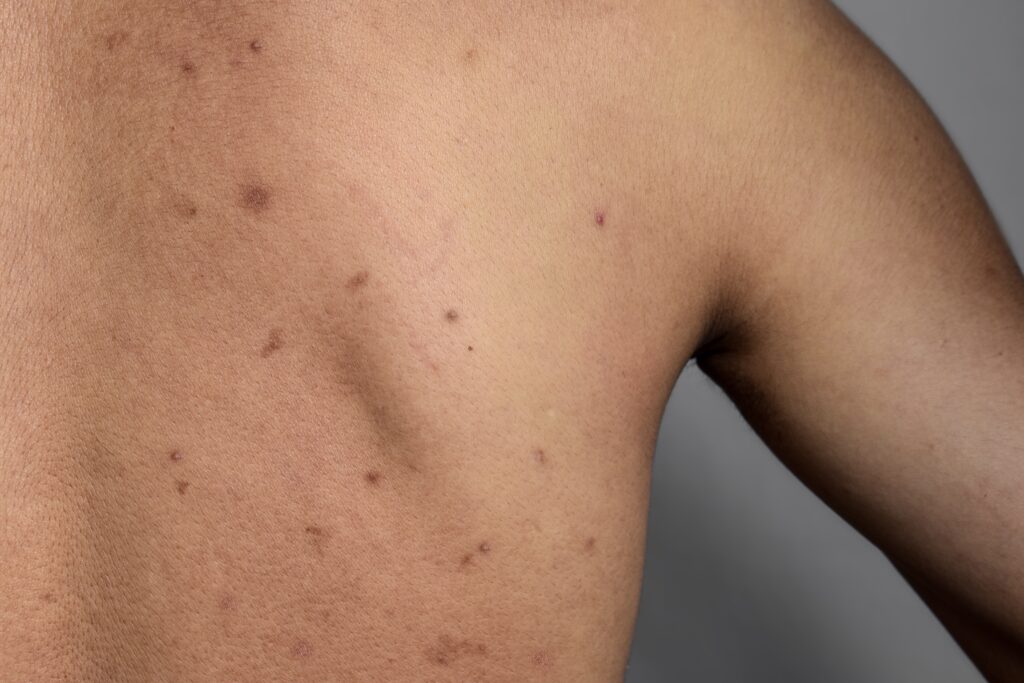
Prevention works best when it targets the triggers you can control. You do not need a complicated routine or a shelf full of products.
Try these steps:
• Wear loose, breathable clothing during hot weather or exercise.
• Shower soon after sweating.
• Choose products labeled noncomedogenic when possible.
• Keep hair products off your back.
• Wash backpacks, sports pads, and workout gear often.
• Avoid tight straps when practical.
• Use clean sheets and towels.
• Do not pick, scratch, or squeeze blemishes.
• Apply sunscreen that is labeled noncomedogenic.
If you use conditioner, rinse your hair first and wash your back afterward. This simple order can reduce residue left on the skin.
Treatment options for back acne
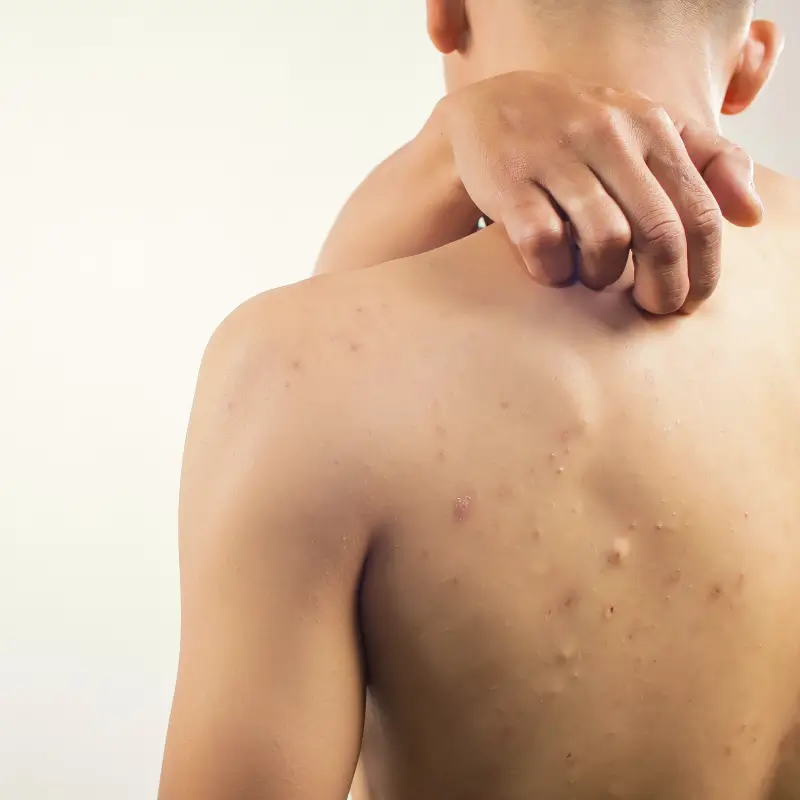
Mild back acne may improve with over-the-counter treatment. Give a product time to work. Acne treatment often needs six to eight weeks before you can judge the result.
Benzoyl peroxide
Benzoyl peroxide helps reduce acne-causing bacteria and inflammation. A body wash with about 2.5% to 5% benzoyl peroxide may help mild inflammatory acne.
Leave the wash on the skin for a short time, then rinse well. It can bleach towels, clothing, and bedding, so use white fabrics when possible.
Salicylic acid
Salicylic acid helps loosen dead skin cells and clear blocked pores. It may be useful for blackheads, whiteheads, and small bumps.
Start with a lower strength and use it a few times per week. Stop or reduce use if your skin becomes very dry, cracked, or painful.
Adapalene
Adapalene is a topical retinoid available without a prescription in the United States. It helps prevent clogged pores and may reduce new breakouts over time.
Apply a thin layer to acne-prone skin rather than using it only on individual spots. Irritation can occur at first. Pregnant people should ask a health professional before using retinoids.
Prescription treatment
A dermatologist may prescribe stronger retinoids, antibiotics, hormonal treatment, or isotretinoin, depending on the type and severity of acne.
Antibiotics are generally used for a limited time and often combined with benzoyl peroxide to reduce antibiotic resistance. Deep, painful, or scarring acne deserves professional care rather than months of trial and error.

Mistakes that can make bacne worse
Many people try to remove acne by force. Unfortunately, the skin often responds like an angry alarm: the more it is rubbed, the louder the inflammation becomes.
Avoid these common mistakes:
• Scrubbing with rough brushes or loofahs.
• Using rubbing alcohol, bleach, or harsh home remedies.
• Applying several strong acne products at once.
• Picking, squeezing, or popping lesions.
• Wearing sweaty clothing for hours.
• Ignoring painful cysts or spreading acne.
• Changing products every few days.
A simple routine is easier to follow and less likely to irritate your skin. Introduce one new product at a time so you can identify what helps or causes a reaction.
When to see a dermatologist
Make an appointment if your back acne is painful, deep, widespread, or leaving scars. You should also seek care if over-the-counter treatment has not helped after about eight to 12 weeks.
A dermatologist can check whether the bumps are acne, folliculitis, a medication reaction, or another skin condition. Early treatment can lower the risk of permanent scars and dark marks.
Seek medical advice sooner if you have sudden severe acne after starting a medicine, signs of infection, or symptoms such as fever, spreading redness, or significant swelling.
Frequently Asked Questions About What Causes Back Acne (Bacne)?
What causes back acne (bacne) most often?
The most common causes include clogged pores, excess oil, hormones, sweat, friction, genetics, and inflammation. Hair products, tight clothing, and some medicines may also contribute.
Does sweating cause back acne?
Sweat alone does not cause acne, but heat, damp skin, friction, and trapped clothing can worsen breakouts. Showering after exercise and changing into clean, loose clothing may help.
Is back acne caused by poor hygiene?
No. Poor hygiene is not the main cause of bacne. However, sweat, product residue, and infrequent washing can add to clogged pores, while harsh scrubbing can make acne worse.
Why do I get back acne but not face acne?
The back has thicker skin, many oil glands, and frequent contact with clothing, backpacks, chairs, and sports equipment. It is also harder to reach, so sweat and product residue may remain there longer.
Can diet cause back acne?
Diet may affect acne in some people, especially diets high in rapidly digested carbohydrates. Some research also suggests a possible link with certain dairy products, but no single food causes back acne for everyone.
Is back acne a sign of a hormone problem?
Hormones can contribute to acne, but back acne does not automatically mean you have a hormone disorder. See a health professional if acne appears suddenly with irregular periods, excess facial hair, hair thinning, or other new symptoms.
How long does back acne take to clear?
Mild acne may begin to improve after six to eight weeks of consistent treatment. Deeper acne can take longer and may need prescription care to prevent scars.
Conclusion
What causes back acne (bacne)? Usually, it is a mix of clogged pores, oil, hormones, sweat, friction, genetics, and inflammation. Product residue, medicines, stress, and certain skin conditions can also play a role.
Start with gentle cleansing, clean clothing, fewer irritating products, and one proven acne treatment at a time. Do not blame yourself or scrub your skin raw. If breakouts are painful, persistent, or scarring, schedule a visit with a dermatologist for a clear diagnosis and personalized plan. Share your experience or explore more evidence-based skin care guides to keep learning.