What Is the Best Shampoo for Dry Hair?
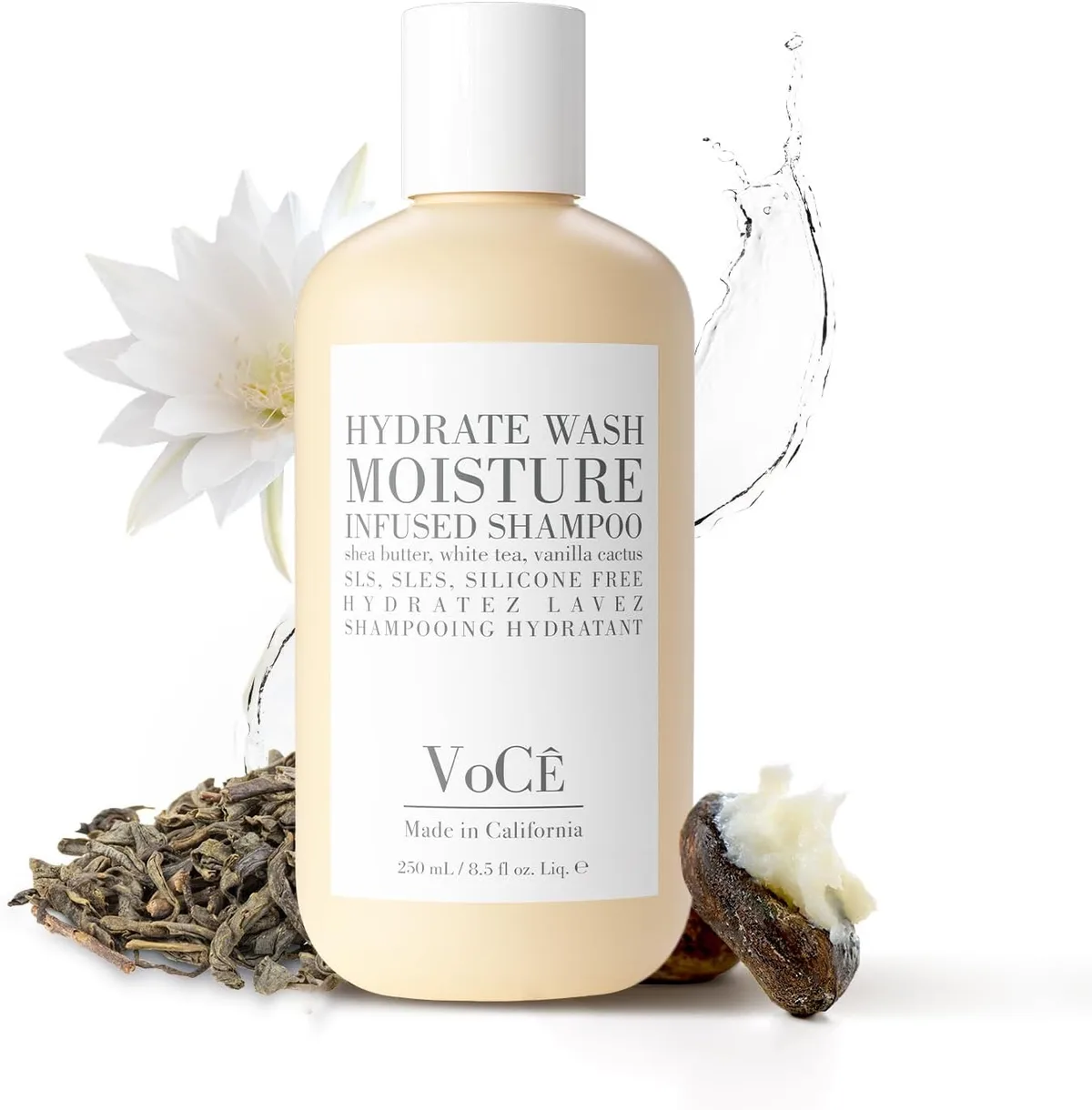
Image source: Bing (Web (fair-use with source credit))
Decoding Dry Hair Shampoos: Your Essential Guide
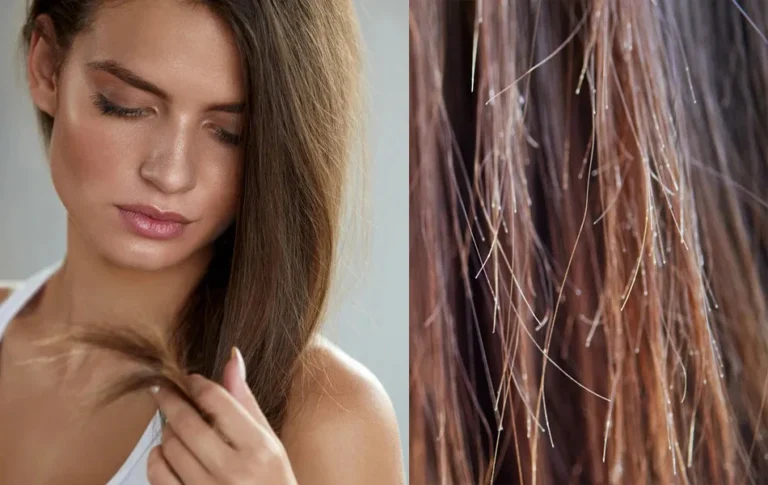
Dry hair can feel like a constant battle, leaving it brittle, dull, and prone to breakage. Figuring out what is the best shampoo for dry hair often feels overwhelming with so many options on the shelf. You're looking for something that truly nourishes and restores moisture without stripping essential oils.
Our research indicates that effective shampoos for dry hair typically avoid harsh sulfates and instead focus on hydrating ingredients. According to industry standards for cosmetic ingredients, a good formulation for dry hair will aim to replenish lipids and retain moisture. Let's break down what that means for you.
Quick Answer: What Shampoo for Dry Hair?
The best shampoo for dry hair is typically a sulfate-free, hydrating formula rich in ingredients like glycerin, hyaluronic acid, and natural oils. These shampoos gently cleanse while replenishing moisture, improving softness, and reducing frizz for healthier-looking hair.
What Makes Hair Dry, Anyway?
Hair dryness isn't just about a lack of water; it's often about the hair's inability to retain its natural oils, also known as sebum. Sebum is crucial because it coats the hair shaft, providing lubrication, shine, and protection. When this natural barrier is compromised or insufficient, hair loses moisture and becomes dry.
Several factors contribute to this.
- Genetics: Some people naturally produce less sebum, leading to drier hair from the start. This is often seen in individuals with curlier or more textured hair types, as sebum has a harder time traveling down the coiled shaft.
- Environment: Exposure to dry climates, harsh weather conditions like wind and cold, and even prolonged sun exposure can strip moisture from hair.
- Washing Habits: Over-washing hair, especially with hot water and harsh shampoos, can strip away natural oils faster than they can be replenished.
- Chemical Treatments: Processes like coloring, bleaching, perming, and straightening can damage the hair cuticle, making it harder for hair to hold onto moisture. Heat styling tools, when used frequently without protection, also contribute significantly.
- Age: As we get older, our scalp's sebum production can naturally decrease, leading to drier, finer hair.
Understanding these causes helps you choose the right approach to combat dryness.
Key Ingredients for Hydrating Hair Shampoos
When you’re scanning shampoo bottles, keep an eye out for certain ingredients that are like a drink of water for your hair. These are the powerhouses that work to bring back moisture and keep your hair feeling soft and smooth.
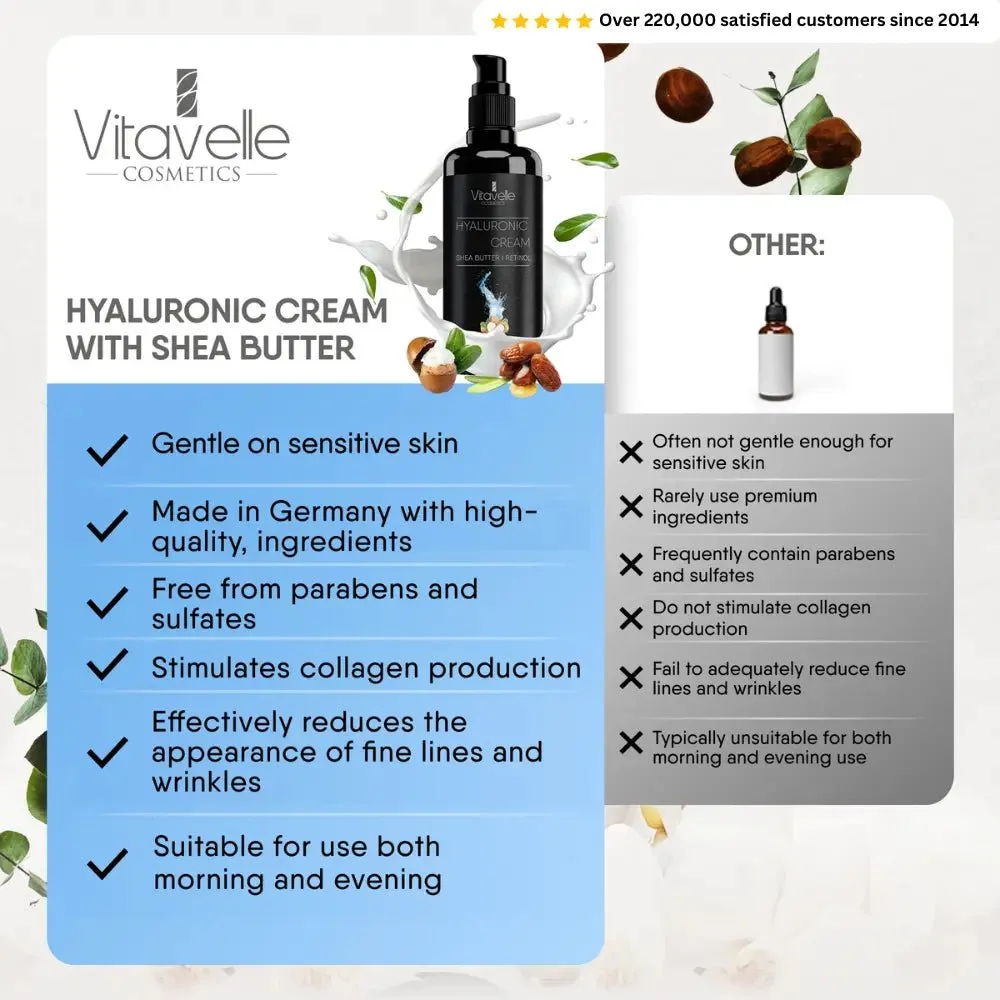
Image source: Bing (Web (fair-use with source credit))
Here’s what to look for:
- Glycerin: This is a humectant, meaning it draws moisture from the air into your hair strands. It’s a workhorse for hydration.
- Hyaluronic Acid: Similar to glycerin, hyaluronic acid is fantastic at attracting and retaining moisture, helping to plump up dry, brittle hair.
- Natural Oils (e.g., Argan Oil, Shea Butter, Coconut Oil, Jojoba Oil): These ingredients act as emollients, smoothing the hair cuticle and locking in moisture. They also provide essential fatty acids that nourish the hair shaft. Argan oil, for instance, is packed with vitamin E and antioxidants.
- Ceramides: These are lipids that naturally occur in hair and skin. In shampoos, they help repair the hair's protective barrier, preventing moisture loss and strengthening strands.
- Panthenol (Pro-Vitamin B5): This ingredient penetrates the hair shaft to improve moisture retention, add shine, and increase hair volume.
Choosing shampoos with a blend of these ingredients means you’re getting a multi-pronged attack against dryness.
When to Skip the Sulfates: Gentle Cleansers That Work
This is a big one for dry hair. You've probably seen "sulfate-free" popping up everywhere, and for good reason, especially if your hair tends to be on the dry side. Sulfates, like Sodium Lauryl Sulfate (SLS) and Sodium Laureth Sulfate (SLES), are common cleansing agents that create that rich lather we often associate with being clean.
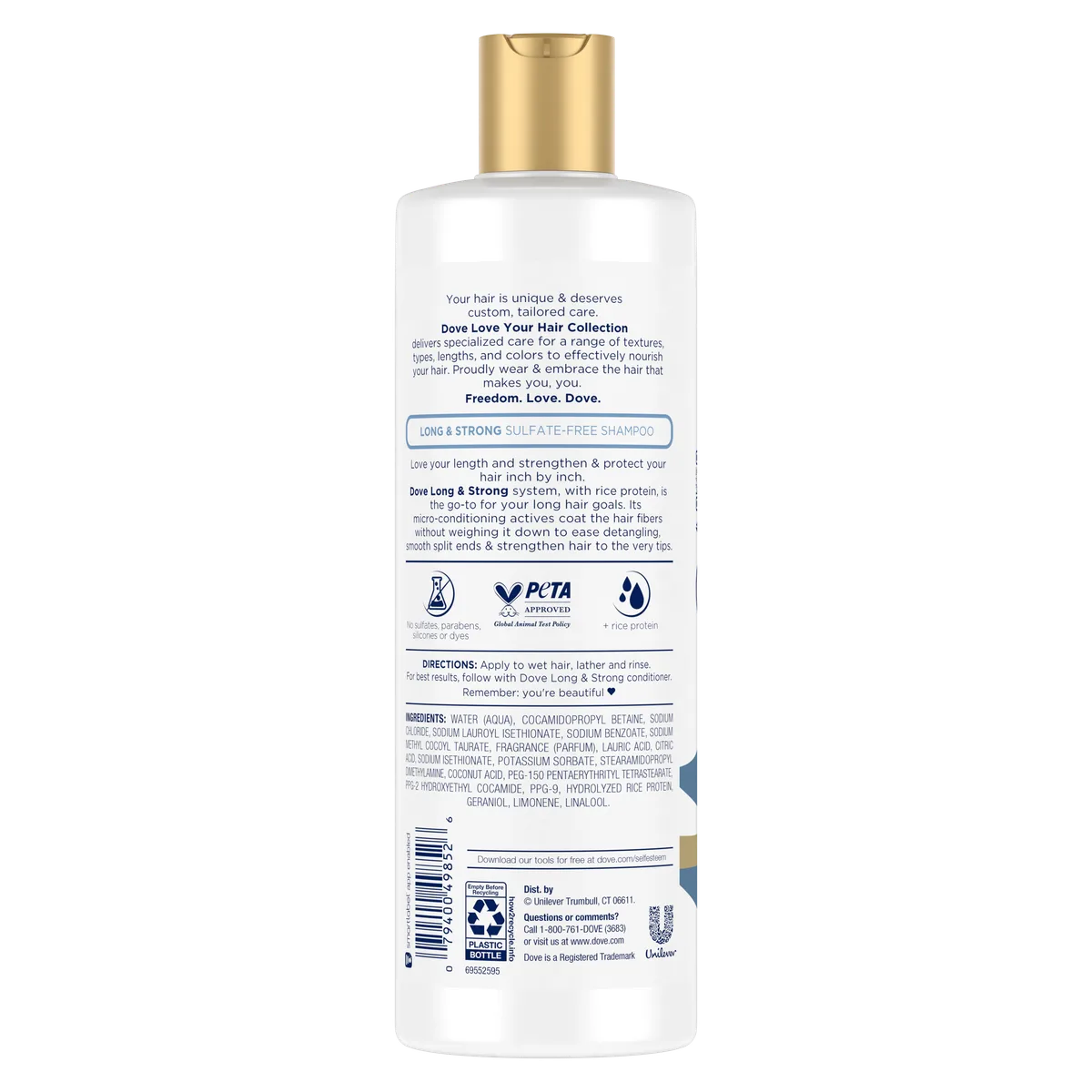
Image source: Bing (Web (fair-use with source credit))
However, they are also quite potent. For dry hair, their strong cleansing power can be a major drawback because they can strip away not only dirt and product buildup but also the hair’s natural, protective sebum. This leaves your hair feeling even drier, more brittle, and prone to frizz.
Instead, look for shampoos that use milder cleansing agents. These might include ingredients like:
- Cocamidopropyl Betaine: A gentler surfactant derived from coconut oil.
- Decyl Glucoside: A plant-derived, mild cleanser known for its low irritation potential.
- Sodium Lauroyl Sarcosinate: Another mild surfactant that effectively cleanses without over-stripping.
These gentle cleansers still do a great job of removing impurities but are much kinder to your hair’s natural moisture balance. This is a key factor in maintaining hair health and preventing that rough, parched feeling. If your hair feels stripped or tight after washing, it's a strong sign your current shampoo might be too harsh.
Comparing Shampoo Types for Dry Hair Needs
Not all dry hair is created equal, and what works wonders for one person might not be the best fit for another. The thickness, texture, and specific issues of your dry hair will influence which type of hydrating shampoo you should reach for. Think of it like finding the right moisturizer for your skin type.
Shampoos for Fine, Dry Hair
If you have fine hair that’s also dry, your main concern is adding moisture without weighing your hair down. Heavy oils or creamy formulas can leave fine strands looking flat and greasy. You’ll want to look for shampoos labeled as lightweight or volumizing, even within the dry hair category.
These formulas often use humectants like glycerin or hyaluronic acid, and lighter oils like jojoba oil, which mimics sebum. They focus on providing hydration and improving manageability without creating a heavy residue that can make fine hair appear limp.
Shampoos for Coarse, Dry Hair
Coarse hair, often naturally thicker and more resistant to moisture, can benefit from richer, more emollient formulas. These shampoos often contain generous amounts of natural butters and oils, such as shea butter, coconut oil, or argan oil.
These ingredients are excellent at penetrating the hair shaft to provide deep hydration and create a smooth, protective barrier. They help to soften the hair, reduce frizz, and make coarse, dry hair more manageable and less prone to breakage.
Shampoos for Curly, Dry Hair
Curly hair has a unique structure that makes it naturally prone to dryness. The bends and twists in the hair shaft create points where the scalp's natural oils struggle to travel down to the ends. Therefore, shampoos for dry, curly hair need to be exceptionally moisturizing and gentle.
Look for products that are specifically formulated for curly or coily hair types, often labeled as moisturizing or hydrating. These will typically be sulfate-free and packed with rich emollients like shea butter and nourishing oils, along with humectants to draw in moisture. They should also help define curls and reduce frizz.
Shampoos for Color-Treated, Dry Hair
Color treatments can significantly impact hair's moisture levels, often making it drier and more fragile. The chemical processes involved can lift the hair cuticle, allowing moisture to escape more easily. Shampoos for dry, color-treated hair need to address both issues.
These shampoos are usually formulated to be color-safe, meaning they use gentle cleansing agents that won't strip artificial color molecules. They’ll also be rich in hydrating ingredients to replenish lost moisture and repair damage, helping to maintain the vibrancy of your hair color while keeping it soft and healthy.
Real-World Scenarios: Finding Your Perfect Match
What works for one person's dry hair might not be the holy grail for another. Let's look at a few situations where choosing the right shampoo makes a big difference. Think about your own hair's history and current needs to find your ideal match.
Scenario 1: The Traveler in a Dry Climate. Imagine someone who travels frequently to arid regions like Arizona or even experiences harsh, dry winters. Their hair might become brittle and prone to static. A shampoo with hyaluronic acid and lighter oils would be beneficial here, as it focuses on drawing moisture from the air and sealing it in without weighing hair down.
Scenario 2: The Color Enthusiast. Someone who regularly dyes their hair blonde or uses vibrant fashion colors might find their hair feels rough and lacks shine. They need a color-safe, sulfate-free shampoo that’s also deeply moisturizing. Formulas with ceramides and shea butter can help repair the cuticle damage and restore a smooth surface, preserving color vibrancy.
Scenario 3: The Natural Texture Lover. If you have naturally curly or coily hair, you know dryness is a constant challenge. A shampoo that’s too stripping will lead to major frizz and loss of curl definition. Opting for a creamy, sulfate-free shampoo infused with rich oils like avocado or macadamia nut oil, specifically designed for textured hair, is key.
These examples highlight how tailoring your shampoo choice to specific hair needs can dramatically improve texture and health.
Common Mistakes When Washing Dry Hair
Even with the best intentions, certain washing habits can actually make dry hair worse. It’s easy to fall into these traps, so being aware can help you avoid them. Making small adjustments can lead to a big difference in how your hair feels and looks.
Washing Too Frequently: While it seems counterintuitive, washing your hair every single day, especially with a clarifying shampoo, can strip away the natural oils your scalp produces to keep your hair moisturized. For many people with dry hair, washing every 2-3 days, or even less, is sufficient. This allows your scalp time to replenish its natural oils.
Using Scalding Hot Water: While a hot shower can feel amazing, the high temperature can strip your hair of its natural oils and moisture, much like harsh shampoos. Always opt for lukewarm or cooler water when washing your hair. Cooler water helps to seal the hair cuticle, retaining moisture and adding shine.
Skipping Conditioner: Conditioner is designed to rehydrate and smooth the hair shaft after shampooing. For dry hair, this step is non-negotiable. Skipping it leaves the cuticle open and vulnerable, leading to more dryness and frizz. Always follow your shampoo with a hydrating conditioner.
Rubbing Hair Vigorously with a Towel: Rough towel-drying can cause friction, leading to frizz and breakage, especially on already dry, brittle hair. Instead, gently squeeze excess water out with your hands and then pat your hair dry with a soft microfiber towel or an old cotton t-shirt.
Avoiding these common pitfalls is just as important as choosing the right shampoo.
Expert Tips for Washing and Caring for Dry Hair
Beyond selecting the right product, how you actually wash and care for your dry hair matters a great deal. Little tweaks in your routine can make a significant impact on overall hair health and hydration. It’s about being gentle and mindful at every step.
Lather Up at the Scalp: When shampooing, focus the lathering action primarily on your scalp. Your scalp needs cleansing to remove oil and buildup, but the ends of your hair tend to be drier and don't need as much direct scrubbing. The suds will rinse down the lengths of your hair, cleaning them sufficiently.
Concentrate Conditioner on Ends: Apply conditioner mainly to the mid-lengths and ends of your hair. These areas are usually the oldest and driest parts of your hair and benefit most from the moisturizing properties of conditioner. Avoid applying too much to your roots, as this can weigh down fine hair or make your scalp feel greasy.
Consider a Leave-In Conditioner: For an extra boost of moisture, especially if your hair is very dry or prone to frizz, a leave-in conditioner can be a game-changer. These products are applied after washing and rinsing, and they stay in your hair to provide continuous hydration and protection throughout the day.
Protect Hair from the Elements: Just like your skin, your hair can suffer from exposure to harsh conditions. Wearing a hat in very cold or sunny weather can help protect your hair from moisture loss and damage.
By incorporating these practices, you’re creating a supportive environment for your dry hair to thrive.
How Often Should You Wash Dry Hair?
This is a question many people with dry hair grapple with. The "right" answer isn't a strict number but depends on a few individual factors. Over-washing can strip natural oils, making dryness worse, while under-washing can lead to scalp issues or product buildup.
Generally, washing dry hair less frequently is recommended. For many, washing two to three times a week is ideal. This allows the scalp's natural sebum to coat the hair shaft, providing lubrication and moisture.
However, consider these points:
- Activity Level: If you exercise daily and sweat heavily, you might need to rinse your hair more often. In this case, you could opt for a co-wash (cleansing with conditioner only) on some days, or use a very gentle, hydrating shampoo.
- Scalp Condition: If you have a very dry, flaky scalp, you might need to wash slightly more often to manage the flaking, but always with a moisturizing, gentle shampoo. If your scalp feels itchy or your hair looks greasy, that’s a sign your sebum production is a bit higher, and you might wash more often.
- Product Usage: If you use a lot of styling products, you might need to wash more frequently to prevent buildup, which can make hair feel heavy and dull.
Pay attention to how your hair and scalp feel. If your hair feels dry, rough, or brittle a day or two after washing, you're likely washing too often or using too harsh a product. If your scalp feels itchy or your hair looks greasy, it might be time for a wash.