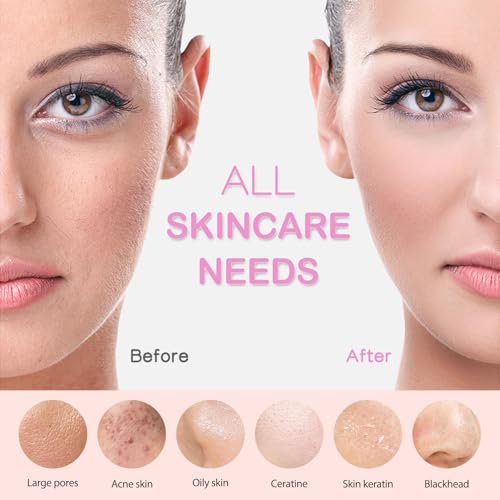
How Often Should I Use a Facial Steamer?

Image source: Bing (Web (fair-use with source credit))
How Often Should You Use a Facial Steamer? Your Skin's Guide
So, you've got a facial steamer and you're curious about how often you should actually be using it. It's a fantastic tool for boosting your skin's health, but like anything, too much of a good thing can sometimes cause problems. We've sifted through the latest research and manufacturer guidelines to give you a clear picture.
The key is understanding that your skin is unique. What works for one person might be too much or too little for another, especially as different skin types respond differently to steam. Knowing your skin type and your goals is the first step to figuring out the ideal steaming frequency.
Quick Answer
You should use a facial steamer between once and twice per week for most skin types. Those with oily or acne-prone skin might benefit from up to three sessions weekly, while sensitive or dry skin types should stick to once every 7-10 days. Always monitor your skin’s reaction.
Understanding Your Skin: The First Step to Steaming Frequency
Your skin's unique characteristics are the biggest factor in determining how often you can safely and effectively use a facial steamer. Think of your skin as an individual; it has its own needs and tolerances. When we talk about skin types, we're generally referring to how your skin produces oil, its sensitivity, and its hydration levels.
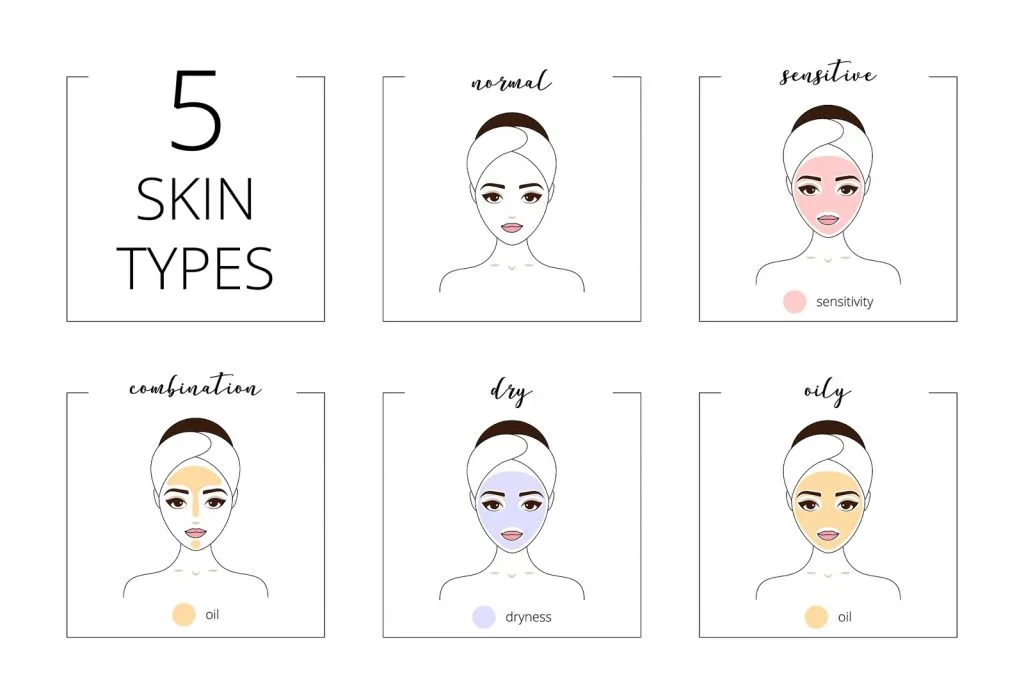
Image source: Bing (Web (fair-use with source credit))
- Oily or Acne-Prone Skin: If you tend to get shiny throughout the day or are prone to breakouts, steaming can be particularly beneficial. The warm vapor helps to loosen sebum (your skin's natural oil) and clear out pores, which can reduce congestion and prevent pimples. This skin type can often handle more frequent steaming.
- Dry or Dehydrated Skin: For those who struggle with flakiness, tightness, or a dull complexion, steaming can be a godsend for adding moisture. However, it’s crucial to rehydrate immediately afterward, as over-steaming can sometimes strip essential natural oils if not balanced.
- Sensitive Skin: This skin type requires the most caution. Steaming can sometimes trigger redness, irritation, or inflammation if done too often or for too long. Gentleness is key here.
- Normal or Combination Skin: You likely have a bit more flexibility. You can probably aim for a moderate frequency without major issues, but still need to pay attention to how your skin feels.
Understanding these distinctions helps us tailor your steaming routine. If you're not sure of your skin type, observing how your skin behaves throughout the day after cleansing is a good indicator. For instance, if your skin feels tight and dry hours after washing, you likely have dry skin.
If it feels oily all over, it's probably oily.
Deciphering Your Steaming Goals: What Do You Want to Achieve?
Beyond just "good skin," what specific outcomes are you hoping to get from your facial steamer? Your primary goal can significantly influence how often you should incorporate steaming into your routine. Different objectives call for different frequencies to maximize benefits and minimize potential downsides.

Image source: Bing (Web (fair-use with source credit))
Here are some common goals and how they relate to steaming frequency:
- Deep Pore Cleansing: If your main aim is to tackle blackheads, whiteheads, or general pore congestion, you might find that steaming 1-2 times per week is effective. For very stubborn congestion, some individuals with resilient skin might increase this to 3 times a week, but this requires careful monitoring. Manufacturer specifications for many devices recommend a maximum of 15 minutes of total steaming per week to avoid over-treatment.
- Boosting Hydration: For dry or dehydrated skin, steaming can infuse vital moisture. A good starting point is once a week. If your skin feels persistently thirsty, you might increase this to once every 5-7 days, but always follow up with a rich moisturizer. Over-steaming can paradoxically lead to dehydration if the skin barrier isn't adequately supported afterward.
- Enhancing Product Absorption: Steaming opens up your pores, making them more receptive to the products you apply afterward. If this is your primary goal, steaming before applying serums or masks 1-2 times a week can be very beneficial. This practice can make other parts of how can I make my beauty routine more effective? feel more impactful.
- Relaxation and Pampering: Sometimes, you just want that spa-like experience. In this case, once a week is usually perfect. Think of it as a weekly ritual for self-care, rather than a treatment for a specific skin issue.
- Preparing for Treatments: Steaming can be a great first step before an exfoliation treatment or applying a treatment mask. If you do these weekly, a single steaming session before that treatment is usually sufficient.
Your desired outcome shapes the frequency. It’s about using the steamer as a tool to achieve a specific result, rather than just steaming for the sake of it.
How Your Skin Reacts: The Ultimate Indicator for Frequency
Your skin's individual response is the absolute best guide for determining how often you should use a facial steamer. No matter what you read or what a manufacturer suggests, your skin will tell you if you're on the right track or if you need to adjust. Think of your skin as a sensitive barometer; it communicates its needs directly.
After you steam, take a moment to observe and feel your skin. How does it look and feel an hour or two later, and even the next day?
- Feeling Refreshed, Clean, and Plump: This is the ideal reaction. If your skin feels calm, looks clearer, and feels well-hydrated, your current steaming frequency is likely spot-on. You’re getting the benefits without overdoing it.
- Slight Redness or Mild Sensitivity: A little bit of flushing immediately after steaming is normal, as the warmth increases blood flow. However, if the redness persists for more than an hour or if your skin feels tender or slightly irritated, you might be steaming too often or for too long. It's a sign to back off.
- Feeling Tight, Dry, or Stripped: This is a clear indicator that you're likely over-steaming, especially if you have dry or sensitive skin. Steaming can, in some cases, remove protective natural oils. If your skin feels like this, reduce steaming frequency and focus on immediate, intense hydration afterward. This could mean applying a thicker moisturizer or a hydrating serum.
- Breakouts or Increased Oiliness: While steaming can help with congestion, over-steaming can sometimes disrupt the skin's natural balance, potentially leading to more breakouts or even making oily skin seem greasier.
Aggregate user reviews consistently highlight the importance of this "skin feedback" loop. Many users report that starting with once a week and gradually increasing frequency (if needed and tolerated) is the safest approach. If you notice any negative reactions, reduce your steaming sessions or skip them for a period to allow your skin to recover.
Finding Your Sweet Spot: Frequency Guidelines by Skin Type
Let's bring together what we've learned about your skin type and how it reacts to give you some concrete frequency guidelines. Remember, these are starting points; fine-tune based on your own skin's behavior. Dermatological consensus emphasizes individual response over rigid schedules.
Here’s a breakdown:
For Normal or Combination Skin
- Frequency: Start with once a week.
- Why: This provides ample benefits for pore cleansing and hydration without overwhelming the skin.
- Adjustment: If your skin feels good and you want more, you can gradually increase to twice a week, perhaps on non-consecutive days. Monitor for any signs of irritation.
For Oily or Acne-Prone Skin
- Frequency: Start with once or twice a week.
- Why: The steam helps to loosen trapped oil and debris in pores, crucial for preventing breakouts.
- Adjustment: Some individuals with very congested skin may find up to three times a week beneficial, but approach with caution. Ensure you follow up with non-comedogenic products. If you experience increased breakouts or irritation, immediately reduce to twice a week or less. Many devices suggest a maximum of 15 minutes total steaming time per week.
For Dry or Dehydrated Skin
- Frequency: Start with once a week.
- Why: Steaming adds vital moisture, but overdoing it can strip natural oils.
- Adjustment: If your skin feels comfortable and well-hydrated afterward, you might consider steaming once every 5-7 days. However, if you notice any tightness or flakiness, reduce to once every 10-14 days, or shorten your steaming time. Always follow with a hydrating serum and moisturizer. This supports how can I keep my skin looking fresh?.
For Sensitive Skin
- Frequency: Start with once every 7-10 days, or even once every two weeks.
- Why: Sensitive skin is more prone to redness and irritation. Less is definitely more here.
- Adjustment: Begin with shorter steaming times (3-5 minutes). If your skin tolerates it exceptionally well with no adverse reactions, you can very slowly increase the duration, but hold off on increasing frequency unless advised by a dermatologist. Over-steaming can damage the skin barrier, a key concern for sensitive types.
Common Facial Steaming Mistakes to Sidestep
Even with the right frequency, you can still run into trouble if you're not careful about how you're steaming. Common missteps can lead to irritation or diminished results. Avoiding these helps you get the most out of your facial steamer safely.
Here are some pitfalls to watch out for:
- Steaming Too Close: Holding the steamer head too near your face can lead to burns or excessive heat exposure, potentially damaging your skin. Always maintain a safe distance as recommended by the manufacturer, usually 8-12 inches (20-30 cm).
- Using Tap Water: Many experts and manufacturers recommend using distilled or purified water. Tap water can contain minerals that may build up in the steamer's components, affecting its performance and potentially leaving residue on your skin.
- Steaming for Too Long: Exceeding the recommended 5-10 minutes (or less for sensitive skin) can lead to redness, dryness, and irritation. Your skin doesn't need prolonged exposure to get the benefits.
- Skipping the Post-Steam Routine: Steaming opens your pores, making them ready to receive beneficial ingredients. If you don't follow up with your serums, moisturizers, or masks, you're missing a prime opportunity to enhance your skincare. Conversely, applying harsh or unsuitable products after steaming can lead to irritation.
- Ignoring Your Skin's Signals: If your skin feels hot, tight, or looks red and angry after steaming, it's telling you something is wrong. Pushing through it or sticking rigidly to a schedule without listening to your skin will likely cause more harm than good.
- Using the Steamer While Having an Active Skin Infection: If you have a current skin infection, active eczema flare-up, or open wounds on your face, avoid steaming until your skin has healed. The heat and moisture could potentially worsen the condition.
Expert Tips for Optimal Steaming Sessions
Beyond just frequency, a few pro tips can elevate your facial steaming game and ensure you're maximizing benefits while staying safe. These are the nuances that make a real difference in your skin's health and your overall experience. They come from observing what works best across many users and adhering to best practices.
Proper setup and usage are key. Always start by filling the water reservoir with distilled or purified water, as this prevents mineral buildup in the device and potential skin irritation. Ensure the steamer is placed on a stable, flat surface and that the nozzle is adjusted to a comfortable, safe distance, typically 8 to 12 inches (20 to 30 cm) from your face.
Avoid looking directly into the steam jet, and keep your eyes closed during the session to protect them.
Setting Up Your Steamer: A Quick Checklist
Getting your steamer ready should be a simple, straightforward process. Here’s a quick rundown of what to focus on before you begin:
- Water Quality: Use distilled or purified water. This is crucial for device longevity and skin safety.
- Stable Surface: Place your steamer on a firm, level area to prevent tipping.
- Safe Distance: Adjust the nozzle so it’s comfortably away from your face, usually about an arm’s length.
- Cleanliness: Ensure the steamer head and water tank are clean from previous use.
- Aromatherapy (Optional): If your model has an aromatherapy function, add a drop or two of essential oil to the designated compartment, if desired.
Remember that most facial steamers take a few minutes to heat up and produce steam. Always wait until a steady stream is emitted before placing your face in front of it. This ensures you're getting the most effective steam for your skincare routine.
Frequently Asked Questions About Facial Steaming Frequency
How long should a facial steaming session last?
Facial steaming sessions should typically last between 5 to 10 minutes. Sensitive skin types may prefer shorter durations, starting at 3 to 5 minutes. Prolonged steaming can lead to redness, irritation, or dryness.
Can I use a facial steamer every day?
No, using a facial steamer every day is generally not recommended for most skin types. Daily steaming can over-expose your skin to heat and moisture, potentially stripping natural oils, causing irritation, or disrupting your skin's barrier function. It's best to stick to 1-3 times per week, depending on your skin.
What should I do after steaming my face?
After steaming, your pores are open and receptive. It's crucial to immediately follow up with your regular skincare routine, typically starting with a serum to deliver active ingredients and finishing with a moisturizer to lock in hydration. Cleansing again isn't usually necessary unless you’ve used a specific treatment during the steam.
Is it okay to steam if I have rosacea or eczema?
For individuals with active rosacea or eczema flare-ups, it's generally advisable to avoid facial steaming. The heat can exacerbate redness and inflammation. If your condition is stable, consult with your dermatologist before incorporating steaming, as it may still cause sensitivity.
Can steaming help with fine lines and wrinkles?
While steaming primarily focuses on hydration and pore cleansing, the increased blood circulation it promotes can temporarily give the skin a more plump and radiant appearance, potentially making fine lines less noticeable. However, it is not a direct treatment for wrinkles. Consistent hydration and targeted treatments are more effective for addressing signs of aging.